<?xml version="1.0" encoding="UTF-8"?>
<rdf:RDF xmlns:dc="http://purl.org/dc/elements/1.1/" xmlns:h="http://www.w3.org/1999/xhtml" xmlns:hr="http://www.w3.org/2000/08/w3c-synd/#" xmlns:rdf="http://www.w3.org/1999/02/22-rdf-syntax-ns#" xmlns="http://purl.org/rss/1.0/">
<channel rdf:about="https://forums.kingsnake.com/rss/?catid=148">
  <title>Kingsnake.com - Herpforum - Caecilians</title>
  <link>https://forums.kingsnake.com/forum.php?catid=148</link>
  <description><![CDATA[Caecilians completely lack limbs, making the smaller species resemble worms, while the larger species resemble snakes. Their tails are short or absent, and their cloacae are near the ends of their bodies.

Their skin is smooth and usually dark-matte, but some species have colorful skins. Inside the skin are calcite scales. The skin also has numerous ring-shaped folds, or annuli, that partially encircle the body, giving them a segmented appearance. Like some other living amphibians, the skin contains glands that secrete a toxin to deter predators. The skin secretions of Siphonops paulensis have been shown to have hemolytic properties.

Caecilians' vision is limited to dark-light perception, and their anatomy is highly adapted for a burrowing lifestyle. They have a strong skull, with a pointed snout used to force their way through soil or mud.

If you are a new user to this forum, please take the time to review the rules first before posting: Terms of Service.]]></description>
  <items>
    <rdf:Seq>
      <rdf:li rdf:resource="https://forums.kingsnake.com/view.php?id=1998909" />
      <rdf:li rdf:resource="https://forums.kingsnake.com/view.php?id=1881946" />
      <rdf:li rdf:resource="https://forums.kingsnake.com/view.php?id=1869187" />
      <rdf:li rdf:resource="https://forums.kingsnake.com/view.php?id=1780294" />
      <rdf:li rdf:resource="https://forums.kingsnake.com/view.php?id=1699050" />
      <rdf:li rdf:resource="https://forums.kingsnake.com/view.php?id=1682671" />
      <rdf:li rdf:resource="https://forums.kingsnake.com/view.php?id=1678530" />
      <rdf:li rdf:resource="https://forums.kingsnake.com/view.php?id=1515452" />
      <rdf:li rdf:resource="https://forums.kingsnake.com/view.php?id=1474210" />
      <rdf:li rdf:resource="https://forums.kingsnake.com/view.php?id=1434997" />
      <rdf:li rdf:resource="https://forums.kingsnake.com/view.php?id=1427768" />
      <rdf:li rdf:resource="https://forums.kingsnake.com/view.php?id=1406199" />
      <rdf:li rdf:resource="https://forums.kingsnake.com/view.php?id=1389318" />
      <rdf:li rdf:resource="https://forums.kingsnake.com/view.php?id=1342232" />
      <rdf:li rdf:resource="https://forums.kingsnake.com/view.php?id=1298580" />
      <rdf:li rdf:resource="https://forums.kingsnake.com/view.php?id=1265553" />
      <rdf:li rdf:resource="https://forums.kingsnake.com/view.php?id=1238968" />
      <rdf:li rdf:resource="https://forums.kingsnake.com/view.php?id=1190561" />
      <rdf:li rdf:resource="https://forums.kingsnake.com/view.php?id=1179477" />
      <rdf:li rdf:resource="https://forums.kingsnake.com/view.php?id=1177584" />
    </rdf:Seq>
  </items>
</channel>

<item rdf:about="https://forums.kingsnake.com/view.php?id=1998909">
  <title>Terrestrial Caecilian Care Sheet</title>
  <link>https://forums.kingsnake.com/view.php?id=1998909</link>
  <description><![CDATA[<div class="rss-post"><p><strong>Original post</strong> by palaeophis &mdash; 2012-10-08 14:59:10 GMT</p><p>I have put together a care sheet - if interested in one, email your email address to me at dennis.parmley@gcsu.edu and I will forward you a copy.  Make sure you put <b>Caecilian Care Sheet </b> in subject line, or your email may never get opened. Also, don't get in a hurry;I don't check my email every day. Thanks, Dennis</p></div>
<p><a href="https://forums.kingsnake.com/view.php?id=1998909">View full thread on Kingsnake.com</a></p>]]></description>
  <dc:date>2012-10-08T14:59:10+00:00</dc:date>
  <dc:creator>palaeophis</dc:creator>
</item>
<item rdf:about="https://forums.kingsnake.com/view.php?id=1881946">
  <title>Trip to Ecuador</title>
  <link>https://forums.kingsnake.com/view.php?id=1881946</link>
  <description><![CDATA[<div class="rss-post"><p><strong>Original post</strong> by Phrog &mdash; 2010-12-18 20:20:47 GMT</p><p>I'm going to be in Ecuador for a few weeks this May and hope to find some caecilians.  Any suggestions for finding some?  Also what are the laws on importing some?  Is there any way to do so legally?</p>
<p>Any info would be much appreciated!</p></div>
<div class="rss-post"><p><strong>Reply</strong> by karent999 &mdash; 2011-12-18 21:03:04 GMT</p><p>I have caecilians for sale.  You can contact me at karent999@yahoo.com.</p></div>
<div class="rss-post"><p><strong>Reply</strong> by Regmon &mdash; 2011-09-08 19:43:35 GMT</p><p>I know this is an old thread. Did you have any luck finding or even importing Caecilicans ? I'm currently trying to find some myself in the trade.</p></div>
<p><a href="https://forums.kingsnake.com/view.php?id=1881946">View full thread on Kingsnake.com</a></p>]]></description>
  <dc:date>2011-12-18T21:03:04+00:00</dc:date>
  <dc:creator>Phrog</dc:creator>
</item>
<item rdf:about="https://forums.kingsnake.com/view.php?id=1869187">
  <title>Terrestrial caecilians?</title>
  <link>https://forums.kingsnake.com/view.php?id=1869187</link>
  <description><![CDATA[<div class="rss-post"><p><strong>Original post</strong> by thomasthesnakeman &mdash; 2010-10-26 17:14:41 GMT</p><p>Does anybody know where I can get terrestrial caecilians?</p></div>
<p><a href="https://forums.kingsnake.com/view.php?id=1869187">View full thread on Kingsnake.com</a></p>]]></description>
  <dc:date>2010-10-26T17:14:41+00:00</dc:date>
  <dc:creator>thomasthesnakeman</dc:creator>
</item>
<item rdf:about="https://forums.kingsnake.com/view.php?id=1780294">
  <title>USF&amp;W to add &amp;quot;Big 9&amp;quot; to Lacey Act</title>
  <link>https://forums.kingsnake.com/view.php?id=1780294</link>
  <description><![CDATA[<div class="rss-post"><p><strong>Original post</strong> by PHFaust &mdash; 2010-01-21 17:22:33 GMT</p><p>In yet another attack on the reptile community, today Secretary of the Interior Ken Salazar announced that the U.S. Fish and Wildlife Service will look to list the &quot;Big 9&quot; from the USGS survey published in October on the Lacey Act as injurious species:</p>
<p>Secretary of the Interior Ken Salazar today announced the U.S. Fish and Wildlife Service will propose to list the Burmese python and eight other large constrictor snakes that threaten the Everglades and other sensitive ecosystems as &quot;injurious wildlife&quot; under the Lacey Act.</p>
<p>Salazar made the announcement at the Port of New York, which serves as the largest point of entry in the nation for imports of wildlife and wildlife products. Last year, U.S. Fish and Wildlife Service Inspectors at John F. Kennedy International Airport handled more than 27, 000 separate wildlife shipments valued at more than $1 billion, or 16 percent of all U.S. wildlife imports.</p>
<p>The proposal, which will be open to public comment before Salazar makes a final decision, would prohibit importation and interstate transportation of the animals.</p>
<p>&quot;The Burmese python and these other alien snakes are destroying some of our nation’s most treasured – and most fragile – ecosystems,&quot; Salazar said. &quot;The Interior Department and states such as Florida are taking swift and common sense action to control and eliminate the populations of these snakes, but it is an uphill battle in ecosystems where they have no natural predators. If we are going to succeed, we must shut down the importation of the snakes and end the interstate commerce and transportation of them.&quot;</p>
<p>This allows us yet another opportunity to refute the bad science involved with both HR2811 and S373. The FWS will publish the proposed rule change in the federal register in early February.</p>
<p>Once it's published, the public will have sixty days to offer comment, after which the waiting game begins again.</p>
<p>As soon as the comment period opens, we'll let you know what action to take, and where.</p>
<p>Even now, it's not too late -- or too early! -- to make calls, reach out to your senators and representatives. Let them know this proposal is based on bad science, that you're part of the reptile community and that you vote!<br />
<a href="http://www.pethobbyist.com/sitenews/index.php?/archives/470-Fish-Wildlife-to-add-pythons-to-Lacey-Act.html">USF&amp;W to add &quot;Big 9&quot; to Lacey Act</a></p>
<p>-----<br />
Cindy Steinle<br />
<a href="mailto:phfaust@pethobbyist.com">phfaust@pethobbyist.com</a><br />
PHFaust<br />
<a href="http://www.facebook.com/pages/kingsnakecom/56444808084?ref=ts" target="_blank">Visit kingsnake on Facebook!</a><br />
<a href="http://twitter.com/kingsnake_com" target="_blank"> Follow Kingsnake on Twitter!</a></p></div>
<p><a href="https://forums.kingsnake.com/view.php?id=1780294">View full thread on Kingsnake.com</a></p>]]></description>
  <dc:date>2010-01-21T17:22:33+00:00</dc:date>
  <dc:creator>PHFaust</dc:creator>
</item>
<item rdf:about="https://forums.kingsnake.com/view.php?id=1699050">
  <title>phantam t.natans?</title>
  <link>https://forums.kingsnake.com/view.php?id=1699050</link>
  <description><![CDATA[<div class="rss-post"><p><strong>Original post</strong> by goregrind &mdash; 2009-05-31 19:18:24 GMT</p><p>i have not seen him in a least a week and ive taken everything out of the aquariun and run my fingers through the gravel and didnt find him.  but today i noticed some shed skin floating around so im confused<br />
-----<br />
Jake Barney</p>
<p>snakes<br />
1.1.1 ball pythons<br />
0.2 corns</p>
<p>aquarium <br />
0.0.1 Typhlonectes natans (aquatic caecilian)<br />
0.0.1 common pleco<br />
0.0.1 albino clawed frog<br />
0.0.? feeder fish/ shrimp</p></div>
<p><a href="https://forums.kingsnake.com/view.php?id=1699050">View full thread on Kingsnake.com</a></p>]]></description>
  <dc:date>2009-05-31T19:18:24+00:00</dc:date>
  <dc:creator>goregrind</dc:creator>
</item>
<item rdf:about="https://forums.kingsnake.com/view.php?id=1682671">
  <title>shrimp...</title>
  <link>https://forums.kingsnake.com/view.php?id=1682671</link>
  <description><![CDATA[<div class="rss-post"><p><strong>Original post</strong> by goregrind &mdash; 2009-04-18 18:49:15 GMT</p><p>my t. natans had a fungus and i added a cup of brine shrimpfor my spiny eel to eat and i noticed that the salt from the water from the brine shrimp, combined with the medication seemed heal the fungus faster. i also noticed the caecilian eat a few (after many failed attempts). so i bought some zoo med can-o-shrimp and he seems to like that too.</p>
<p>ive also seen videos of them eating thawed frozen shrimp like a pack of crocs, has anybody else tried this? how did it work?<br />
-----<br />
Jake Barney</p>
<p>snakes<br />
1.1.1 ball pythons<br />
0.2 corns</p>
<p>aquarium <br />
0.0.1 Typhlonectes natans (aquatic caecilian)<br />
0.0.1 common pleco<br />
0.0.1 peacock spiny eel<br />
0.0.? feeder fish</p></div>
<div class="rss-post"><p><strong>Reply</strong> by Katrina &mdash; 2009-04-22 21:51:06 GMT</p><p>I used to buy frozen shrimp, boil it, peel it, cool it down, then break it into &quot;bite&quot; sized pieced for them. I'd imagine you wouldn't want to feed it too often, as it's not a nutritionally balanced meal.</p>
<p>Katrina</p></div>
<p><a href="https://forums.kingsnake.com/view.php?id=1682671">View full thread on Kingsnake.com</a></p>]]></description>
  <dc:date>2009-04-22T21:51:06+00:00</dc:date>
  <dc:creator>goregrind</dc:creator>
</item>
<item rdf:about="https://forums.kingsnake.com/view.php?id=1678530">
  <title>floating reptile sticks work great!</title>
  <link>https://forums.kingsnake.com/view.php?id=1678530</link>
  <description><![CDATA[<div class="rss-post"><p><strong>Original post</strong> by goregrind &mdash; 2009-04-07 00:34:58 GMT</p><p>i got my t.natans from a pet store with fungus and almost dead a month or two ago labeled as a &quot;rubber worm&quot; and was told it was an algea eater. as soon as i got home with it i treated the fungus and  started feeding it wardley floating reptile sticks because they claim it is enhanced with calcium and seemed like a nicely balanced food. it worked great! he is now nice fat and strong and just ate his first fish<br />
-----<br />
Jake Barney and Brandon O'Dell<br />
eight02exotics</p>
<p>current (small) collection<br />
1.1.1 ball pythons<br />
0.2 corns<br />
1.0 cal king <br />
0.0.1 wc garter</p></div>
<div class="rss-post"><p><strong>Reply</strong> by goregrind &mdash; 2009-04-22 22:45:25 GMT</p><p>i think the brand name was mardel? it was a fungus treatment i picked up a the petshop. i also noticed the salt water that came along with the brine shrimp i fed to my spiny eel helped<br />
-----<br />
Jake Barney</p>
<p>snakes<br />
1.1.1 ball pythons<br />
0.2 corns</p>
<p>aquarium <br />
0.0.1 Typhlonectes natans (aquatic caecilian)<br />
0.0.1 common pleco<br />
0.0.1 peacock spiny eel<br />
0.0.? feeder fish/ shrimp</p></div>
<div class="rss-post"><p><strong>Reply</strong> by Katrina &mdash; 2009-04-22 21:48:52 GMT</p><p>How did you cure the fungus?</p>
<p>Katrina</p></div>
<p><a href="https://forums.kingsnake.com/view.php?id=1678530">View full thread on Kingsnake.com</a></p>]]></description>
  <dc:date>2009-04-22T22:45:25+00:00</dc:date>
  <dc:creator>goregrind</dc:creator>
</item>
<item rdf:about="https://forums.kingsnake.com/view.php?id=1515452">
  <title>New Caecilians (G. seraphini )</title>
  <link>https://forums.kingsnake.com/view.php?id=1515452</link>
  <description><![CDATA[<div class="rss-post"><p><strong>Original post</strong> by CBH &mdash; 2008-04-28 01:17:00 GMT</p><p>Hey all,</p>
<p>Does anyone have experience keeping Geotrypetes seraphini? I just received 4 individuals. I would like to hear how you all keep them.</p>
<p>Thanks,</p>
<p>-Chris<br />
-----<br />
Christopher E. Smith<br />
<a href="mailto:csmith@captivebredherps.com" target="_blank">Contact</a><br />
<a href="http://www.captivebredherps.com" target="_blank">Captive Bred Herps</a></p></div>
<p><a href="https://forums.kingsnake.com/view.php?id=1515452">View full thread on Kingsnake.com</a></p>]]></description>
  <dc:date>2008-04-28T01:17:00+00:00</dc:date>
  <dc:creator>CBH</dc:creator>
</item>
<item rdf:about="https://forums.kingsnake.com/view.php?id=1474210">
  <title>GBR Press: &apos;Flesh-eating&apos; amphibians</title>
  <link>https://forums.kingsnake.com/view.php?id=1474210</link>
  <description><![CDATA[<div class="rss-post"><p><strong>Original post</strong> by  &mdash; 2008-02-11 17:24:48 GMT</p><p>BBC (London, UK) 09 February 08  'Flesh-eating' amphibians filmed  <br />
One of the strangest meal-times in the animal kingdom has been caught on film by a BBC crew. <br />
The team recorded footage of a female worm-like amphibian, called a caecilian, allowing her young to peel off and eat her skin. <br />
Scientists have only recently discovered this bizarre parental behaviour. <br />
The female caecilian's skin becomes thicker and more nutrient-rich when she bears offspring. <br />
And the young have specialised teeth for tearing and removing it. <br />
The footage was recorded for the BBC One series Life In Cold Blood. <br />
The crew was able to catch this behaviour on camera by building a set which resembled the shallow, humid underground chambers that the creatures live in. <br />
It took several attempts to capture the footage; the caecilian babies would only eat their mother's skin for about 10 minutes, once every three days, and often at night. <br />
Life In Cold Blood is on BBC One on Monday, 11 February at 2100 GMT and is repeated on BBC One on Sunday, 17 February at 1800 GMT.<br />
<a href="http://news.bbc.co.uk/1/hi/sci/tech/7235205.stm">'Flesh-eating' amphibians filmed</a></p></div>
<p><a href="https://forums.kingsnake.com/view.php?id=1474210">View full thread on Kingsnake.com</a></p>]]></description>
  <dc:date>2008-02-11T17:24:48+00:00</dc:date>
  <dc:creator></dc:creator>
</item>
<item rdf:about="https://forums.kingsnake.com/view.php?id=1434997">
  <title>IND Press: New species of legless amph</title>
  <link>https://forums.kingsnake.com/view.php?id=1434997</link>
  <description><![CDATA[<div class="rss-post"><p><strong>Original post</strong> by  &mdash; 2007-11-27 03:26:44 GMT</p><p>THE HINDU (Chennai, India) 25 November 07  Researchers discover new species of legless amphibian <br />
New Delhi (PTI): Zoologists claimed to have discovered a new species of legless amphibian in northern Karnataka which vacates its marshy habitat at the slightest hint of pollution. <br />
Two independent researchers who teamed up with scientists from the Zoological Survey of India came across the unique species at the Mahadayi Wildlife Sanctuary which falls in the biodiversity-rich Western Ghats region. <br />
&quot;It is commonly known as a two-headed snake but a closer look brings out the ringed nature of the amphibian creature,&quot; Gopalkrishna Bhatta, an independent researcher, told PTI from Shimoga in Karnataka. <br />
Besides Bhatta, K P Dinesh of the Zoological Survey of India, P Prashanth of the Agumbe Rain forest Research Station and another independent researcher Goa-based Nirmal Kulkarni took part in the study. <br />
&quot;We recently collected three specimens resembling each other which fit the generic diagnosis for genus <i>Gegeneophis</i>, but which differ from all known species,&quot; they said in a research communication published in today's issue of &quot;<u>Current Science</u>&quot;. <br />
A new species of caecilian, a legless amphibian, has been named <i>Gegeneophis mhadeiensis</i>. It is described on the basis of three specimens collected from the surroundings of Rameshwar temple in Chorla village of Belgaum district. The locality is situated adjacent to the Mahadayi Wildlife Sanctuary. <br />
The creature feeds in earthworms and other decaying material and helps enriching the soil, Bhatta said.<br />
<a href="http://www.hindu.com/thehindu/holnus/008200711251140.htm">Researchers discover new species of legless amphibian</a></p></div>
<p><a href="https://forums.kingsnake.com/view.php?id=1434997">View full thread on Kingsnake.com</a></p>]]></description>
  <dc:date>2007-11-27T03:26:44+00:00</dc:date>
  <dc:creator></dc:creator>
</item>
<item rdf:about="https://forums.kingsnake.com/view.php?id=1427768">
  <title>begginer caecilians</title>
  <link>https://forums.kingsnake.com/view.php?id=1427768</link>
  <description><![CDATA[<div class="rss-post"><p><strong>Original post</strong> by banjobert &mdash; 2007-11-12 22:25:38 GMT</p><p>what is a good begginer terrestrial caecilian? how big a cage does one need? what does it eat? what kind and how deep of substrate do they need? what ph does the substrate need to be? how big does it get? what tempeture and humidity does it need? does it need a water bowl if not what are its drinking habits? is the yellow striped caecilian a good begginer spiecies? how does one go about breeding caecilians? where could one find caecilians? and is there any other info i should know?</p></div>
<div class="rss-post"><p><strong>Reply</strong> by Cjacques &mdash; 2008-06-29 23:18:52 GMT</p><p>In a word no there is no one here. LOL</p>
<p>Go here ask the same questions at the forum.<br />
http://www.gymnophiona.org/</p>
<p>Caecilians are not widely kept. Hard to get. And very little is known about them. But the guys at Gymnophiona.org know the most.</p>
<p>Good luck!<br />
-----<br />
0.0.1 Herpele multiplicata<br />
0.0.1 Tylototriton shangjing<br />
0.0.6 Typhlonectes natans<br />
1.2.0 Anery Sand Boas<br />
1.2.0 Emerald Tree Boas<br />
0.0.2 Bufo Americanus<br />
0.1.0 Red Tail Boa<br />
1.0.0 Vietnamese Red Legged Centipede<br />
1.0.0 Black Rough neck Monitor</p></div>
<div class="rss-post"><p><strong>Reply</strong> by banjobert &mdash; 2008-03-27 02:04:57 GMT</p><p>or am i just waisting my breath? i would like to get these qustions answered. also if anybody is reading this, is there a good sigth for caecilian care/breeding info?</p></div>
<p><a href="https://forums.kingsnake.com/view.php?id=1427768">View full thread on Kingsnake.com</a></p>]]></description>
  <dc:date>2008-06-29T23:18:52+00:00</dc:date>
  <dc:creator>banjobert</dc:creator>
</item>
<item rdf:about="https://forums.kingsnake.com/view.php?id=1406199">
  <title>cleaning question</title>
  <link>https://forums.kingsnake.com/view.php?id=1406199</link>
  <description><![CDATA[<div class="rss-post"><p><strong>Original post</strong> by karent999 &mdash; 2007-10-05 22:15:53 GMT</p><p>What is safe to use to clean decorations in my caecilian tank?<br />
thanks!</p></div>
<div class="rss-post"><p><strong>Reply</strong> by goregrind &mdash; 2009-04-11 14:02:24 GMT</p><p>i have a pleco in the tank with my t.natans and everything is spotless but the pleco eats his shed skin<br />
-----<br />
Jake Barney and Brandon O'Dell<br />
eight02exotics</p>
<p>current (small) collection<br />
1.1.1 ball pythons<br />
0.2 corns<br />
1.0 cal king <br />
0.0.1 wc garter</p></div>
<p><a href="https://forums.kingsnake.com/view.php?id=1406199">View full thread on Kingsnake.com</a></p>]]></description>
  <dc:date>2009-04-11T14:02:24+00:00</dc:date>
  <dc:creator>karent999</dc:creator>
</item>
<item rdf:about="https://forums.kingsnake.com/view.php?id=1389318">
  <title>check it out!</title>
  <link>https://forums.kingsnake.com/view.php?id=1389318</link>
  <description><![CDATA[<div class="rss-post"><p><strong>Original post</strong> by karent999 &mdash; 2007-09-08 14:34:33 GMT</p><p>http://www.youtube.com/watch?v=g2VgOO-NJn4</p></div>
<p><a href="https://forums.kingsnake.com/view.php?id=1389318">View full thread on Kingsnake.com</a></p>]]></description>
  <dc:date>2007-09-08T14:34:33+00:00</dc:date>
  <dc:creator>karent999</dc:creator>
</item>
<item rdf:about="https://forums.kingsnake.com/view.php?id=1342232">
  <title>Finally Got some T. Natans</title>
  <link>https://forums.kingsnake.com/view.php?id=1342232</link>
  <description><![CDATA[<div class="rss-post"><p><strong>Original post</strong> by Cjacques &mdash; 2007-06-29 04:15:51 GMT</p><p>Just purchased 6 T. Natans from a LFS. They are all between 6inchs and a foot. They seem to be doing well. I am keeping them at 80 degrees F with a PH of 6.5. They really seem to enjoy chopped small pan fish worms. Anyone have any tips? I have been lurking on this board and various others for years.</p>
<p>I also have a terrestrial caecilian roughly  6 inches long, black with dark blue highlights. When I purchased it the order form called it a camaroon Caecilian. I am curious as to its exact species. Any ideas? I can post pics</p>
<p>~Cory</p></div>
<div class="rss-post"><p><strong>Reply</strong> by Cjacques &mdash; 2008-06-29 23:15:26 GMT</p><p>Well first off I suggest you pay closer attention to the water quality. A strain of fungus seems to be one of the leading causes in captive deaths of these guys (hence keeping them at a lower ph as this seems to deter fungal growths). Secondly 6 gallons is awfully small for 3 of these and doing 95% water changes will hurt you  in the long run. Also make sure you are washing that whisper sponge out with water from the tank. Washing it with clean water kills all the beneficial bacteria on it. Please rethink the use of R.O. water as they seem to be able to &quot;feel&quot; the mineral content of water. The constant use of R.O. water would simulate a constant rainy season for them and hence breeding season. This could be possibly stressful.  <br />
Also keeping that knife in there isnt doing it any favors. It is most likely very stressed from the tiny living conditions and competing with caecilians for hiding spaces. Not to mention all species of knifes produce electrical fields to navigate the water and this could be detrimental to the caecilians. Plus they will eat it. Just give them time. These buggers eat everything. <br />
Good luck with them. They are amazing animals to watch and one of my favorite pets.</p>
<p>As a final note, while many in early years most likely did die due to poor husbandry this was not the reason for the close of exportation. The country of origin simply stopped all exportation of non-fish wildlife. This is why some caecilians still make it into the market place as they are often misidentified as eels or worms by importers (this is how I fnally got mine after years of waiting and watching and at the price I bought them for these are not &quot;blackmarket animals&quot<img class="img-fluid" src="https://forums.kingsnake.com/images/smiles/wink.gif" border="0" alt="">. T. Natans seem to be doing quite well in the wild due to fishermen gutting and cleaning their catch on docks and tossing the remnants in the water.<br />
-----<br />
0.0.1 Herpele multiplicata<br />
0.0.1 Tylototriton shangjing<br />
0.0.6 Typhlonectes natans<br />
1.2.0 Anery Sand Boas<br />
1.2.0 Emerald Tree Boas<br />
0.0.2 Bufo Americanus<br />
0.1.0 Red Tail Boa<br />
1.0.0 Vietnamese Red Legged Centipede<br />
1.0.0 Black Rough neck Monitor</p></div>
<div class="rss-post"><p><strong>Reply</strong> by dag_gekko &mdash; 2008-06-29 12:03:31 GMT</p><p>i've got a group of 3 i bought from a store about 4 months ago. i keep mine in a bare bottom 10 gallon with about 6 gallons of water. i have 2 pvc pipe tubes and an upside down plastic plant pot tray(it is about 3/4 deep) in the tank. i keep them with a brown knife fish(not african brown) and a queen arabesque pleco. they go crazy for worms..i usually get red wigglers because of the size...frozen bloodworms work really well too. i also feed them hikari carnivore pellets...which they go crazy for as well..</p>
<p>as far as water quality i dont pay close attention to ph or temperature..for a long time i was using tap water left out over night to dechlorinate..which probably started with a ph around 6.5-7.5..my water changes consist of dumping 95% of the water out and refilling with roughly 5-6 gallons of water. right now im using R.O. water in the same way. my filter is a whisper in tank either 20i or 40i...i have not changed the pad since i bought it(probably 1.5 years ago)but i do rinse the pad out every time i do a water change. my top for the tank is a custom made wood/screen top the fits very tight. that way they cant get out..</p>
<p>incase you did not know, T. natans exportaion was halted from the original country they were found in( i cant remember which one this was right now)...the reason was because 99% sold to americans ended up dying becuase nobody  knew how to care for them, put them in a fish tank and had them crawl out and dry up...i learned recently that other countries occasionaly export them..good luck with keeping them.</p></div>
<div class="rss-post"><p><strong>Reply</strong> by Katrina &mdash; 2007-07-31 04:44:40 GMT</p><p>It's been so long since I had T. natans, but I remember they liked earthworms (I cut the earthworms into pieces before dropping them in the water).  I would freeze rosy reds, then thaw them and drop them in, too.  Pieces of plain cooked shrimp were treats.  Insect pupae were taken (soft mealworm pupae), and crickets (I'd crush the heads of the crickets first).  Of course, any aquarium fish that died or were too weak to escape.</p>
<p>Katrina<br />
-----<br />
1.2 Eastern Muds - Fred, Ethel, Edith<br />
0.1 Iguana - Tiffel<br />
0.1 Bearded Dragon - Foster<br />
Foster turtles:  More than I'd like the husband to know about.</p></div>
<p><a href="https://forums.kingsnake.com/view.php?id=1342232">View full thread on Kingsnake.com</a></p>]]></description>
  <dc:date>2008-06-29T23:15:26+00:00</dc:date>
  <dc:creator>Cjacques</dc:creator>
</item>
<item rdf:about="https://forums.kingsnake.com/view.php?id=1298580">
  <title>Getting a terrestrial and...</title>
  <link>https://forums.kingsnake.com/view.php?id=1298580</link>
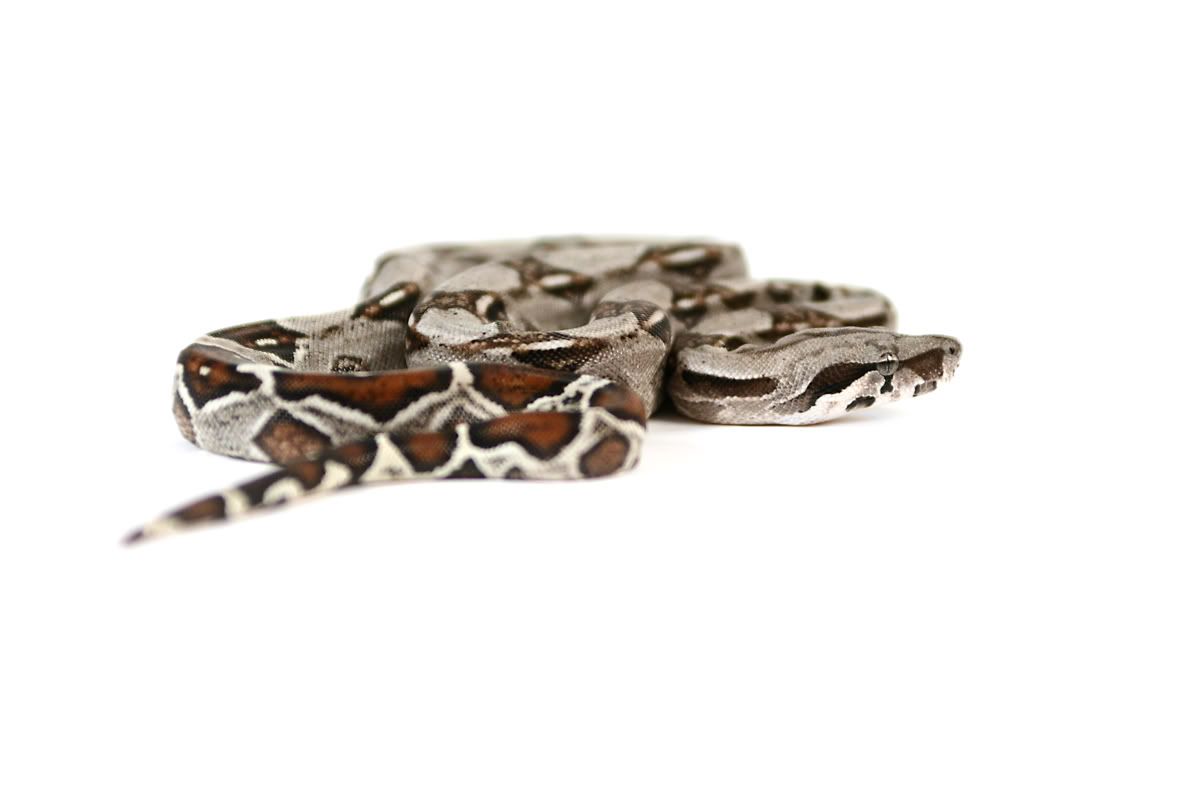
  <description><![CDATA[<div class="rss-post"><p><strong>Original post</strong> by softygirl1993 &mdash; 2007-04-26 01:08:22 GMT</p><p>Hi,<br />
Can you give me a care info on the Cameroon Caecilian?Thats what I am getting.<img class="img-fluid" src="https://forums.kingsnake.com/images/smiles/smile.gif" border="0" alt=""> I am also wanting to get an aquatic please give me a site and care info.<img class="img-fluid" src="https://forums.kingsnake.com/images/smiles/smile.gif" border="0" alt=""> Thanks!</p></div>
<p><a href="https://forums.kingsnake.com/view.php?id=1298580">View full thread on Kingsnake.com</a></p>]]></description>
  <dc:date>2007-04-26T01:08:22+00:00</dc:date>
  <dc:creator>softygirl1993</dc:creator>
</item>
<item rdf:about="https://forums.kingsnake.com/view.php?id=1265553">
  <title>test....</title>
  <link>https://forums.kingsnake.com/view.php?id=1265553</link>
  <description><![CDATA[<div class="rss-post"><p><strong>Original post</strong> by psycodelic &mdash; 2007-03-05 15:24:42 GMT</p><p>sorry<br />
-----<br />
<img class="img-fluid" src="http://i81.photobucket.com/albums/j203/GregReinert/littlesnakepics210.jpg"></p></div>
<p><a href="https://forums.kingsnake.com/view.php?id=1265553">View full thread on Kingsnake.com</a></p>]]></description>
  <dc:date>2007-03-05T15:24:42+00:00</dc:date>
  <dc:creator>psycodelic</dc:creator>
</item>
<item rdf:about="https://forums.kingsnake.com/view.php?id=1238968">
  <title>CT Press: New Caecilian in Goa</title>
  <link>https://forums.kingsnake.com/view.php?id=1238968</link>
  <description><![CDATA[<div class="rss-post"><p><strong>Original post</strong> by  &mdash; 2007-01-22 02:27:09 GMT</p><p>MANGALOREAN.COM (Connecticut) 20 January 07  Udupi professor discovers legless amphibian in Goa<br />
Udupi:  A new species of legless amphibian has been discovered in an orchard of S R Parodkar and R P Kerkar of Goa.<br />
The discovery was made G K Bhat, a zoology professor in Udupi MGM college. The species is commonly known as 'immandehavu' and has been named as Gegeneophis goaensis.<br />
Prof Bhat's research paper on this investigation has been accepted for publication in the reputed journal Zootaxa, New Zealand.<br />
Prof Bhat said a team led by him and K P Dinesh from the Zoological Survey of India, Kozhikode, P Prashanth from Agumbe Rainforest Research Station and Nirmal Kulkarni from Goa had encountered two specimens of this animal in 2004 and the team was in search of more of these to confirm that they are, indeed, a new species.<br />
Their repeated visit to the sites from 2004 to 2006 in rainy season ultimately enabled them to find many more individual specimens last year.<br />
Bhat said that, earlier, the team had discovered two new species — one form Bondla Wildlife Sanctuary, Goa, and another from the surroundings of Kollur Mookambika Wildlife Sanctuary, Karnataka.<br />
They were named Gegneophis nadkarnil and Gegeneophis madhavaorum, respectively.<br />
These amphibians, also known as Caecilians, are the least known of the three kinds of amphibians (the other two are frogs and salamanders) as they are legless, secretive, nocturnal, burrowing, earthworm/snakelike amphibians. These creature are characterised by minute eyes and rings around the body. They are non-poisonous and do not bite humans.<br />
These legless amphibians are one of the bio-indicators of healthy environments. Since amphibians live both in water and on land, they are the first to respond to changes in the environment.<br />
<a href="http://mangalorean.com/news.php?newstype=local&amp;newsid=38282">Udupi professor discovers legless amphibian in Goa</a></p></div>
<p><a href="https://forums.kingsnake.com/view.php?id=1238968">View full thread on Kingsnake.com</a></p>]]></description>
  <dc:date>2007-01-22T02:27:09+00:00</dc:date>
  <dc:creator></dc:creator>
</item>
<item rdf:about="https://forums.kingsnake.com/view.php?id=1190561">
  <title>Costa Rica Caecilians</title>
  <link>https://forums.kingsnake.com/view.php?id=1190561</link>
  <description><![CDATA[<div class="rss-post"><p><strong>Original post</strong> by Fieldnotes &mdash; 2006-11-04 08:12:19 GMT</p><p>Anyone have a common/standard name for these two worms?</p>
<p>Dermophis gracilior<br />
Oscaecilia osae</p></div>
<div class="rss-post"><p><strong>Reply</strong> by shoegazer &mdash; 2006-11-04 18:09:32 GMT</p><p>http://www.gymnophiona.org/database/caecilidae/</p></div>
<p><a href="https://forums.kingsnake.com/view.php?id=1190561">View full thread on Kingsnake.com</a></p>]]></description>
  <dc:date>2006-11-04T18:09:32+00:00</dc:date>
  <dc:creator>Fieldnotes</dc:creator>
</item>
<item rdf:about="https://forums.kingsnake.com/view.php?id=1179477">
  <title>Sick/Hurt Caecilian?</title>
  <link>https://forums.kingsnake.com/view.php?id=1179477</link>
  <description><![CDATA[<div class="rss-post"><p><strong>Original post</strong> by karent999 &mdash; 2006-10-15 17:30:00 GMT</p><p>I apologize in advance….some may find this gross, but my rubber eel’s “butt” is protruding and I need to know what is wrong and if there is anything I can do to help it.  It is acting normal (swimming and eating) and the others eels are fine.  Help!<br />
Thanks!</p></div>
<div class="rss-post"><p><strong>Reply</strong> by Shane_R &mdash; 2006-11-02 01:45:02 GMT</p><p>sorry to hear the bad news</p></div>
<p><a href="https://forums.kingsnake.com/view.php?id=1179477">View full thread on Kingsnake.com</a></p>]]></description>
  <dc:date>2006-11-02T01:45:02+00:00</dc:date>
  <dc:creator>karent999</dc:creator>
</item>
<item rdf:about="https://forums.kingsnake.com/view.php?id=1177584">
  <title>food</title>
  <link>https://forums.kingsnake.com/view.php?id=1177584</link>
  <description><![CDATA[<div class="rss-post"><p><strong>Original post</strong> by smiles05 &mdash; 2006-10-12 00:32:16 GMT</p><p>how often do caecilians eat? and how much do they eat?</p></div>
<p><a href="https://forums.kingsnake.com/view.php?id=1177584">View full thread on Kingsnake.com</a></p>]]></description>
  <dc:date>2006-10-12T00:32:16+00:00</dc:date>
  <dc:creator>smiles05</dc:creator>
</item>
</rdf:RDF>
