<?xml version="1.0" encoding="UTF-8"?>
<rdf:RDF xmlns:dc="http://purl.org/dc/elements/1.1/" xmlns:h="http://www.w3.org/1999/xhtml" xmlns:hr="http://www.w3.org/2000/08/w3c-synd/#" xmlns:rdf="http://www.w3.org/1999/02/22-rdf-syntax-ns#" xmlns="http://purl.org/rss/1.0/">
<channel rdf:about="https://forums.kingsnake.com/rss/?catid=174">
  <title>Kingsnake.com - Herpforum - Books &amp; Literature</title>
  <link>https://forums.kingsnake.com/forum.php?catid=174</link>
  <description><![CDATA[Some people collect reptiles. Some people collect reptile books and magazines. Some do both!

If your a reptile book collector, or your just looking for recommendations on a good basic care guide, this is a good place to start. Here you may share and discuss information with others about your favorite reptile and amphibian books, magazines, journals and other related publications, up and coming new titles, reviews, etc. 
If you are a new user to this forum, please take the time to review the rules first before posting: Terms of Service.]]></description>
  <items>
    <rdf:Seq>
      <rdf:li rdf:resource="https://forums.kingsnake.com/view.php?id=2116192" />
      <rdf:li rdf:resource="https://forums.kingsnake.com/view.php?id=2116014" />
      <rdf:li rdf:resource="https://forums.kingsnake.com/view.php?id=2115842" />
      <rdf:li rdf:resource="https://forums.kingsnake.com/view.php?id=2114901" />
      <rdf:li rdf:resource="https://forums.kingsnake.com/view.php?id=2113310" />
      <rdf:li rdf:resource="https://forums.kingsnake.com/view.php?id=2021391" />
      <rdf:li rdf:resource="https://forums.kingsnake.com/view.php?id=2014856" />
      <rdf:li rdf:resource="https://forums.kingsnake.com/view.php?id=2014465" />
      <rdf:li rdf:resource="https://forums.kingsnake.com/view.php?id=2010497" />
      <rdf:li rdf:resource="https://forums.kingsnake.com/view.php?id=2005291" />
      <rdf:li rdf:resource="https://forums.kingsnake.com/view.php?id=2002809" />
      <rdf:li rdf:resource="https://forums.kingsnake.com/view.php?id=2000360" />
      <rdf:li rdf:resource="https://forums.kingsnake.com/view.php?id=1999813" />
      <rdf:li rdf:resource="https://forums.kingsnake.com/view.php?id=1986189" />
      <rdf:li rdf:resource="https://forums.kingsnake.com/view.php?id=1970789" />
      <rdf:li rdf:resource="https://forums.kingsnake.com/view.php?id=1970788" />
      <rdf:li rdf:resource="https://forums.kingsnake.com/view.php?id=1927366" />
      <rdf:li rdf:resource="https://forums.kingsnake.com/view.php?id=1922509" />
      <rdf:li rdf:resource="https://forums.kingsnake.com/view.php?id=1899608" />
      <rdf:li rdf:resource="https://forums.kingsnake.com/view.php?id=1895979" />
    </rdf:Seq>
  </items>
</channel>

<item rdf:about="https://forums.kingsnake.com/view.php?id=2116192">
  <title>Fuel Switching during Ball Python eating</title>
  <link>https://forums.kingsnake.com/view.php?id=2116192</link>
  <description><![CDATA[<div class="rss-post"><p><strong>Original post</strong> by KingsnakeJon &mdash; 2025-12-22 20:15:56 GMT</p><p>What are your thoughts on this article about fuel switching?</p>
<p>Scientists infused prey items with isotopes they could track to find out where the energy used during digestion of a meal comes from.</p>
<p>The data showed that the initial energy used to digest a meal is provided from the snake’s energy stores for a period of several hours. At a certain point during digestion, fuel switching occurs and the rest of the process is completed using energy consumed from the meal itself.<br />
<a href="https://journals.biologists.com/jeb/article/213/8/1266/10176/Fuel-switching-and-energy-partitioning-during-the">Link</a></p></div>
<p><a href="https://forums.kingsnake.com/view.php?id=2116192">View full thread on Kingsnake.com</a></p>]]></description>
  <dc:date>2025-12-22T20:15:56+00:00</dc:date>
  <dc:creator>KingsnakeJon</dc:creator>
</item>
<item rdf:about="https://forums.kingsnake.com/view.php?id=2116014">
  <title>Miami Serpentarium Memorabilia</title>
  <link>https://forums.kingsnake.com/view.php?id=2116014</link>
  <description><![CDATA[<div class="rss-post"><p><strong>Original post</strong> by Blakeh &mdash; 2024-01-08 15:28:56 GMT</p><p>I used to work at the Miami Serpentarium. Upon the closing of the business I acquired a venom pricelist dated July 1, 1973 and a flyer for the closing auction. I am selling the two of them together. Both are in good condition. I will send pictures upon request. Asking: $100 for the two of them. Thanks!</p></div>
<p><a href="https://forums.kingsnake.com/view.php?id=2116014">View full thread on Kingsnake.com</a></p>]]></description>
  <dc:date>2024-01-08T15:28:56+00:00</dc:date>
  <dc:creator>Blakeh</dc:creator>
</item>
<item rdf:about="https://forums.kingsnake.com/view.php?id=2115842">
  <title>Literature Recommendations</title>
  <link>https://forums.kingsnake.com/view.php?id=2115842</link>
  <description><![CDATA[<div class="rss-post"><p><strong>Original post</strong> by Pookie517 &mdash; 2020-09-17 09:47:17 GMT</p><p>Hello,<br />
As the title states, im looking for literature recommendations on Herpetology, Herp Keeping, Husbandry, etc... <br />
I figured I would ask here to see if there were any experienced keepers that found particular books useful. I did do a google search and I got a lot of field guides and books for children.</p>
<p>Thank you for your time.</p></div>
<p><a href="https://forums.kingsnake.com/view.php?id=2115842">View full thread on Kingsnake.com</a></p>]]></description>
  <dc:date>2020-09-17T09:47:17+00:00</dc:date>
  <dc:creator>Pookie517</dc:creator>
</item>
<item rdf:about="https://forums.kingsnake.com/view.php?id=2114901">
  <title>What are you afraid most of all?</title>
  <link>https://forums.kingsnake.com/view.php?id=2114901</link>
  <description><![CDATA[<div class="rss-post"><p><strong>Original post</strong> by Biligher &mdash; 2019-03-12 10:50:22 GMT</p><p>I'm afraid of snakes and smoking addiction.</p></div>
<p><a href="https://forums.kingsnake.com/view.php?id=2114901">View full thread on Kingsnake.com</a></p>]]></description>
  <dc:date>2019-03-12T10:50:22+00:00</dc:date>
  <dc:creator>Biligher</dc:creator>
</item>
<item rdf:about="https://forums.kingsnake.com/view.php?id=2113310">
  <title>reptiles magazine receipt</title>
  <link>https://forums.kingsnake.com/view.php?id=2113310</link>
  <description><![CDATA[<div class="rss-post"><p><strong>Original post</strong> by radiata &mdash; 2018-06-14 18:52:01 GMT</p><p>I am a long term subscriber/contributor to Reptiles (since it started).  Earlier I noticed I had not received any of the 2018 issues.  My script label from N/D 2017 says "M/A 19" which I assume means I have quite a few issues to go.  Called subscript people twice.  One said they would extend my subscription other said they would give me access to online version.  Never got access.  Won't know about other until Aug. <br />
I also tried e-mail via submissions area of website and tried Lumina (as suggested by phone people for back issues.)  Does anyone know/have a clue what is going on there?  Is mag still being published or beaten out by "Practical Reptile Keeping?"  Did my address info not get switched over to new publisher (whoever it is this week?)  I even thought of resubscribing just to get mag, but when I try this online, the page I get says thy can't handle my request---try back later.  So I guess I can't even do that. My estimation of their professionalism has dropped to nearly zero in the last few months.  I no longer can even find someone associated with magazine that I can ask for help <br />
Help, Help!<br />
Al Winstel  /:<br />
retired park naturalist, appreciator of Bill Love and Dick Bartlett, and tree boa lover<br />
Cincinnati, Ohio<br />
June 14, 2018</p></div>
<div class="rss-post"><p><strong>Reply</strong> by WalshPlus &mdash; 2018-10-17 20:02:32 GMT</p><p>Hello, Al!</p>
<p>Were they able to resolve things by now?</p></div>
<p><a href="https://forums.kingsnake.com/view.php?id=2113310">View full thread on Kingsnake.com</a></p>]]></description>
  <dc:date>2018-10-17T20:02:32+00:00</dc:date>
  <dc:creator>radiata</dc:creator>
</item>
<item rdf:about="https://forums.kingsnake.com/view.php?id=2021391">
  <title>some mysterious clues from reptile world</title>
  <link>https://forums.kingsnake.com/view.php?id=2021391</link>
  <description><![CDATA[<div class="rss-post"><p><strong>Original post</strong> by surgeongirl11 &mdash; 2014-02-07 18:31:11 GMT</p><p>&quot;Some species, such as some snails, practice sex change: adults start out male, then become female (See also sex reversal). In tropical clown fish, the dominant individual in a group becomes female while the other ones are male, and bluehead wrasses (Thalassoma bifasciatum) are the reverse. In the marine worm (Bonellia viridis), larvae become males if they make physical contact with a female, and females if they end up on the bare sea floor. This is triggered by the presence of a chemical produced by the females, bonellin. Some species, however, have no sex-determination system. Hermaphrodites include the common earthworm and certain species of snails. A few species of fish, reptiles, and insects reproduce by parthenogenesis and are female altogether. There are some reptiles, such as the boa constrictor and komodo dragon that can reproduce sexually and asexually, depending if a mate is available&quot;(ref –man is the extension of woman)The main hypothesis discussed in this book is that, if a woman lives long enough she will be converted into a man physically. A similar thing can also be stated about man. It is wrong to categorize humankind into two genders as it implicates that they are extremely dissimilar and physically opposite to each other. Man and woman are just two different stages of one developmental process. And physically they are very similar. The ideas presented may sound unconventional but Dr. Fulzele implores readers to consider his point of view with an open mind. “Your world will not change if you do not agree with me. But if you agree with me, how does it change your world? If more people agree with you and me, how does it change our world? The possibilities are limitless.”</p></div>
<p><a href="https://forums.kingsnake.com/view.php?id=2021391">View full thread on Kingsnake.com</a></p>]]></description>
  <dc:date>2014-02-07T18:31:11+00:00</dc:date>
  <dc:creator>surgeongirl11</dc:creator>
</item>
<item rdf:about="https://forums.kingsnake.com/view.php?id=2014856">
  <title>Modern Business Practice Guide</title>
  <link>https://forums.kingsnake.com/view.php?id=2014856</link>
  <description><![CDATA[<div class="rss-post"><p><strong>Original post</strong> by renren27 &mdash; 2013-08-09 14:45:39 GMT</p><p>An excellent guide for business owners. Keeping up to date with the current trend of modern business practice is essential for better business management. Contains new innovative ideas that can help formulate successful strategy for any business.<br />
<a href="http://www.amazon.com/MBA-2-0-Handbook-Business-Practice/dp/1490922903/?tag=vglnk-c1001-20#reader_1490922903">MBA 2.0: Handbook for Modern Business Practice</a></p></div>
<p><a href="https://forums.kingsnake.com/view.php?id=2014856">View full thread on Kingsnake.com</a></p>]]></description>
  <dc:date>2013-08-09T14:45:39+00:00</dc:date>
  <dc:creator>renren27</dc:creator>
</item>
<item rdf:about="https://forums.kingsnake.com/view.php?id=2014465">
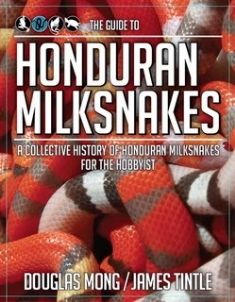
  <title>Honduran Milksnake book preview</title>
  <link>https://forums.kingsnake.com/view.php?id=2014465</link>
  <description><![CDATA[<div class="rss-post"><p><strong>Original post</strong> by DMong &mdash; 2013-08-05 17:13:46 GMT</p><p>Look for our brand new  Honduran Milksnake book making its public debut at the Daytona Expo (NRBE). This will literally set the bar for many years to come for the Milksnake (triangulum) hobby. Here's just a small preview of what's inside........<br />
<a href="https://www.facebook.com/media/set/?set=a.418772334910789.1073741825.267218673399490&amp;type=1">Honduran Milksnake book preview</a></p>
<p>-----<br />
<b>&quot;a snake in the grass is a GOOD thing&quot; </b>   <img class="img-fluid" src="https://forums.kingsnake.com/images/smiles/wink.gif" border="0" alt=""><br />
<img class="img-fluid" src="http://i212.photobucket.com/albums/cc140/DMong_bucket/purplewide.jpg"><img class="img-fluid" src="http://i212.photobucket.com/albums/cc140/DMong_bucket/bd339885-3a72-4242-814e-10eb598b4bc7_zpsc553dc58.jpg"><br />
<a href="http://serpentinespecialties.webs.com/index.htm" target="_blank">serpentinespecialties.webs.com/index.htm</a></p></div>
<p><a href="https://forums.kingsnake.com/view.php?id=2014465">View full thread on Kingsnake.com</a></p>]]></description>
  <dc:date>2013-08-05T17:13:46+00:00</dc:date>
  <dc:creator>DMong</dc:creator>
</item>
<item rdf:about="https://forums.kingsnake.com/view.php?id=2010497">
  <title>An educational children&apos;s book project</title>
  <link>https://forums.kingsnake.com/view.php?id=2010497</link>
  <description><![CDATA[<div class="rss-post"><p><strong>Original post</strong> by collaredkeeper &mdash; 2013-05-20 18:58:21 GMT</p><p>Hello Herpers,</p>
<p>My name is Anthony Pine and I wanted to share with you a children's book project for a great cause that needs your support! I have been a proud member of kingsnake.com since raising some of my own reptiles as a kid and wanted to say that those times were the inspiration behind everything I do now.</p>
<p>&quot;A Crocodile Named Tom&quot; is an educational children's book that will be part of modern conservation efforts carried out by a 501(c)3 charitable nonprofit called The Tomistoma Fund. Our nonprofit is focused on the research and conservation of an endangered species of crocodile called the Tomistoma (Tomistoma schlegelii). The book will be given, free of charge, to children at locations we conduct field efforts and will play a key role in boosting awareness for the species and their conservation. The children's book tells a story of a small crocodile, named Tom, who becomes lost and has to find his way back home. On his way home, he encounters many challenges, meets new friends, and learns some important lessons that help readers relate to the current conservation concerns for the species. The storybook has some pretty amazing illustrations on all 43 of its pages and is planned to be released in July of this year.</p>
<p>For more detailed information about our storybook, please visit our kickstarter campaign by <a href="http://www.kickstarter.com/projects/tomistomafund/a-crocodile-named-tom-a-childrens-book-for-conserv" target="_blank">clicking here</a>.  You can find more information about The Tomistoma Fund at our website at <a href="www.tomistomafund.org" target="_blank">www.tomistomafund.org</a> or our facebook page at <a href="www.facebook.com/tomistomafund" target="_blank">www.facebook.com/tomistomafund</a>.</p>
<p>Any help and assistance in sharing our cause and our book project would be huge in helping ensure the book helps make a difference in our world.</p>
<p>Thanks for the help,<br />
Anthony Pine<br />
President - The Tomistoma Fund<br />
www.tomistomafund.org<br />
<img class="img-fluid" src="https://fbcdn-sphotos-b-a.akamaihd.net/hphotos-ak-ash4/262445_337309649705391_2144339572_n.jpg" alt="Click here to print and share our pamphlet!"><br />
<a href="http://www.tomistomafund.org/Pamphlet.pdf">Click here to print and share our pamphlet!</a></p>
<p>-----<br />
<marquee>Collaredkeeper</marquee><br />
-If You Don't Have A Penny, A Half Penny Will Do-</p></div>
<p><a href="https://forums.kingsnake.com/view.php?id=2010497">View full thread on Kingsnake.com</a></p>]]></description>
  <dc:date>2013-05-20T18:58:21+00:00</dc:date>
  <dc:creator>collaredkeeper</dc:creator>
</item>
<item rdf:about="https://forums.kingsnake.com/view.php?id=2005291">
  <title>Color Polymorphism Research</title>
  <link>https://forums.kingsnake.com/view.php?id=2005291</link>
  <description><![CDATA[<div class="rss-post"><p><strong>Original post</strong> by banditcuster &mdash; 2013-02-09 14:07:59 GMT</p><p>Hello and good morning,</p>
<p>I am currently taking a Herp class in college. We get to do a research paper through out the semester on a topic of our choice. As the subject suggests my topic of choice is Color Polymorphism, emphizing(sp?) snakes.</p>
<p>I have found many little papers dealing with wild specimens (mottled rock rattlers and garter snakes mostly), but was wondering if anyone could point me to any information about some of the captive species such as ball pythons or corn snakes that have different color morphs.</p>
<p>Or if breeders or someone would let me pick your brain on these snakes to tie in with my paper.</p>
<p>Thank,<br />
~Bandit~</p></div>
<div class="rss-post"><p><strong>Reply</strong> by KelseyJohnson &mdash; 2018-06-27 07:43:46 GMT</p><p>Hello,</p>
<p><a href="https://www.howtoremoveit.info/browser-hijacker">Browser hijacker</a></p></div>
<div class="rss-post"><p><strong>Reply</strong> by AliceJonah &mdash; 2017-10-04 06:02:10 GMT</p><p>I have found various little papers overseeing wild cases (mottled shake rattlers and lash twists generally), however was pondering whether anyone could guide me toward any information about a segment of the prisoner species, for instance, ball pythons or corn winds that have assorted shading changes.<br />
<a href="http://www.intellectsquare.com/seo-service-san-diego">San Diego SEO Services</a></p></div>
<div class="rss-post"><p><strong>Reply</strong> by emysbreeder &mdash; 2013-03-10 07:07:53 GMT</p><p>Anything by Bill and Kathy Love for corns. Just follow the Python forum guy's. Bob Clark, N.E.R.D many more founding Father's of morphism in snakes. VM</p></div>
<p><a href="https://forums.kingsnake.com/view.php?id=2005291">View full thread on Kingsnake.com</a></p>]]></description>
  <dc:date>2018-06-27T07:43:46+00:00</dc:date>
  <dc:creator>banditcuster</dc:creator>
</item>
<item rdf:about="https://forums.kingsnake.com/view.php?id=2002809">
  <title>Translation of papers for research proj.</title>
  <link>https://forums.kingsnake.com/view.php?id=2002809</link>
  <description><![CDATA[<div class="rss-post"><p><strong>Original post</strong> by bodb &mdash; 2012-12-13 20:40:31 GMT</p><p>Hi,</p>
<p>I am in my 3rd and final year of a Zoology degree, and am currently conducting my honours research project on European vipers, part of which entails a literature review on the diet and distribution of the snakes.</p>
<p>I have found several key papers that hold some information which will be very useful for my research - the only problem is, they are in French, German and Italian (none of which I speak)!</p>
<p>So, I am wondering if there is anyone out there that can speak any of these languages and might be able to help me translate the papers! Unfortunately I don't have the means to reimburse you for your efforts, and some of the papers are quite long so it may be a somewhat arduous task for you... but it would be GREATLY appreciated!!</p>
<p>If you think you could help and are willing to donate your time and effort, please get in touch and I'll give you a bit more detail on my project etc.</p>
<p>Thanks and hope to hear from you soon!<br />
Bianca</p></div>
<p><a href="https://forums.kingsnake.com/view.php?id=2002809">View full thread on Kingsnake.com</a></p>]]></description>
  <dc:date>2012-12-13T20:40:31+00:00</dc:date>
  <dc:creator>bodb</dc:creator>
</item>
<item rdf:about="https://forums.kingsnake.com/view.php?id=2000360">
  <title>herp related books and info please</title>
  <link>https://forums.kingsnake.com/view.php?id=2000360</link>
  <description><![CDATA[<div class="rss-post"><p><strong>Original post</strong> by 05kas05 &mdash; 2012-10-29 01:17:10 GMT</p><p>i have been interested in reptiles for along time but never really studied them.now im looking to get more in depth and really start studying and learning about the reptiles i own and the ones in my area. im 35 now so its probably too late to make a career out of it but at least i can make it a serious hobby. so on that note does anyone have any good recommendations on books or any other reading material on reptiles and amphibians. i am mainly interested in the texas and new mexico area because i live in texas and have relatives who stay in n.m. but im open to any and all books or other material related to herps in general.<br />
thank you for any and all recommendations</p></div>
<div class="rss-post"><p><strong>Reply</strong> by AliceJonah &mdash; 2017-10-04 05:59:10 GMT</p><p>I have been excited about reptiles for along time yet never really pondered them.now im wanting to get more all around and genuinely start considering and getting some answers concerning the reptiles I have and the ones in my general region. im 35 now so its in all likelihood past the point where it is conceivable to impact a calling to out of it however at any rate I can make it a real recreation movement.<br />
<a href="http://www.paperdome.co.uk/">PaperDome.co.uk</a></p></div>
<p><a href="https://forums.kingsnake.com/view.php?id=2000360">View full thread on Kingsnake.com</a></p>]]></description>
  <dc:date>2017-10-04T05:59:10+00:00</dc:date>
  <dc:creator>05kas05</dc:creator>
</item>
<item rdf:about="https://forums.kingsnake.com/view.php?id=1999813">
  <title>new Australian herp series</title>
  <link>https://forums.kingsnake.com/view.php?id=1999813</link>
  <description><![CDATA[<div class="rss-post"><p><strong>Original post</strong> by eipper &mdash; 2012-10-19 22:33:14 GMT</p><p>Hi all,</p>
<p>I am pleased to announce that the reptile book series that Scott Eipper, Danny Brown and Adam Elliott have been working on for what seems like an eternity are finally to be released in the next month, with the official public release at the Reptile Expo in Ipswich.</p>
<p><img class="img-fluid" src="http://i102.photobucket.com/albums/m94/geckodanweb/bookbig.jpg"></p>
<p>Scott's books include:A GUIDE TO AUSTRALIAN SNAKES IN CAPTIVITY—ELAPIDS AND COLUBRIDS This full colour, 280 page book provides detailed information on all aspects of captive husbandry relating to the most commonly kept species of Australian Elapid and Colubrid snakes. Over 500 full colour images support General Management information including understanding the different snake families, pet qualities, selection, handling, social behaviour, characteristics and habits, Handling including equipment and methods, transportation, Housing including indoor and outdoor types of enclosures, temperature and thermoregulation, lighting, ventilation, humidity, substrates, water requirements, Feeding including nutrition and food types, Breeding including sexing, cues, methods, mating and courtship, care of gravid females, egg-laying and birth, incubation and neonate care.</p>
<p>An essential overview of Health and Diseases is presented by Dr Robert Johnson BVSc MACVSc (Feline Medicine) CertZooMed BA Grad Dip Asian Studies CMAVA, and includes a glossary of health terms.</p>
<p>Individual species chapters profile the colubrids—the Brown Tree, Common Tree and Slaty Grey Snakes and the Keelback. The larger elapid family includes death adders, copperheads, the Australian Coral Snake, the crowned, small-eyed and whip groups, the DeVis’ Banded, White-lipped, Bardick, Red-naped, Orange-naped, Brown-headed, Swamp and Tiger Snakes, the broad-headed group, the taipans, the hooded and large black snake group, the Red-bellied Black Snake, the large and small brown groups, the Curl and Rough-scaled Snakes and the Bandy Bandy, as well as the sole member of the Homalopsid family, the Macleay’s Water Snake. Within each species chapter information is presented on Description, In the Wild, Captive Housing, Diet, Breeding, Longevity, Ease of Keeping, Venom and Bite, Availability and includes a distribution map.</p>
<p>The book is completed with a Glossary, References, Australian Herpetological Societies and Wildlife Licensing Authorities and First Aid.</p>
<p>A GUIDE TO AUSTRALIAN FROGS IN CAPTIVITY <br />
This full colour, 152 page book provides detailed information on all aspects of captive husbandry relating to the most commonly kept species of Australian frogs. Over 220 full colour images support General Management information including pet qualities, social behaviour and habits, selection, handling, transportation, Housing including indoor and outdoor set-ups, types of enclosures, thermoregulation and heating, lighting, humidity, substrates, water requirements, Feeding including nutrition and live prey, Breeding including cues and stimulus, breeding cycles and tadpole requirements.<br />
An essential overview of Health and Diseases is presented by Dr Robert Johnson BVSc MACVSc (Feline Medicine) CertZooMed BA Grad Dip Asian Studies CMAVA, and includes a glossary of health terms.<br />
Individual species chapters profile 22 species in the Hylidae family of tree frogs—the Eastern Snapping, Water-holding, Green and Gold Bell, Green Tree, Red-eyed Green Tree, Blue Mountains Tree, Brown Tree, Dwarf Tree, Dainty Tree, Giant Tree, Leseur’s, Motorbike, Narrow-fringed, Peron’s, Green Stream, Southern Bell, Roth’s Tree, Red Tree, Magnificent Tree, Whistling Tree, Stoney Creek and Orange-thighed Frogs. The five species in the Limnodynastidae family of marsh frogs covered include the Giant Burrowing, Eastern Banjo, Striped Marsh, Spotted Marsh and Holy Cross Frogs and the five species in the Myobatrachidae family of ground frogs featured include the Common Froglet, the Great Barred, Giant Barred, the Red-crowned and the Southern Toadlets.Within each species chapter, information is presented on Description, In the Wild, Housing, Diet, Breeding, Ease of Keeping, and Availability and includes a distribution map. <br />
The book is completed with a Glossary, References, Australian Herpetological Societies and Wildlife Licensing contacts.</p>
<p>Danny's contribution is five books, four of which will be released immediately and the 'Bible&quot; (“A Guide to Australian Lizards in Captivity”) that is completed and will be released next year</p>
<p>A Guide to Australian Lizards in Captivity” DUE OUT 2013<br />
This full colour, 963 page book by Dr Danny Brown provides the most comprehensive and detailed account of Australian Lizards species with information on all aspects of captive husbandry relating to all species of Australian Lizards that may be maintained in captivity. This includes individual chapters on Bynoe’s and Desert cave Geckoes, Dtellas and House Geckos, Chameleon Geckos, Giant Cave and Giant Tree Geckos, Knob-Tailed Geckos, Leaf-Tailed geckos, Spiny-Tailed Geckos, Ring-Tailed Geckos, Small Terrestrial geckos, Thick-Tailed Geckos, Velvet Geckos and the Pygopods including Delma’s, Scaly-Foots and Burtons Legless Lizards, Blue-Tongued and Shingleback Skinks, Burrowing Skinks, Crevice Skinks and their Allies, Forest and Water Skinks, Prickly Forest and Nangur Skinks, Rainbow Skinks, Sand Swimmers, Slender Blue-Tongue Skinks, Pink-Tongued Skinks, Small Terrestrial Skinks, Striped Skinks, Bearded Dragons, Crevice and Rock Dragons, Two-Lined Dragons, Earless dragons, Heath Dragons, Frilled Dragons, Large Arboreal Dragons, Rainforest dragons, Sand Dragons, Small arboreal Dragons, Thorny Devils, Water Dragons, , Large Terrestrial and Arboreal Monitors, Rock Monitors, Rainforest Monitors, Small Terrestrial Monitors, Small and Medium Arboreal Monitors and Water Monitors.<br />
The book is littered with the largest collection of reptile images ever presented with over 3000 images from some of Australia’s finest reptile photographers, many unique to this book and many showing species never before illustrated, undescribed species and unobserved behaviours. These full colour images show all aspects of sexing, housing, breeding as well as the general appearance of the species within each chapter including dozens of morphotypes of visually variable species.<br />
Whilst this title is a compilation of a proportion of the information in the four individual titles on Dragons, Skinks, Monitors, and Geckos and Pygopods it includes an additional four chapters, more extensive information on natural history, taxonomy and husbandry techniques and over 3000 images, almost twice the unique images of all the individual books combined.<br />
The Book begins with a 100 page section on General husbandry that covers Stock Selection, Handling and Hygiene, Transportation, Purchase Etiquette, Security and Safety, Quarantine, Indoor and Outdoor Enclosure Options, Enclosure size, Compatibility, Ventilation, Substrate choices, Hide sites, Enclosure Enrichment, Heating, Lighting, Thermostats, Invertebrate and Vertebrate food items, Artificial diets, Culturing Insect foods, Dietary Supplements and Dealing with Feeding problems.<br />
This is followed with 60 pages on breeding that includes Visual sexing techniques, other Sexing techniques including some revolutionary new methods, Courtship and Mating, Cooling and Separation, Reproductive Strategies, Caring for gravid females, Nest facilities, Egg Management, Artificial Incubation facilities and regimes, Temperature Dependent Sex Determination and Hatchling care. The final section in the Husbandry chapters is a comprehensive 40 page guide to common Diseases and Disorders of Australian Lizards such as Nutritional, Parasitic, Skin, Nail, Eye, Respiratory, Traumatic, Reproductive and Oral disorders. This is completed with a guide to Administration of Medications and Making the most of your Reptile Veterinarian. Within each of the 39 Genus/Species chapters, information is presented on Pronunciation, Descriptions, Sexing, Subspecies, Distribution, Habitat, Captive status, Indoor and Outdoor Housing, Compatibility, Feeding, Breeding methods, Incubation, Colour variants and Hybrids. Much of this information is published here for the first time. The book is completed with chapters on Herpetological Societies, Websites, an extensive Bibliography and a Glossary of common reptile words and phrases. My small book series includes:</p>
<p>A Guide to Australian Dragons in Captivity”This full colour, 296 page book, with over 450 images, by Dr Danny Brown provides detailed information on all aspects of captive husbandry relating to the most commonly kept species of Australian Dragon Lizards including Bearded Dragons, Crevice and Rock Dragons, Two-Lined Dragons, Earless dragons, Heath Dragons, Frilled Dragons, Large Arboreal Dragons, Rainforest dragons, Sand Dragons, Small arboreal Dragons and Water Dragons.</p>
<p>A Guide to Australian Geckos and Pygopods in Captivity”This full colour, 352 page book ,with over 600 images, by Dr Danny Brown provides detailed information on all aspects of captive husbandry relating to the most commonly kept species of Australian Gecko and Pygopod species including Bynoe’s and Desert cave Geckoes, Dtellas and House Geckos, Giant Cave and Giant Tree Geckos, Knob-Tailed Geckos, Leaf-Tailed geckos, Spiny-Tailed Geckos, Ring-Tailed Geckos, Small Terrestrial geckos, Thick-Tailed Geckos, Velvet Geckos and the Pygopods including Delma’s, Scaly-Foots and Burtons Legless Lizards.</p>
<p>A Guide to Australian Skinks in Captivity This full colour, 360 page book ,with over 500 images, by Dr Danny Brown provides detailed information on all aspects of captive husbandry relating to the most commonly kept species of Australian Skink species including Blue-Tongued and Shingleback Skinks, Burrowing Skinks, Crevice Skinks and their Allies, Forest and Water Skinks, Prickly Forest Skinks, Rainbow Skinks, Sand Swimmers, Slender Blue-Tongue Skinks, Pink-Tongued Skinks, Small Terrestrial Skinks and Striped Skinks.</p>
<p>A Guide to Australian Monitors in Captivity This full colour, 264 page book, with over 400 images, by Dr Danny Brown provides detailed information on all aspects of captive husbandry relating to the most commonly kept species of Australian Monitor species including Large Terrestrial and Arboreal Monitors, Rock Monitors, Small Terrestrial Monitors, Small and Medium Arboreal Monitors and Water Monitors.</p>
<p>These books are littered with full colour images showing all aspects of sexing, housing, breeding and general appearance of the species within each chapter using images from some of Australia’s finest reptile photographers, most unique to this book series. The Books begin with a section on General husbandry that covers Stock Selection, Handling and Hygiene, Transportation, Purchase Etiquette, Security and Safety, Quarantine, Indoor and Outdoor Enclosure Options, Enclosure size, Compatibility, Ventilation, Substrate choices, Hide sites, Enclosure Enrichment, Heating, Lighting, Thermostats, Invertebrate and Vertebrate food items, Artificial diets, Culturing Insect foods, Dietary Supplements and Dealing with Feeding problems. This is followed with a section on breeding that includes Visual sexing techniques, other Sexing techniques including some revolutionary new methods, Courtship and Mating, Cooling and Separation, Reproductive Strategies, Caring for gravid females, Nest facilities, Egg Management, Artificial Incubation facilities and regimes, Temperature Dependent Sex Determination and Hatchling care. The final section in the Husbandry chapters is a comprehensive guide to common Diseases and Disorders of Dragons such as Nutritional, Parasitic, Skin, Nail, Eye, Respiratory, Traumatic, Reproductive and Oral disorders. This is completed with a guide to Administration of Medications and Making the most of your Reptile Veterinarian. Within each chapter, information is presented on Pronunciation, Descriptions, Sexing, Subspecies, Distribution, Habitat, Captive status, Indoor and Outdoor Housing, Compatibility, Feeding, Breeding methods, Incubation, Colour variants and Hybrids. The books are completed with chapters on Herpetological Societies, Websites, an extensive Bibliography and a Glossary of common reptile words and phrases.</p>
<p>Adam’s book includes:</p>
<p>A GUIDE TO AUSTRALIAN TURTLES IN CAPTIVITY</p>
<p>This full colour, 192 page book provides detailed information on all aspects of captive husbandry relating to the most commonly kept species of Australian turtles.</p>
<p>Over 300 full colour images support General Husbandry information including pet qualities, handling methods, Housing including indoor and outdoor set-ups, water requirements, heating and lighting, Feeding and Breeding, including Artificial Incubation.</p>
<p>An essential overview of Health and Diseases is presented by Dr Robert Johnson BVSc MACVSc (Feline Medicine) CertZooMed BA Grad Dip Asian Studies CMAVA.</p>
<p>Individual species chapters profile 31 species—the Eastern Long-necked, Rankin’s, Cann’s, Steindachner’s, Oblong, Northern Long-necked, Arnhem Land Long-necked, Broad-shelled, Macquarie River, Brisbane River, Clarence River, Emmott’s, Fraser Island Short-necked, Hunter River, Krefft’s, Macleay River, Sydney Basin, North-western Red-faced, Victoria River, Northern Yellow-faced, Jardine River, Worrell’s, Southern Snapping, Northern Snapping, Irwin’s, Bell’s, Saw-shelled, Southern Saw-shelled or Dorse’s, Fitzroy River, Mary River and Pig-nosed Turtles.</p>
<p>Within each species chapter, information is presented on Description, In the Wild, Housing, Diet, Breeding, Ease of Keeping, and Availability and Distribution Maps.</p>
<p>The book is completed with a Glossary, Herpetological Societies, Wildlife Societies and References.</p>
<p>Please direct any enquiries directly to me at Scott_eipper@hotmail.com</p></div>
<p><a href="https://forums.kingsnake.com/view.php?id=1999813">View full thread on Kingsnake.com</a></p>]]></description>
  <dc:date>2012-10-19T22:33:14+00:00</dc:date>
  <dc:creator>eipper</dc:creator>
</item>
<item rdf:about="https://forums.kingsnake.com/view.php?id=1986189">
  <title>New book released</title>
  <link>https://forums.kingsnake.com/view.php?id=1986189</link>
  <description><![CDATA[<div class="rss-post"><p><strong>Original post</strong> by zookrewe &mdash; 2012-06-22 16:41:40 GMT</p><p><u>Keeping Reptiles and Amphibians in the Classroom</u> is the perfect resource to use before attempting to keep these animals in your classroom. It is targeted mainly to teachers who keep or plan on keeping herps in their classroom.  It will make your experience easier by answering many questions, including:<br />
• Why keep reptiles?<br />
• What species are the best to keep at school?<br />
• What kind of cages do I need?<br />
• How do I secure the cages?<br />
• How safe are they?<br />
• Now that I have them, what do I do with them?<br />
These are just some of the questions that will be answered in this book. It will even cover sources of information for captive care, health, and reptile laws. It only touches on the basics of these topics as they pertain to the teacher, and makes reference to other sources for up-to-date information.  Available now at <a href="http://www.classroomherps.com" target="_blank">www.classroomherps.com</a>.  Email Mike Monlezun for more information about this book. <a href="mailto:zookrewe@gmail.com">zookrewe@gmail.com</a><br />
<img class="img-fluid" src="http://gallery.kingsnake.com/data/19355kingsnake.jpg"></p>
<p><a href="http://www.classroomherps.com">Keeping Reptiles and Amphibians in the Classroom</a></p></div>
<div class="rss-post"><p><strong>Reply</strong> by zookrewe &mdash; 2012-06-22 16:55:53 GMT</p><p>Here is the cover for the book.<br />
<img class="img-fluid" src="http://gallery.kingsnake.com/data/19355modified-cover-front-kingsnake-med.jpg"></p>
<p><a href="http://www.classroomherps.com">Keeping Reptiles and Amphibians in the Classroom</a></p></div>
<p><a href="https://forums.kingsnake.com/view.php?id=1986189">View full thread on Kingsnake.com</a></p>]]></description>
  <dc:date>2012-06-22T16:55:53+00:00</dc:date>
  <dc:creator>zookrewe</dc:creator>
</item>
<item rdf:about="https://forums.kingsnake.com/view.php?id=1970789">
  <title>misfortunes</title>
  <link>https://forums.kingsnake.com/view.php?id=1970789</link>
  <description><![CDATA[<div class="rss-post"><p><strong>Original post</strong> by zookrewe &mdash; 2012-03-07 15:00:28 GMT</p><p>I would like to hear from anyone who has had any misfortunes with the captive husbandry of their herps.  The things I would really like to hear about are things that went wrong that could have been prevented.<br />
<img class="img-fluid" src="http://gallery.kingsnake.com/data/19355garterboth.jpg"></p></div>
<p><a href="https://forums.kingsnake.com/view.php?id=1970789">View full thread on Kingsnake.com</a></p>]]></description>
  <dc:date>2012-03-07T15:00:28+00:00</dc:date>
  <dc:creator>zookrewe</dc:creator>
</item>
<item rdf:about="https://forums.kingsnake.com/view.php?id=1970788">
  <title>misfortunes</title>
  <link>https://forums.kingsnake.com/view.php?id=1970788</link>
  <description><![CDATA[<div class="rss-post"><p><strong>Original post</strong> by zookrewe &mdash; 2012-03-07 14:57:33 GMT</p><p>I would like to hear from anyone who has had any misfortunes with the captive husbandry of their herps.  The things I would really like to hear about are things that went wrong that could have been prevented.<br />
<img class="img-fluid" src="http://gallery.kingsnake.com/data/19355garterboth.jpg"></p></div>
<div class="rss-post"><p><strong>Reply</strong> by emysbreeder &mdash; 2012-06-10 02:22:35 GMT</p><p>Well it turned out I know this guy and he's on the up and up. A teacher with good intentions.  Vic Morgan</p></div>
<div class="rss-post"><p><strong>Reply</strong> by emysbreeder &mdash; 2012-05-28 03:28:26 GMT</p><p>I check with PETA and HSUS and all agencies that confascate private peoples reptiles and hold them for court evadence, they have the best misfortunes ever.The rest of us are not going to tell you squat just to be set up and raided. Clink</p></div>
<p><a href="https://forums.kingsnake.com/view.php?id=1970788">View full thread on Kingsnake.com</a></p>]]></description>
  <dc:date>2012-06-10T02:22:35+00:00</dc:date>
  <dc:creator>zookrewe</dc:creator>
</item>
<item rdf:about="https://forums.kingsnake.com/view.php?id=1927366">
  <title>NY Press: Lizards Are &apos;Smart&apos;</title>
  <link>https://forums.kingsnake.com/view.php?id=1927366</link>
  <description><![CDATA[<div class="rss-post"><p><strong>Original post</strong> by  &mdash; 2011-07-13 12:53:28 GMT</p><p><b><u>LIVE SCIENCE </u></b>(New York, New York) 12 July 11  <i>Lizards Are Wizards At Solving Food Puzzle</i> (Wynne Parry)<br />
Photo at URL below:  Lizards found ways to get at a hidden insect larva treat, indicating that they, and perhaps reptiles in general, may learn relatively quickly. (Manuel Leal, Duke University)<br />
Lizards, and perhaps other reptiles, may be more clever than we realize. In a new study, tropical lizards devised creative ways to get at a hidden treat of dead larvae, remembered them and adapted what they'd learned to continue snagging these baby-bug snacks.<br />
&quot;This is one more piece of the puzzle that can help us understand the evolution of cognitive abilities,&quot; said Duke University behavioral ecologist Manuel Leal, the lead researcher of the study. &quot;We know a lot based on studies of birds and mammals, but there have been few studies on reptiles in general.&quot;<br />
Flexible behavior — behavior that can be adapted to meet a particular situation — is associated with higher-level cognitive abilities; in other words, more smarts. Scientists have believed animals with complex social structures or with changing diets developed more flexibility, and possibly higher-level cognitive abilities, through evolution. <br />
Most lizards, however, are territorial dwellers that live alone and munch on the same food year round, mostly insects, so it has been assumed that they, like other reptiles, have limited brain power and relatively fixed behaviors. <br />
Leal and his colleagues gave six <i>Anolis evermanni</i> lizards from Puerto Rico a challenge: Snatch a dead insect larva hidden under a distinctively colored plastic disk. Four of the six lizards devised ways to remove the treat. [See the video http://www.livescience.com/15013-embargoed-quick-learning-lizards.html]<br />
&quot;Individuals solved this problem in different ways,&quot; Leal said. &quot;Some will bite the edge of the disk. Others will use their snout as a lever.&quot;  <br />
When other disks of distinctly different colors were introduced, the four lizards continued to concentrate on the disk they were familiar with, most likely homing in on the colors. (Lizards' color vision is keener than our own.)<br />
Then the researchers put the treat under one of the other disks, two of the lizards figured out this switch and continued to locate the treats.<br />
The lizards' performance was comparable to birds in similar studies, the researchers said, with one notable difference. Birds would perform the task multiple times in a day, but because lizards are cold blooded and don't get hungry as often, they completed only one trial per day — meaning that they had to remember their disk tricks from one day to the next.<br />
The lizards' performance indicates that they, and perhaps reptiles in general, can learn relatively quickly, though they are slower moving than warm-blooded animals like birds. It also indicates that factors other than complex social structure and a diverse diet may influence the evolution of flexible behavior and more advanced cognitive ability, Leal said.<br />
In looking at the evolution of cognition, scientists also need to look at other groups, like reptiles and fish, he said.<br />
The study by Leal and Brian Powell, also of Duke University, is detailed this week in the <u>Journal of the Royal Society: Biology Letters.</u><br />
<a href="http://www.livescience.com/15003-smart-lizards-reptiles-cognition-flexible-behavior.html">Lizards Are Wizards At Solving Food Puzzle</a></p></div>
<p><a href="https://forums.kingsnake.com/view.php?id=1927366">View full thread on Kingsnake.com</a></p>]]></description>
  <dc:date>2011-07-13T12:53:28+00:00</dc:date>
  <dc:creator></dc:creator>
</item>
<item rdf:about="https://forums.kingsnake.com/view.php?id=1922509">
  <title>Lizard King on sale!</title>
  <link>https://forums.kingsnake.com/view.php?id=1922509</link>
  <description><![CDATA[<div class="rss-post"><p><strong>Original post</strong> by emysbreeder &mdash; 2011-06-25 03:52:39 GMT</p><p>I found a whole shelf of them at a dollor store for....$1  vm</p></div>
<p><a href="https://forums.kingsnake.com/view.php?id=1922509">View full thread on Kingsnake.com</a></p>]]></description>
  <dc:date>2011-06-25T03:52:39+00:00</dc:date>
  <dc:creator>emysbreeder</dc:creator>
</item>
<item rdf:about="https://forums.kingsnake.com/view.php?id=1899608">
  <title>SSAR survey</title>
  <link>https://forums.kingsnake.com/view.php?id=1899608</link>
  <description><![CDATA[<div class="rss-post"><p><strong>Original post</strong> by wulf &mdash; 2011-03-15 16:21:03 GMT</p><p>Hi folks,</p>
<p>The Society for the Study of Amphibians and Reptiles is the largest academic herpetological society in the world. Even if you are not familiar with SSAR, you may be familiar with the publications Herpetological Review and the Journal of Herpetology, published by SSAR.</p>
<p>Our society aspires to be inclusive, encouraging and supporting all individuals with an interest in herpetology regardless of their professional affiliation or level of experience. As we work on planning for the future, we would value your thoughts (whether a current member of SSAR or not) about the role of the society and about what you would like from SSAR. We are interested in knowing how we can serve the entire global community of herpetologists, including your thoughts about possible future offerings from the society.</p>
<p>Please consider taking a few minutes to share your thoughts via our SSAR survey. There are two versions, one for current members and one for non-members, but no login or other information is required to access either survey.</p>
<p>The survey can be accessed at</p>
<p>http://www.zenscientist.com/survey.html</p>
<p>You can also read more about the society at</p>
<p>http://www.ssarherps.org</p>
<p>If you know of individuals who may be interested, the please share the link with them. We would like to know how SSAR could better serve the entire herpetological community.</p>
<p>Cheers,<br />
Wulf</p>
<p>-----<br />
_________________________________________<br />
_____________http://leiopython.de______________</p></div>
<p><a href="https://forums.kingsnake.com/view.php?id=1899608">View full thread on Kingsnake.com</a></p>]]></description>
  <dc:date>2011-03-15T16:21:03+00:00</dc:date>
  <dc:creator>wulf</dc:creator>
</item>
<item rdf:about="https://forums.kingsnake.com/view.php?id=1895979">
  <title>Looking for the following  papers</title>
  <link>https://forums.kingsnake.com/view.php?id=1895979</link>
  <description><![CDATA[<div class="rss-post"><p><strong>Original post</strong> by chuckwalla007 &mdash; 2011-02-27 17:22:30 GMT</p><p>Burger, W.I. 1975. A case of mild envenomation by the mangrove snake, 7:99-100</p>
<p>De Lisle, H.F. 1984. Boiga cyanea (Green cat-eye snake): Envenomation Herpetological Review 15 (4): 112</p>
<p>Thank you</p></div>
<p><a href="https://forums.kingsnake.com/view.php?id=1895979">View full thread on Kingsnake.com</a></p>]]></description>
  <dc:date>2011-02-27T17:22:30+00:00</dc:date>
  <dc:creator>chuckwalla007</dc:creator>
</item>
</rdf:RDF>