<?xml version="1.0" encoding="UTF-8"?>
<rdf:RDF xmlns:dc="http://purl.org/dc/elements/1.1/" xmlns:h="http://www.w3.org/1999/xhtml" xmlns:hr="http://www.w3.org/2000/08/w3c-synd/#" xmlns:rdf="http://www.w3.org/1999/02/22-rdf-syntax-ns#" xmlns="http://purl.org/rss/1.0/">
<channel rdf:about="https://forums.kingsnake.com/rss/?catid=41">
  <title>Kingsnake.com - Herpforum - Alligator Lizards</title>
  <link>https://forums.kingsnake.com/forum.php?catid=41</link>
  <description><![CDATA[Alligator Lizard refers to lizards of the genus Elgaria, Gerrhonotus, and Abronia that are commonly referred to as alligator lizards, due to a vague resemblance to the alligator.

Elgaria and Gerrhonotus are a closely related genus of anguid lizards found in the Pacific Coast and Southwestern United States, into Northern and Central Mexico.

Abronia, also known as Arboreal Alligator Lizards, belongs to the family of Anguidae and are found in Central to northeastern South America.

Here you may post messages or questions pertaining to all aspects and issues regarding the keeping, breeding, health, and conservation of Alligator Lizards.

If you are a new user to this forum, please take the time to review the rules first before posting.]]></description>
  <items>
    <rdf:Seq>
      <rdf:li rdf:resource="https://forums.kingsnake.com/view.php?id=2028383" />
      <rdf:li rdf:resource="https://forums.kingsnake.com/view.php?id=2028364" />
      <rdf:li rdf:resource="https://forums.kingsnake.com/view.php?id=2028363" />
      <rdf:li rdf:resource="https://forums.kingsnake.com/view.php?id=2028361" />
      <rdf:li rdf:resource="https://forums.kingsnake.com/view.php?id=2015183" />
      <rdf:li rdf:resource="https://forums.kingsnake.com/view.php?id=2010608" />
      <rdf:li rdf:resource="https://forums.kingsnake.com/view.php?id=2010519" />
      <rdf:li rdf:resource="https://forums.kingsnake.com/view.php?id=2004934" />
      <rdf:li rdf:resource="https://forums.kingsnake.com/view.php?id=1986262" />
      <rdf:li rdf:resource="https://forums.kingsnake.com/view.php?id=1984679" />
      <rdf:li rdf:resource="https://forums.kingsnake.com/view.php?id=1980856" />
      <rdf:li rdf:resource="https://forums.kingsnake.com/view.php?id=1972800" />
      <rdf:li rdf:resource="https://forums.kingsnake.com/view.php?id=1941614" />
      <rdf:li rdf:resource="https://forums.kingsnake.com/view.php?id=1935392" />
      <rdf:li rdf:resource="https://forums.kingsnake.com/view.php?id=1928965" />
      <rdf:li rdf:resource="https://forums.kingsnake.com/view.php?id=1921769" />
      <rdf:li rdf:resource="https://forums.kingsnake.com/view.php?id=1910832" />
      <rdf:li rdf:resource="https://forums.kingsnake.com/view.php?id=1907607" />
      <rdf:li rdf:resource="https://forums.kingsnake.com/view.php?id=1894943" />
      <rdf:li rdf:resource="https://forums.kingsnake.com/view.php?id=1881085" />
    </rdf:Seq>
  </items>
</channel>

<item rdf:about="https://forums.kingsnake.com/view.php?id=2028383">
  <title>Gerrhonotus infernalis</title>
  <link>https://forums.kingsnake.com/view.php?id=2028383</link>
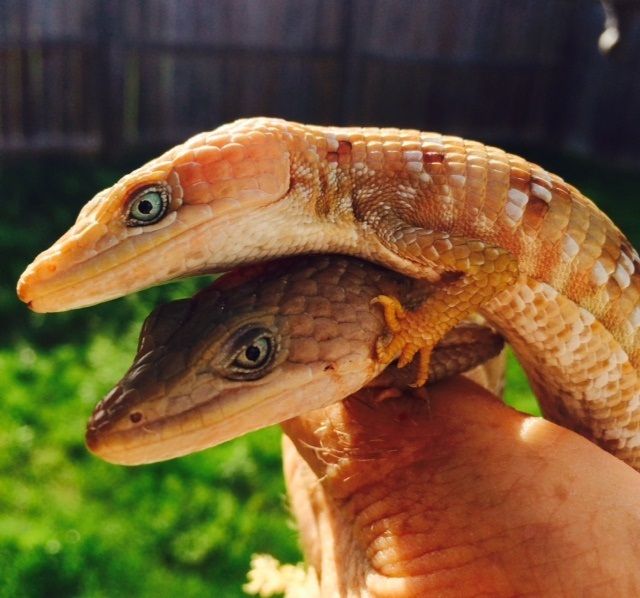
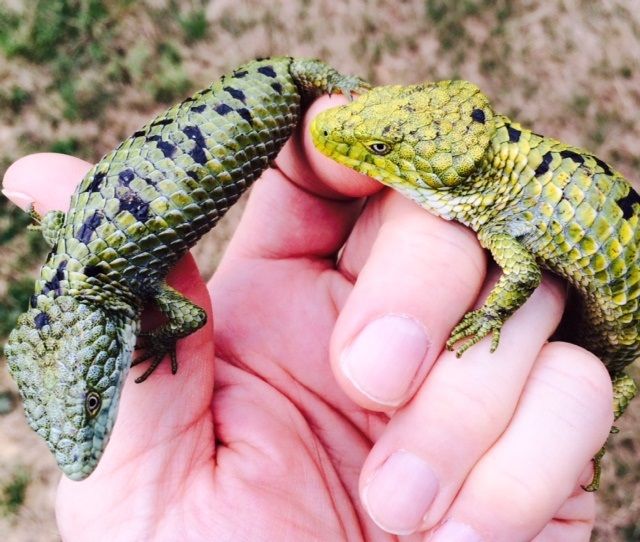
  <description><![CDATA[<div class="rss-post"><p><strong>Original post</strong> by abronia66 &mdash; 2015-05-31 11:40:25 GMT</p><p>Couple shots of a pair of my G. infernalis... Just trying to liven up a dead forum.<br />
<a href="<a href="http://s284.photobucket.com/user/abronia66/media/infernalis_1_zpso6pmolip.jpg.html" target="_blank" rel="nofollow"><img src="http://i284.photobucket.com/albums/ll19/abronia66/infernalis_1_zpso6pmolip.jpg" class="img-fluid my-2" alt="Image" loading="lazy"></a>; [URL=http://s28">Link</a></p></div>
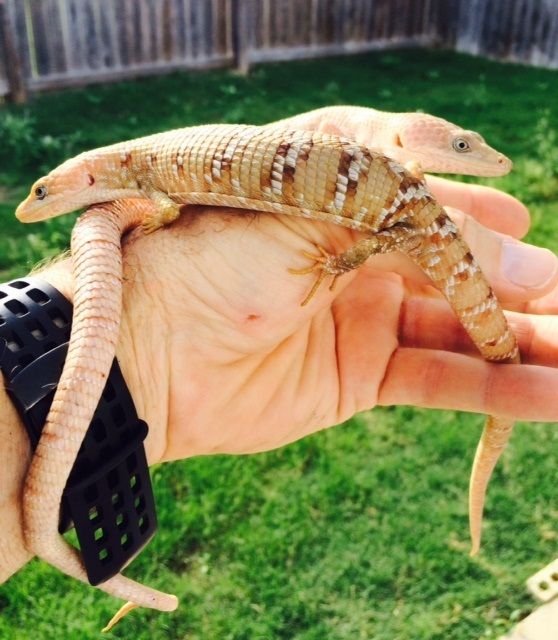
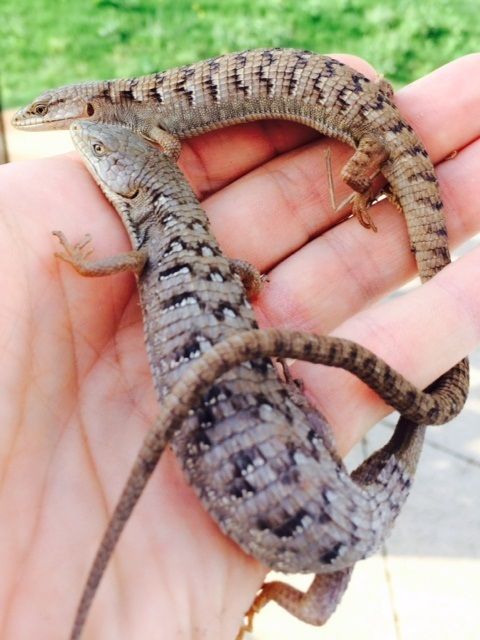
<div class="rss-post"><p><strong>Reply</strong> by abronia66 &mdash; 2015-05-31 11:42:41 GMT</p><p>Ooops, wrong picture, those are some of my multicarinata... Here are the infernalis.<br />
<a href="<a href="http://s284.photobucket.com/user/abronia66/media/infernalis_2_zpsm4vau8zi.jpg.html" target="_blank" rel="nofollow"><img src="http://i284.photobucket.com/albums/ll19/abronia66/infernalis_2_zpsm4vau8zi.jpg" class="img-fluid my-2" alt="Image" loading="lazy"></a>">Link</a></p></div>
<div class="rss-post"><p><strong>Reply</strong> by abronia66 &mdash; 2015-05-31 11:41:03 GMT</p><p>Guess the other pic didn't make it across.<br />
<a href="<a href="http://s284.photobucket.com/user/abronia66/media/multicarinata_1_zpszkirbgjm.jpg.html" target="_blank" rel="nofollow"><img src="http://i284.photobucket.com/albums/ll19/abronia66/multicarinata_1_zpszkirbgjm.jpg" class="img-fluid my-2" alt="Image" loading="lazy"></a>">Link</a></p></div>
<p><a href="https://forums.kingsnake.com/view.php?id=2028383">View full thread on Kingsnake.com</a></p>]]></description>
  <dc:date>2015-05-31T11:42:41+00:00</dc:date>
  <dc:creator>abronia66</dc:creator>
</item>
<item rdf:about="https://forums.kingsnake.com/view.php?id=2028364">
  <title>She&apos;s gravid</title>
  <link>https://forums.kingsnake.com/view.php?id=2028364</link>
  <description><![CDATA[<div class="rss-post"><p><strong>Original post</strong> by abronia66 &mdash; 2015-05-27 19:52:21 GMT</p><p>One of five gravid A. mixteca females.<br />
<a href="<a href="http://s284.photobucket.com/user/abronia66/media/mixteca_5_zpsrm4e5v3a.jpg.html" target="_blank" rel="nofollow"><img src="http://i284.photobucket.com/albums/ll19/abronia66/mixteca_5_zpsrm4e5v3a.jpg" class="img-fluid my-2" alt="Image" loading="lazy"></a>">Link</a></p></div>
<p><a href="https://forums.kingsnake.com/view.php?id=2028364">View full thread on Kingsnake.com</a></p>]]></description>
  <dc:date>2015-05-27T19:52:21+00:00</dc:date>
  <dc:creator>abronia66</dc:creator>
</item>
<item rdf:about="https://forums.kingsnake.com/view.php?id=2028363">
  <title>Patternless </title>
  <link>https://forums.kingsnake.com/view.php?id=2028363</link>
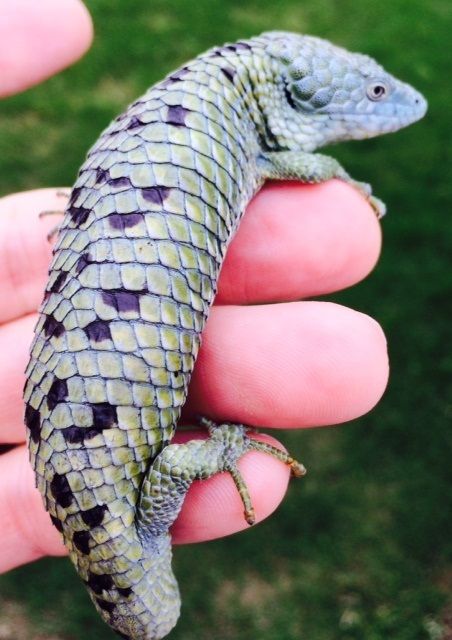
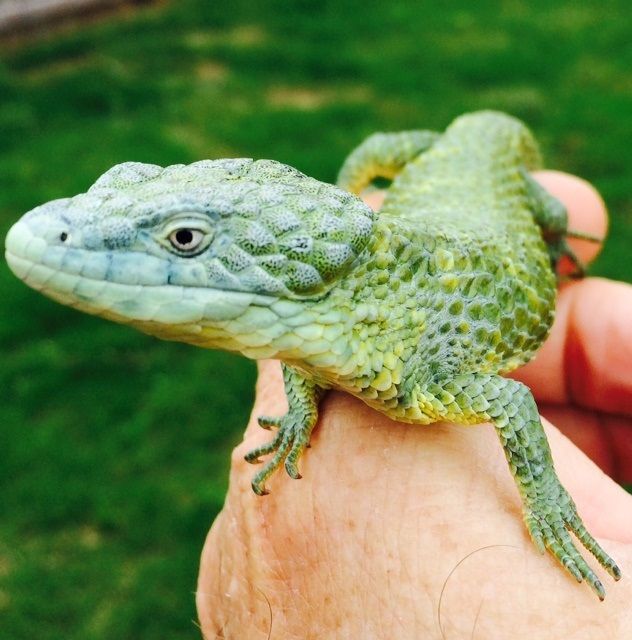
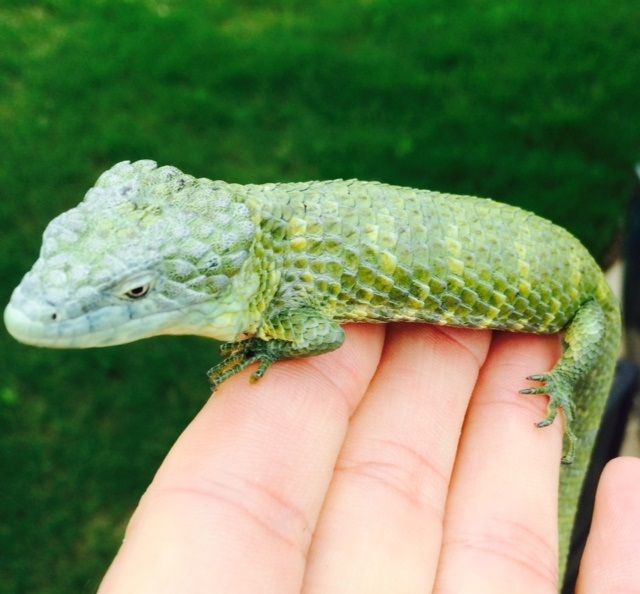
  <description><![CDATA[<div class="rss-post"><p><strong>Original post</strong> by abronia66 &mdash; 2015-05-27 19:49:38 GMT</p><p>Patternless A mixteca, one of my favorites.<br />
<a href="<a href="http://s284.photobucket.com/user/abronia66/media/mixteca_4_zpspq4xc3xv.jpg.html" target="_blank" rel="nofollow"><img src="http://i284.photobucket.com/albums/ll19/abronia66/mixteca_4_zpspq4xc3xv.jpg" class="img-fluid my-2" alt="Image" loading="lazy"></a>">Link</a></p></div>
<div class="rss-post"><p><strong>Reply</strong> by abronia66 &mdash; 2015-05-27 19:54:24 GMT</p><p>Another shot of the patternless mixteca.<br />
<a href="<a href="http://s284.photobucket.com/user/abronia66/media/Mixteca_2_zpsegxguaza.jpg.html" target="_blank" rel="nofollow"><img src="http://i284.photobucket.com/albums/ll19/abronia66/Mixteca_2_zpsegxguaza.jpg" class="img-fluid my-2" alt="Image" loading="lazy"></a>">Link</a></p></div>
<p><a href="https://forums.kingsnake.com/view.php?id=2028363">View full thread on Kingsnake.com</a></p>]]></description>
  <dc:date>2015-05-27T19:54:24+00:00</dc:date>
  <dc:creator>abronia66</dc:creator>
</item>
<item rdf:about="https://forums.kingsnake.com/view.php?id=2028361">
  <title>Couple of Abronia mixteca</title>
  <link>https://forums.kingsnake.com/view.php?id=2028361</link>
  <description><![CDATA[<div class="rss-post"><p><strong>Original post</strong> by abronia66 &mdash; 2015-05-27 19:44:43 GMT</p><p>A couple of A mixteca from my group.</p></div>
<div class="rss-post"><p><strong>Reply</strong> by abronia66 &mdash; 2015-05-27 19:46:02 GMT</p><p>Guess that didn't work the first attempt.<br />
<img class="img-fluid" src="https://forums.kingsnake.com/<a href="http://s284.photobucket.com/user/abronia66/media/Mixteca_1_zpsizitudmc.jpg.html" target="_blank" rel="nofollow"><img src="http://i284.photobucket.com/albums/ll19/abronia66/Mixteca_1_zpsizitudmc.jpg" class="img-fluid my-2" alt="Image" loading="lazy"></a>" alt="Image"></p></div>
<p><a href="https://forums.kingsnake.com/view.php?id=2028361">View full thread on Kingsnake.com</a></p>]]></description>
  <dc:date>2015-05-27T19:46:02+00:00</dc:date>
  <dc:creator>abronia66</dc:creator>
</item>
<item rdf:about="https://forums.kingsnake.com/view.php?id=2015183">
  <title>rose sided galliwasp?</title>
  <link>https://forums.kingsnake.com/view.php?id=2015183</link>
  <description><![CDATA[<div class="rss-post"><p><strong>Original post</strong> by geckoejon &mdash; 2013-08-13 01:05:14 GMT</p><p>hello,<br />
i was wondering if anyone was working with any galliwasp? i have seen some pics of rose sided galliwasp in particular that look spectacular. any info or leads to acquiring some would be greatly appreciated. thanks...<br />
jonathan</p></div>
<div class="rss-post"><p><strong>Reply</strong> by abronia66 &mdash; 2015-05-08 16:53:04 GMT</p><p>You are talking about Diploglossus lessonae, galliwasp originating from Brazil and Panama, for which teh red coloration is a mimic of Scolopendra gaigantea... They come available from time to time, go for a premium, and yuo must be'quick on the ball' when one comes up for sale.</p></div>
<p><a href="https://forums.kingsnake.com/view.php?id=2015183">View full thread on Kingsnake.com</a></p>]]></description>
  <dc:date>2015-05-08T16:53:04+00:00</dc:date>
  <dc:creator>geckoejon</dc:creator>
</item>
<item rdf:about="https://forums.kingsnake.com/view.php?id=2010608">
  <title>Texas Allig Lizard what is the sex?</title>
  <link>https://forums.kingsnake.com/view.php?id=2010608</link>
  <description><![CDATA[<div class="rss-post"><p><strong>Original post</strong> by dgreptiles &mdash; 2013-05-22 22:06:30 GMT</p><p>Hello everyone:<br />
Can anyone tell the sex of a Texas alligator Lizards?  I can e-mail some pics of anyone interested.  Sorry, I don't know how to upload my pics here.       <br />
Thanks for your time, Don.<br />
dgreptiles@hotmail.com</p></div>
<p><a href="https://forums.kingsnake.com/view.php?id=2010608">View full thread on Kingsnake.com</a></p>]]></description>
  <dc:date>2013-05-22T22:06:30+00:00</dc:date>
  <dc:creator>dgreptiles</dc:creator>
</item>
<item rdf:about="https://forums.kingsnake.com/view.php?id=2010519">
  <title>Some New Additions From California! </title>
  <link>https://forums.kingsnake.com/view.php?id=2010519</link>
  <description><![CDATA[<div class="rss-post"><p><strong>Original post</strong> by treeandcliff &mdash; 2013-05-21 02:04:58 GMT</p><p>It's been several years since I've kept any reptiles (read: I've been out of the hobby), but I've been won back over today.  I collected these in Penn Valley, Northern CA (near Grass Valley) and decided they would make for a fun project.<br />
I can say with relative certainty that the large one is a female.  As most people with experience handling reptiles know, when they defecate on you after catching one, and it's a male, the genitalia will pop right out.  The juvenile male proved that point quite well, but the larger one &quot;popped out&quot; with nothing (looked female).  I see some potential in the colors for a rewarding breeding project as well.</p>
<p>I'm hoping that someone more experienced here can give me an exact ID on the species so I can make sure I'm doing proper research.</p>
<p>Here's the supposed female:<br />
<img class="img-fluid" src="http://www.flickr.com/photos/avpmantis/8759959905/"></p>
<p><img class="img-fluid" src="http://www.flickr.com/photos/avpmantis/8759966363/"></p>
<p><img class="img-fluid" src="http://www.flickr.com/photos/avpmantis/8761098024/"></p>
<p><img class="img-fluid" src="http://www.flickr.com/photos/avpmantis/8761111318/"></p>
<p>Here's the young male.  Probably from last year's brood?  I love the red on this one.<br />
<img class="img-fluid" src="http://www.flickr.com/photos/avpmantis/8759993743/"></p>
<p><img class="img-fluid" src="http://www.flickr.com/photos/avpmantis/8759959905/" alt="Image"></p></div>
<div class="rss-post"><p><strong>Reply</strong> by pictigaster &mdash; 2013-06-20 17:58:58 GMT</p><p>The pictures aren't bad, these guys can be difficult to photograph.  Sorry to hear you lost one...  I can tell you that they are all Southerns or integrades.  Definitely multicarinata and not northern alligator lizards.  They simply represent a sample of the extremely variable Elgaria muticarinata complex with one tending more toward the northern cousin the Oregon alligator lizard (Elgaria multicarinata scincicauda) and the other looking more like the southern subspecies the San Diego Alligator lizard (Elgaria multicarinata webbii).  The gene flow seems to be such that they are darker the further south you go in Cali and lighter the further north up into Oregon.  I'd still have to say they are all straight southerns (Elgaria multicarinata multicarinata), they're just that variable.  If they represent an integrade population it would be southern (Elgaria multicarinata multicarinata) X Oregon (Elgaria multicarinata scincicauda).  Good luck on the eggs if you get some!</p></div>
<div class="rss-post"><p><strong>Reply</strong> by treeandcliff &mdash; 2013-05-25 03:43:24 GMT</p><p>...and I wish we had an edit button.  I'm a little baffled now as to which subspecies I've got.  The new female seems to be a different subspecies than #1, which has the belly scales of a northern?  Waiting to see if live babies or eggs show up will be helpful indicators...</p></div>
<div class="rss-post"><p><strong>Reply</strong> by treeandcliff &mdash; 2013-05-24 20:15:52 GMT</p><p>I really should have taken belly photos to begin with.  Going by this, it looks like my new female is a Southern...and the other is probably a Northern!</p>
<p>http://www.californiaherps.com/lizards/images/elgariabellyscalescomparison.jpg</p>
<p>Any second opinions after comparing the belly shots I posted?</p></div>
<div class="rss-post"><p><strong>Reply</strong> by treeandcliff &mdash; 2013-05-24 18:55:07 GMT</p><p>Thanks for a well-thought response!  I would agree that they seem to be E. m. multicarinata.  I wouldn't be surprised if other subspecies overlapped in distribution with them here though.  There seems to be a lot of variability in appearance between individuals.<br />
Due to my current circumstances I have to keep them in cardboard boxes outside (sounds crude at face value, but I assure you is actually quite ideal).  One of the caveats of this method though is that if one gets out then you're probably never going to see it again.  I probably underestimated the ability of the young male to jump and climb.  I lost him pretty quickly, and it was a huge bummer because he had some promising red striping.</p>
<p>With that out of the way though, I've got another one here.  It's clearly a female, and from the way her lower belly sags and plumps out, seems to be gravid.  She's got a very slender build and mostly olive tones.  Check out the differences in the belly scale color between the two females.  One female has brightly colored belly scales with bursts of yellow, while this new female has a mostly cool-gray belly.  <br />
Female #1<br />
http://www.flickr.com/photos/avpmantis/8805835983/<br />
Female #2<br />
http://www.flickr.com/photos/avpmantis/8805825473/<br />
http://www.flickr.com/photos/avpmantis/8805994333/<br />
More photos:<br />
http://www.flickr.com/photos/avpmantis/8815705254/<br />
http://www.flickr.com/photos/avpmantis/8805136135/<br />
http://www.flickr.com/photos/avpmantis/8800274331/<br />
http://www.flickr.com/photos/avpmantis/8800279939/</p></div>
<div class="rss-post"><p><strong>Reply</strong> by pictigaster &mdash; 2013-05-22 19:52:37 GMT</p><p>Nice alligator lizards...  They look like the California alligator lizard (Elgaria multicarinata muticarinata) to me.  Definitely in the multicarinata complex, could be an integrade with the Orgegon alligator lizard (Elgaria multicarinata scincicauda).  Definitely not Elgaria multicarinata webbii, the San Diego alligator lizard and only other Elgaria muticarinata subspecies native to CA.  Since you collected them yourself from the same location they would make a great locality pure breeding project even if they are integrades.  You’d be fine just calling them ‘Penn Valley California alligator lizards’.  Not sure how to distinguish multicarinata and scincicauda, they are very similar so it would be difficult to prove an integrade.  Good luck with them, very underrated pet lizard.</p></div>
<div class="rss-post"><p><strong>Reply</strong> by treeandcliff &mdash; 2013-05-21 02:07:26 GMT</p><p>Female:<br />
http://www.flickr.com/photos/avpmantis/8759959905/</p>
<p>http://www.flickr.com/photos/avpmantis/8759966363/</p>
<p>http://www.flickr.com/photos/avpmantis/8761098024/</p>
<p>http://www.flickr.com/photos/avpmantis/8761111318/</p>
<p>The juvenile male:<br />
http://www.flickr.com/photos/avpmantis/8759993743/</p></div>
<p><a href="https://forums.kingsnake.com/view.php?id=2010519">View full thread on Kingsnake.com</a></p>]]></description>
  <dc:date>2013-06-20T17:58:58+00:00</dc:date>
  <dc:creator>treeandcliff</dc:creator>
</item>
<item rdf:about="https://forums.kingsnake.com/view.php?id=2004934">
  <title>sheltopusik : european legless lizards</title>
  <link>https://forums.kingsnake.com/view.php?id=2004934</link>
  <description><![CDATA[<div class="rss-post"><p><strong>Original post</strong> by regalringneck &mdash; 2013-02-01 15:37:51 GMT</p><p>so these are truly an amazing anguid, which seem to be rarely discussed in any detail,even here!  google scholar has virtually nothing (in english) on their ntrl histry, wikipedia is probably the best single page, yet these have been regularly offered as adults here in the US and for a number of years.  <br />
Anyone know what country exports them?  & why only the adults?<br />
Interesting too is how big these things get, at that size they presumably are competing w/ some pretty tough taxa like those european whipsnakes, yet most of them appear to have retained their <br />
tails, unlike many if not most of our adult american anguids.<br />
Has anyone captive bred them?  Very cool critters.  hopefully some of our european friends will share some fotos & information :}</p></div>
<div class="rss-post"><p><strong>Reply</strong> by regalringneck &mdash; 2013-04-06 11:45:39 GMT</p><p>... & w/ no hands, no less! haha ... lets see my gator cuzzys try that  <img class="img-fluid" src="https://forums.kingsnake.com/images/smiles/tongue.gif" border="0" alt=""></p>
<p><img class="img-fluid" src="https://gallery.kingsnake.com/data/6572getinmybelly.JPG" alt="Image"></p></div>
<p><a href="https://forums.kingsnake.com/view.php?id=2004934">View full thread on Kingsnake.com</a></p>]]></description>
  <dc:date>2013-04-06T11:45:39+00:00</dc:date>
  <dc:creator>regalringneck</dc:creator>
</item>
<item rdf:about="https://forums.kingsnake.com/view.php?id=1986262">
  <title>Is this a Northern?</title>
  <link>https://forums.kingsnake.com/view.php?id=1986262</link>
  <description><![CDATA[<div class="rss-post"><p><strong>Original post</strong> by coldblooded &mdash; 2012-06-23 02:31:52 GMT</p><p>Caught this little girl (I believe it's a female) in far north CA.  What does she look like to you guys?</p>
<p><img class="img-fluid" src="http://photos.imageevent.com/coldblooded/garters/websize/photo%201_21.JPG"><br />
<img class="img-fluid" src="http://photos.imageevent.com/coldblooded/garters/websize/photo%202_2.JPG"><br />
<img class="img-fluid" src="http://photos.imageevent.com/coldblooded/garters/websize/photo%203_2.JPG"></p></div>
<div class="rss-post"><p><strong>Reply</strong> by COACHP &mdash; 2012-09-03 00:05:17 GMT</p><p>Good looking alligator lizard! But it's not an E. c. principis (northern) It's an E. multicarinata</p>
<p>Lynn Peterson<br />
Big time Reptiles</p></div>
<p><a href="https://forums.kingsnake.com/view.php?id=1986262">View full thread on Kingsnake.com</a></p>]]></description>
  <dc:date>2012-09-03T00:05:17+00:00</dc:date>
  <dc:creator>coldblooded</dc:creator>
</item>
<item rdf:about="https://forums.kingsnake.com/view.php?id=1984679">
  <title>Releasing Eggs / Hatchlings?</title>
  <link>https://forums.kingsnake.com/view.php?id=1984679</link>
  <description><![CDATA[<div class="rss-post"><p><strong>Original post</strong> by Dave89 &mdash; 2012-06-12 05:46:33 GMT</p><p>We &quot;rescued&quot; an alligator lizard we found in our street by buying a terrarium, crickets, water dish and heater, and I figured we'd house & feed him for a week for our kids before releasing him in a nearby undeveloped area .... until &quot;he&quot; laid 17 eggs the next day.  Is there a good way to place the eggs back in nature to hatch on their own?  Or, how long do we need to raise the hatchlings before they can be released?  Is it safe to have the eggs in the terrarium with the mother, or do they have to be separated?  This one-week visitor looks like she's going to be a longer project, which is OK, just not sure how to care for the little ones.  Can anyone give some advice or references?</p>
<p>Thanks!</p></div>
<p><a href="https://forums.kingsnake.com/view.php?id=1984679">View full thread on Kingsnake.com</a></p>]]></description>
  <dc:date>2012-06-12T05:46:33+00:00</dc:date>
  <dc:creator>Dave89</dc:creator>
</item>
<item rdf:about="https://forums.kingsnake.com/view.php?id=1980856">
  <title>... pity things ...  anguid-like  ... </title>
  <link>https://forums.kingsnake.com/view.php?id=1980856</link>
  <description><![CDATA[<div class="rss-post"><p><strong>Original post</strong> by regalringneck &mdash; 2012-05-17 04:01:04 GMT</p><p>.. have been so slow l8tely ...  so where's alice when we need her anyway ... ?  well im as guilty as most and more than some ... <img class="img-fluid" src="https://forums.kingsnake.com/images/smiles/tongue.gif" border="0" alt=""><br />
its been along time since ive posted here, nice to occasionally look aka lurk : } So like many; im a lifelong afficionado of  these aptly named gators, i grew up w/ southerns & went to college w/ madreans, kept a few glass, annielas,  & even a coupla tx allys over the years, love em all; mini-monitors for sure.</p>
<p>So heres my ? has anyone gotten an ally to eat chopped food ?  I tried to have my glass lizards teach my last captive southerns by example, but am not sure the lessons were learned, ( cuz there were always gutloaded crickets about …).<br />
Heres a tip; take a white light (battery powered camping lantern) outside at night, put a white cloth drape over it, visit every half hour and sweep or shake the bug medly into plastic containers; deliver to allys,   these wild arthropods seem to provide all sources of trace elements, flavor, and fun; the gators spare no effort  to get to a fluttering moth or spider.</p>
<p>I think its time someone reposted a alligator husbandry sheet, I have a compilation of posts from Alice in Wonderland, and a few other pearls…  actually all the anguid caresheets …seems like a lot of these old posts are gone from this forums pages …</p>
<p>... a major thnx to alice & others who contributed so much to the effort ... may it continue  : }</p>
<p>salud, rxr   aka: john gunn</p>
<p><img class="img-fluid" src="http://gallery.kingsnake.com/data/6572Finest-Regalis.jpg-med.jpg"></p></div>
<p><a href="https://forums.kingsnake.com/view.php?id=1980856">View full thread on Kingsnake.com</a></p>]]></description>
  <dc:date>2012-05-17T04:01:04+00:00</dc:date>
  <dc:creator>regalringneck</dc:creator>
</item>
<item rdf:about="https://forums.kingsnake.com/view.php?id=1972800">
  <title>Alligator Lizard Elgaria multicarinata</title>
  <link>https://forums.kingsnake.com/view.php?id=1972800</link>
  <description><![CDATA[<div class="rss-post"><p><strong>Original post</strong> by JasonW &mdash; 2012-03-22 00:48:35 GMT</p><p>Alligator Lizard Elgaria multicarinata<object width="425" height="350"><param name="movie" value="http://www.youtube.com/v/pLZj0ak_Uak"></param><param name="wmode" value="transparent"></param><embed src="http://www.youtube.com/v/pLZj0ak_Uak" type="application/x-shockwave-flash" wmode="transparent" width="425" height="350"></embed></object></p></div>
<p><a href="https://forums.kingsnake.com/view.php?id=1972800">View full thread on Kingsnake.com</a></p>]]></description>
  <dc:date>2012-03-22T00:48:35+00:00</dc:date>
  <dc:creator>JasonW</dc:creator>
</item>
<item rdf:about="https://forums.kingsnake.com/view.php?id=1941614">
  <title>Breeders</title>
  <link>https://forums.kingsnake.com/view.php?id=1941614</link>
  <description><![CDATA[<div class="rss-post"><p><strong>Original post</strong> by blueboost68 &mdash; 2011-09-02 10:18:29 GMT</p><p>Can anyone point me to breeders of southerns and texas alli,s Just got a southern and would like to start breeding them have breed them many times in the past just moved on to other things but still have a soft spot for the little guys</p></div>
<div class="rss-post"><p><strong>Reply</strong> by blueboost68 &mdash; 2012-03-16 06:44:19 GMT</p><p>I am more in to milks but I like my alligator lizards</p></div>
<div class="rss-post"><p><strong>Reply</strong> by blueboost68 &mdash; 2012-03-16 06:40:27 GMT</p><p>Just seen the reply thanks for pointing me in the right direction</p></div>
<div class="rss-post"><p><strong>Reply</strong> by Fabrizio13 &mdash; 2012-02-26 20:36:11 GMT</p><p>Alligator lizards remind me of tiny monitors with their intelligence and appetites. What monitors you keep? I've had a yellow ackie and other &quot;pet shop favorites&quot; (savannas mostly) in the past. Working on getting a group of 5 red ackies from Rare Earth.</p>
<p>Back on alligators,<br />
http://www.anapsid.org/gerrhont.html has a real basic care sheet. For breeding, just expose them to the same cycle you would use for a corn snake, king snake, or any north american colubrid. Depending on the species you want to work with and your location, keeping them outdoors would be quite simple, provide as large a cage as you can make of wood, screen, block, whatever. DON'T use an aquarium outdoors, they will heat up too quick and too hot, and make sure its escape proof. Provide cover to cool down, deep enough substrate for egg laying (for species that lay eggs), water dish, and plenty of bugs and even pinky mice for adults. That's the beauty of keeping native animals, simple caging and care!</p>
<p>Good luck!<br />
-----<br />
Jason</p></div>
<div class="rss-post"><p><strong>Reply</strong> by tayyB &mdash; 2012-02-20 09:56:04 GMT</p><p>I'm also looking for the samething I'm trying to breed allies also any info would help please and thank you man,<br />
I also have monitors .</p></div>
<div class="rss-post"><p><strong>Reply</strong> by Fabrizio13 &mdash; 2012-02-07 18:05:35 GMT</p><p>Just to clarify of how big, I found an old post of his talking about having about 300 alligator lizards, and I'm sure he still works with them. He loves his alligator lizards almost as much as his sungazers!<br />
-----<br />
Jason</p></div>
<div class="rss-post"><p><strong>Reply</strong> by Fabrizio13 &mdash; 2012-02-07 18:00:05 GMT</p><p>I know Lynn Peterson worked with them the last time I talked to him, about a year or two ago. He's the biggest breeder of alligator lizards I know about (then again, I'm a monitor man myself). I can't remember his number, maybe you can find it somewhere. And it's a lot easier to call him than e-mail, Lynn is &quot;extremely old school&quot;. Good luck!<br />
-----<br />
Jason</p></div>
<p><a href="https://forums.kingsnake.com/view.php?id=1941614">View full thread on Kingsnake.com</a></p>]]></description>
  <dc:date>2012-03-16T06:44:19+00:00</dc:date>
  <dc:creator>blueboost68</dc:creator>
</item>
<item rdf:about="https://forums.kingsnake.com/view.php?id=1935392">
  <title>Export of CB Abronia from US</title>
  <link>https://forums.kingsnake.com/view.php?id=1935392</link>
  <description><![CDATA[<div class="rss-post"><p><strong>Original post</strong> by reticulatus &mdash; 2011-08-10 23:27:53 GMT</p><p>Hey,</p>
<p>Does anyone have any info on exporting CB Abronia from US to Canada, or for that matter from Europe to US, Canada, etc. I understand these animals are not CITES listed, but at protected in Mexico, however if there any laws preventing the shipment of captive animals from countries where they are not native to?</p>
<p>Thanks,</p>
<p>JMorash</p></div>
<p><a href="https://forums.kingsnake.com/view.php?id=1935392">View full thread on Kingsnake.com</a></p>]]></description>
  <dc:date>2011-08-10T23:27:53+00:00</dc:date>
  <dc:creator>reticulatus</dc:creator>
</item>
<item rdf:about="https://forums.kingsnake.com/view.php?id=1928965">
  <title>Ooops! I moved my eggs but.....</title>
  <link>https://forums.kingsnake.com/view.php?id=1928965</link>
  <description><![CDATA[<div class="rss-post"><p><strong>Original post</strong> by bugnut &mdash; 2011-07-18 20:11:35 GMT</p><p>I moved my eggs to a different container, but didn't know about needing to keep them in the same orientation as the mother laid them so they won't drown. Is there anything I can do?  I was going to go out and buy some vermiculite and/or coco peat for moist substrate, but if I have just drowned all the embryos, I won't bother.  Right now, they are setting on damp dirt covered by a damp paper towel.  The container is sitting on top of my aquarium which adds a bit of humidity and is the warmest place in the house.</p></div>
<div class="rss-post"><p><strong>Reply</strong> by Tsteel &mdash; 2011-08-13 21:46:23 GMT</p><p>Congrats on the eggs! I've had the same thing happen and they turned out fine. You should post some pics of the eggs, and the babies when they hatch.</p></div>
<div class="rss-post"><p><strong>Reply</strong> by SVS &mdash; 2011-08-07 04:33:44 GMT</p><p>I'm just jealous you got eggs haha!<br />
-----<br />
<a href="http://www.backwaterreptiles.com" target="_blank">Reptiles</a><br />
<a href="http://www.bearded-dragon-food.com" target="_blank">Bearded dragon food</a></p></div>
<div class="rss-post"><p><strong>Reply</strong> by scottsolar &mdash; 2011-07-28 01:58:36 GMT</p><p>I have dropped whole boxes of eggs a couple of times, on the floor, rolling all over the room. 100% hatch rate.</p>
<p>That is a wives tail that originates from a tiny fact. If you rotate a turtle egg at a specific time in incubation you can cause the head to split in two, hence all the two headed turtles available every year. Other than that, it is nothing. Your eggs will hatch if they would have without the rotation.</p></div>
<div class="rss-post"><p><strong>Reply</strong> by ectimaeus &mdash; 2011-07-22 20:43:26 GMT</p><p>Do Not Panic.  You can move the eggs without killing them.  If you do move them into a better container with vermiculite, make sure that you do not turn the eggs and place them in vermiculite that is not too damp.  You want the vermiculite to barely cling together when you add water.  Do not bury the eggs but nestle them down into the vermiculite so they do not roll around.  Keep an eye on them, if they go bad they will turn color, collapse, or mold up.  If so remove them.</p>
<p>Good luck.</p>
<p>ECT</p></div>
<p><a href="https://forums.kingsnake.com/view.php?id=1928965">View full thread on Kingsnake.com</a></p>]]></description>
  <dc:date>2011-08-13T21:46:23+00:00</dc:date>
  <dc:creator>bugnut</dc:creator>
</item>
<item rdf:about="https://forums.kingsnake.com/view.php?id=1921769">
  <title>Barton Springs</title>
  <link>https://forums.kingsnake.com/view.php?id=1921769</link>
  <description><![CDATA[<div class="rss-post"><p><strong>Original post</strong> by aaandyyy5 &mdash; 2011-06-22 02:38:23 GMT</p><p>I'm going to be heading up to Barton Springs hiking trails and was wondering if anyone could give me a few tips to see some Texas Alligator Lizards. I would really appreciate it!</p>
<p>Thanks<br />
Andy</p></div>
<div class="rss-post"><p><strong>Reply</strong> by Tsteel &mdash; 2011-08-13 21:56:15 GMT</p><p>My advice would be to get there early before it gets hot, and watch out for hobos. I went to look for some texas alligator lizards recently in a park that supposedly has a lot of them, but when i got there it was full of hobo camps. So i left, and didn't have time to look anywhere else. Major bummer. <img class="img-fluid" src="https://forums.kingsnake.com/images/smiles/sad.gif" border="0" alt=""> I have still yet to catch, or even see a texas alligator lizard in the wild. Post some pics if you do, and good luck. <img class="img-fluid" src="https://forums.kingsnake.com/images/smiles/smile.gif" border="0" alt=""></p></div>
<p><a href="https://forums.kingsnake.com/view.php?id=1921769">View full thread on Kingsnake.com</a></p>]]></description>
  <dc:date>2011-08-13T21:56:15+00:00</dc:date>
  <dc:creator>aaandyyy5</dc:creator>
</item>
<item rdf:about="https://forums.kingsnake.com/view.php?id=1910832">
  <title>Northern Allies bred in captivity?</title>
  <link>https://forums.kingsnake.com/view.php?id=1910832</link>
  <description><![CDATA[<div class="rss-post"><p><strong>Original post</strong> by peesen &mdash; 2011-05-04 19:34:35 GMT</p><p>Hi folks,</p>
<p>I was wondering, if Northern Alligator Lizards were kept or even bred in captivity in the US. <br />
In Europe, Alligator Lizards at all are quite rare in both, private collections and zoos. It seems, there's just a handfull of enthusiasts working on these nice and interesting lizards. <br />
But what about the US? Does anybody know, if they're more common there? And are there any informations about captive keeping and breeding published (or does anyone has unpublished infos)? <br />
I'm especially interested in informations about the Northwestern Alligator Lizard, Elgaria coerulea principis, but would be thankfull for anything about US-native Allies.</p>
<p>Kind regards</p>
<p>Peter</p></div>
<p><a href="https://forums.kingsnake.com/view.php?id=1910832">View full thread on Kingsnake.com</a></p>]]></description>
  <dc:date>2011-05-04T19:34:35+00:00</dc:date>
  <dc:creator>peesen</dc:creator>
</item>
<item rdf:about="https://forums.kingsnake.com/view.php?id=1907607">
  <title>Texas alligator health (Newbie here</title>
  <link>https://forums.kingsnake.com/view.php?id=1907607</link>
  <description><![CDATA[<div class="rss-post"><p><strong>Original post</strong> by Snakelets &mdash; 2011-04-19 03:10:04 GMT</p><p>Hello everyone! <img class="img-fluid" src="https://forums.kingsnake.com/images/smiles/smile.gif" border="0" alt=""></p>
<p>I'm new to the forums but I've had a pair of Texas alligator lizards for about 2.5 years and I'm looking for help concerning their health....</p>
<p>My male developed a mouth infection last spring which consisted of small bits of yellow cheesy gunk in his gums between his teeth and lips. I was able to clear it up by removing the gunk whenever it showed up, cleaning his gums with Nolvasan, dabbing the area with Silvadine, and giving him oral Baytril. But last fall, the infection came back and was worse. He has been consistently sluggish, and also throughout the winter was &quot;coughing&quot; which led me to think he was getting a lung infection. The coughing ceased when I got them an undertank heat pad which I keep on all the time (cage temp is in high 70s-80s, basking temp 90s). I started misting heavily daily and have plastic wrap covering most of the screen top to increase humidity. But these haven't seemed to help my male significantly.</p>
<p>He spends most of the time lying on the bottom, eyes closed, and body inflated, sometimes opening and closing his mouth. And the lower part of his lower eyelids are bloodshot... his vision must be getting impaired because he bites in the air toward movements thinking it's food (me cleaning cage, wiggling my finger or sometimes just walking by). This started within the last couple weeks. He's still as enthusiastic about food as ever though. He can eat on his own but takes longer to catch crickets now. I still remove the mouth gunk and dab it with Silvadine (the Nolvasan & Baytril expired) but he doesn't improve.</p>
<p>Plus, my female developed the mouth gunk this January too. I'm starting to think there's a connection between the mouth gunk, lung/breathing issues, and eye problems. I'm trying to find a way to get new Nolvasan and oral Baytril (or Cephtazadine... I hear this is stronger than Baytril).</p>
<p>My gators live in a 20 gal. tall and are fed crickets every 3 days, dusted with Ca   Vit. D3. I separate them into plastic shoeboxes for feeding to ensure &quot;cricket count&quot; and prevent ingestion of substrate (coconut husk).</p>
<p>I apologize for such a lengthy post! Figure the more specific I can be the better. Thanks for any advice you have!!</p></div>
<p><a href="https://forums.kingsnake.com/view.php?id=1907607">View full thread on Kingsnake.com</a></p>]]></description>
  <dc:date>2011-04-19T03:10:04+00:00</dc:date>
  <dc:creator>Snakelets</dc:creator>
</item>
<item rdf:about="https://forums.kingsnake.com/view.php?id=1894943">
  <title>Sexing Western Alligator Lizards</title>
  <link>https://forums.kingsnake.com/view.php?id=1894943</link>
  <description><![CDATA[<div class="rss-post"><p><strong>Original post</strong> by kangaskritters &mdash; 2011-02-22 06:13:22 GMT</p><p>Hello,<br />
I always catch alligator lizards in my backyard and thought it would be cool to know if they're male or female.  Any visual way to tell?</p></div>
<div class="rss-post"><p><strong>Reply</strong> by Hugh_Jass &mdash; 2012-02-21 18:44:23 GMT</p><p>What would you like to know?</p>
<p>Since this is a sexing thread, perhaps starting a new thread for with a request for breeding tips is more appropriate.<br />
-----<br />
______<br />
| HJ |</p>
<p><a href="http://www.facebook.com/pages/Hugh-Jass/224513110968606" target="_blank">Like me on Facebook</a></p></div>
<div class="rss-post"><p><strong>Reply</strong> by tayyB &mdash; 2012-02-20 10:11:31 GMT</p><p>I was reading your reply about breeding allies ann I'm interested in breeding them also, any info in how I can get on will help.  I have Monitors but I'm interested in allies also so let me know man thanks .</p></div>
<div class="rss-post"><p><strong>Reply</strong> by Hugh_Jass &mdash; 2012-02-14 21:41:13 GMT</p><p>sexing gators is covered well in this section. Using the search function will give you much knowledge.</p>
<p>I sex 'gators by different methods. They must be adult or at least at puberty. When captured a male 'gator will &quot;evert&quot; his hemipenes. That is he will pop them out in distress.</p>
<p>The next method is males have a much wider head. If you have only one or have not seen many ever, then this is difficult at best. When you have a male and female in hand the heads are definitely different.</p>
<p>The last method, when all else fails??</p>
<p>wait for it<br />
wait for it<br />
wait for it<br />
wait for it<br />
wait for it</p>
<p>The girls lay the eggs! Very common to capture gravid female in March/April.<br />
-----<br />
______<br />
| HJ |</p>
<p><a href="http://www.facebook.com/pages/Hugh-Jass/224513110968606" target="_blank">Like me on Facebook</a></p></div>
<div class="rss-post"><p><strong>Reply</strong> by greenlantern44 &mdash; 2011-04-14 18:03:39 GMT</p><p>It has been a long time sexing alligator lizards, but if I remember correctly, there will be pores on the underside of the rear legs and usually you can tell by the size of their heads, males tend to have large heads compared to females.  If you catch a few around the same adult size, you should definately be able to tell. You can also find more info online, just google your exact question, and it should produce several resources.</p></div>
<p><a href="https://forums.kingsnake.com/view.php?id=1894943">View full thread on Kingsnake.com</a></p>]]></description>
  <dc:date>2012-02-21T18:44:23+00:00</dc:date>
  <dc:creator>kangaskritters</dc:creator>
</item>
<item rdf:about="https://forums.kingsnake.com/view.php?id=1881085">
  <title>Texas alligator lizards</title>
  <link>https://forums.kingsnake.com/view.php?id=1881085</link>
  <description><![CDATA[<div class="rss-post"><p><strong>Original post</strong> by greybanded &mdash; 2010-12-14 02:43:10 GMT</p><p>Anybody breeding Texas Alligator lizards out there? Seems like they were more common 10 or 15 years ago but now they are almost impossible to get.</p></div>
<div class="rss-post"><p><strong>Reply</strong> by Tsteel &mdash; 2011-08-13 22:00:50 GMT</p><p>I know pet stores in austin have sold them in the past. You might try calling them. Also I think the combo of hogs and fire ants has reduced their numbers over the years.</p></div>
<p><a href="https://forums.kingsnake.com/view.php?id=1881085">View full thread on Kingsnake.com</a></p>]]></description>
  <dc:date>2011-08-13T22:00:50+00:00</dc:date>
  <dc:creator>greybanded</dc:creator>
</item>
</rdf:RDF>