return to main index

  mobile - desktop
follow us on facebook follow us on twitter follow us on YouTube link to us on LinkedIn
Southwestern Center for Herpetological Research  
Click here for Dragon Serpents
Locate a business by name: click to list your business
search the classifieds. buy an account
events by zip code list an event
Search the forums             Search in:
News & Events: Kingsnake returns to Tinley . . . . . . . . . .  kingsnake.com joins Monitor Brains! . . . . . . . . . .  Sneak Peek . . . . . . . . . .  Amphibian gut bacteria showing promise in cancer research . . . . . . . . . .  Herp Photo of the Day . . . . . . . . . .  Herp Photo of the Day . . . . . . . . . .  Meet The Baroness - The world's longest snake . . . . . . . . . .  Herp Photo of the Day . . . . . . . . . .  Updates? . . . . . . . . . .  Herp Photo of the Day . . . . . . . . . .  The mechanics behind the viper strike . . . . . . . . . .  Snakes on a Train? . . . . . . . . . .  Tracking the animals in the Florida Everglades - Meet the Croc Docs . . . . . . . . . .  Reintroduction attempts give San Francisco Garter a second chance . . . . . . . . . .  Promoting Reptiles is Our Jam Man . . . . . . . . . .  Origins of Chytrid discovered . . . . . . . . . .  Wisdom Wednesday - The Forums - The water is warm... Come on in! . . . . . . . . . .  Kingsnake.com Past, Present and Future . . . . . . . . . .  IHS Celebrates 50 years . . . . . . . . . .  End of January 2026 . . . . . . . . . .  Fun Fact Friday - Green Tree Monitor . . . . . . . . . .  The Evolution of the Osteoderm discovered . . . . . . . . . .  PACNWRS Expo Jan 2026 . . . . . . . . . .  Diamondback discovered in new Texas county for first time . . . . . . . . . .  Expo Setup . . . . . . . . . .  Reptiles greater than Golden Globes . . . . . . . . . .  Meander Monday . . . . . . . . . .  Update: Release mobile friendly!! . . . . . . . . . .  Reptile Super Show Pomona California . . . . . . . . . .  Kingsnake.com at Pomona Reptile Super Show . . . . . . . . . .  Colorado Herp Society Meeting - Mar 21, 2026 . . . . . . . . . .  Bay Area Herpetological Society Meeting - Mar 27, 2026 . . . . . . . . . .  DFW Herp Society Meeting - Mar 28, 2026 . . . . . . . . . .  Tucson Herpetological Society Meeting - Mar 30, 2026 . . . . . . . . . .  Greater Cincinnati Herp Society Meeting - Apr 01, 2026 . . . . . . . . . .  PACNWRS - Apr. 18-19, 2026 . . . . . . . . . .  Colorado Herp Society Meeting - Apr 18, 2026 . . . . . . . . . .  Chicago Herpetological Society Meeting - Apr 19, 2026 . . . . . . . . . .  Bay Area Herpetological Society Meeting - Apr 24, 2026 . . . . . . . . . .  DFW Herp Society Meeting - April 25, 2026 . . . . . . . . . . 
Click for ZooMed
full banner - advertise here .50¢/1000 views
Click here for Dragon Serpents
pool banner - $50 year

RE: What will I get?

[ Login ] [ User Prefs ] [ Search Forums ] [ Back to Main Page ] [ Back to Sand Boas ] [ Reply To This Message ]
[ Register to Post ]

Posted by: chrish at Tue Oct 9 18:33:08 2012  [ Report Abuse ] [ Email Message ] [ Show All Posts by chrish ]  
   

The real question in my mind here is: Are rufescens kenyan sand boas and kenyan sand boas actually separate species or are rufescens sand boas simply a locality specific morph of kenyan sand boas (I think most are gravitating toward the second option). The answer to this question either a) makes this whole discussion a moot point because they are hybrids and the pattern differences are the result this hybridization or b) makes the situation much more complicated to explain.


rufescens are just melanistic colubrinus, nothing more. They are restricted to a small region of the species range in northern Kenya and Somalia. I received an email from Steve Spawls along with this photo of a wild caught Ethiopian colubrinus years ago talking about this. Spawls has probably seen as many wild colubrinus as anyone and he indicated that they were simply a melanistic population in the NE part of the range. When Tokar examined the species (sinking loveridgei) he looked at specimens from this region and came to the same conclusion.
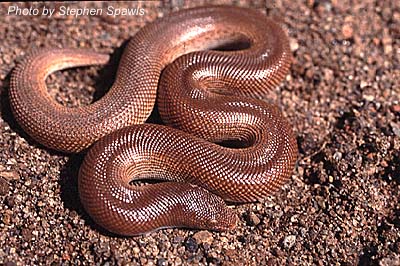


And this situation isn't unique to colubrinus/rufescens. You see a similar dark-backed phase in the NE corner of the range of E. miliaris which are sometimes called known by the old name E. nogaiorum in the hobby.
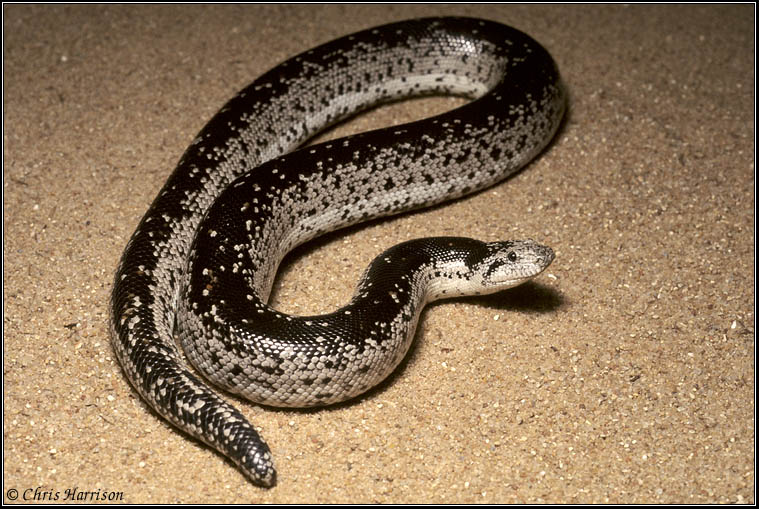


The same is apparently true in some populations of Eryx jayakari.


Melanistic populations of other species of snakes (Natrix, Thamnophis, Vipera, etc.) are well known.


What evidence is there to suggest that they are anything other than melanistic colubrinus?
-----
Chris Harrison

San Antonio, Texas


[ Reply To This Message ] [ Subscribe to this Thread ] [ Show Entire Thread ]


>> Next Message:  RE: What will I get? - scaledverts, Tue Oct 9 21:12:28 2012

<< Previous Message:  RE: What will I get? - scaledverts, Tue Oct 9 00:58:25 2012

Click to visit Classifieds Click here to visit Classifieds Click for 65% off Shipping with Reptiles 2 You
KINGSNAKE.COM

Enjoy all our content free of charge with a user account that gives you full access to every feature. For added visibility, paid options are available - post in our Classifieds, showcase your business with Banner Ads or a Directory listing, promote reptile events, and more.

Quick Links
Community
Legal & Safety
Support

Register for free ✓ Sign up!

Kingsnake.com ® is a registered trademark © 1997-