Posted by:
Damon Salceies
at Mon Feb 26 12:18:10 2007 [ Email Message ] [ Show All Posts by Damon Salceies ]
It's impossible to know what locality that animal came from without data on the parents. With alterna, each geographic area has parameters for morphological variation that shift along a very broad continuum. While each locality tends to share a number of common traits, there are always animals that push the envelope towards the unusual. That being said, nothing about your animal looks like it could have come from lower Presidio county. The low band count, clean sides, lack of alternates, and smooth-edged bands are all traits very frequently seen in the eastern part of the range, but very rarely out west. If it were a river animal, to say it was an anomaly would be an understatement.
Take the following photos for example (all posted in the photo section of Kingsnake.com's Alterna Page)...all are photos of somewhat typical wild-caught animals from the river road:
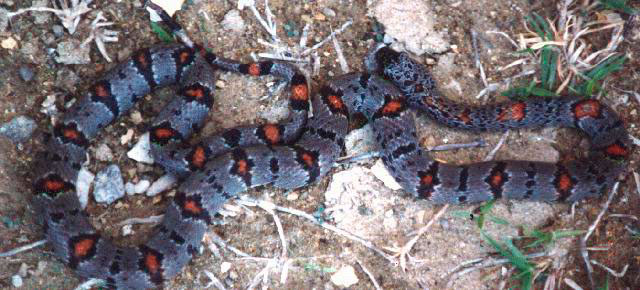
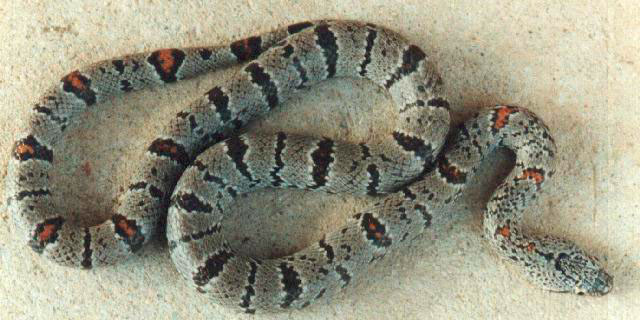
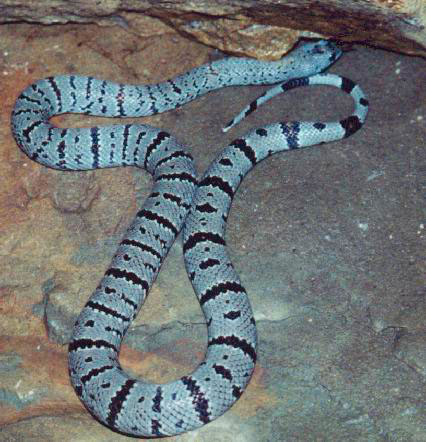
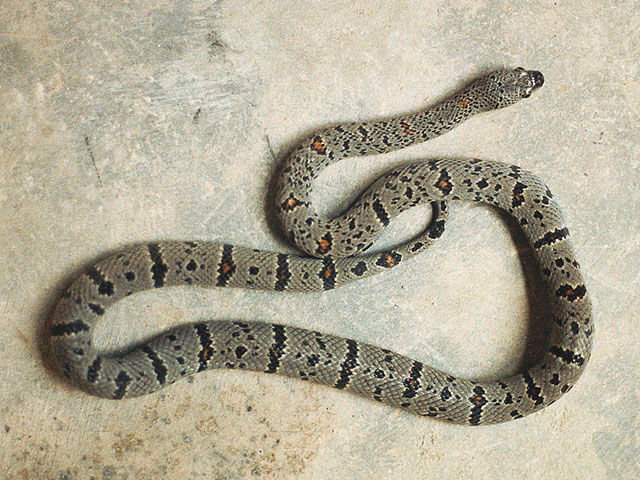
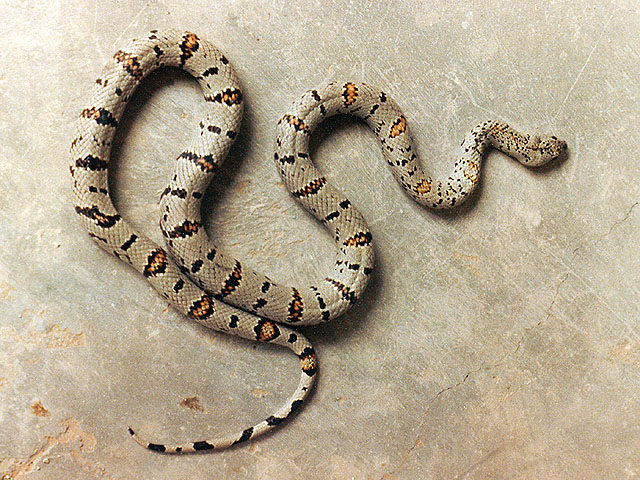
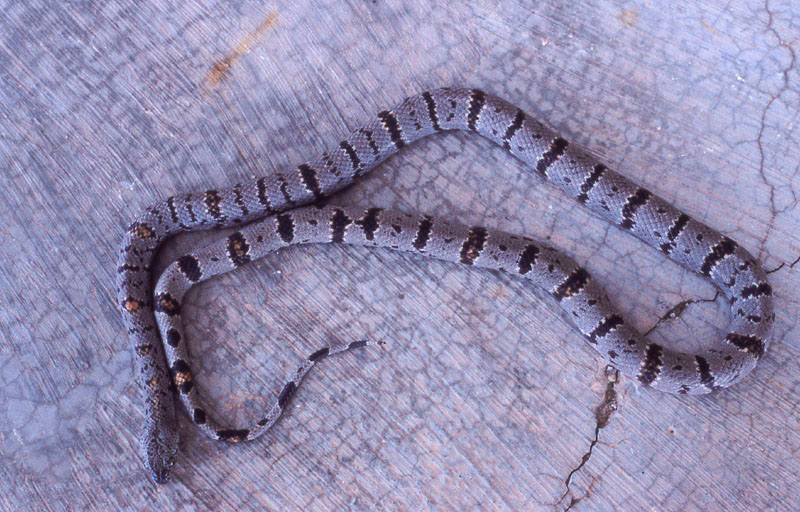
Now here's yours for comparison:

Relative to the other animals it's easy to notice the differences. It has a very low band count relative to the river animals pictured above. It has a very clean pattern and virtually no alternates. It's bands are also very smooth... something none of the other River animals display.
Here are some Alterna Page photos of snakes from the eastern part of the range:
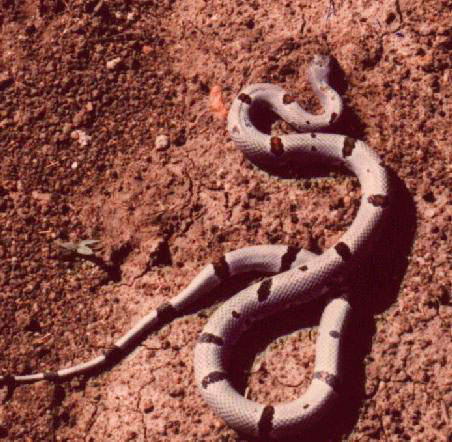
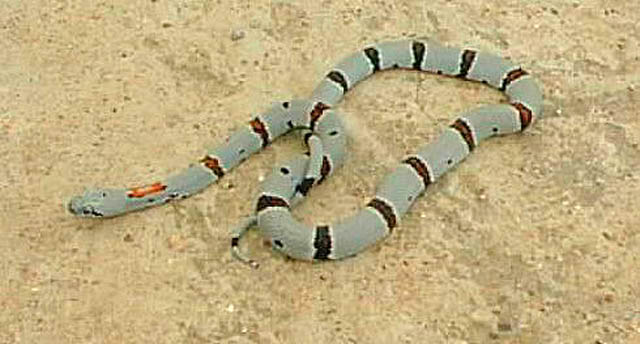
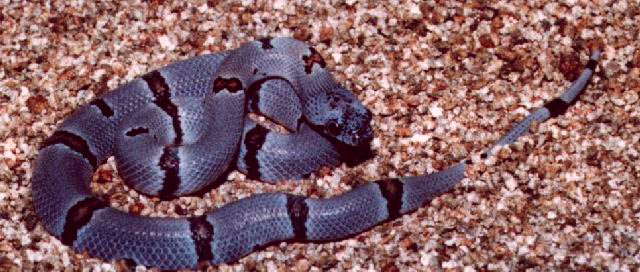
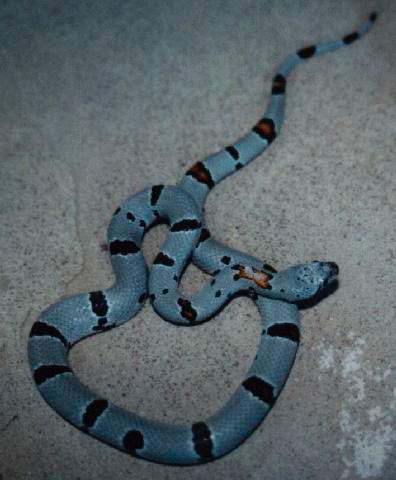
While your animal is pretty exceptional in terms of the width of its black, the similarities between it and the previous four examples is pretty apparent... certainly more apparent than any similarity to the animals in the first series. The assortment of Alterna Page photos of WC alterna morphs from Juno and US 277 is a little slim, but maybe those reading this post who have collected alterna morphs in those areas can post photos to further demonstrate the point. Thin-banded light phase alterna morphs show up pretty frequently on 277 and Juno road (which has a river running next to it coincidentally).
In any case, the only thing I can recommend is to contact the dealer who sold you your snake and make inquiries as to where the breeders that produced your snake came from. It's common for people to get confused about what they have considering how many and how frequently locality names are thrown around. If you can't definitively track down the origins, it's impossible to label the critter with a locality. If you can get some names of the folks who the dealer dealt with to acquire his breeders we may be able to help you track down what your animal is.
[ Hide Replies ]
|








 River road... DUW - Damon Salceies, Mon Feb 26 12:18:10 2007