Posted by:
tspuckler
at Tue May 11 22:27:11 2010 [ Email Message ] [ Show All Posts by tspuckler ]
I accompanied 16 high school students from the Greater Cleveland Area to an outing in Carter Caves, Kentucky. The fist day was relatively cool, with the temperature perhaps reaching 60 degrees and partly sunny. On day two it was mostly sunny with a high temperature of around 65. We found a greater diversity of reptiles and amphibians than our last visit to the caves in 2007.
Day one started with a tour of X-Cave and a hike on a nearby trail. The purpose of the hike was to scope out good herping spots for our return visit to the area that same afternoon.
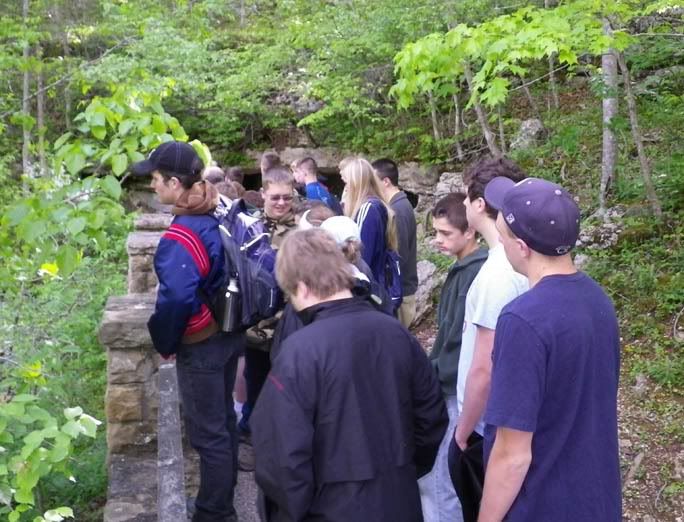
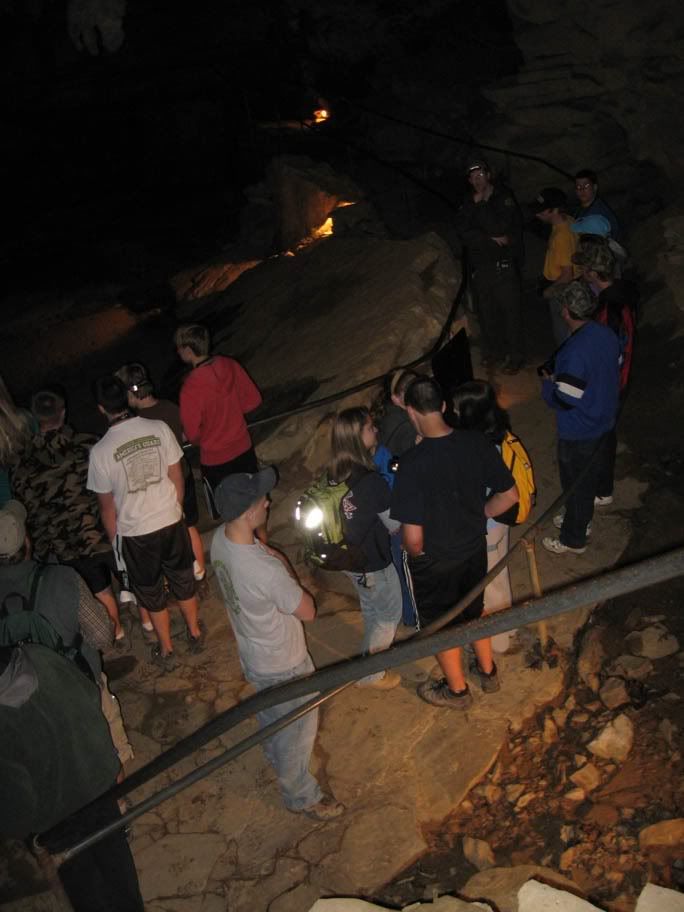
Waiting for the guided tour to start.
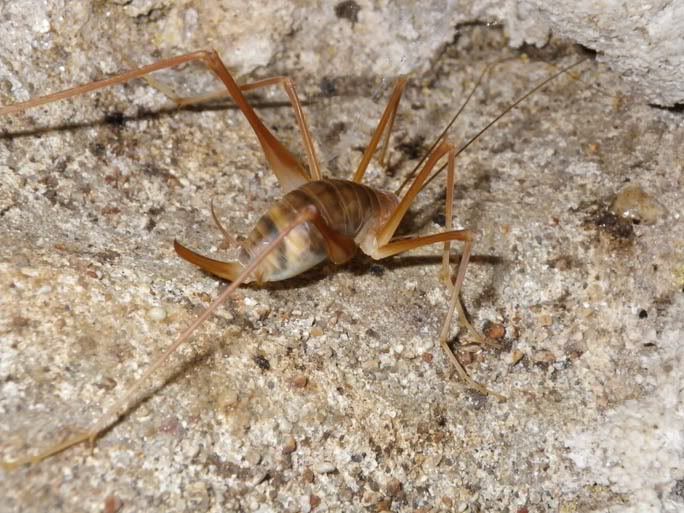
As a kid who used to collect bugs and had a "Golden Guide to Insects" book, I still get a kick out of seeing Cave Crickets.
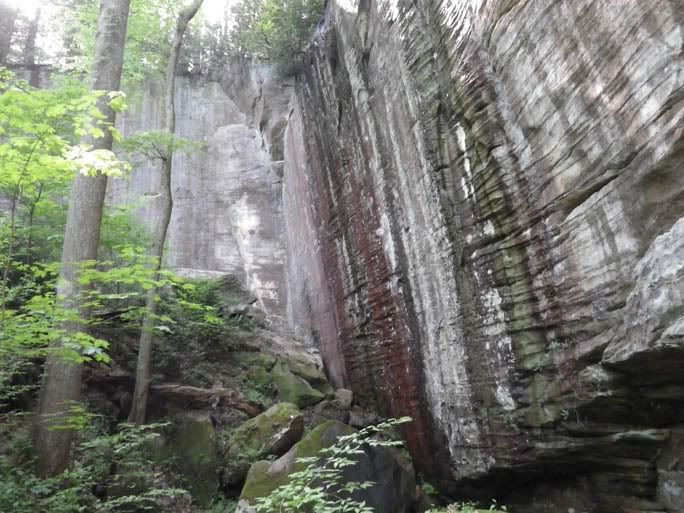
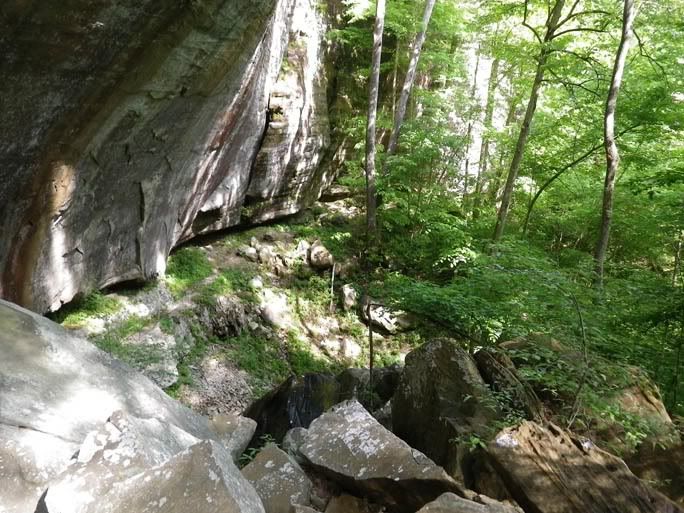
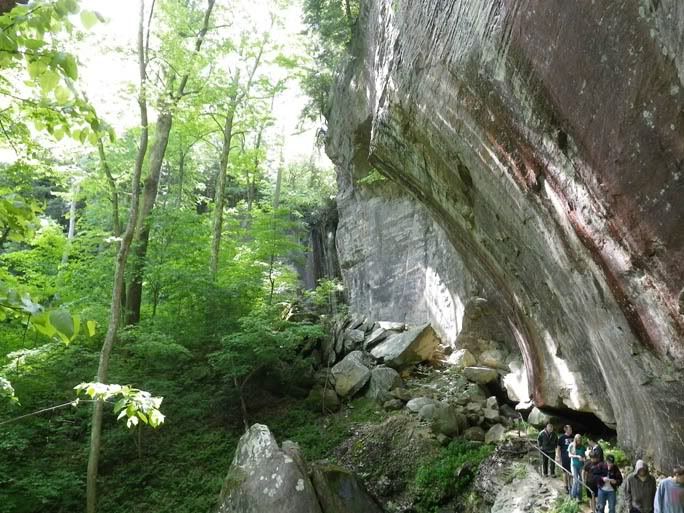
While the inner workings of the caves get a great deal of focus and study, the outside of the caverns are rather scenic and worthy of attention too.
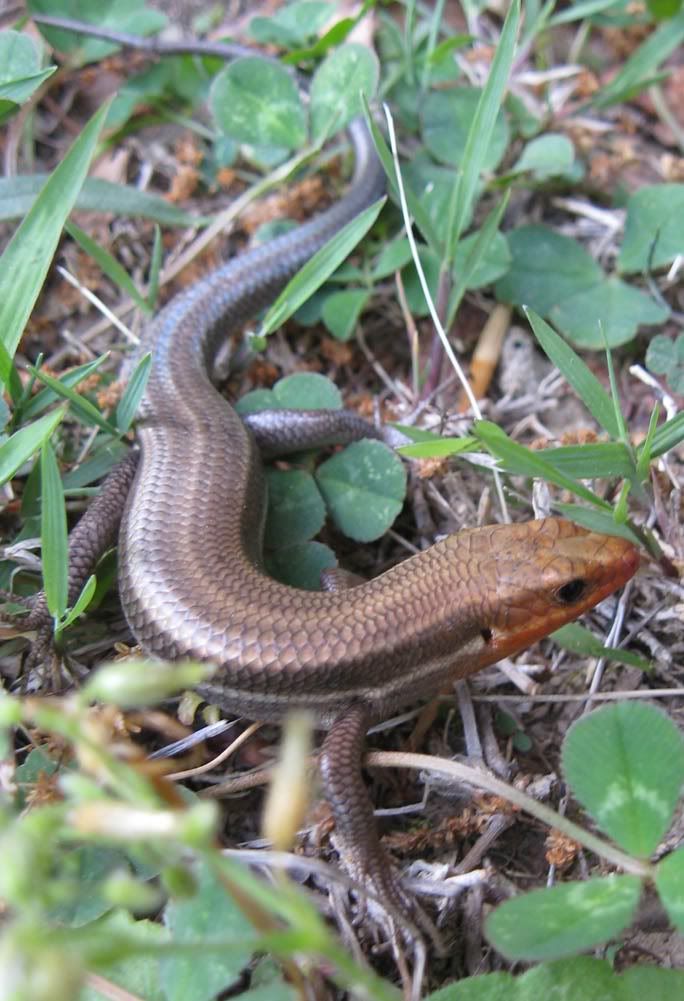
Northeast Ohio is a "lizard poor" area of the United States. For some of the students it was the first time they saw (and in some cases, caught) a wild lizard. This male Five-lined Skink was seen poking its head out of a hiding spot along the trail and with the temperature in the 50s, it was easily caught by one of the students.
The damp conditions seemed to be ideal for Bess Beetles - a large number of them were found.

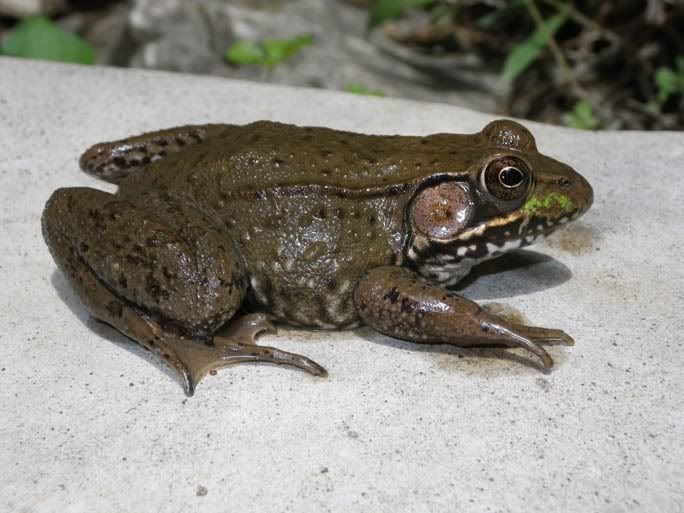
A creek with easy access and a lot of flippable rocks was targeted for further visitation. This Green Frog was spotted on the creek's edge.
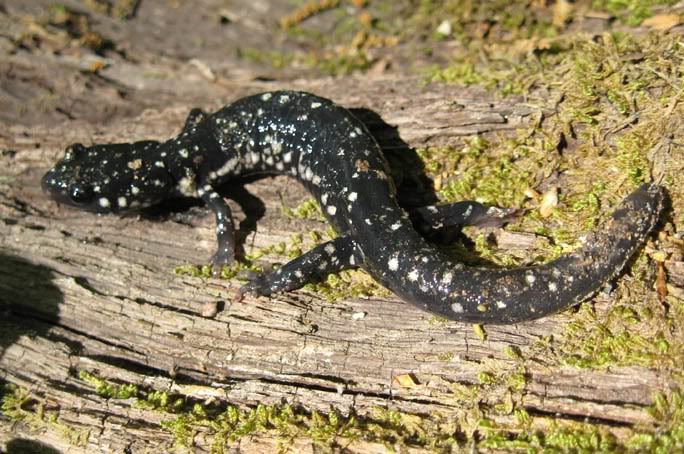
A Slimy Salamander was found on the edge of the trail.
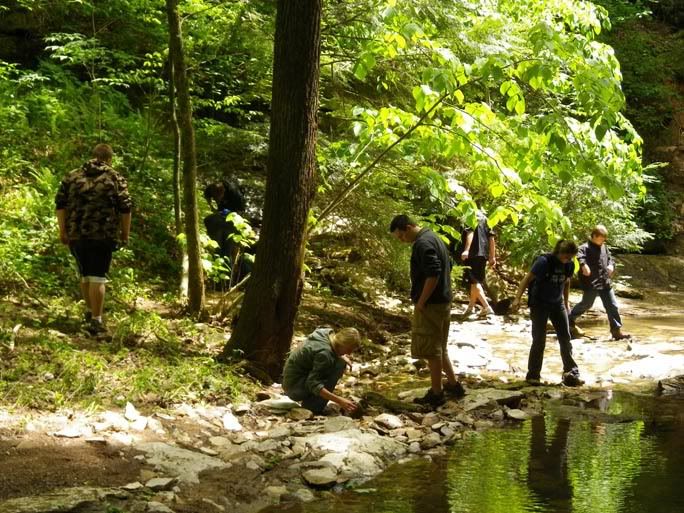
In the afternoon we returned to the creek to see what sort of amphibians we could turn up.
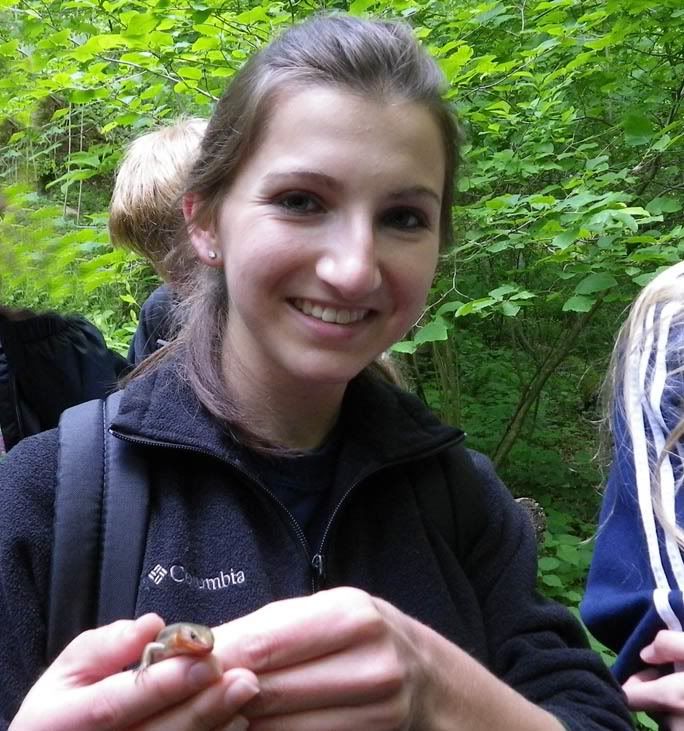
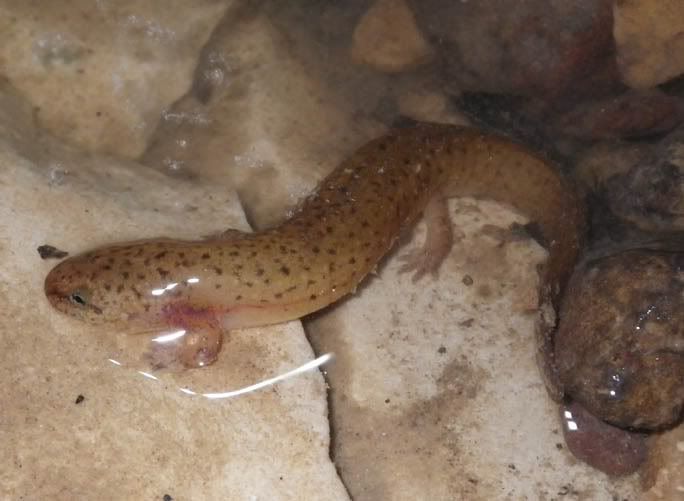
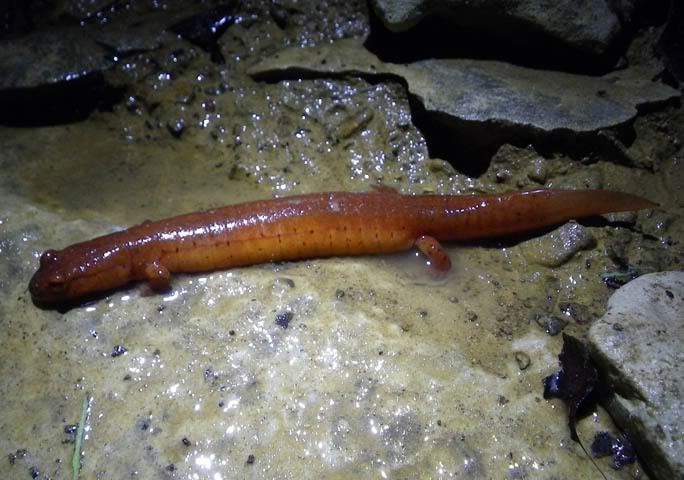
Two or three larval Red Salamanders were discovered.
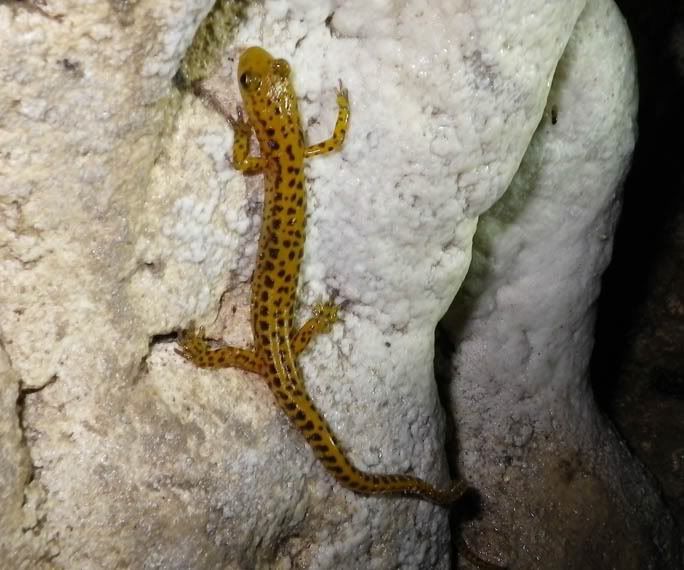
But by far, the students got the most excitement about finding Longtails.
This scarab beetle was on a rock in the creek. I think I've seen pictures of this insect in books, but have never seen one in person - can anyone ID it?

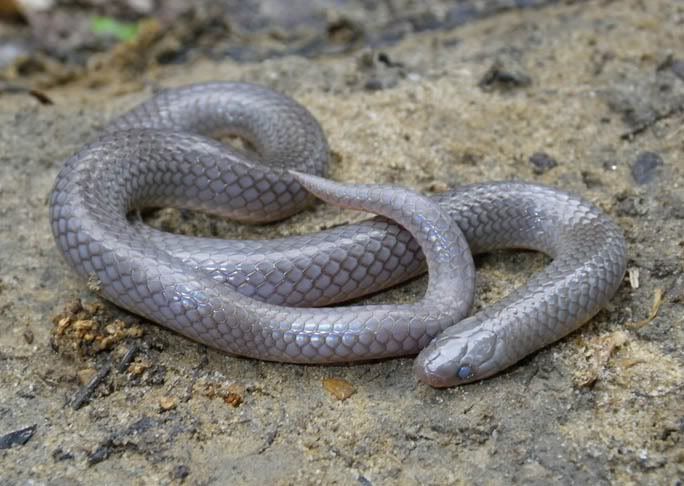
Further exploration down the creek revealed a Beaver Dam and in the floodplain area around it, we found the first snake of the trip - a Midwest Worm Snake (the first of three) deep in shed.
It seemed like before we knew it, our time had run out and we had to return to the lodge for dinner. But a night hike with more creek herping was planned for the evening. We visited a different area that was walking distance from the lodge. I found this cool crustacean.

Although we expected to see a fair number of Dusky and Two-lined Salamanders, the Duskies were far more easy to find - we only saw two or three Two-lined Salamanders on the trip (they're very common where we live). Photo of one of the Dusky Salamanders that was found.
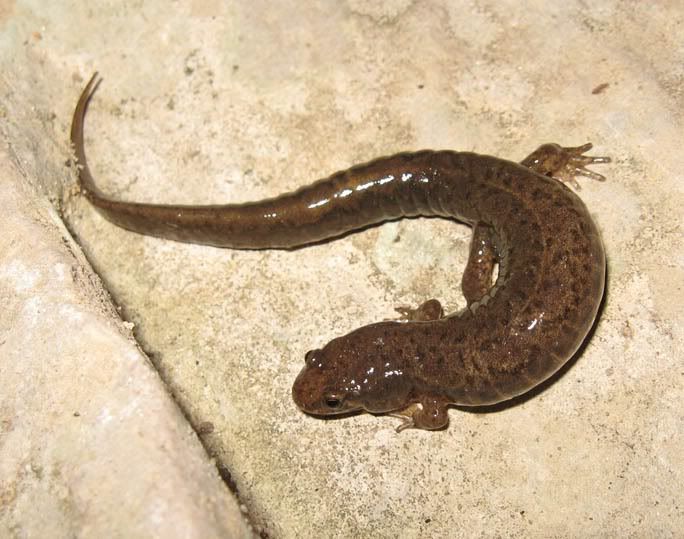
One of the boys informed me that he had caught "a monster." And indeed, this Kentucky Spring Salamander was the largest salamander seen on the trip.
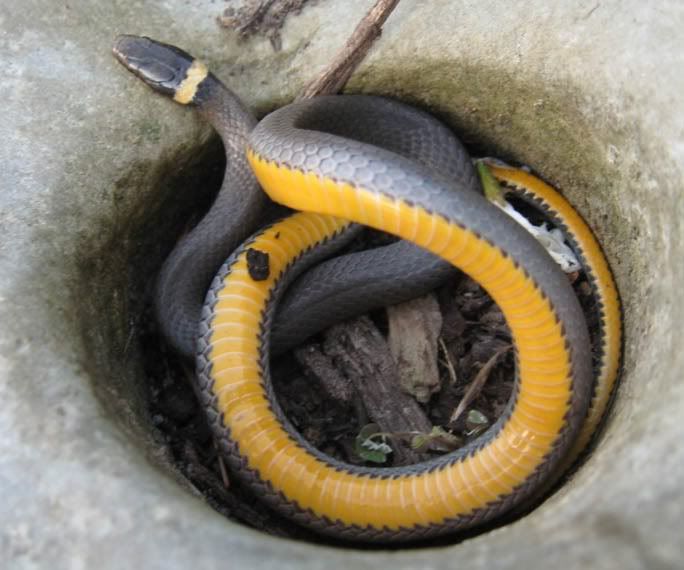
On the way back from the hike, I found my first snake, which we photographed the following morning - a Northern Ringneck.
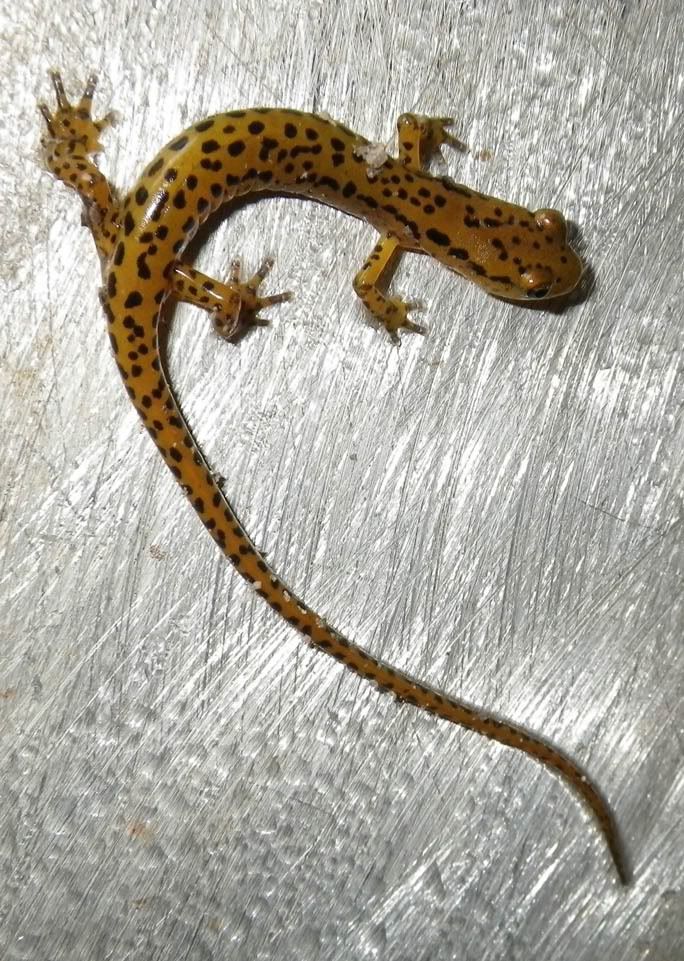
The next day we had a tour of Cascade Cave booked for the morning, followed by canoeing/shoreline herping in the afternoon. This Longtail Salamander was on the inside of the steel door that is at the entrance of Cascade Cave.
Cascade Cave features a 30 foot underground water fall, reflecting pool and excellent tour guide named Kenny.
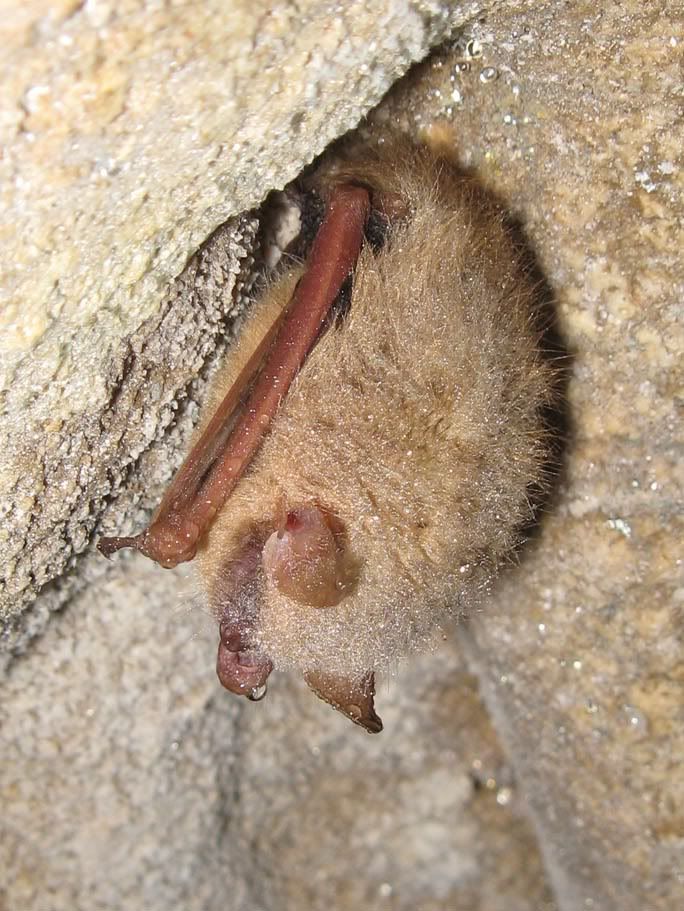
Although most of the caves were closed as a precaution against the bat-killing fungal infection known as white-nose syndrome, we did see Little Brown Bats and Pipistrelles.
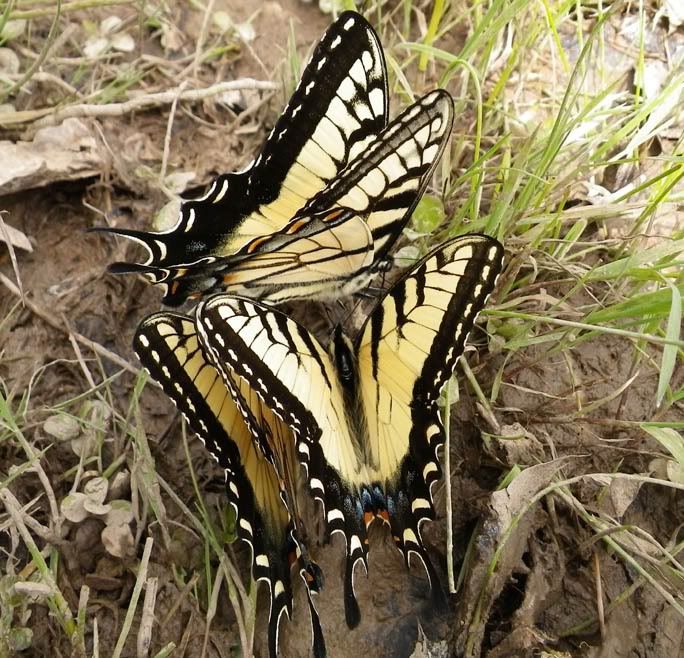
In the afternoon it was about 65 degrees and we headed over to the lake. There were several butterflies allowed themselves to be photographed up-close: Zebra Swallowtail and Red Spotted Purple.

A trio of Tiger Swallowtails.
Does anyone know what this crazy creature is?

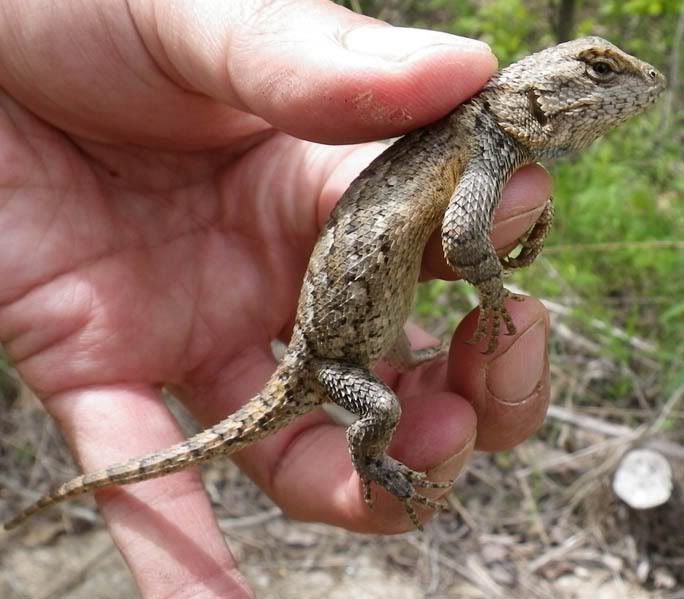
The conditions were good enough for Fence Lizards to be out, so we captured a few. I've caught my share of "ugly" Eastern fence Lizards, but these were kind of colorful...for a Fence Lizard.
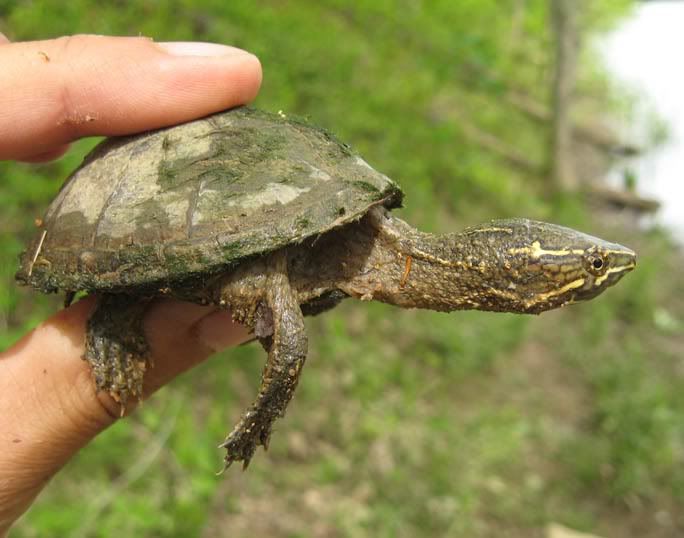
The first turtle discovered on the trip was this small Stinkpot, which didn't mind at all using its musk defense tactic and willingness to bite to show that it shouldn't be messed with.
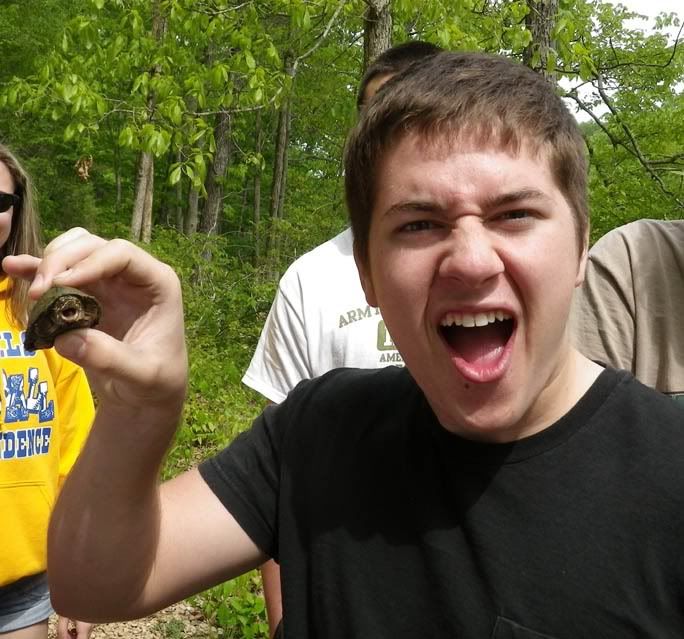
Some students chose to emulate the cantankerous turtle.
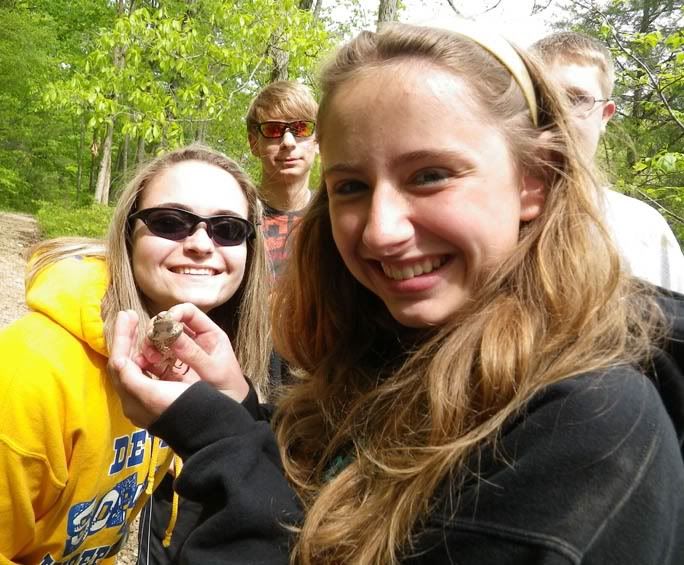
While others found that the more mild-mannered Fence Lizards suited their personalties.
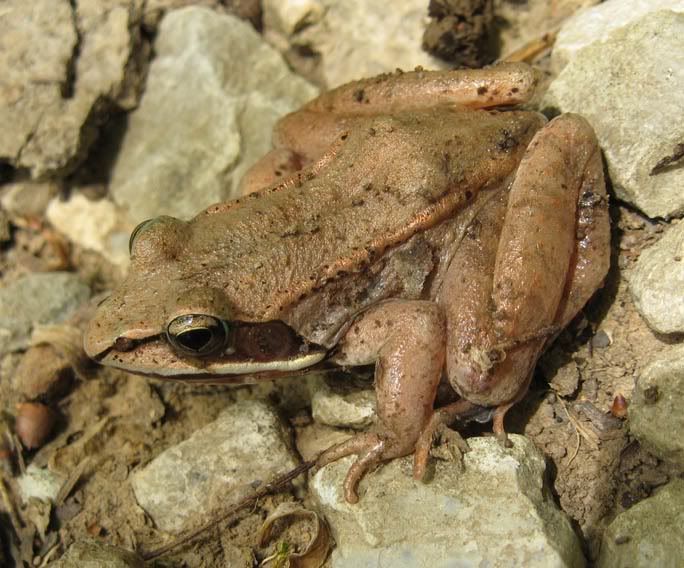
For some reason, I wasn't expecting to find a Wood Frog - but was glad that we did.
A few additional Five-lined Skinks were seen as well.
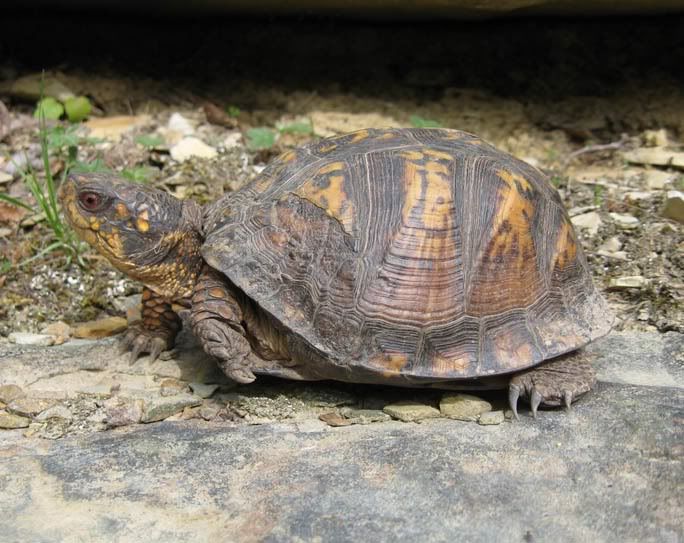
After we got back to the lodge, three students decided that they didn't want to stop herping, so we went on a short hike and came up with our second turtle of the trip - an Eastern Box. It looks like it had some significant shell damage in the past, but otherwise seemed healthy.
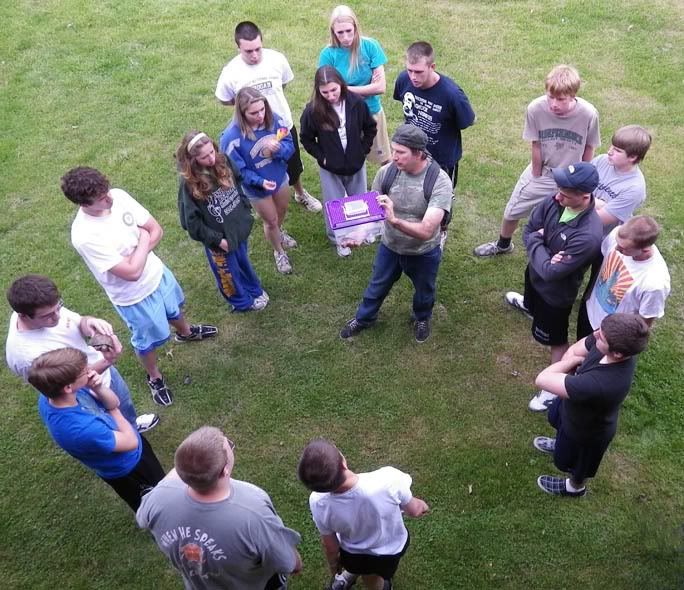
As the trip came to a close, I gave a presentation on the herps we had found.
One last solo hike produced my final find (and a good one) - an Eastern Black Kingsnake.

It was a fine way to spend a couple of days in early May!
Third Eye
[ Show Entire Thread ]
|