Reptile & Amphibian Forums

Welcome to kingsnake.com's message board system. Here you may share and discuss information with others about your favorite reptile and amphibian related topics such as care and feeding, caging requirements, permits and licenses, and more. Launched in 1997, the kingsnake.com message board system is one of the oldest and largest systems on the internet.

Click here to visit Classifieds
https://www.crepnw.com/
Click here to visit Classifieds

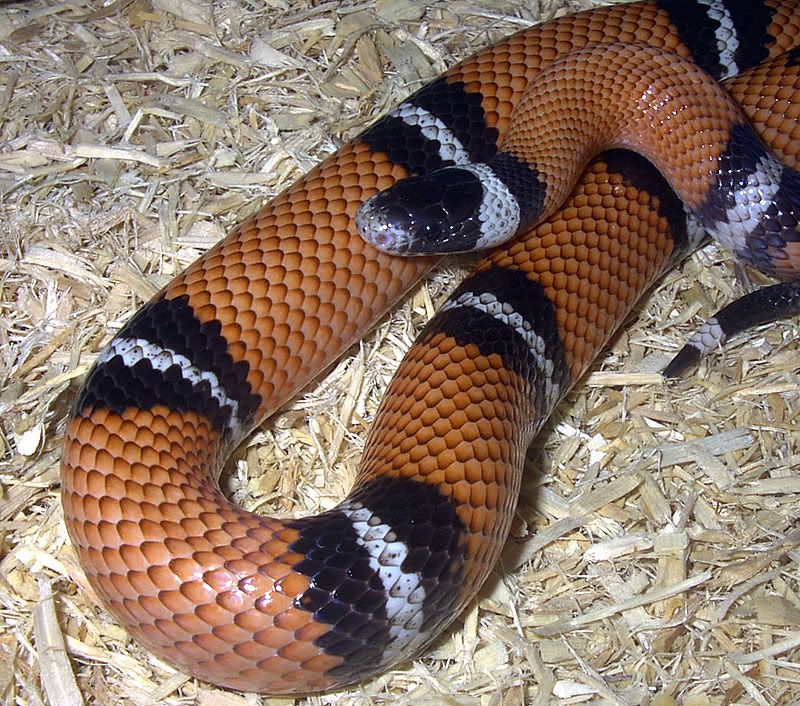
Sinaloan Temps, Humidity, and Breeding

reako45 Apr 19, 2006 01:03 AM

Is there any info specifically about the proper temps and humidity for L.t. sinaloae? Reason I'm asking is cuz most of the heating info for Milksnakes seems generalized, but I'm guessing it'd be different for L.t. syspila(sp?) as opposed to sinaloae cuz they're from different locales (Still looking for info on the typical seasonal climates of the Mexican state of Sinaloa). Read on Applegate's website that he hunted them in Mazatlan, and attended a lecture last month about herping in Mexico. I've been to Mazatlan in late December and the weather was 60's & 70's. Not even cold @ night. To breed sinaloae do you completely hibernate/brumate them or just a general cool down? Forgot what time of year the lecturer said he was in Sinaloa, but he said it was hot. I'm wondering hot & dry or hot & humid.

reako45

Replies (6)

markg Apr 19, 2006 01:33 AM

Much of Sinaloan milksnake habitat is rather humid, though in the northern part of the range it is less so. It has its wet season and dry season, but overall, there is more ambient humidity than say, Cal kingsnake habitat by far.

Sinaloans relish a slightly damp area that is allowed to dry outa little before dampening again. Shredded coconut husk substrate works well for this.

Their skin is a little thinner than getula. Thinner skin is usually associated with humid environs.

Gets rather warm in their range, but they spend alot of time underground or under cover. The temperature under ground is more stable and cooler, as well as the humidity under there being more moderate than above ground. That is why Sinaloans seem OK with typical captive conditions.

tspuckler Apr 19, 2006 08:14 AM

In addition to markg's comments, I'd like to add Sinaloan's are typically late breeders.

Tim
Third Eye
Third Eye

Nathan Wells Apr 19, 2006 07:16 PM

I have to totally agree with what both Mark and Tim have said, especially with Mark's comment about sinaloans doing fine under typical captive conditions.
I keep a very large and diverse collection (nearly 75 specimens) of sinaloae and nelsoni and have to say that they have been some of the easiest triangulum to work with. I maintain daytime temperatures of 80 to 82 degrees with a slight drop of 76 to 78 degrees in the evenings. I am usually not too concerned about humidity, since east Texas (where I reside) can produce unbearably humid conditions at times.
Nathan
Image

reako45 Apr 20, 2006 01:05 AM

Thank you guys for the great info. Tim, what did you mean by "late breeders"? I have an '05 Sinaloan female, so breeding is a good ways off. Also I live in the San Fernando Valley part of California where dry spells, depending on the weather can be frequent. I keep my Sinaloan on sani chips, but am going to move to coconut husk since it holds humidity better. I'm also going to try a bit of slightly damp moss. Am I right to guess humidity should be around 40%-60%? Once again, thank you all.

reako45

tspuckler Apr 20, 2006 09:35 AM

I usually don't get nelsoni babies until September and sometimes even October. This is later than when eggs start hatching for my Pueblans, corns and kings (typically July).

For me, Hondurans are "kinda late," usually hatching in August - but Nelson's are by far the last snakes to breed and produce eggs in my collection.

I also agree with Nathan's statement about how easy these snakes are to keep - just like a corn snake. In my opinion they are the best of the popularly bred milksnakes when it comes to disposition/tameness/ease of handling.

Tim

morgan_so_cal Apr 26, 2006 11:21 AM

I wouldnt worry too much about shedding problems. I do the same for all my snakes: about 3 days after they turn "blue", I put a deli cup with moist sphagnum or carefresh directly into the cage. Most of mine use the humid hide like clockwork.
-----
1 Eastern Blue Tongue Skink
2 Tarahumara Mountain Kingsnakes - Knoblochi
1 Thayer's Kingsnake - Thayeri
2 Golden Greek Tortoises
1 Pyxie Frog - 14 years old

Site Tools