

It took considerable time, driving, and 3-different cameras, but I finally was able to obtain images of all California Anura.
ANURA (Frogs)
ANAXYRUS (Toads)

Anaxyrus boreas, Western Toad
A. b. boreas, Boreal Toad

A. b. halophilus, California Toad. This widespread Anaxyrus occurs in virtually every geographic region and environment, except extremely cold altitudes and arid deserts lacking adequate moisture and reproduction sites.
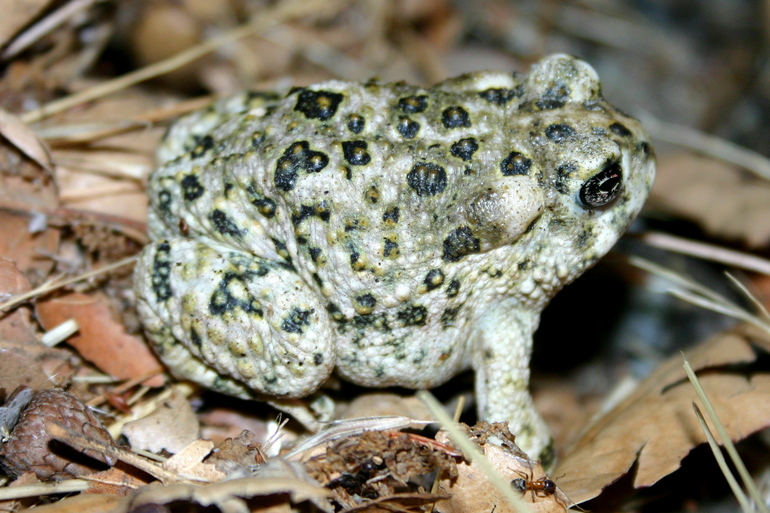
Anaxyrus californicus, Arroyo Toad. This is a moderate-size, multi-patterned toad, lacking cranial crest and obvious middorsal stripe. Its many warts give it a rough-skin appearance.

Anaxyrus canorus, Yosemite Toad. It inhabits some of the most seemingly pristine regions of California, sometimes utilizing glacier-fed pools above the timberline for reproduction.

Anaxyrus cognatus, Great Plains Toad. Along Colorado River, toads were spotted feeding on insects attracted to motel lights.

Anaxyrus exsul, Black Toad. Inhabits Basin Mountain Range where confined to grass, reeds, and moisture-depended, Riparian Scrub of springs, surrounded by arid Sagebrush Shrub in Deep Springs Valley, Inyo County.
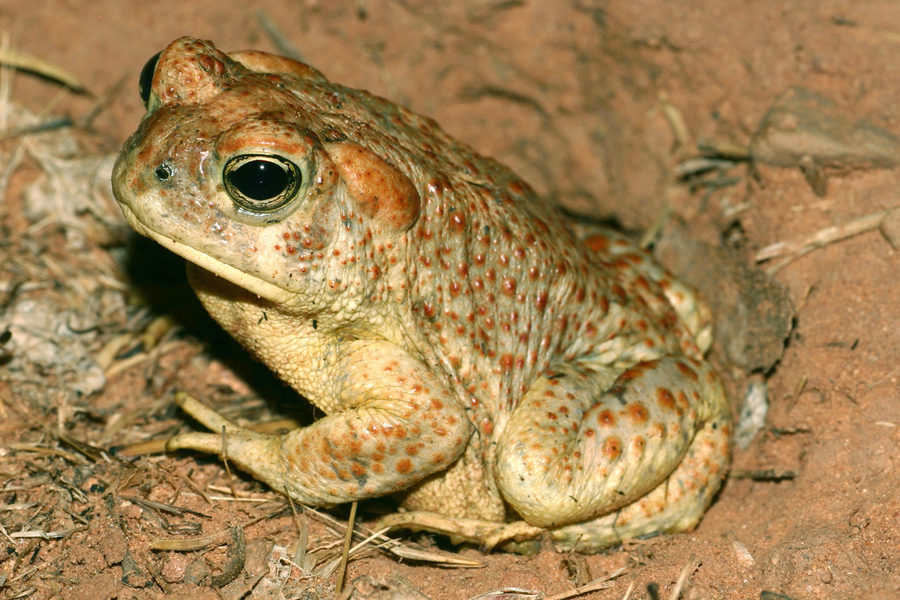
Anaxyrus microscaphus, Arizona Toad (†). Historically, before colossal dam’s decimated habitat along the Colorado River, it was known from a single location about Fort Mohave Indian Reservation near California-Nevada border.

Anaxyrus punctatus, Red-spotted Toad. A true desert survivor, this toad exists in extremely arid regions of Great Basin, Mojave, Colorado, and Sonoran Deserts. Desert conditions are harsh, and this amazingly toad endures often where no other amphibians exist

Anaxyrus woodhousii, Woodhouse’s Toad
A. w. woodhousii, Woodhouse’s Toad. As Anaxyrus cognatus (Great Plains Toad), which it regularly occurs with, continuous distribution is presumed to parallel extent of Colorado River.
ASCAPHUS (Tailed Frog)

Ascaphus truei, Western Tailed Frog. At night with the aid of an illuminated lantern, frogs were detected beside rocky-flowing stream, and in splash-zone of trickling cascade in Redwood Forests.
CRANOPSIS (Sonoran Desert Toad)
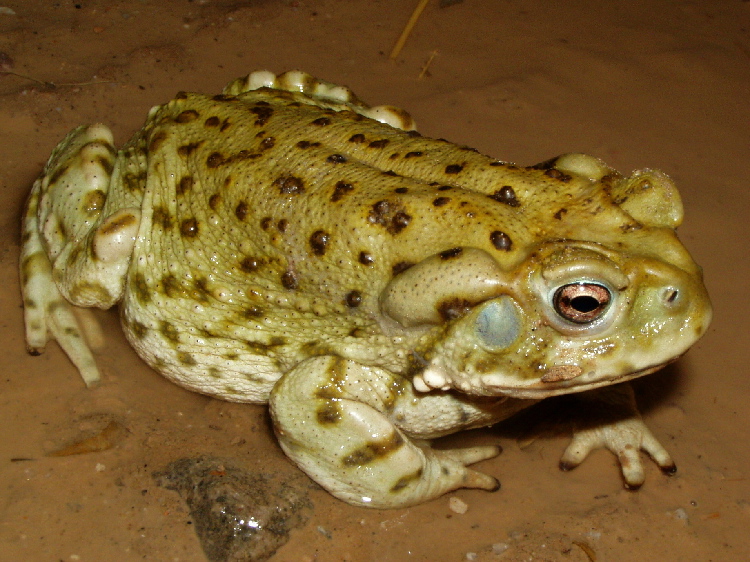
Cranopsis alvaria, Sonoran Desert Toad (†). Due to its scarcity and possible extirpation from California, it was necessary to travel to Arizona to study this toad.
LITHOBATES (American Bullfrog and Leopard Frogs)
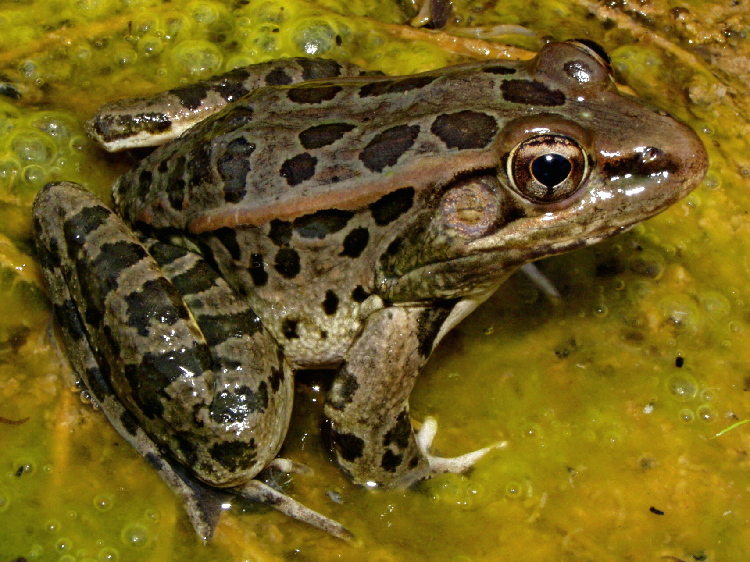
Lithobates berlandieri, Rio Grande Leopard Frog. At night, especially during humid weather may venture away from water, cross roads and enter agricultural fields in search of prey.
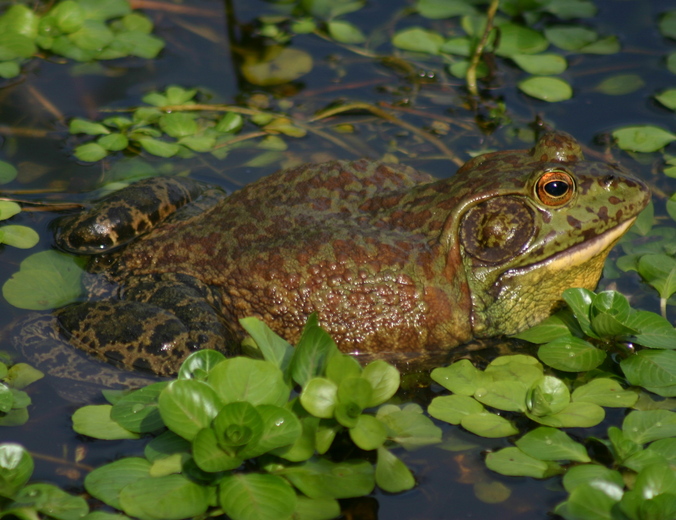
Lithobates catesbeianus, American Bullfrog. Active year-round during favorable condition, I have observed L. catesbeianus in every month of the year.

Lithobates pipiens, Northern Leopard Frog. One of the most broadly distributed frogs in North America with over 99% of its distribution existing outside California.

Lithobates sphenocephala utricularia, Southern Leopard Frog. In 1920’s Southern Leopard Frog (Lithobates sphenocephala) were deposited into drainage of Santa Ana River in Southern California. After briefly expanding their range, they have since dwindled.
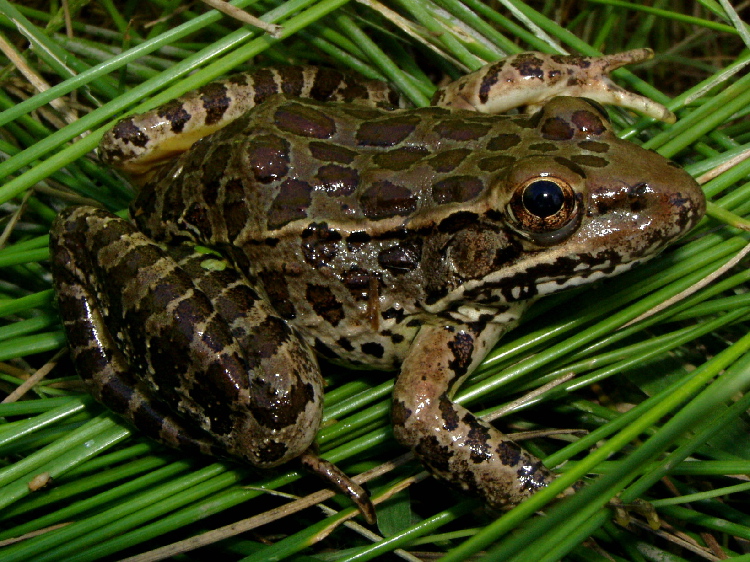
Lithobates yavapaiensis, Lowland Leopard Frog (†). Due to its scarcity and possible extirpation from California, it was necessary to travel to Arizona to study this frog.
PSEUDACRIS (Chorus Frogs)

Pseudacris cadaverina, California Treefrog. During raining conditions, when observations were done by vehicle, it was occasionally spotted on roads far from water.

Pseudacris regilla, Pacific Treefrog. An abundant species regularly consumed by a variety of predators, thus in areas where it occurs populations contribute to a salubrious ecosystem.
P. r. cascadae, Cascades Treefrog

P. r. pacifica, Coast Treefrog

P. r. regilla, Northern Pacific Treefrog
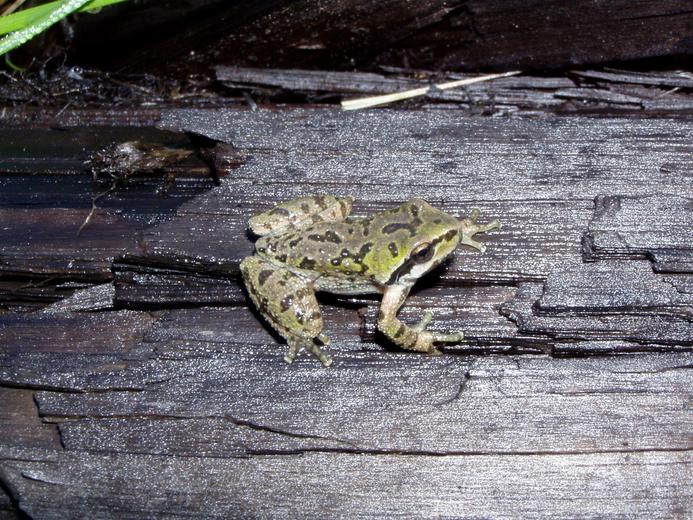
P. r. sierra, Sierra Treefrog

P. r. hypochondriaca, Southwestern Treefrog
RANA (True Frogs)

Rana aurora, Northern Red-legged Frog. Frequently found on roads during rainy weather. On 13 January when cruising Comptche-Ukiah Road in Mendocino County, a frog surprised me when it leaped from high, roadside cliff and landed on pavement preceding my vehicle unharmed.

Rana boylii, Foothill Yellow-legged Frog. Frogs inhabiting cold, densely-shaded, forest streams appear to congregate in sections where gaps in the canopy permit sun to shine down.
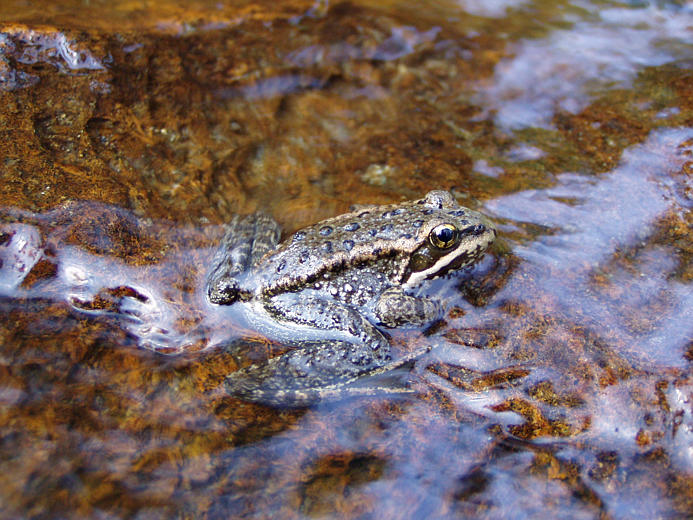
Rana cascadae, Cascades Frog. Unheeding, it often permits remarkably close examination. Thus, it is an easy frog to photograph when slowly approached, because it remains still allowing the photographer to setup camera-tripod and obtain a clear, natural image.

Rana draytonii, California Red-legged Frog. In areas where this species continues to exist, it is common to encounter frogs on roads far from water during wet weather.

Rana muscosa, Southern Mountain Yellow-legged Frog. Possibly the most endangered animal in North America. Studies have shown that even in seemingly pristine regions this frog has disappeared.

Rana pretiosa, Oregon Spotted Frog (†). Due to its scarcity and possible extirpation from California, it was necessary to journey to Oregon to study this species.

Rana sierrae, Sierra Mountain Yellow-legged Frog. A crucial, sizable population inhabits a creek in Inyo County, where water originates as a spring, filtering up through the earth to conceivably supply an unadulterated, pollution free environment; and no introduced predators (pers. observ.). Nevertheless, this area is too in jeopardy because hefty herds of cattle disturb, trample, and defecate in and about the creek. Native Americans frequenting the region mention, rather than removing cattle from sensitive areas, new herds are being brought to the area (pers. comm. 2003). Due to the abundance of amphibian prey at this location, Thamnophis elegans (Terrestrial Garter Snake) abound.
SCAPHIOPUS (Southern Spadefoot)
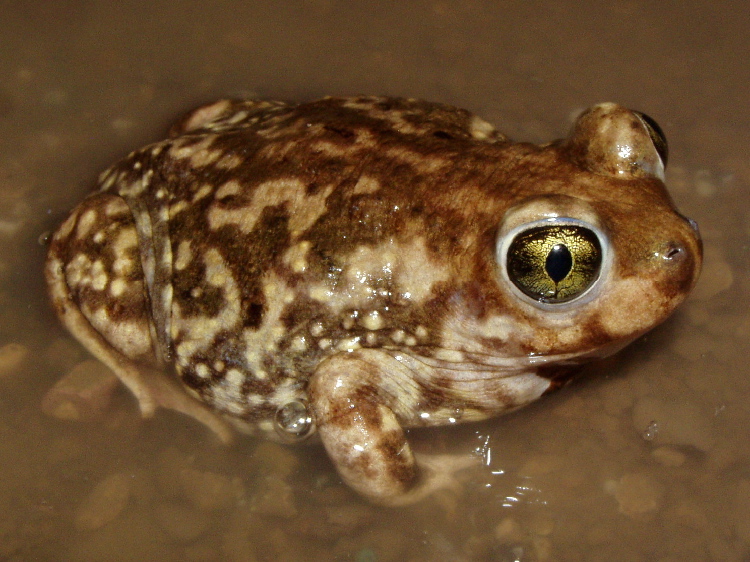
Scaphiopus couchii, Couch’s Spadefoot. Spadefoots are suspected to inhabit additional washes draining to Colorado River. However, washes are difficult to reach and compounding thunderstorms and flashfloods (time when spadefoots are primarily active) make exploring for new populations difficult.
SPEA (Western Spadefoots)
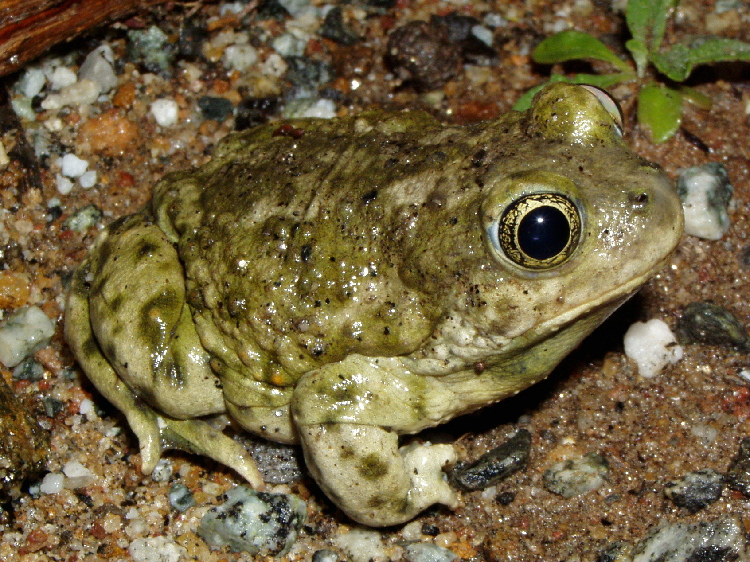
Spea hammondii, Western Spadefoot. Traditionally this spadefoot is recognized to be active from November to May. However, rain is a better indicator of surface activity than warm temperature or season, because S. hammondii has been encountered on wet roads in 4C (40’sF) temperature and during rainy conditions in June, July and August.

Spea intermontana, Great Basin Spadefoot. Morphologically identical to Spea hammondii (Western Spadefoot), but vaguely differs by possessing low boss between eyes.
XENOPUS (Clawed Frog)

Xenopus laevis, African Clawed Frog. A generalist species, capable of tolerating wide-range of conditions from lakes with frozen surface to heated desert ponds; will aestivate during dry periods and can sustain semi-salted water.
X. l. lavis, African Clawed Frog
CATALOG OF CALIFORNIA ANURA
ANURA (Frogs)
ANAXYRUS (Toads)
Anaxyrus boreas, Western Toad
A. b. boreas, Boreal Toad
A. b. halophilus, California Toad
Anaxyrus californicus, Arroyo Toad
Anaxyrus canorus, Yosemite Toad
Anaxyrus cognatus, Great Plains Toad
Anaxyrus exsul, Black Toad
Anaxyrus microscaphus, Arizona Toad (†)
Anaxyrus punctatus, Red-spotted Toad
Anaxyrus woodhousii, Woodhouse’s Toad
A. w. woodhousii, Woodhouse’s Toad
ASCAPHUS (Tailed Frog)
Ascaphus truei, Western Tailed Frog
CRANOPSIS (Sonoran Desert Toad)
Cranopsis alvaria, Sonoran Desert Toad (†)
LITHOBATES (American Bullfrog and Leopard Frogs)
Lithobates berlandieri, Rio Grande Leopard Frog
Lithobates catesbeianus, American Bullfrog
Lithobates pipiens, Northern Leopard Frog
Lithobates yavapaiensis, Lowland Leopard Frog (†)
PSEUDACRIS (Chorus Frogs)
Pseudacris cadaverina, California Treefrog
Pseudacris regilla, Pacific Treefrog
P. r. cascadae, Cascades Treefrog
P. r. pacifica, Coast Treefrog
P. r. regilla, Northern Pacific Treefrog
P. r. sierra, Sierra Treefrog
P. r. hypochondriaca, Southwestern Treefrog
RANA (True Frogs)
Rana aurora, Northern Red-legged Frog
Rana boylii, Foothill Yellow-legged Frog
Rana cascadae, Cascades Frog
Rana draytonii, California Red-legged Frog
Rana muscosa, Southern Mountain Yellow-legged Frog
Rana pretiosa, Oregon Spotted Frog (†)
Rana sierrae, Sierra Mountain Yellow-legged Frog
SCAPHIOPUS (Southern Spadefoot)
Scaphiopus couchii, Couch’s Spadefoot
SPEA (Western Spadefoots)
Spea hammondii, Western Spadefoot
Spea intermontana, Great Basin Spadefoot
XENOPUS (Clawed Frog)
Xenopus laevis, African Clawed Frog
X. l. lavis, African Clawed Frog

http://mysite.wanadoo-members.co.uk/Catalog/index.jhtml
