Reptile & Amphibian Forums

Welcome to kingsnake.com's message board system. Here you may share and discuss information with others about your favorite reptile and amphibian related topics such as care and feeding, caging requirements, permits and licenses, and more. Launched in 1997, the kingsnake.com message board system is one of the oldest and largest systems on the internet.

Click here to visit Classifieds
Click for ZooMed
Click here to visit Classifieds

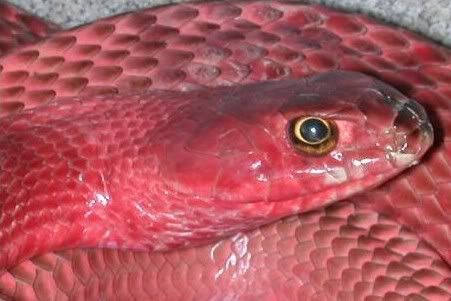
How to color a snake in nature

Sighthunter Jul 03, 2007 11:28 PM

There are over 600 Carotenoids found in nature and about seven to ten that involve transferable color. Of those there are four that are stable in the host. There is one pink-red, one orange red, and two yellow. The natural source for the two red colorants in nature are xxxxxxxxx and xxxxxxxx. The direct source in nature is insects , crustaceans, birds bird chicks and wild bird eggs. These Carotenoids are found in the exoskeleton of these invertebrates hence their red color when boiled, and birds. These pigments are stored in the flesh and Carotin (not to be confused with Carotene) of host animals such as lizards, bats, fish and birds feeding on them. These pigments are responsible for the bright colors in bird feathers, fishes scales and yes reptile scales (Scales are made of Carotin). A diet of domestic mice are void of these essential carotenoids unless supplemented. The poultry and fish industry has to supplement certain Carotenoids to make your egg yokes yellow-orange, chicken flesh yellow and salmon pink. A pink flamingo is white without xxxxxxxx and Salmon flesh is white like trout without xxxxxxxxx. In humans xxxxxxxxxx was sold as a no sun tanning oral supplement. Imported and wild caught reptiles often come in with vivid coloration and fade with time. I have seen Yellow-tailed Cribos come in orange yellow and turn almost white as time goes by. I have seen captive hatched yellow-tail Cribos that were almost white turn vivid orange-yellow a mirror image of the nicest import when supplemented. Why? My hunch was the imports were raiding bird nests, hatchlings gut loaded with insects. I have accounts from Barry Kuen who has now caught four screaming orange Trans Pecos Rat-snakes in his 40 or so years of collecting and when asked why he released them his reply was they only fed on lizards. Go figure. Since these Carotenoids are stable once in the host they will be there for years but birds will shed feathers and snakes will shed skin thus diluting effects over time. A captive specimen under stress will convert the Carotenoids in its flesh into vitamins. Here is the actual color at work. These grasshoppers were boiled and here is the result. The Carotenoid has come to the surface showing the actual process in which the acid in the gut chemicaly reacts with the Carotenoid expressing color.

Scenario If a youngster has had a first meal of grasshoppers (which contain the same red in their exoskeleton as lobster) red when boiled, might get a jump on the red game likewise switching to lizards that feed on grasshoppers again, source for red. The highest concentration of these Cartenoids are found in first certain insects, secondary hosts are lizards, birds and Bats. Rodents seldom have these carotenoids in great amount. You will find red and pink specimens in populations of otherwise brown specimens. Since I have been raising coachwhip snakes for 12 years now I have noticed (1), wild red specimens fade to a dull pink within two years. (2) when supplemented will turn bright pink or red again. (3) hatchlings with no supplement will not color up well. (4) with supplement will start expressing red as hatchlings once feeding. (5) I have had two year olds that were still brown without supplement. I have been using two nature exact carotenoids not carotene as in carrots but nature exact Carotenoids that mimic an insect diet rich in red color. The interesting thing about Carotenoids is that an animal can manufacture vitamins by using the carotenoids found in it’s flesh and skin. Carotenoids are not vitamins but like beta-carotene your body can use it to make vitamin A. The second benefit is it is used for reproduction. Ever notice how orange a wild egg yoke is? Ever notice how red salmon eggs and flesh are? That is the color of the nature exact Carotenoid and yes increases fertility
-----
"Life without risk is to merely exist."

Replies (22)

Sighthunter Jul 03, 2007 11:56 PM

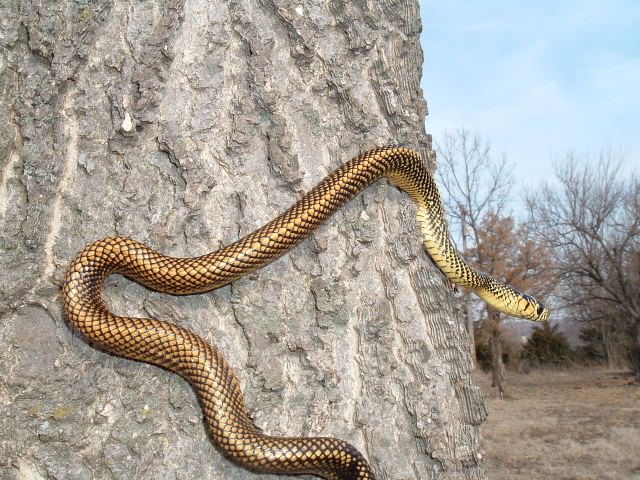
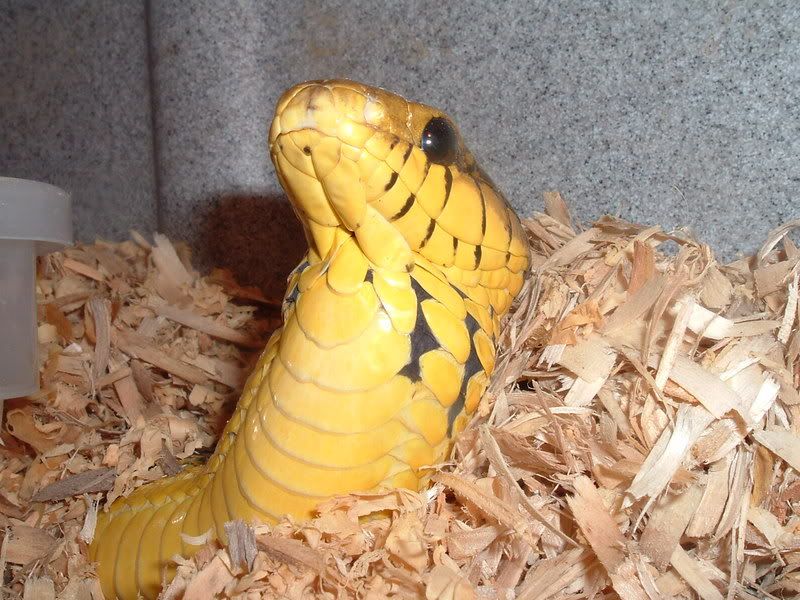
A red factor Canary has a gene from a red siskin. Without a certain carotenoid supplement the feathers are yellow. With the supplement the feathers are red. Some carotenoids will add color with no gene present but the carotenoid responsible for coloring feathers and scales in most cases has to have a gene present that uses the Carotenoid. Just as not all birds are flamingos and not all snakes are coachwhips yet I have now witnessed the effects on seven species of snake. Yellow species, albino, and red species are most dramatic. Carotenoids have added color to the following. Yellowtailed Cribo, Grey Banded Kingsnake, Bull Snake, Albino Rosy, Trans Pecos Ratsnake, Coachwhip, spilotes and Unicolor Cribo. The effects vary from species to species but is dramatic in some cases. Here is a Greyband that had light yellow centers in the orange.
Here are a few examples.


-----
"Life without risk is to merely exist."

peach Jul 04, 2007 07:36 AM

Really interesting post, yes captive diets are nothing compared to nature. How would you suggest that we suppliment the food we feed?

I do breed my own rodents but if they do not hold onto the Carotenoids then not sure to how to achieve this tbh.

Certainly makes you think anyway.

Lou
-----
ratsnakefoundation.org society

Sighthunter Jul 04, 2007 09:30 AM

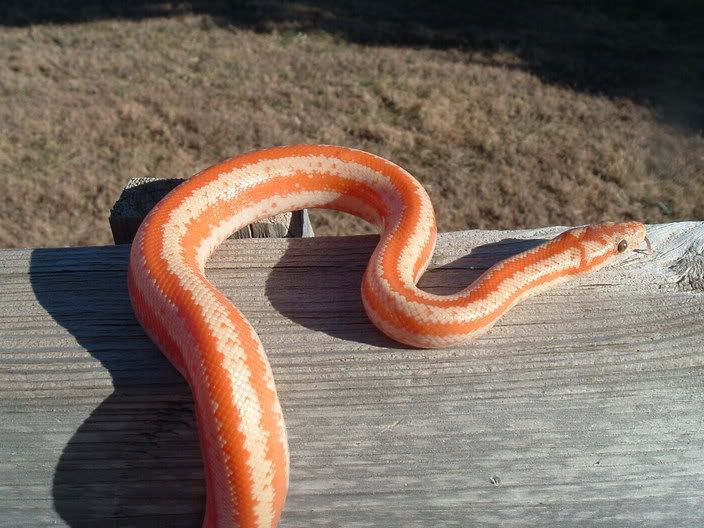
The easiest way for you is to beat up an egg yoke from range chickens that have been feeding on bugs. I beat the yoke and add 50% water to the beaten egg yoke. I inject this into dead items that the snake is used to feeding on. This works extremely well and is a more natural approach. It would simulate a snake that is feeding on hatchling birds full of yoke. Here is a few Sub-oc that responded well to the diet.


-----
"Life without risk is to merely exist."

peach Jul 04, 2007 10:24 AM

Hmmm they do lovely on it anyway, thankyou for the information, so gut loading the dead prey then - kinda lol

How much would you inject into the mouse? Is it one yolk per snake say???

Lou
-----
ratsnakefoundation.org society

Sighthunter Jul 04, 2007 11:07 AM

I only inject about one tenth the weight of the item. You can even inject pinkies. Here are a pair of sibling Yellow tailed cribos one was suplimented one was not. A compairison. Top one got no supliment both were filmed in natural light.


-----
"Life without risk is to merely exist."

peach Jul 06, 2007 07:53 AM

wow the comparison in the cribos is obvious really.

Ok so random thought here without any research into it but....what about cod liver oil???

Just thinking cod would feed on all manner of things like shrimp etc and it's easier (for me anyway) to get hold of, compared to truely free range chicken eggs.

But would the oil be bad for snakes? Not sure, like I said just a random thought lol


Lou
-----
ratsnakefoundation.org society

Sighthunter Jul 06, 2007 09:22 AM

I have no data on Cod liver oil.
-----
"Life without risk is to merely exist."

Aaron Jul 05, 2007 08:42 PM

Working with graybands, I am more interested in the fertility aspect. Have you experimented at all in that area?
My thoughts are that since I typical feed my graybands an all mouse diet that is high fat already adding egg yolks may make it even more so. Do you think the vitamins they can convert it to compensates for that? Or was it just vitamin A that Carotin converts too?
Very interesting post, thank you.

Sighthunter Jul 06, 2007 12:17 AM

The fertility issue is hard data from the former Roche pharmaceutical. They were the first company to produce carotenoids in bulk. I have most of their research data in this area. Different carotenoids target different things. Example Lutein and zeaxanthin are carotenoids given by doctors targeting eye health Lutine is the yellow in corn and zeaxanthin is from greens. Another red carotenoid is from tomatoes Lycopene and is given by doctors for heart health. The carotenoid you are after for fertility is the same one as red color it is (name withheld) found in bugs. The best way to achieve both color and fertility is to inject Egg yoke from range chickens cut 50% with water. Chickens eggs from the store have synthetic carotenoids to make them yellow and orange. Egg yoke from range chickens have three different carotenoids that contribute to fertility. Look at it this way your skin is the largest organ in your body. Healthy people have healthy skin. When you get sick your skin is pale your body is using the stored carotenoids to make vitamins. The red component in eggs is from bugs is stored in high concentration in egg yoke for the very purpose of reproduction salmon get their source from underwater bugs “shrimp and their cousins” I have been working on a way to supplement rodent feed but I keep ending up back at the good old egg yoke. Bats would be hands down the best food possible other than strait insects or gut loaded hatchling birds I might have a mouse chow in a few years that will work but I am trying to stay as natural as possible and some of my options are cost prohibitive. Hope that helps. If you E-mail me I can give more detail.
-----
"Life without risk is to merely exist."

antelope Jul 15, 2007 01:09 PM

Do you think the orange subocs are bat eaters or nest raiders? Just a thought.
-----
Todd Hughes

Sighthunter Jul 06, 2007 12:26 PM

The most significant aspect of this is Bolins Pythons. They are the holy grail of snakes. They have proven impossible to breed in captivity in the US. A few people have pulled it off but lets think about this. In the wild they are known to live on cliffs and are known to eat bats. Diet, the key to successful breeding? About ten years ago I helped set up indoor-outdoor enclosures for Bolins and within a few months we had a gravid female but she died with 14 eggs in her. My hunch is that a wild diet of bats is mega-loaded with Carotenoids and she put all she had stored in her flesh into her eggs, it killed her. Bolins is a snake that depends on high carotenoid levels, I am sure of it.My hunch is that the Carotenoids is the key to Bolins but sun is also a factor. Ever notice that sun colors your skin as does Carotenoids? I think the two work in harmony with each other in some cases. The more I learn the more questions that need research.
-----
"Life without risk is to merely exist."

VicsVariables Jul 10, 2007 12:51 PM

Great information. Do you worry about salmonela from the raw egg yolks?
Vicky

Sighthunter Jul 10, 2007 10:55 PM

I have been using this method for 10 or so years and have not had any health issues.
-----
"Life without risk is to merely exist."

VicsVariables Jul 11, 2007 03:31 AM

That's good to know. Thanks for the info.
Vicky

BillMcgElaphe Jul 06, 2007 07:45 AM

That was great, Bill.
It seems to confirm the discussion that you must have an animal that genetically can be yellow/orange/red and then it is enhanced by the diet.
I'm going to have to try this on my Subocs, Everglades Rats, High Orange Texas Rats, Bairds, and Graybands.
Thanks for posting.
-----
Regards, Bill McGighan

Sighthunter Jul 06, 2007 11:41 AM

An interesting snake to experiment with would be a Mandarin Ratsnake since they have Red and Yellow. My hunch is that the yellow would not be influenced by the red carotenoid but the red would intensify. In Trans Pecos ratsnakes yellow specimens get richer yellow and rusty looking specimens get orange. The snake that would benefit most in my opinion is the Centralian Python I would love to make a bright red carpet python like some of the pictures of wild specimens. The captive centralians do not look like the pictures I have seen. The other snake that I will be working with if I can get my hands on some would be the Lepadus that express red from Big Hill. I think some bright red and pink ones would be cool. I think the ones from boyscout would turn from brown to red.
-----
"Life without risk is to merely exist."

phiber_optikx Jul 06, 2007 01:16 PM

So what do you think it would do for these two? I bet that there would be a very big difference in albino animals. So you send me about a year supply of free range chicken eggs and I will get back to you on the color issues then. Since they are supplemented, would I still get a response from regular chicken eggs? I have been thinking about just feeding them a whole chicken egg once a month or so. I am sure they would take it. They are both pigs.


Very interesting post though!
-----
-David Harrison-
.1 Snow Corn "Hope"
1. Orange Albino Black Ratsnake "Chunk" (Goonies)
.1 Orange Albino Black Ratsnake "Peaches"
.1 Ball Python "Rocky Ballboa" (Didn't name her!)

"Have you ever tried simply turning off the T.V., sitting down with your kids... and hitting them?"

Sighthunter Jul 07, 2007 01:25 AM

Here is a whitewater albino rosy on supplement. The orange glows. I have noticed a difference on albino within a shed cycle or two. Since a Black Ratsnake is diurnal and gets real sun in the wild an albino diurnal specimen should get supplement for two reasons. The first reason is that albino cannot handle direct sun without permanent eye damage and sunburn. So I would suggest a vitamin D supplement. The second reason would be to recreate a wild diet and Black Ratsnakes are famous for raiding bird nests so a little egg yoke would go a long way. I have shied away from whole egg for two reasons. The first reason is that the albumen “white part” is a buffer which is designed to protect the yoke, “the part of the egg with all the value” there is no reason to mix it in. The second reason is that whole egg is sticky and might gum up a snakes system. The idea is to recreate a hatchling chick gut loaded with yoke or the bugs themselves. The yoke represents the value part of an insect since the carotenoid from the insect concentrates in the yoke. I cut the yoke only with regular tap water to prevent the yoke from gumming up a snakes system.


-----
"Life without risk is to merely exist."

Sighthunter Jul 07, 2007 10:25 AM

Why do most seed eating passerine birds feed their youngsters diets that consists almost entirely of insects? Hummingbirds also feed insects to their young! Even small estrilded "zebra finches and their relatives" feed insects in the wild. The fruit eaters are an exception and fruit is the other natural source for Carotenoids.
-----
"Life without risk is to merely exist."

phiber_optikx Jul 07, 2007 07:08 PM

There is only one reason I would shy away from a larger supplement of caroteniods. If I eat nothing but carrots for 3 weeks I will turn at least slighlty orange. Which of course would be un natural because I would have an "overdose" of corotenes in my system. I can agree that they would definately get these proteins in nature. But how do you know when is too much? Although I have no evidence to back it up I predict that too much would be a bad thing. There is no way to properly dose your animals. A supplement is not a bad idea, but how much is too much? BTW I don't really think a small egg every month or so would be a bad idea. Especially since they take three or four when they raid the chicken coop
-----
-David Harrison-
.1 Snow Corn "Hope"
1. Orange Albino Black Ratsnake "Chunk" (Goonies)
.1 Orange Albino Black Ratsnake "Peaches"
.1 Ball Python "Rocky Ballboa" (Didn't name her!)

"Have you ever tried simply turning off the T.V., sitting down with your kids... and hitting them?"

Sighthunter Jul 07, 2007 08:02 PM

That is why I only suggest the use of egg yoke. The raw Carotenoids are said to be impossible to overdose on but I did find some information suggesting one of them in massive amounts might cause liver problems. I think it would be very hard to overdose a snake using egg yoke. My rule of thumb is one egg yoke beaten 50% with water and a one to ten ratio one part egg yoke cut with water to ten parts mouse by weight. I do not think with this formula you could ever overdose a snake even if given at every meal. These are NOT vitamins and pass through the system if not used. One of the synthetic carotenoids will leave small harmless crystals in the iris of the eye but the crystals will dissipate with time if discontinued, again harmless.
-----
"Life without risk is to merely exist."

Rivets55 Jul 07, 2007 01:47 PM

MMmmmm... Land Shrimp!

Bet they taste like chicken.

Cheers

JD
-----
I am so not lesdysxic!

0.1 Creamsicle Cornsake "Yolanda"
1.0 Bairds Ratsnake "Steely Dan"
0.1 Desert Kingsnake "FATTY"
0.1 Black Rat "Roberta" RELEASED!!!

Site Tools