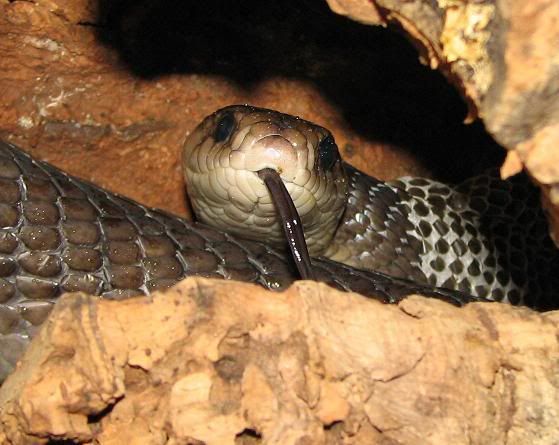
Many Yellowtail come in nice bright yellow and fade with time. The bird feeders do best maintaining their color. Here is a few pictures of yellow imports And some old articles I wrote on Carotenoids.


There are over 600 Carotenoids found in nature and about seven to ten that involve transferable color. Of those there are four that are stable in the host. There is one pink-red, one orange red, and two yellow. The natural source for the two red colorants in nature are xxxxxxxxx and xxxxxxxx. The direct source in nature is insects , crustaceans, birds bird chicks and wild bird eggs. These Carotenoids are found in the exoskeleton of these invertebrates hence their red color when boiled, and birds. These pigments are stored in the flesh and Carotin (not to be confused with Carotene) of host animals such as lizards, bats, fish and birds feeding on them. These pigments are responsible for the bright colors in bird feathers, fishes scales and yes reptile scales (Scales are made of Carotin). A diet of domestic mice are void of these essential carotenoids unless supplemented. The poultry and fish industry has to supplement certain Carotenoids to make your egg yokes yellow-orange, chicken flesh yellow and salmon pink. A pink flamingo is white without xxxxxxxx and Salmon flesh is white like trout without xxxxxxxxx. In humans xxxxxxxxxx was sold as a no sun tanning oral supplement. Imported and wild caught reptiles often come in with vivid coloration and fade with time. I have seen Yellow-tailed Cribos come in orange yellow and turn almost white as time goes by. I have seen captive hatched yellow-tail Cribos that were almost white turn vivid orange-yellow a mirror image of the nicest import when supplemented. Why? My hunch was the imports were raiding bird nests, hatchlings gut loaded with insects. I have accounts from Barry Kuen who has now caught four screaming orange Trans Pecos Rat-snakes in his 40 or so years of collecting and when asked why he released them his reply was they only fed on lizards. Go figure. Since these Carotenoids are stable once in the host they will be there for years but birds will shed feathers and snakes will shed skin thus diluting effects over time. A captive specimen under stress will convert the Carotenoids in its flesh into vitamins. I wish I could share more information but I am working on this in cooperation with another party and the individual does not want to go public with the specifics hence xxxxxxxx. Here are siblings the light one got no Carotenoid supliment. Both were filmen in natural light.


Some wild sources of Carotenoids of which there are 600 contain the color which makes some redder than others. If a youngster has had a first meal of grasshoppers (which contain the same red in their exoskeleton as lobster) red when boiled, might get a jump on the red game likewise switching to lizards that feed on grasshoppers again, source for red. The highest concentration of these Cartenoids are found in first certain insects, secondary hosts are lizards, birds and Bats. Rodents seldom have these carotenoids in great amount. You will find red and pink specimens in populations of otherwise brown specimens. Since I have been raising coachwhip snakes for 12 years now I have noticed (1), wild red specimens fade to a dull pink within two years. (2) when supplemented will turn bright pink or red again. (3) hatchlings with no supplement will not color up well. (4) with supplement will start expressing red as hatchlings once feeding. (5) I have had two year olds that were still brown without supplement. I have been using two nature exact carotenoids not carotene as in carrots but nature exact Carotenoids that mimic an insect diet rich in red color. The interesting thing about Carotenoids is that an animal can manufacture vitamins by using the carotenoids found in it’s flesh and skin. Carotenoids are not vitamins but like beta-carotene your body can use it to make vitamin A. The second benefit is it is used for reproduction. Ever notice how orange a wild egg yoke is? Ever notice how red salmon eggs and flesh are? That is the color of the nature exact Carotenoid and yes increases fertility big time………..Bill

A red factor Canary has a gene from a red siskin. Without a certain carotenoid supplement the feathers are yellow. With the supplement the feathers are red. Some carotenoids will add color with no gene present but the carotenoid responsible for coloring feathers and scales in most cases has to have a gene present that uses the Carotenoid. Just as not all birds are flamingos and not all snakes are coachwhips yet I have now witnessed the effects on seven species of snake. Yellow species, albino, and red species are most dramatic. Carotenoids have added color to the following. Yellowtailed Cribo, Grey Banded Kingsnake, Bull Snake, Albino Rosy, Trans Pecos Ratsnake, Coachwhip and Unicolor Cribo. The effects vary from species to species but is dramatic in some cases. Here is a Greyband that had light yellow centers in the orange.
-----