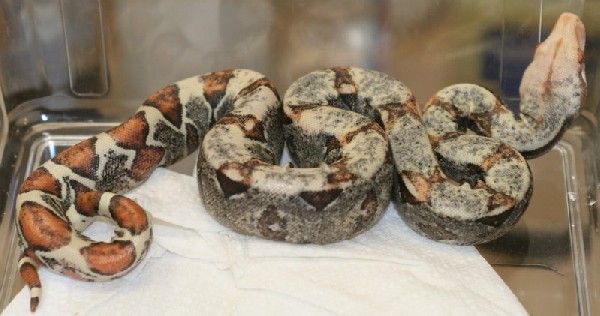
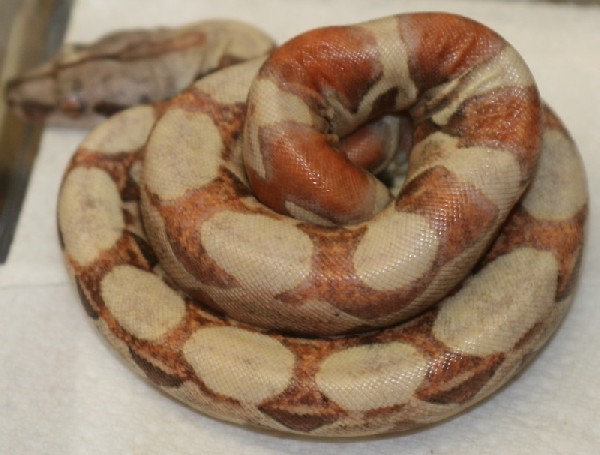
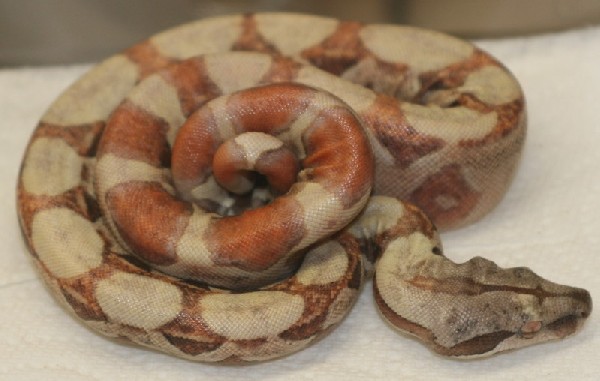
Damn those are cool.
I am not sure that enough is know about the genetics/development of paradoxes to answer your question (like, why are some animals paradox???). My WAG is that it depends on the genotype of the germ cells (sperm/egg). Since they are paradox, there are probably some cells that have a working tyrosinase gene, while others have none. (So, I guess those cells with the working gene are hets since one of the parents was a het.)
That means if the germ cells descend from cells that have a functioning copy of the tyrosinase gene they will make normal and mutant sperm. So, they will be hets. If the germ cells descend from the mutant (albino) cells, they will have no working tyrosinase gene and be like the animals were fully albino. If the germ cells are actually a mixture of those two types, then you will still have animals that produce normal and mutant germ cells, so they will look like hets.
The only way to know is by breeding them to an albino and seeing what the offspring are. Which would just be to damn cool so please do it and let us know what the results are. It may help people figure out what is going on with paradoxes.
Best,
Vinny
-----
“There is a grandeur in this view of life, with its several powers, having been originally breathed into a few forms or into one; and that whilst this planet has gone on cycling according to the fixed laws of gravity, from so simple a beginning endless forms most beautiful and most wonderful have been, and are being, evolved.” -C. Darwin, 1859
Natural Selection Reptiles