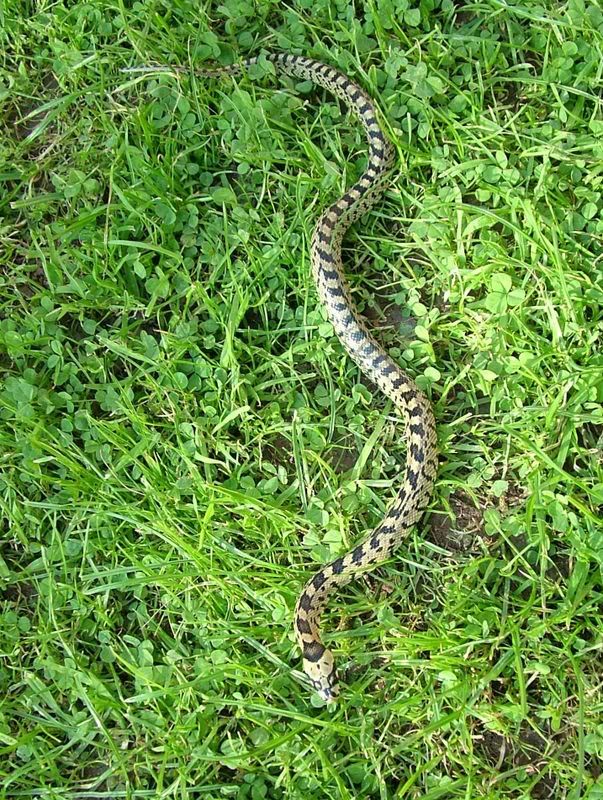
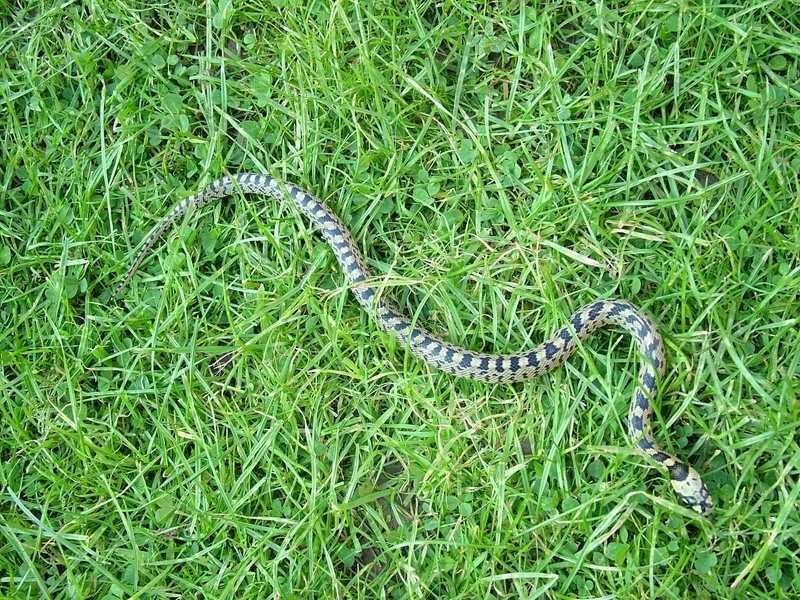
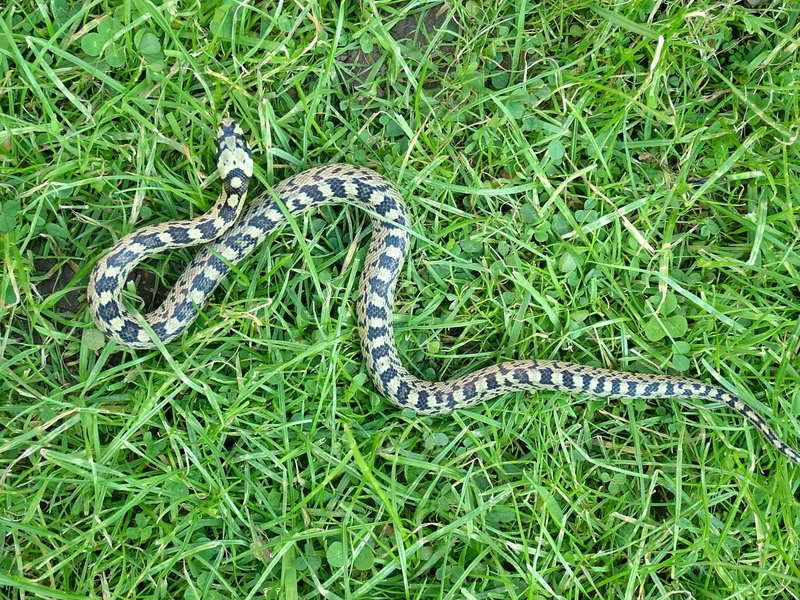
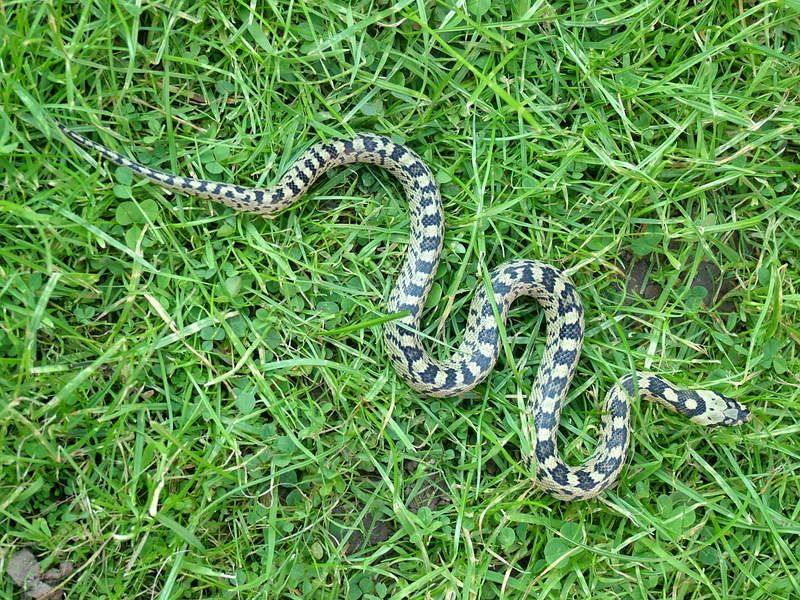
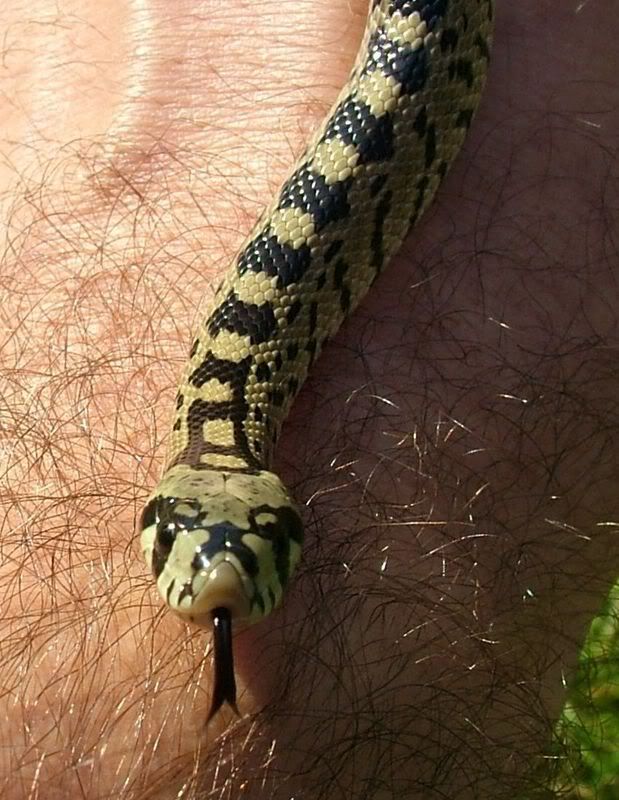
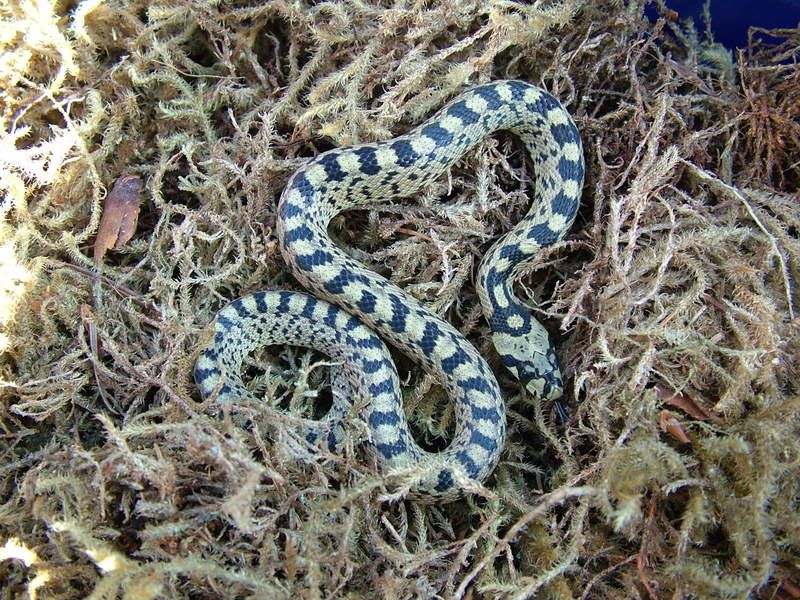
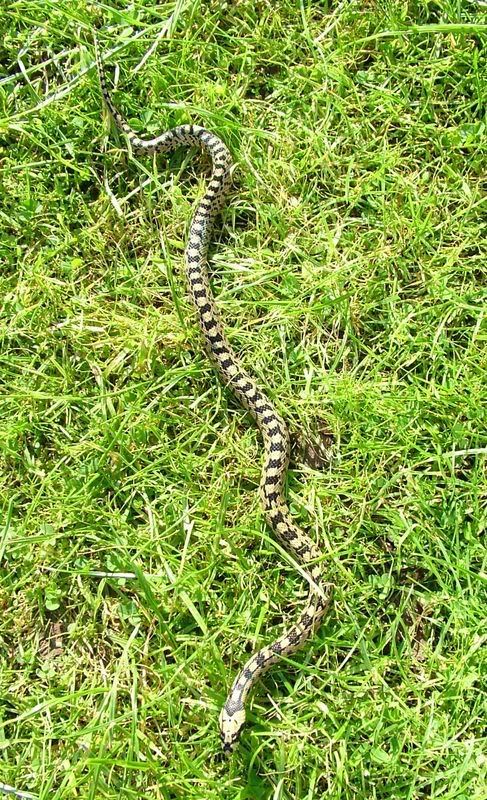
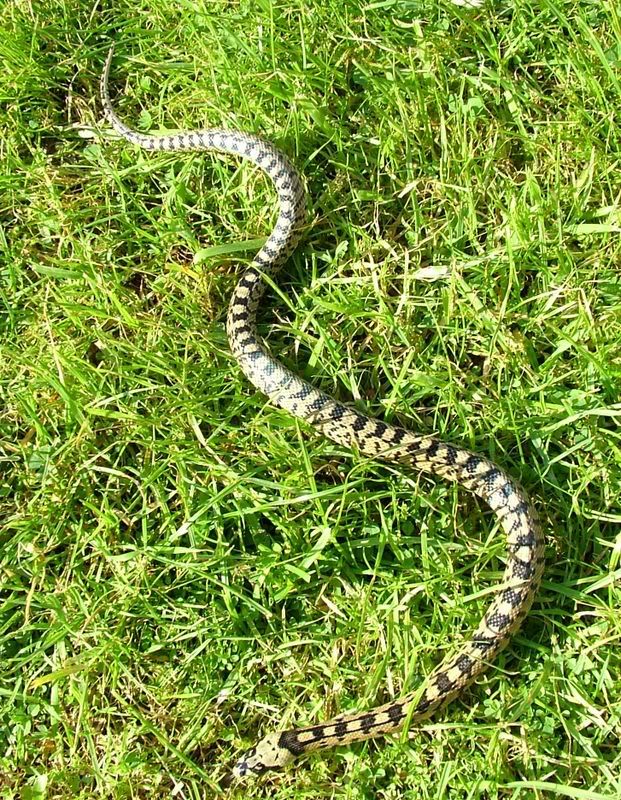
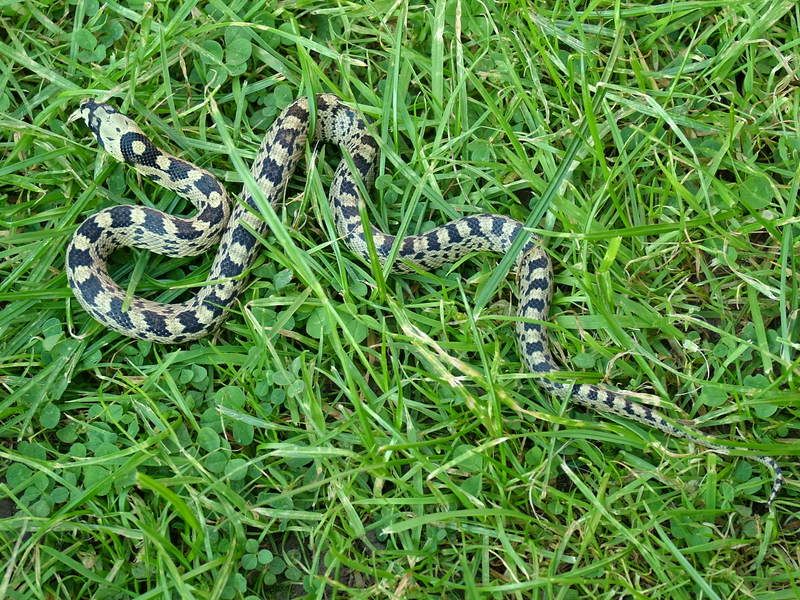
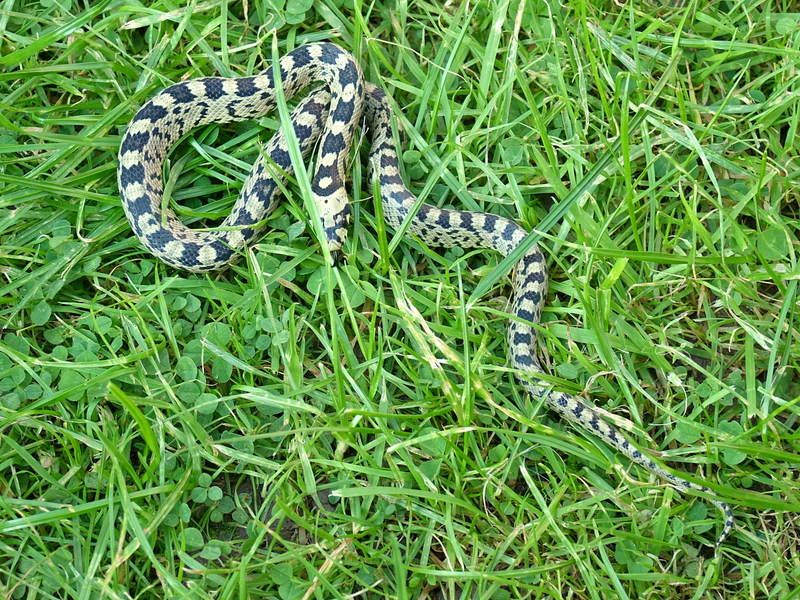
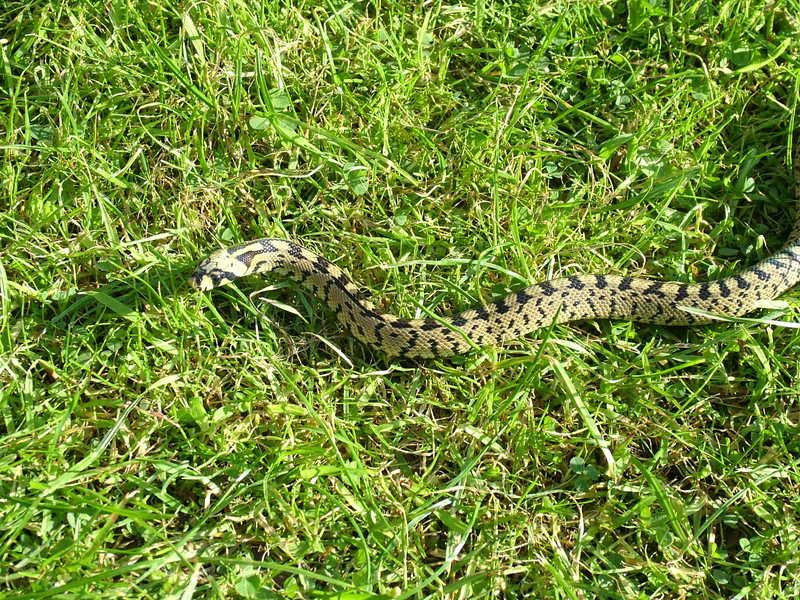
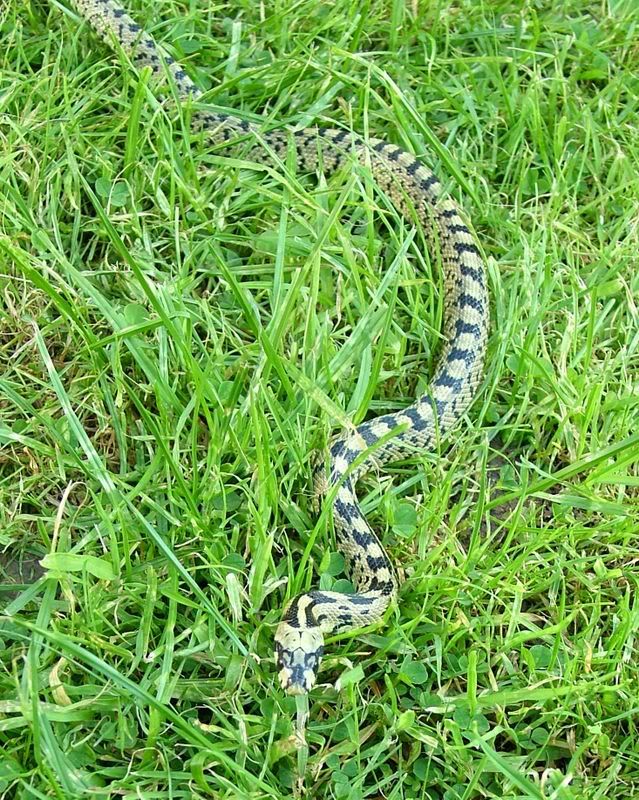
>>>>>>Nice little ladders, Dave! This species always makes me think of the Pituophis snakes, and it makes me wonder how similar they are in person (handling, disopsition, etc.). Hope the one refusing food comes around for you.
>>>>>>
>>>>>>-Toby
>>>>>>
>>>>>>
>>>>>>-----
>>>>>>Southwestern Center for Herpetological Research#
>>>>
>>>>Cheers Toby, I'm sure it will. As to how similar they are in disposition, I'd assume they are similar from the brief contact I've had with a friends animals. Lots of hissing and striking seems to be the order of the day. With regards R. scalaris specifically, in my opinion they do fare better when left largely to their own devices, rather than being handled a lot. I used to own a female that was dog tame, she never grew to the size of the other females and always refused larger meals (that she was more than capable of taking). When looking at her, I couldn't stop feeling that with her being so tame, her spirit was somehow diminished. As absurd as that sounds, I genuinely felt that.
>>>>
>>>>Ok, that probably tells you more about me than the snake! LOL.
>>>>
>>>>Hope you are well Toby, great to hear from you again.
>>>>
>>>>
>>>>-----
>>>>Devboy.
>>>>
>>>>www.ratsnakefoundation.org
>>
>>
>>Congrats on the babies, Dev. I know how long you waited for them.
>>
>>I'm also interested in how much R. scalaris is like the Pituophis group. You said they sometimes hiss at you. Do they have the epiglottis adaptations like Pituophis has?
>>
>>Regards...Terry
>>
>>
>>>>>>Nice little ladders, Dave! This species always makes me think of the Pituophis snakes, and it makes me wonder how similar they are in person (handling, disopsition, etc.). Hope the one refusing food comes around for you.
>>>>>>
>>>>>>-Toby
>>>>>>
>>>>>>
>>>>>>-----
>>>>>>Southwestern Center for Herpetological Research#
>>>>
>>>>Cheers Toby, I'm sure it will. As to how similar they are in disposition, I'd assume they are similar from the brief contact I've had with a friends animals. Lots of hissing and striking seems to be the order of the day. With regards R. scalaris specifically, in my opinion they do fare better when left largely to their own devices, rather than being handled a lot. I used to own a female that was dog tame, she never grew to the size of the other females and always refused larger meals (that she was more than capable of taking). When looking at her, I couldn't stop feeling that with her being so tame, her spirit was somehow diminished. As absurd as that sounds, I genuinely felt that.
>>>>
>>>>Ok, that probably tells you more about me than the snake! LOL.
>>>>
>>>>Hope you are well Toby, great to hear from you again.
>>>>
>>>>
>>>>-----
>>>>Devboy.
>>>>
>>>>www.ratsnakefoundation.org
>>
>>
>>Congrats on the babies, Dev. I know how long you waited for them.
>>
>>I'm also interested in how much R. scalaris is like the Pituophis group. You said they sometimes hiss at you. Do they have the epiglottis adaptations like Pituophis has?
>>
>>Regards...Terry
>>
>>
So sorry for the very late reply Terry, my personal life has been a little on the busy side of late, unfortunately.
Thank you for the congrats, I have 10 more to potentially look forward to in the incubator too. 
In practical terms, I don't know but don't believe so - is the short vague answer. I know many believe that the adaptation you mention above may result in a form of auditory rattlesnake mimicry. Which is possible I guess, because the Pines and Bulls (Pituophis) are a more recent group than the Rattlesnakes. Although I haven't heard a captive Pine or Bull make such a noise (a sound resembling a rattlesnake), their hiss is probably louder than scalaris, from the small amount of snakes I have come into contact with. Which is to be expected given the enlarged laterally compressed shape and the way in which the epiglottis is proportioned compared to the more 'normal' proportions of this organ in scalaris, which isn't dissimilar to many other 'ratsnakes' (including North American species as well as Old World).
My impression is that the Laddersnake's hiss is more low pitched in sound, without the vibrato, a more even tone from the limited number of animals I've had the opportunity to compare with Pituophis sp.
Hope you and yours are well Terry!
-----
Devboy.
www.ratsnakefoundation.org