This one is simple, you live in an area with kings, you walk around, how often do you see them out and then compare that to how many are there.
Again simply put, those that are familiar with kings, know there are times they move under AC, and they know the conditions that allow that. Consider, AC in undercover. Then there are a few days, nights a year that kings will move on the surface. These moving times are very rare.
In cal there are people that set out AC and harvest the snakes. They understand there are hundreds upon hundreds of individuals, yet you rarely see them out.
Use common sense. Take a grassy field in SoCal, then estimate how many are out there, Our own mister Hubbs as done a very good job at that. Then again, walk your butt around that field and see how many you find out. So yes, 99% is close, so if its 90% or 99.99%, As a percentage, they spend the vast majority of their lifes underground.
To make it very clear, their life is underground or hidden. Once you understand that, then you understand that pattern and color selection does not have to be based on the surface. I mean really, a Glaring black and white snake is not crytic. Not on a desert brown background. In those areas, the surface is neither black or white.
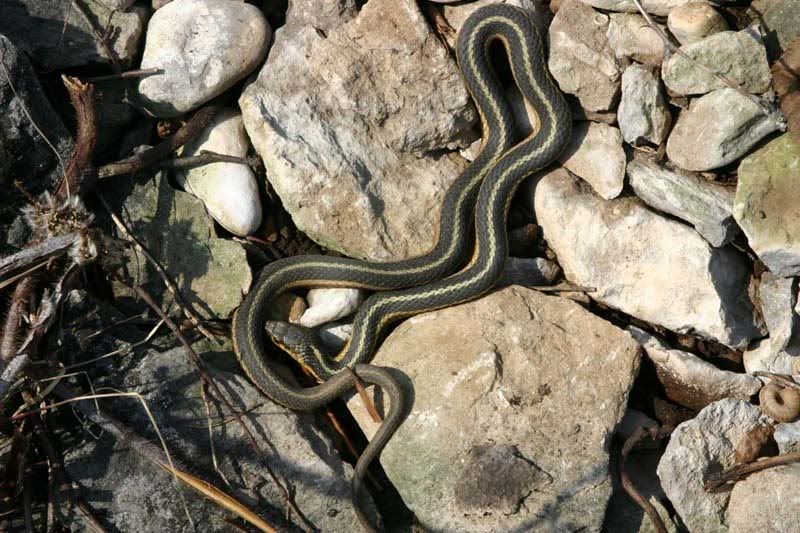
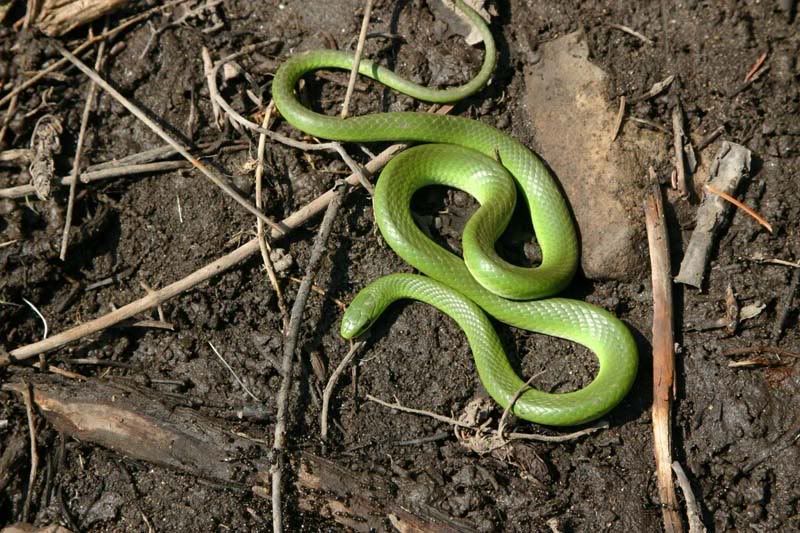
As I have mentioned many times before, to tell how much time a snake spends on the surface, all you have to do is look at one thing. That is, the type of scales it has. Snakes that spend time out, HAVE THICK SCALES, the more fossorial snakes, have smooth thin scales. Thicker scales, are to prevent dehydration, in such species as, rattlesnakes, bullsnakes(pits) water and gardersnakes, etc. Smooth scales are on species that spend more time in concealed places. Kings fall into this area.
Even with thick scales, those species still protect themselves from dehydration. They too spend the vast majority of their lifes in seclusion. The first order of the day for all snakes is to prevent dehydration.
But yes, snakes do have to move on the suface to move from one area to another. At that time they expose themselves to both dehydration and predators. Most snake species even do this HIDDEN. But some species have some special gifts, like the ability to defend themselves(rattlesnakes) or speed away, the gift of speed(whipsnakes, racers, coachwhips, etc)
One of the many fallacies we have broken is that of the RARE snake. In the old days, some species were considered rare, other species common. To go back to the top, common species are those that expose themselves to the surface, rare species are those that do not. The actual numbers are about the same. Or in many cases the rare species highly outnumber the common species.
In the west, along waterways, garders are a common species, Yet mountain kings are consider rare by many. In actual numbers, garders are restricted to waterways(rare in the west) and mountain kings are spread out over the vast majority of the land mass.(mountain ranges) By actual number, mountain kings far outnumber garders. So which one is rare.
Again, even these common diurnal snakes spend over 75% of their lives underground or in seclusion.
You may want to actuall do some research on this. Its fun and educational. Cheers