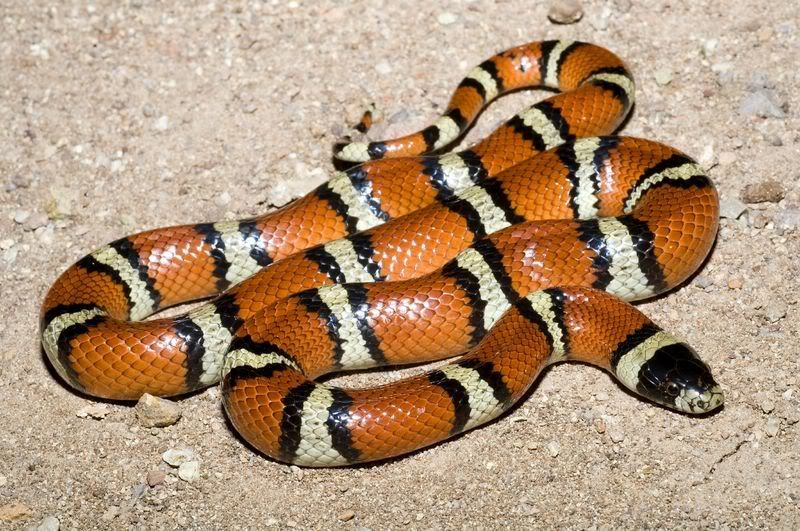
Texas....Like you have never seen it before....
Are you guys tired of winter yet? Ready for a trip? Before I begin, I want to give a warm welcome to my friends, hobbyists, field herpers and fellow milk snake aficionados and hope that this post finds you all well in the New Year. Although my time and participation on the forum has been limited due to the recent birth of my daughter, I wanted to start off the year with a post like none other; a post that will keep many of you, especially herpers, counting the days until spring arrives.
As many of you already know, even though I keep and work with some spectacular triangulum, my passion has always been getting into the field to see what nature has to offer. Although the thrill of discovering some of these amazing animals in their natural states cannot be put into words, what is even more rewarding to me, is sharing with all of you how incredible these experiences can be. Living here in Texas, I have the opportunity to explore a wide diversity of environments; many different habitats that are home to some of the nicest triangulum that can be found in the wild.
From the pine forests of East Texas down to the wetlands along the coast, and through the semiarid thorn brush of the south to the majestic mountains of the Trans-Pecos region - A Tour of Texas Triangulum will take you on a guided venture across some of the most unique areas of the state. So, sit back, order some food, grab a few cold ones and hope you don’t have dial up……LOL.
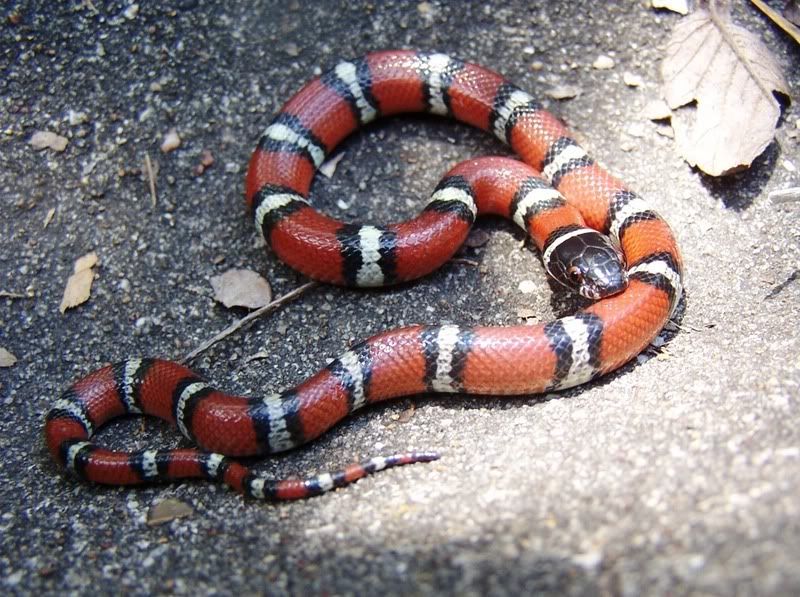
Our journey begins along the thick forested regions (the Austroriparian Province) near the Oklahoma, Louisiana and Texas borders, home of the Louisiana Milk Snake (Lampropeltis t. amaura). This shy snake is distributed over the eastern third of the state and is frequently encountered in the low-lying oak-cypress tupelo forests of the southeastern Texas and in the pine-hardwood forests in the east-central portion of the state. Although they prefer moist, sandy soils where trees provide adequate shade, some isolated populations exist on the Gulf Coast Barrier Islands, where they inhabit grass-covered sand dunes. These secretive snakes are rarely found on the move above ground, yet prefer to conceal themselves in decaying stumps, logs and human debris.
East Texas Habitat, Newton County
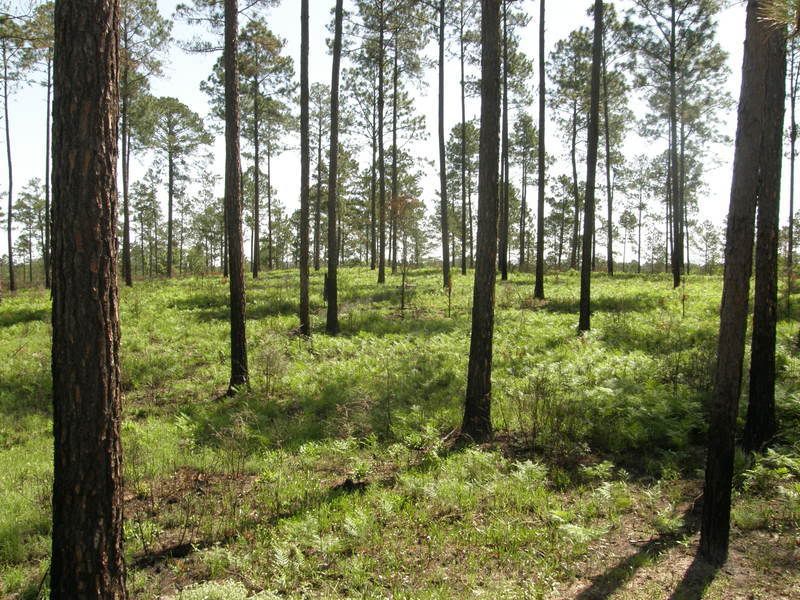
Newton County
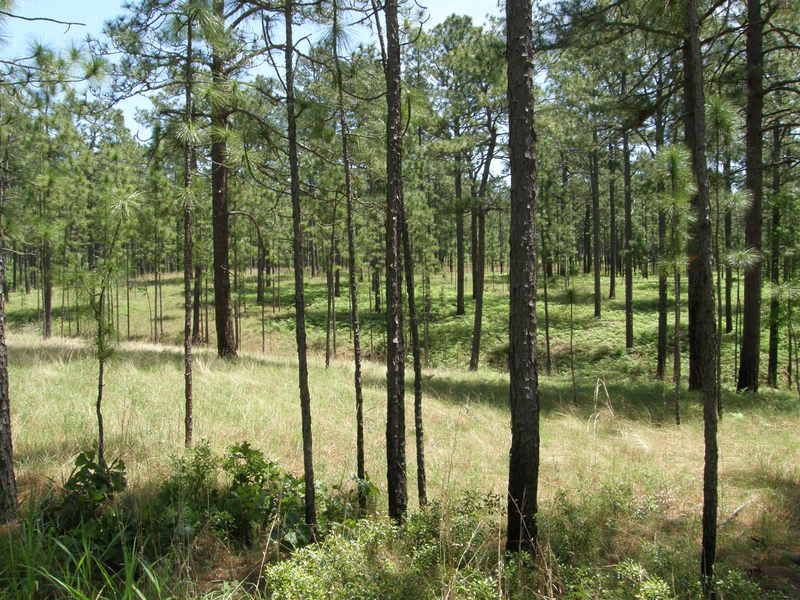
Newton County
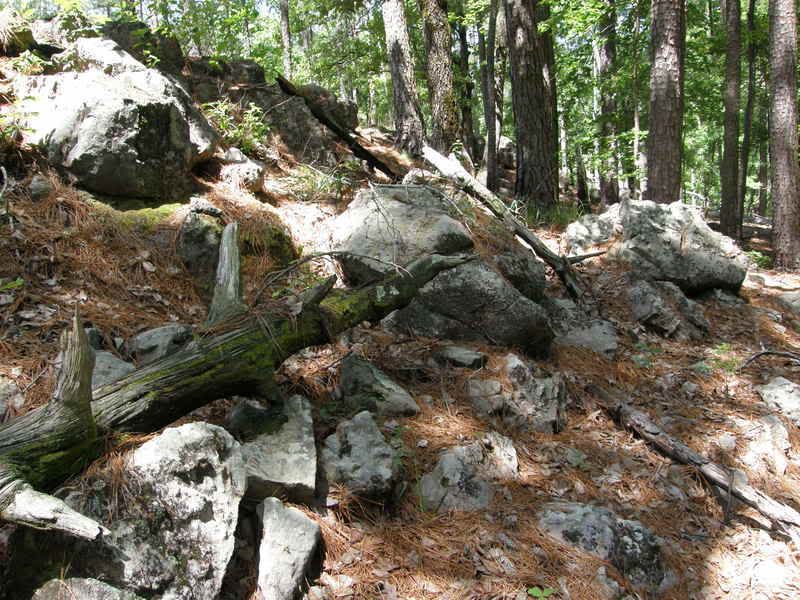
Anderson County
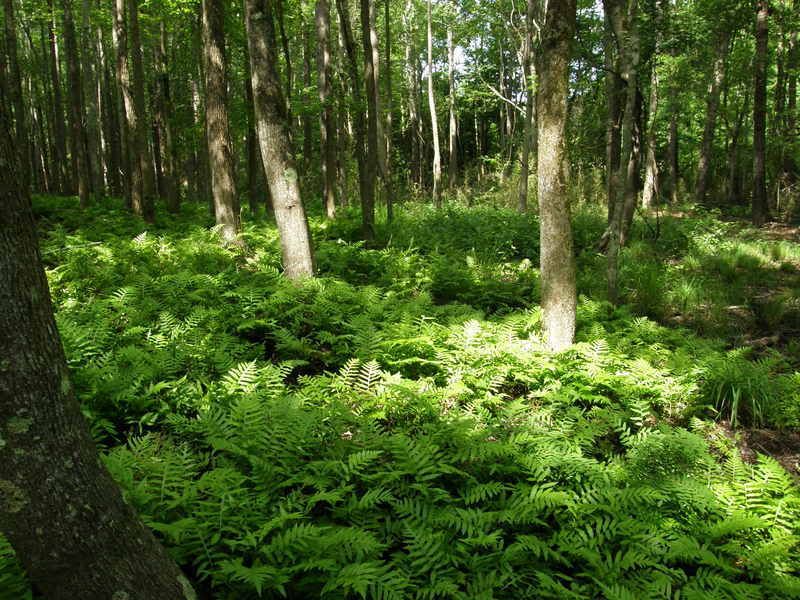
Anderson County
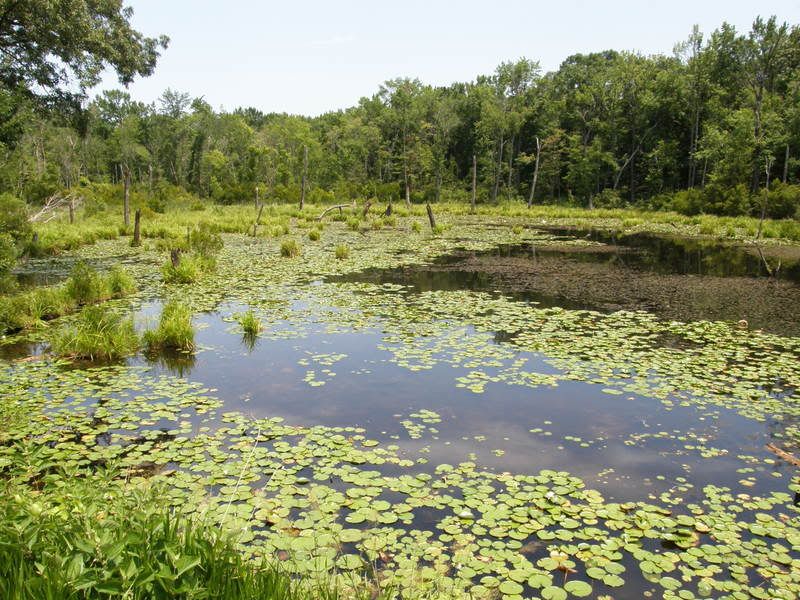
Anderson County
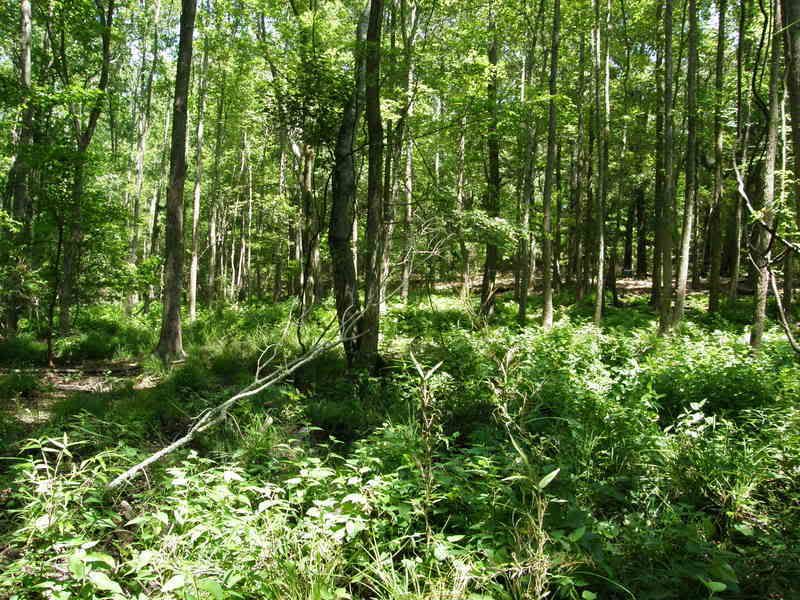
L.t. amaura, Collin County
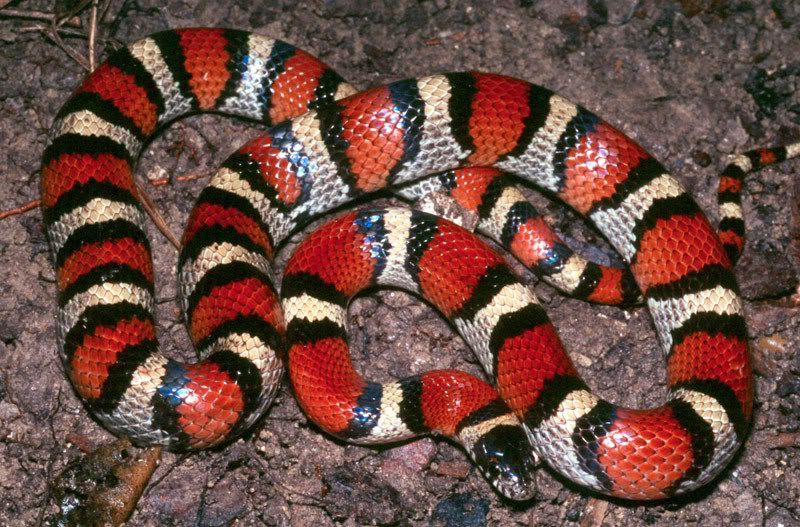
L.t. amaura, Lamar County
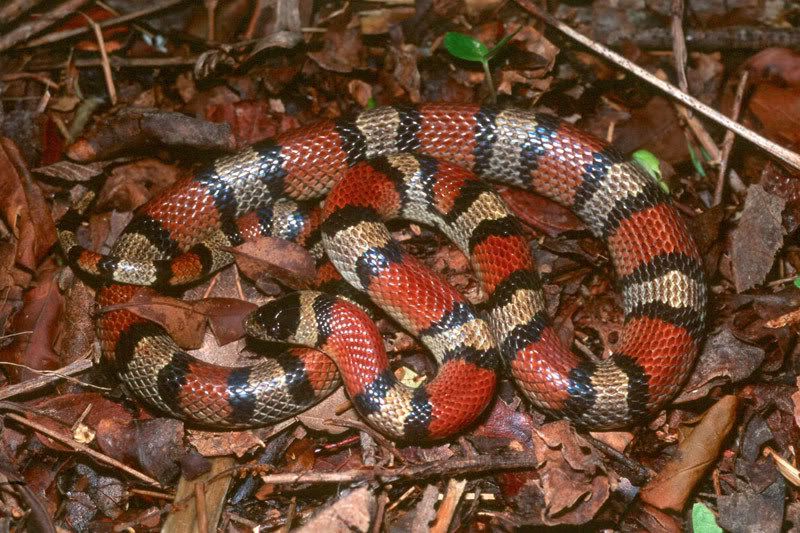
L.t. amaura, Cooke County
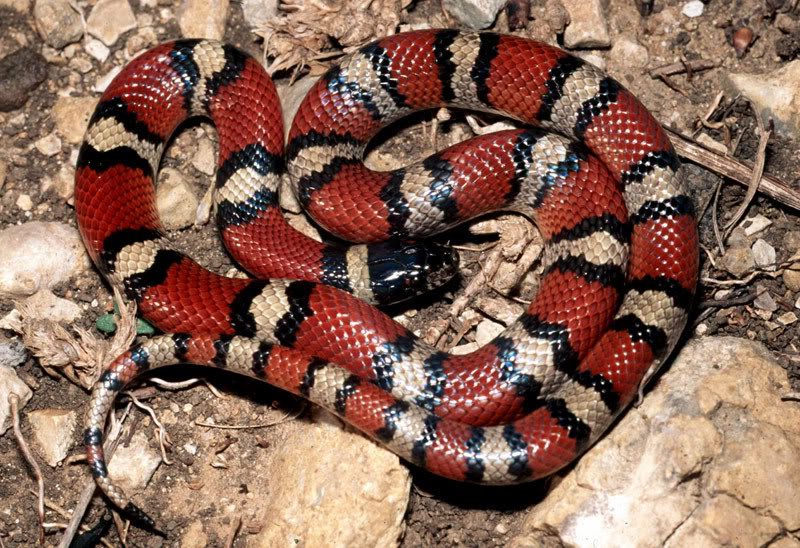
Hardin County
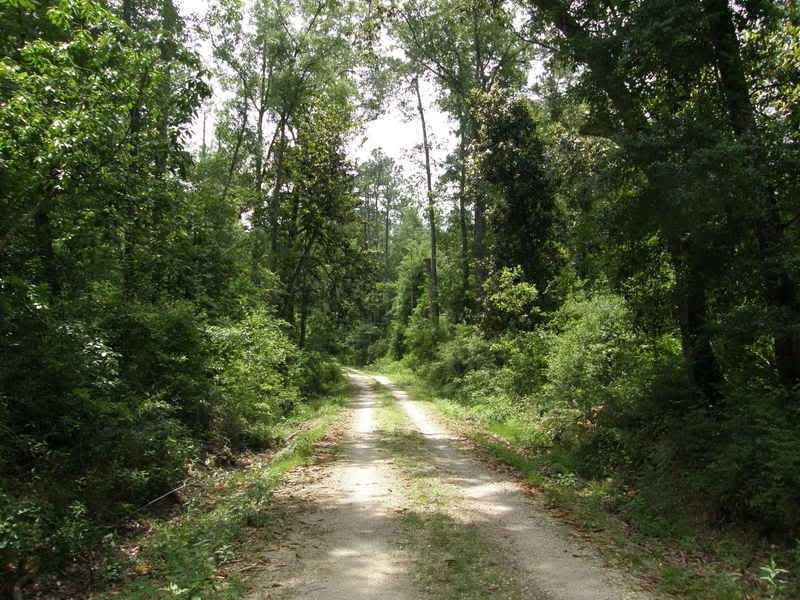
Hardin County
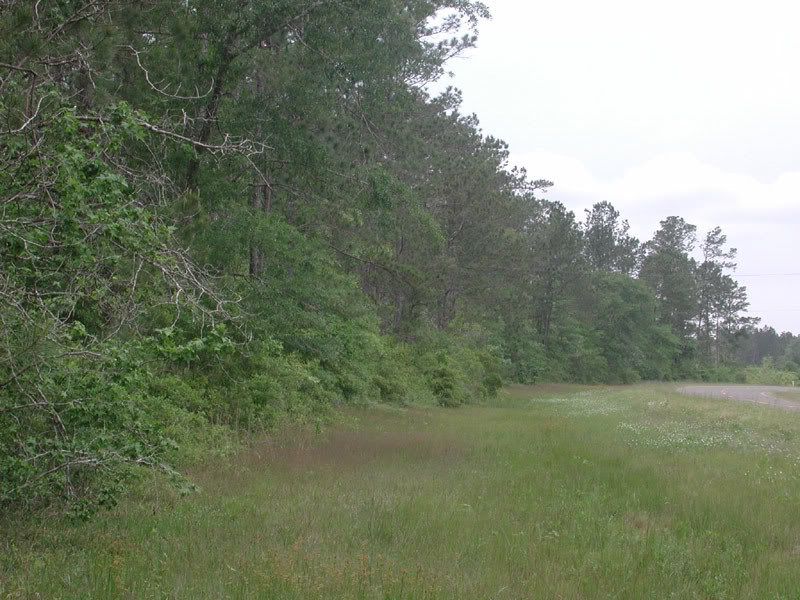
L.t. amaura, Angelina County
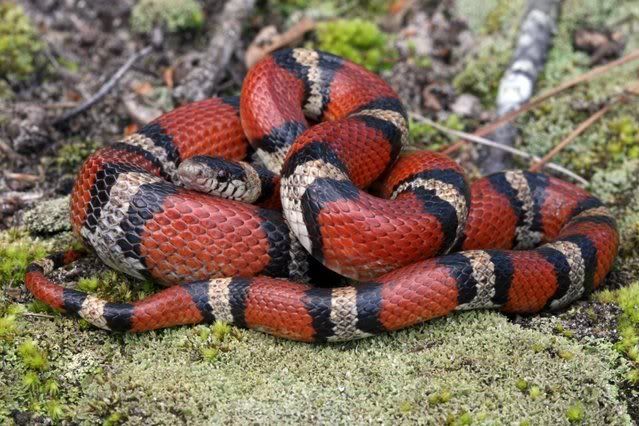
San Jacinto County
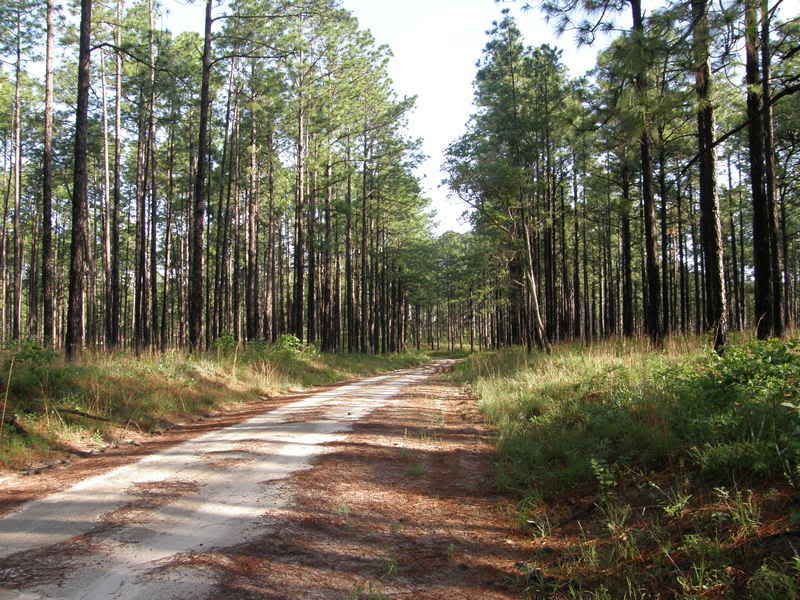
Montgomery County
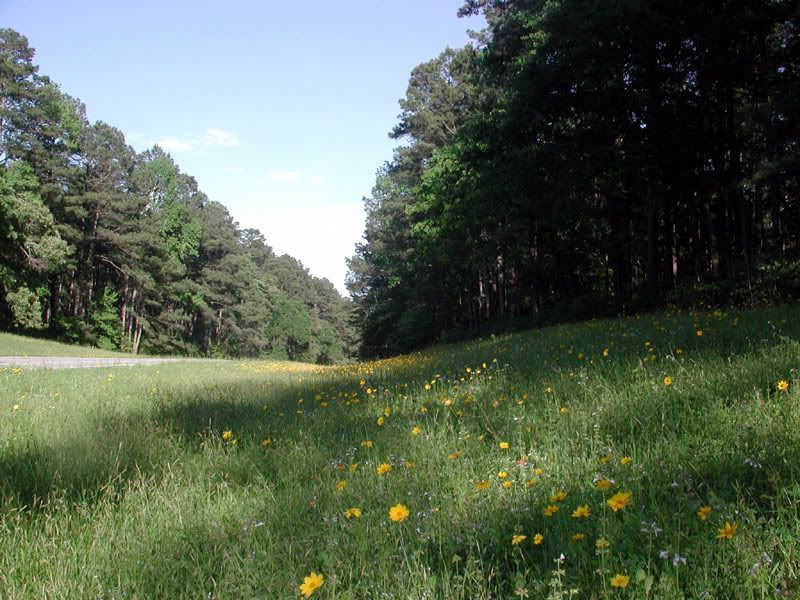
Montgomery County
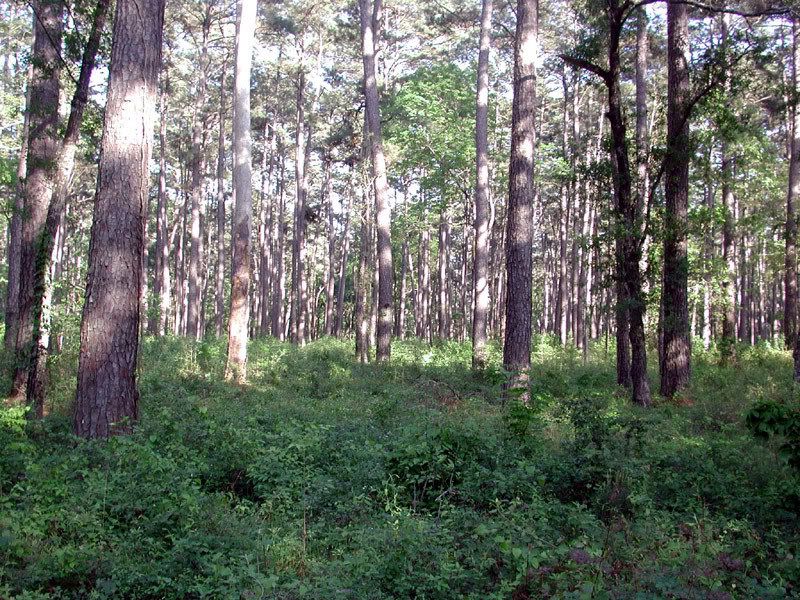
L.t. amaura, Montgomery County
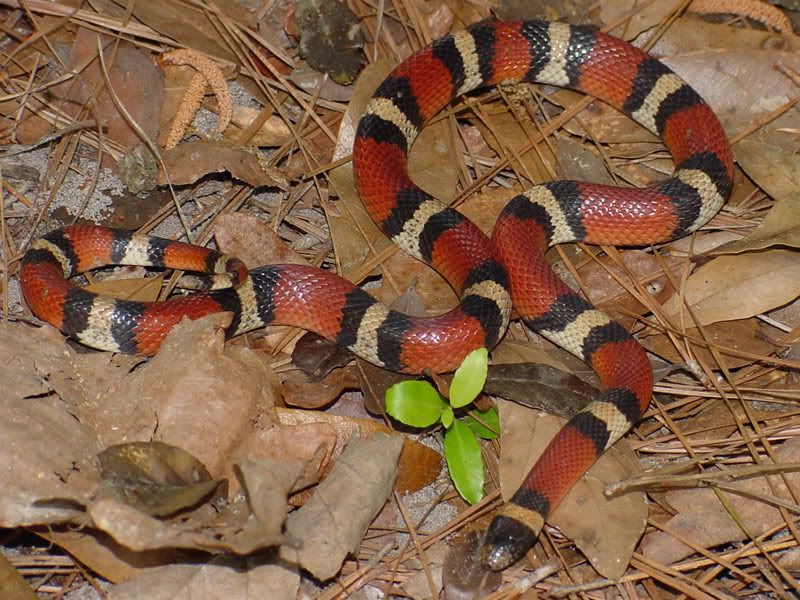
L.t. amaura, Montgomery County
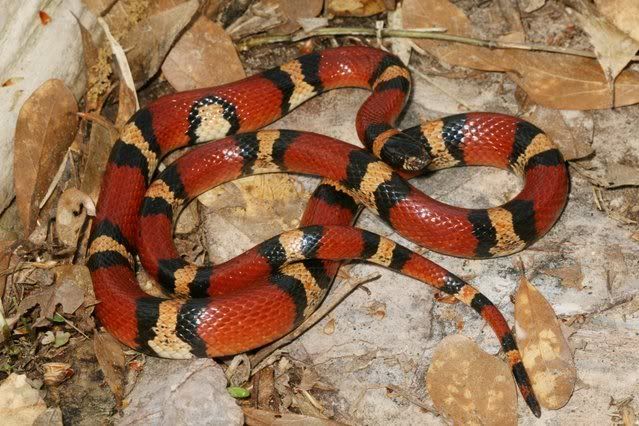
L.t. amaura, Montgomery County
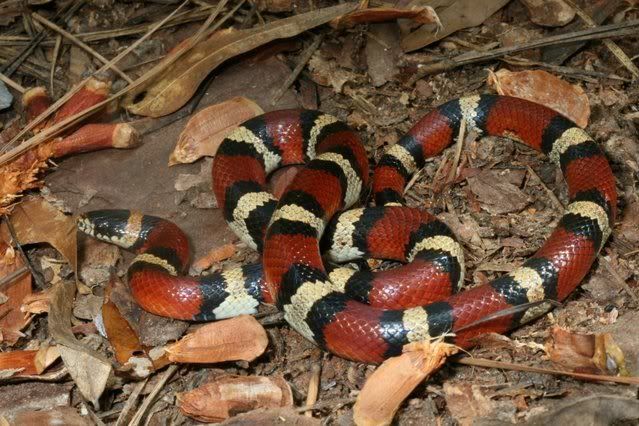
L.t. amaura, Montgomery County
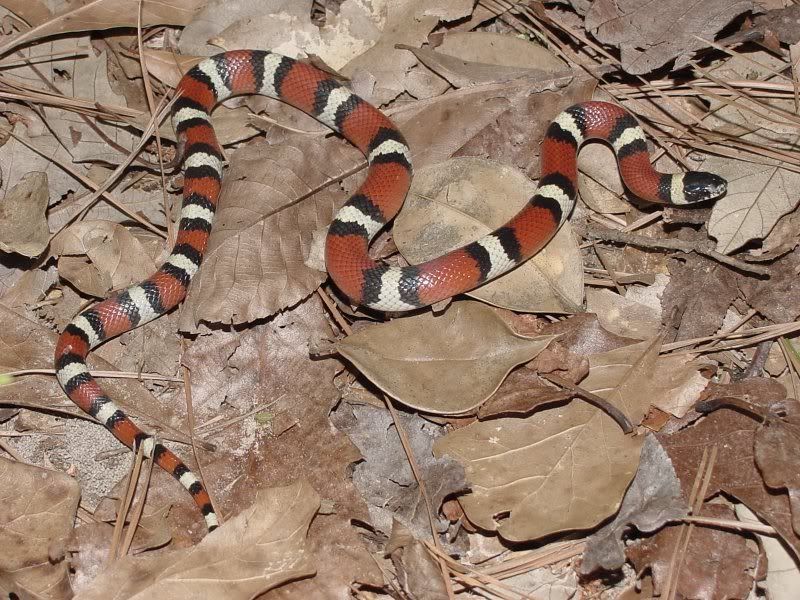
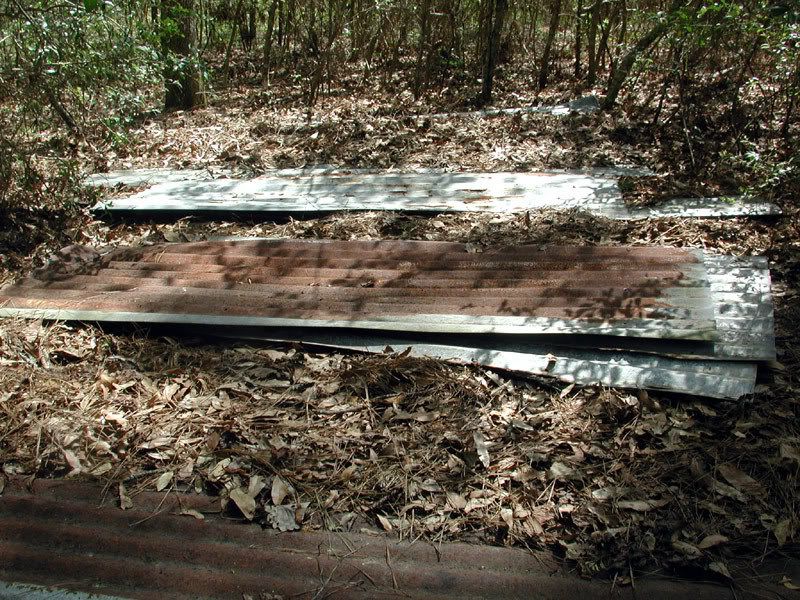
Tin Site, Montgomery County
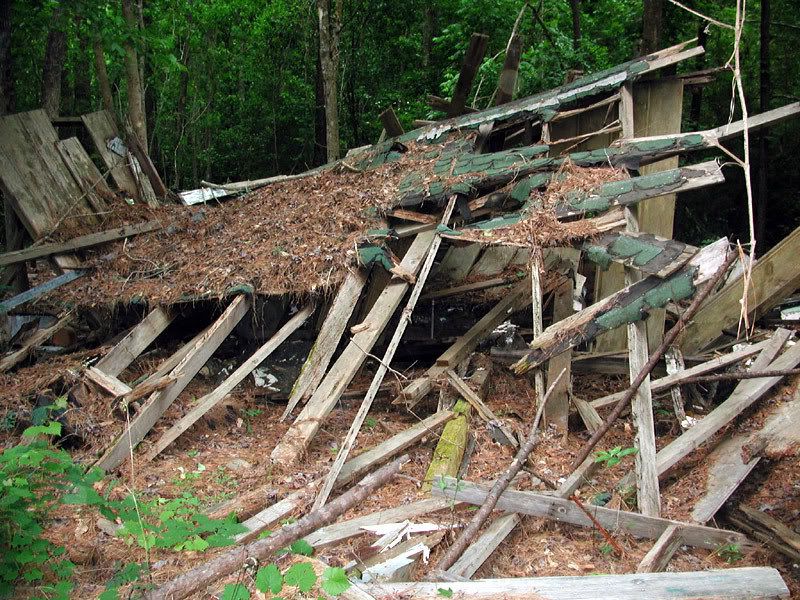
Debris Site, Montgomery County
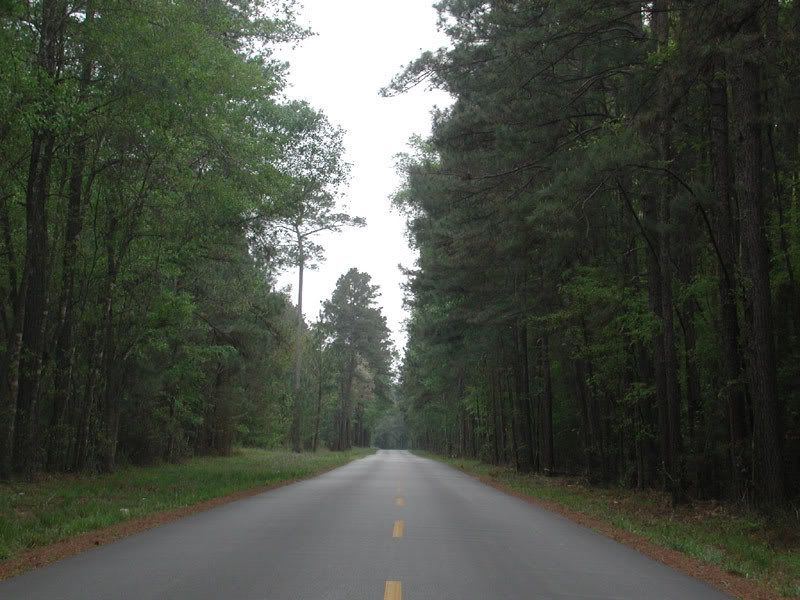
Montgomery County
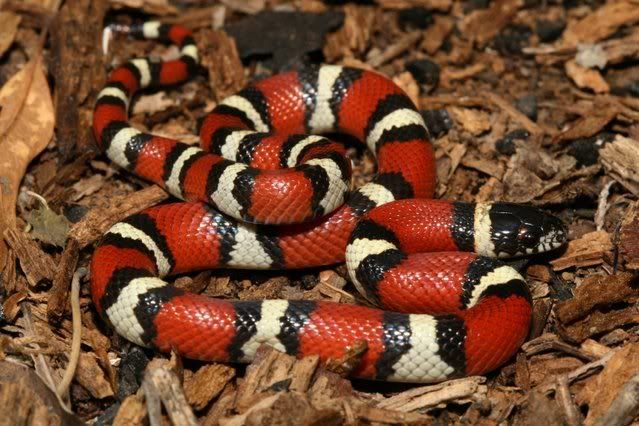
L.t. amaura, Montgomery County
L.t. amaura, Montgomery County
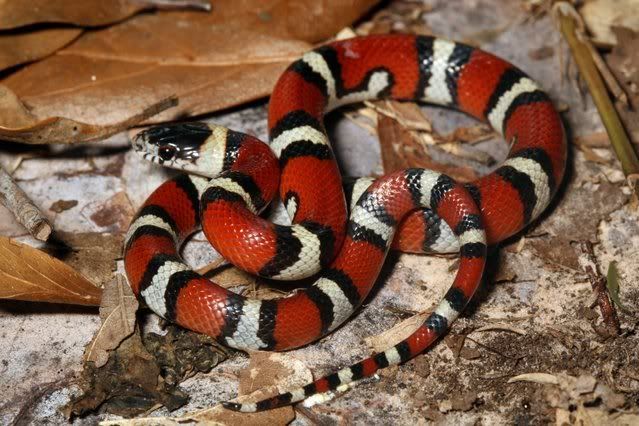
L.t. amaura, Montgomery County
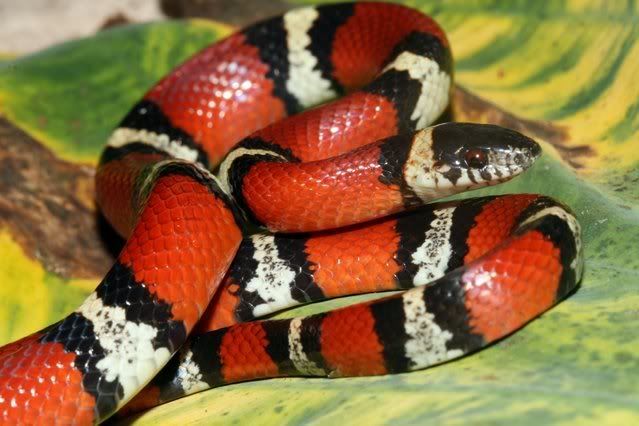
L.t. amaura, Montgomery County
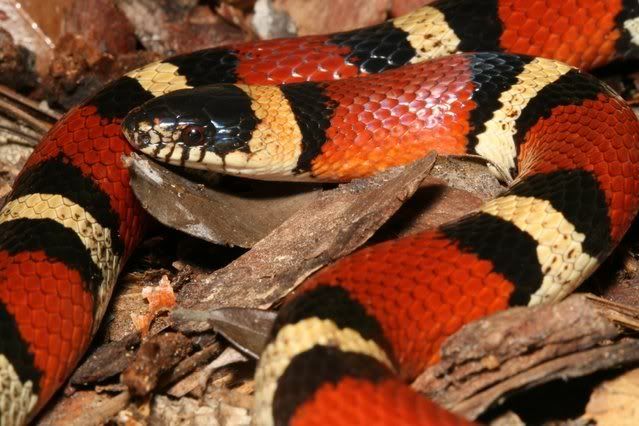
L.t. amaura, Montgomery County (DOR Specimen)
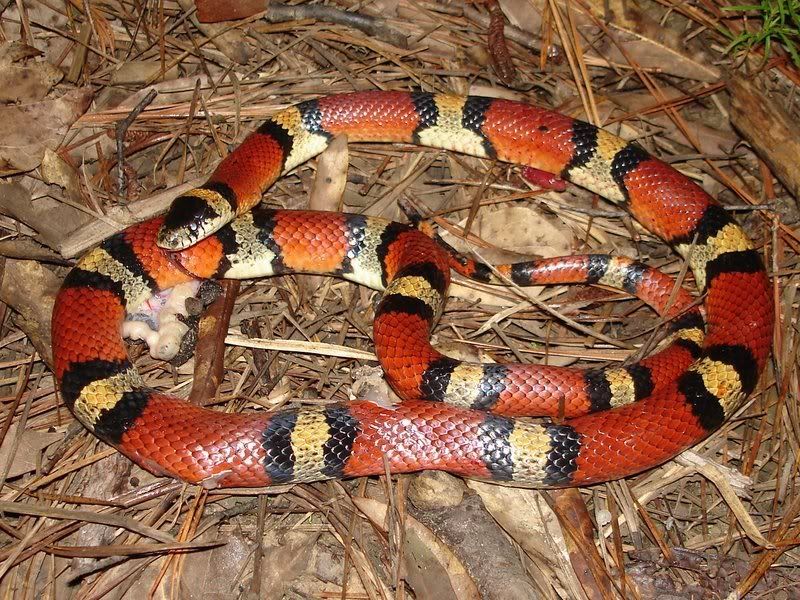
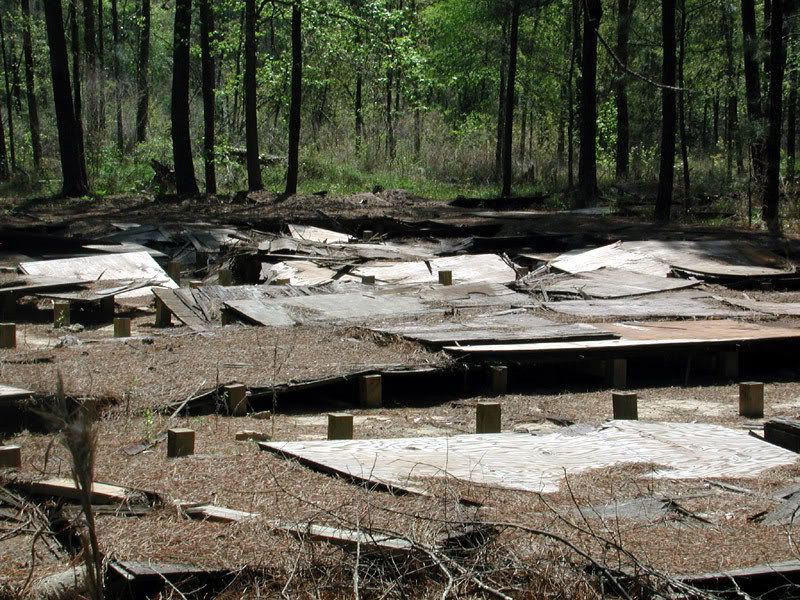
Board Site, Montgomery County
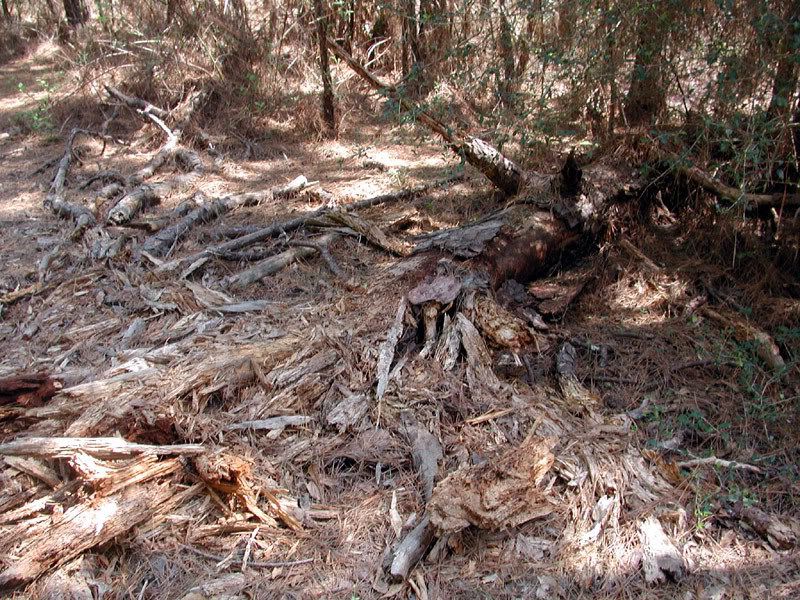
Decaying pine tree, a favorite haunt of L.t. amaura, Montgomery County
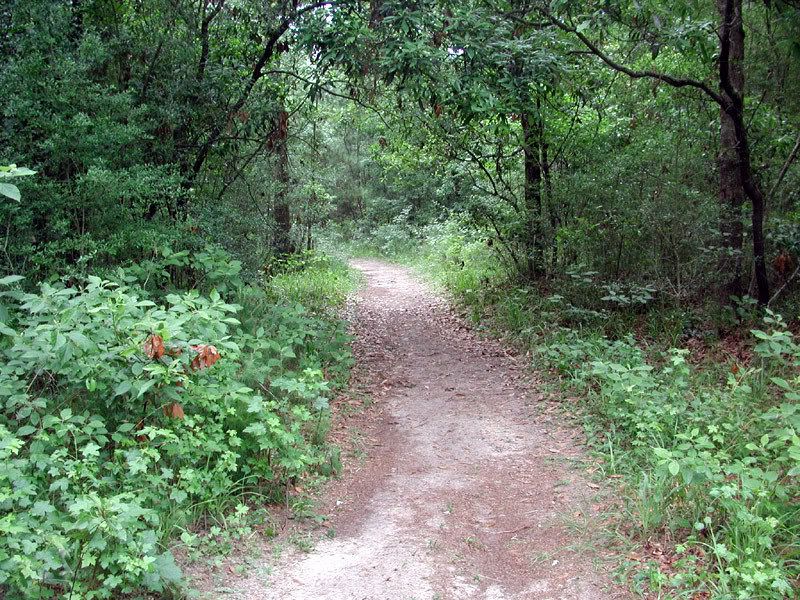
Montgomery County
L.t. amaura, Montgomery County
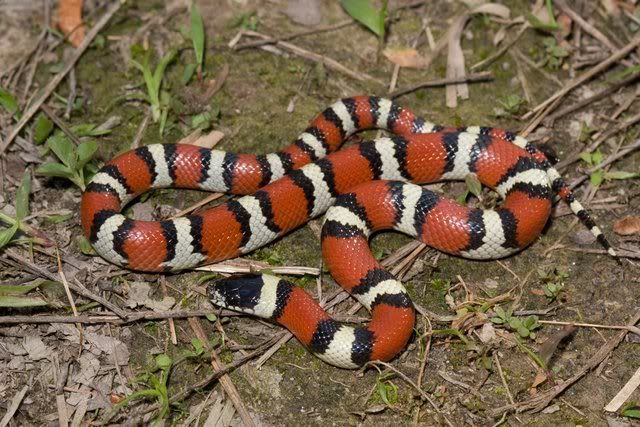
L.t. amaura, Montgomery County
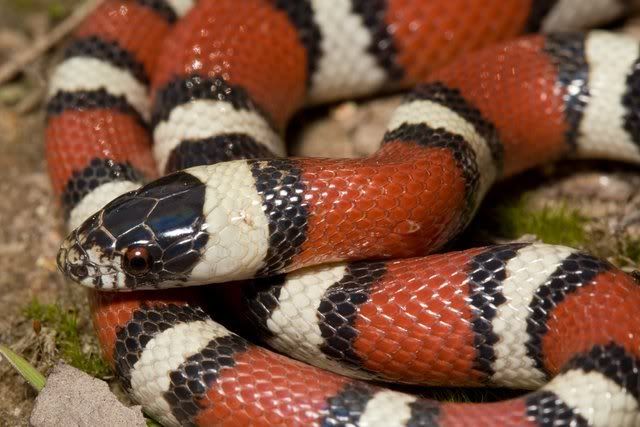
L.t. amaura, Montgomery County
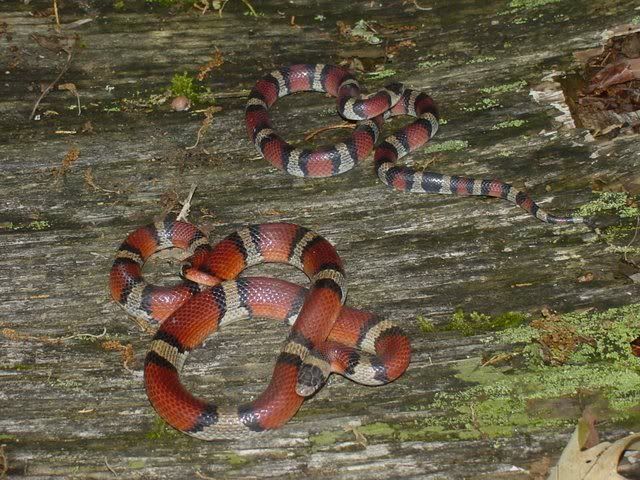
L.t. amaura, Montgomery County
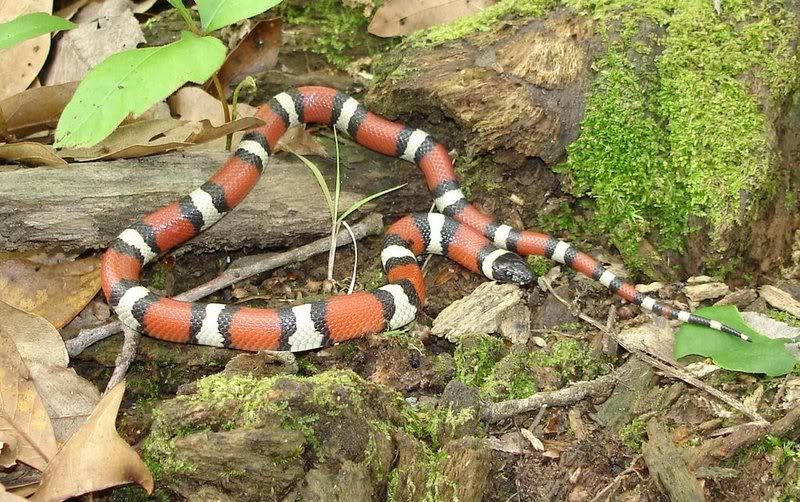
L.t. amaura, Montgomery County
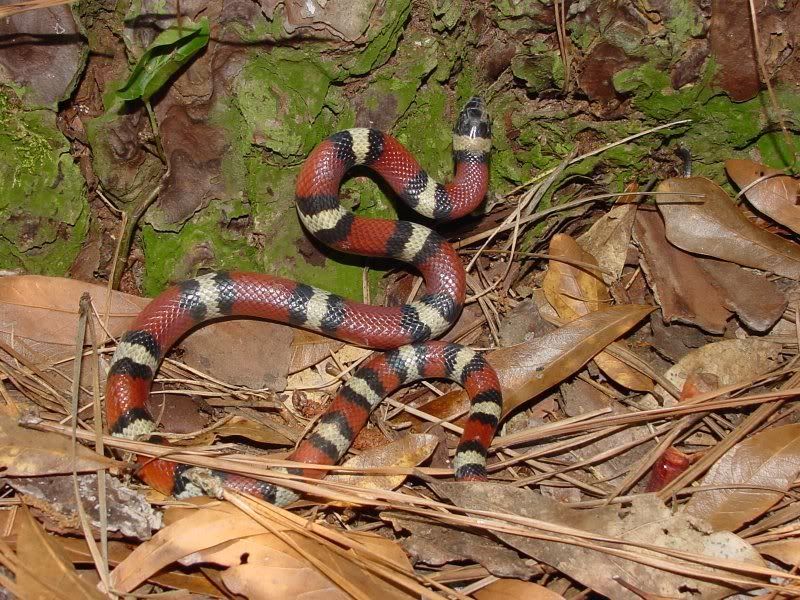
L.t. amaura, Montgomery County
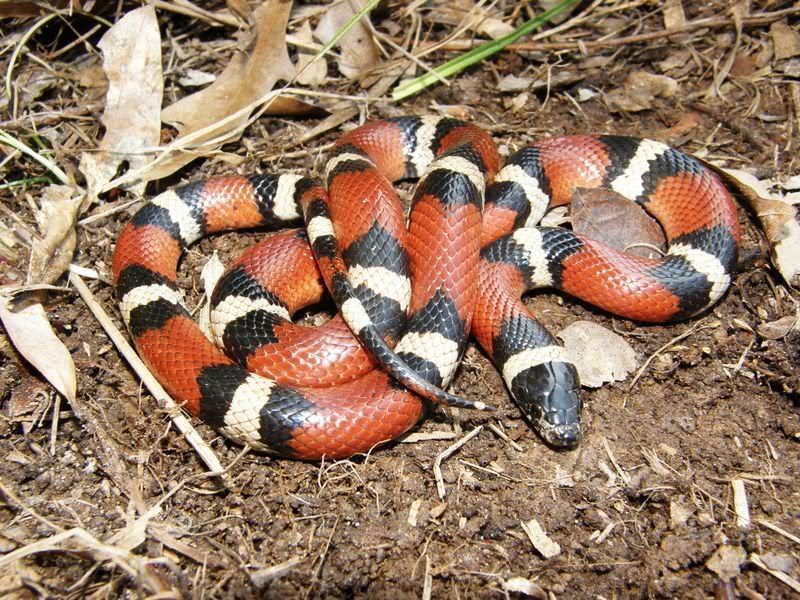
L.t. amaura, Montgomery County
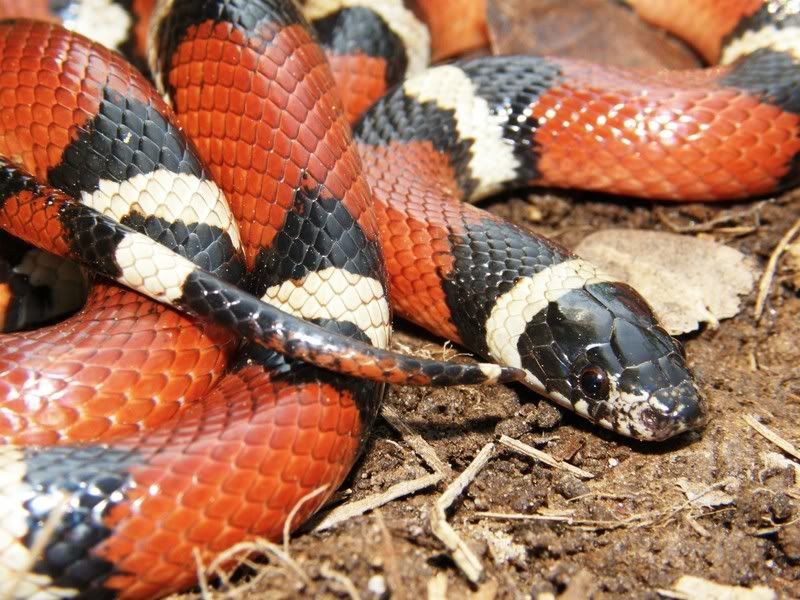
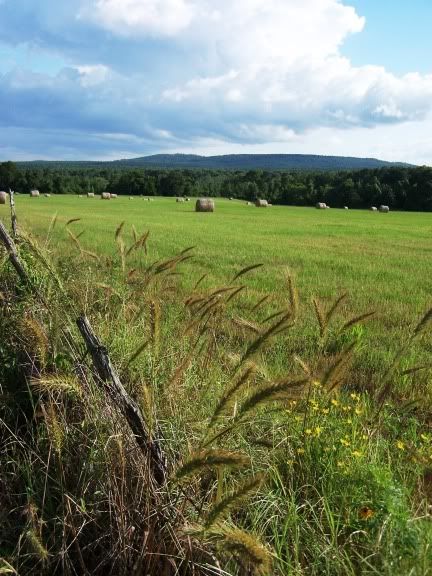
Moving west, we enter into the variable region of the Texan Province, where post oak-blackjack oak-hickory savannahs are interspersed among tall grass prairies. Drier parts of the province contain wet woodlands of oak, hackberry and elm where as interior wetlands, with numerous freshwater marshes and peat bogs can be found scattered about to the south.
Grimes County
L.t amaura, Grimes County
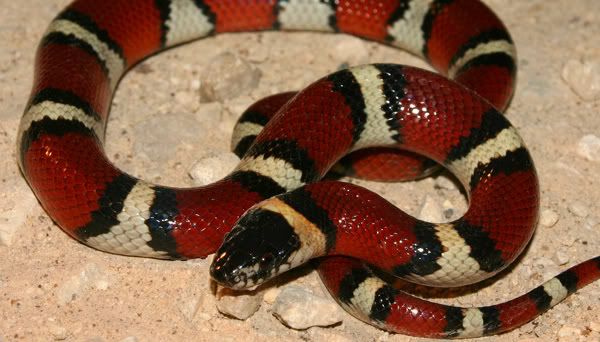
L.t. amaura, Grimes County
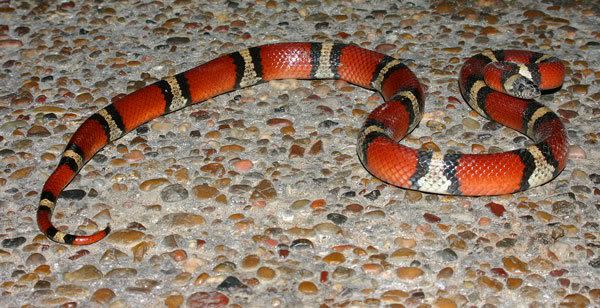
L.t. amaura, Grimes County
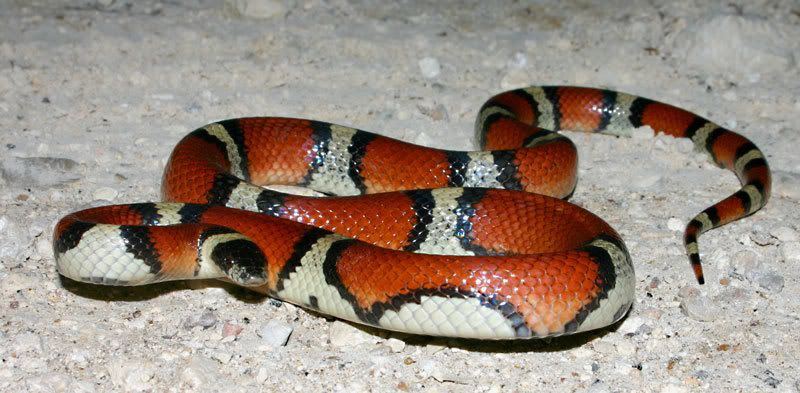
Brazos County
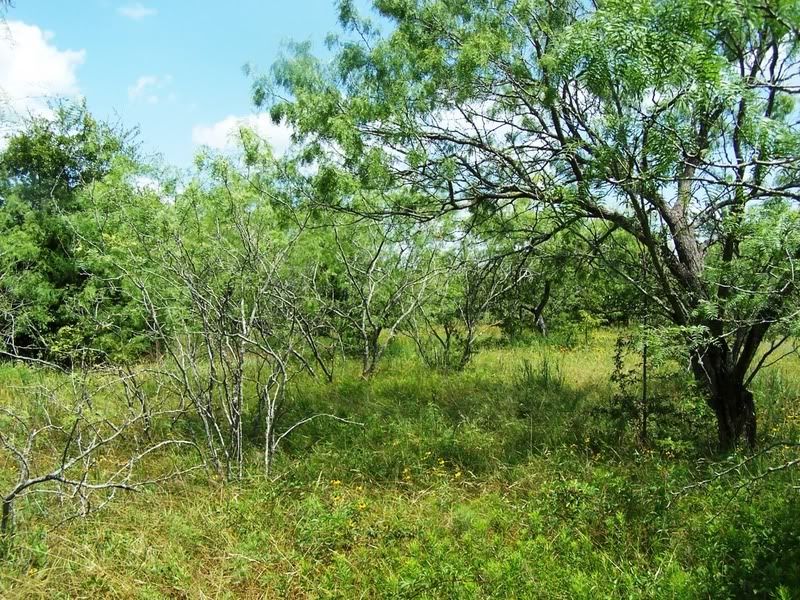
Brazos County
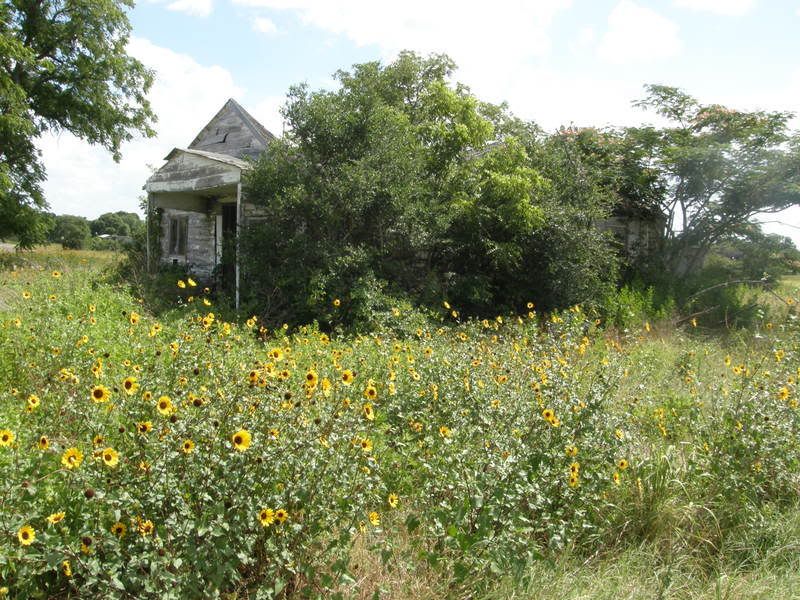
L.t. amaura, Brazos County
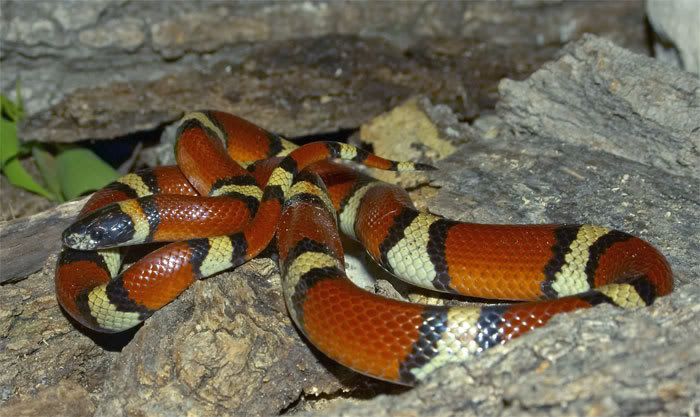
L.t. amaura, Brazos County
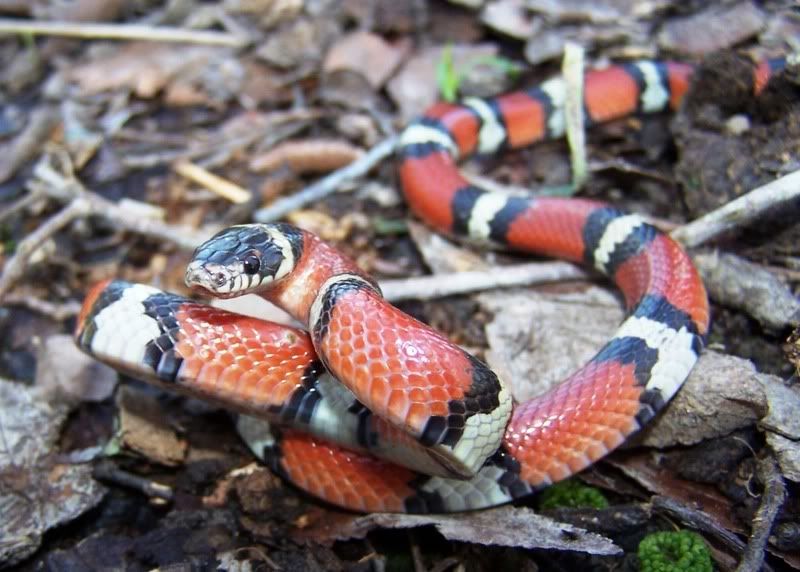
L.t. amaura, Brazos County
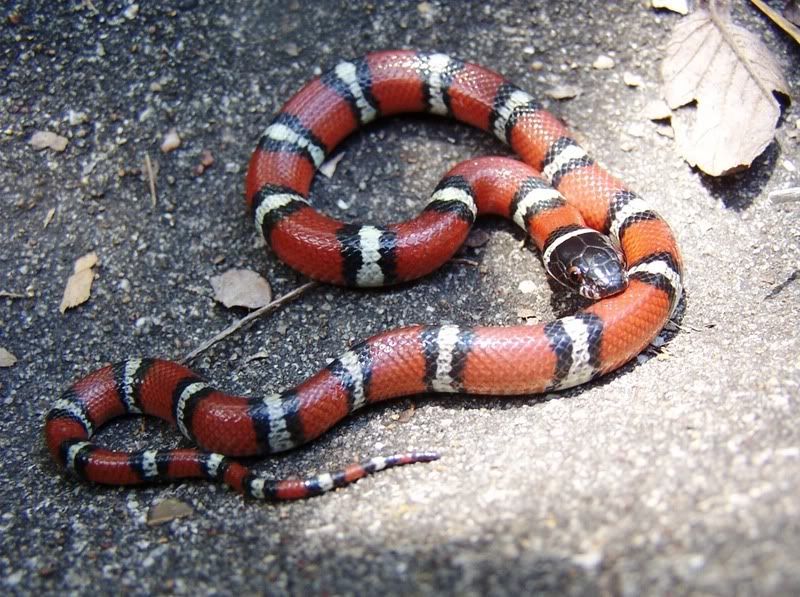
L.t. amaura, Brazos County
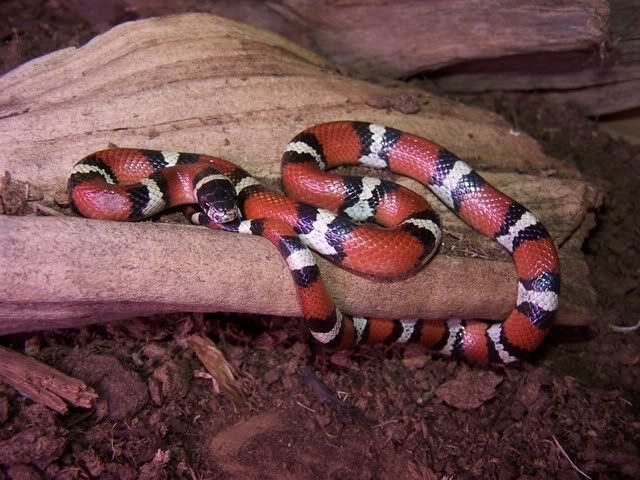
L.t. amaura, Brazos County
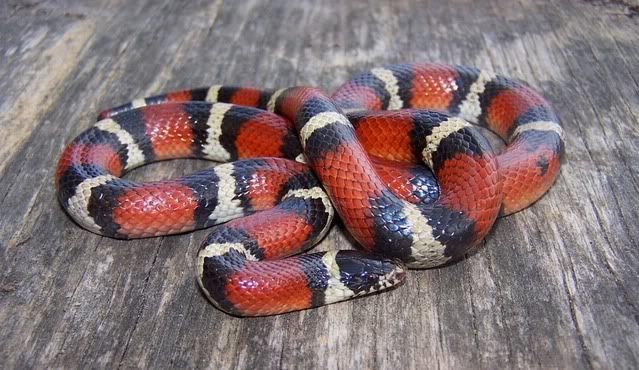
L.t. amaura, Brazos County
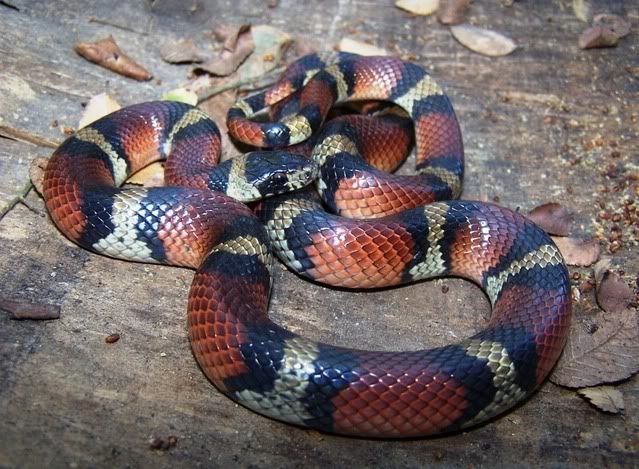
Brazos County
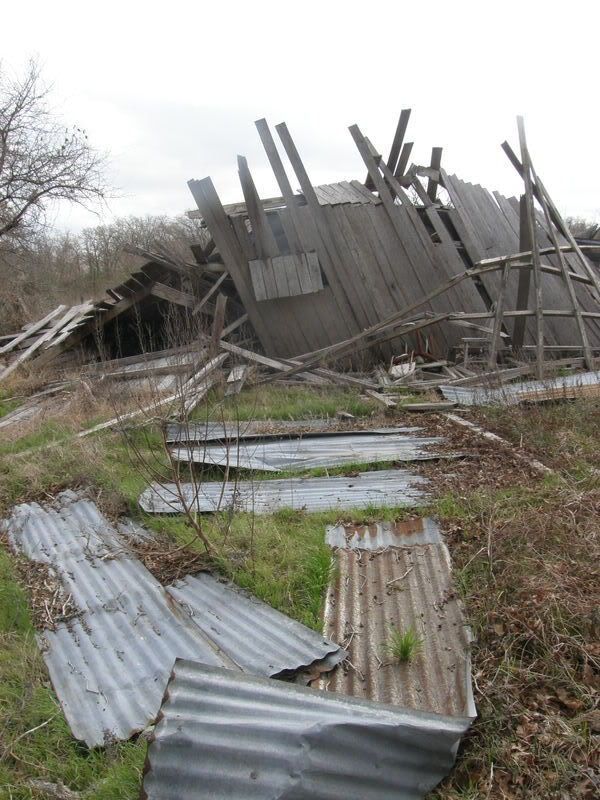
Brazos County
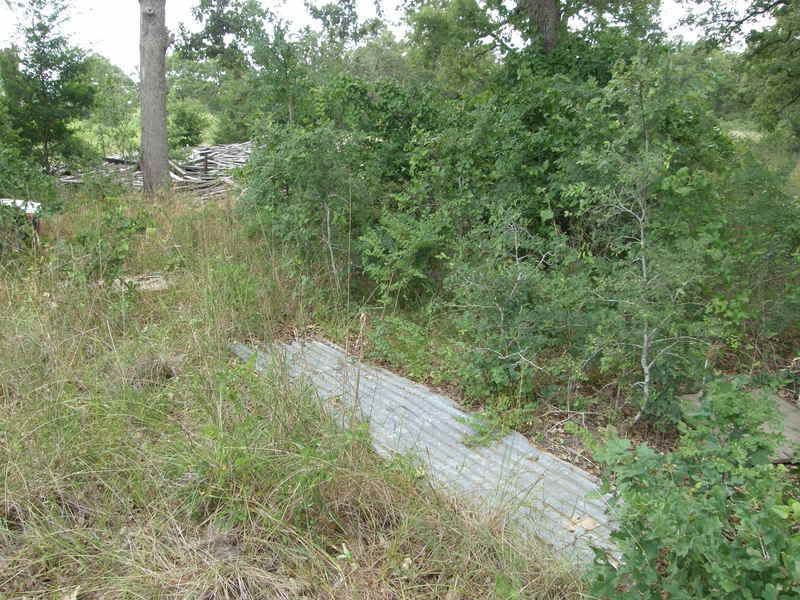
L.t. amaura, Brazos County
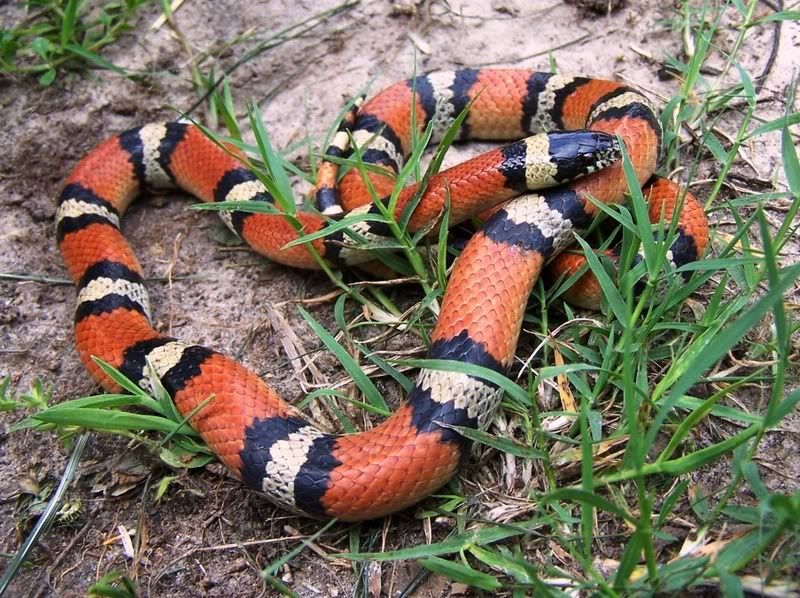
L.t. amaura, Brazos County
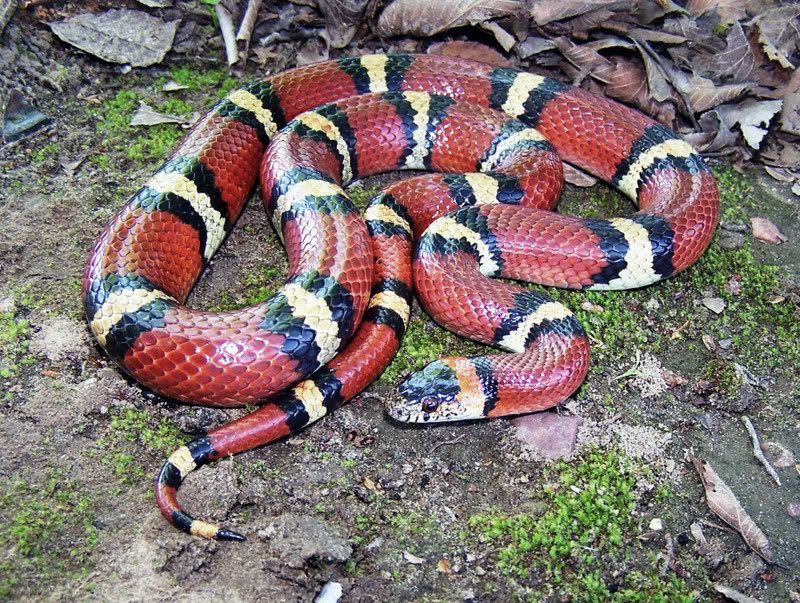
L.t. amaura, Brazos County
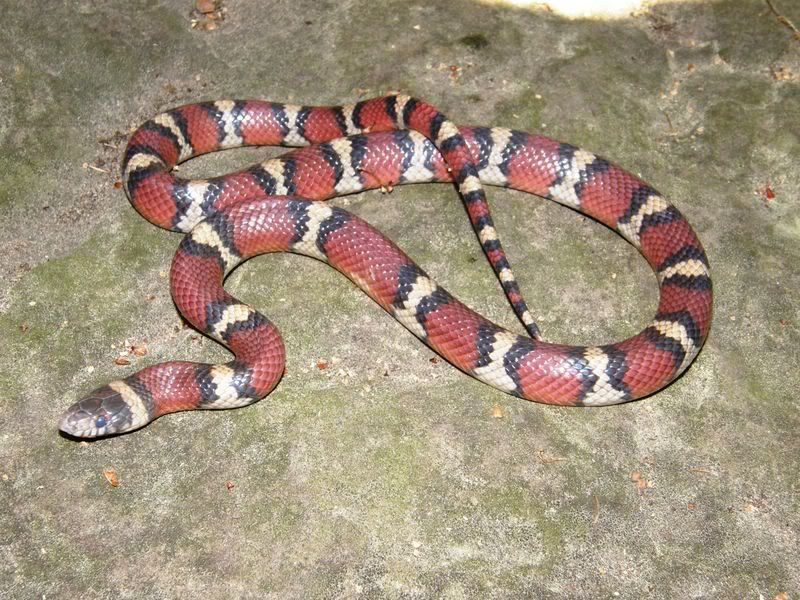
L.t. amaura, Brazos County
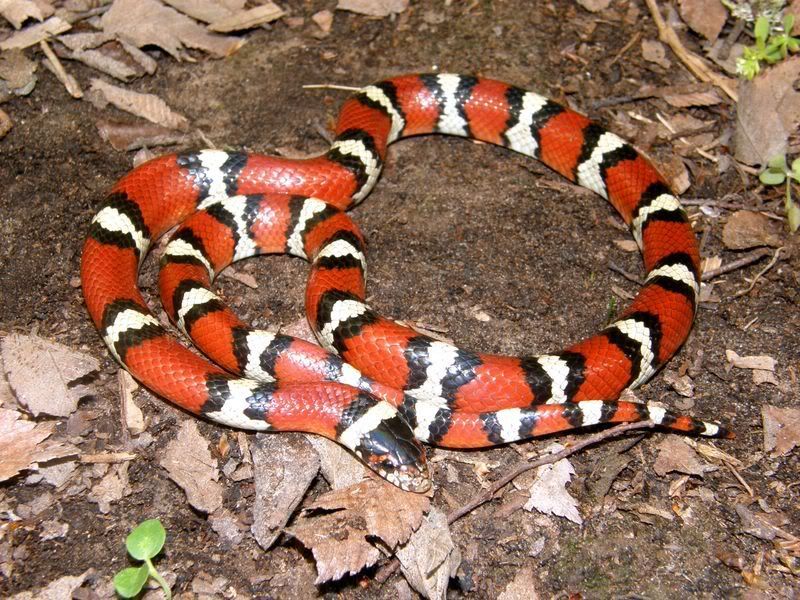
L.t. amaura, Brazos County
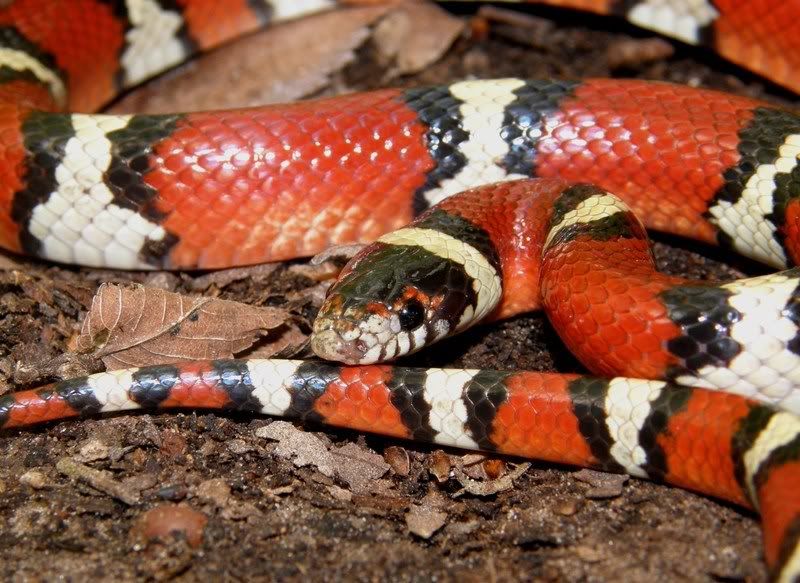
Robertson County
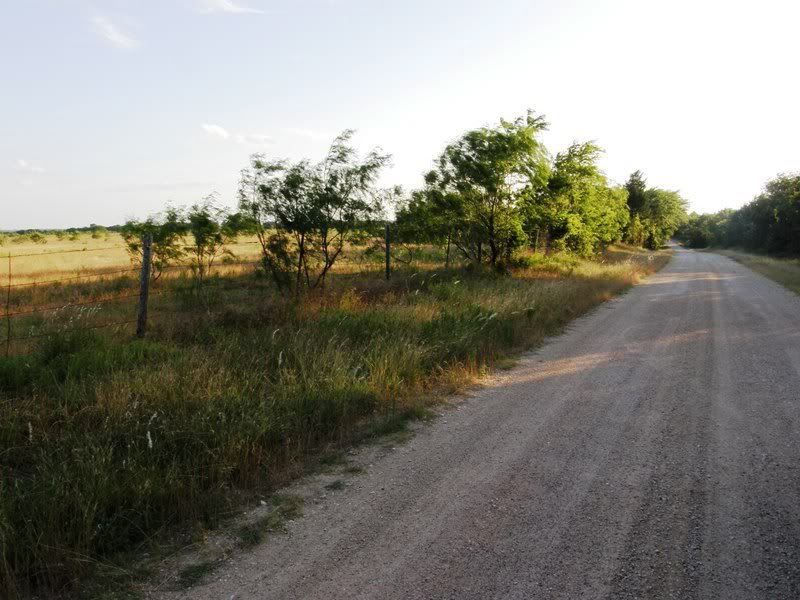
Burleson County
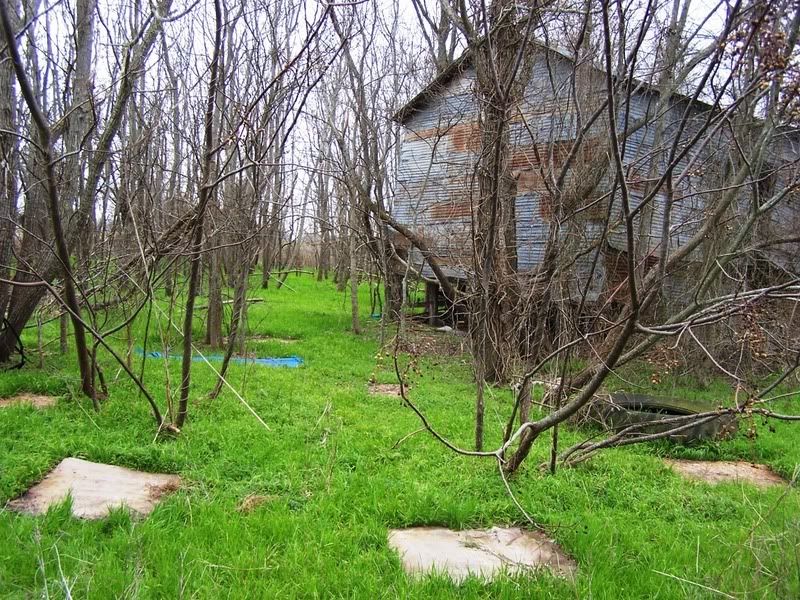
Burleson County
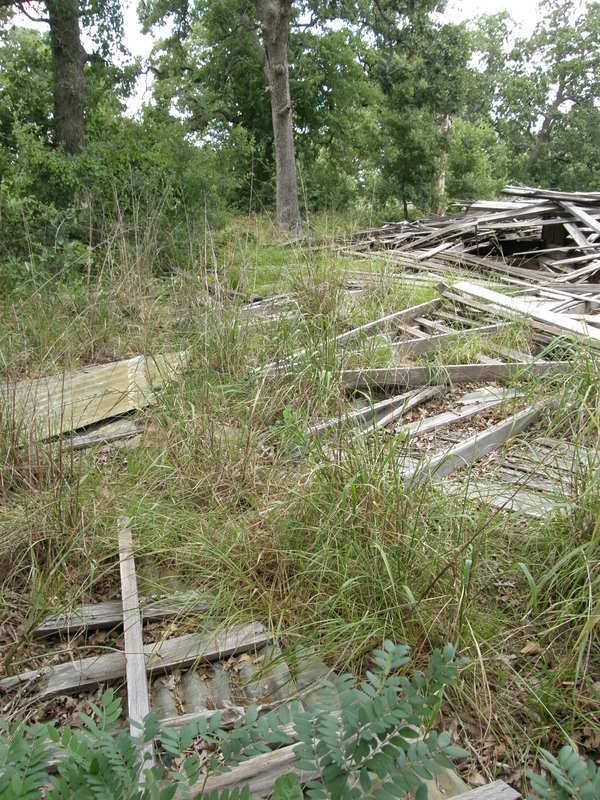
Burleson County
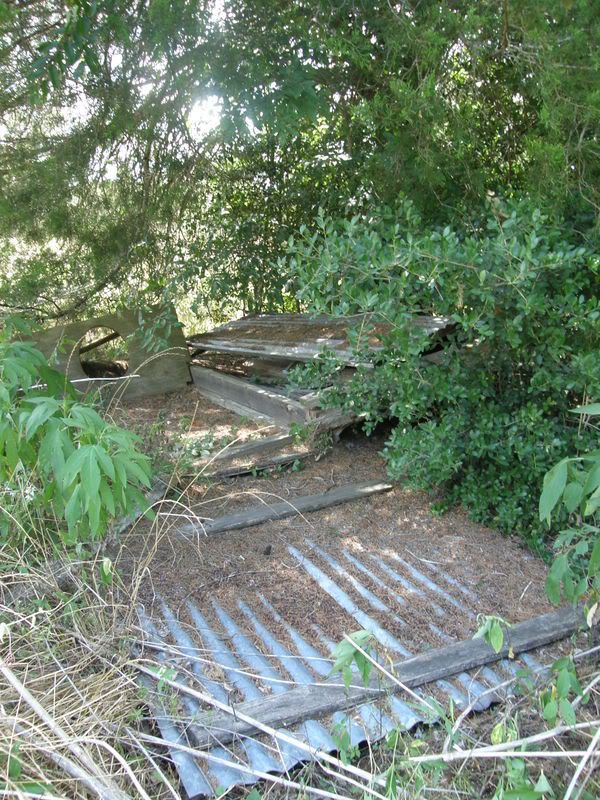
Moving south along the Texan Province, we now head into the coastal counties.
Harris County
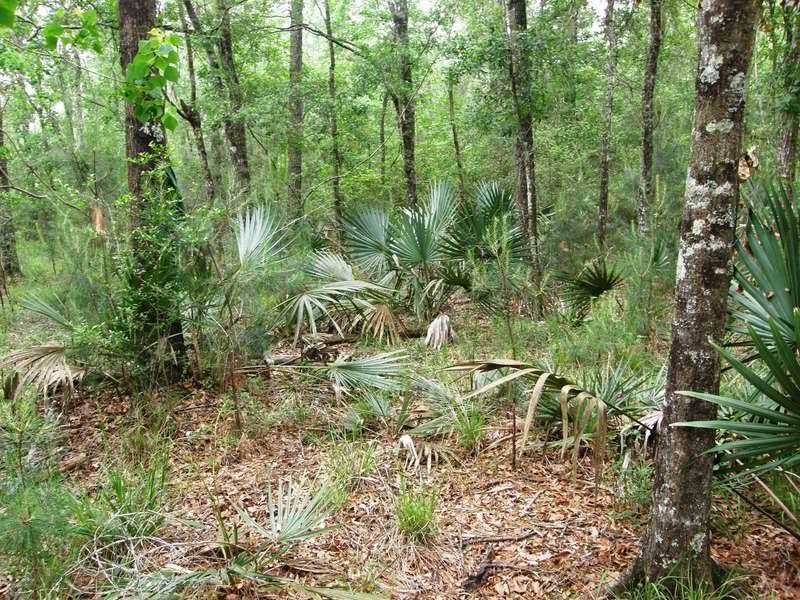
Brazoria County

Brazoria County
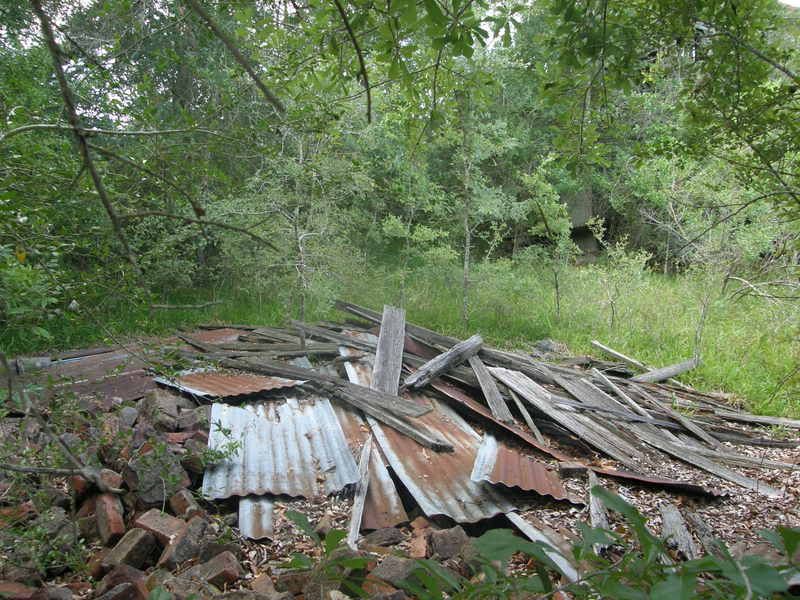
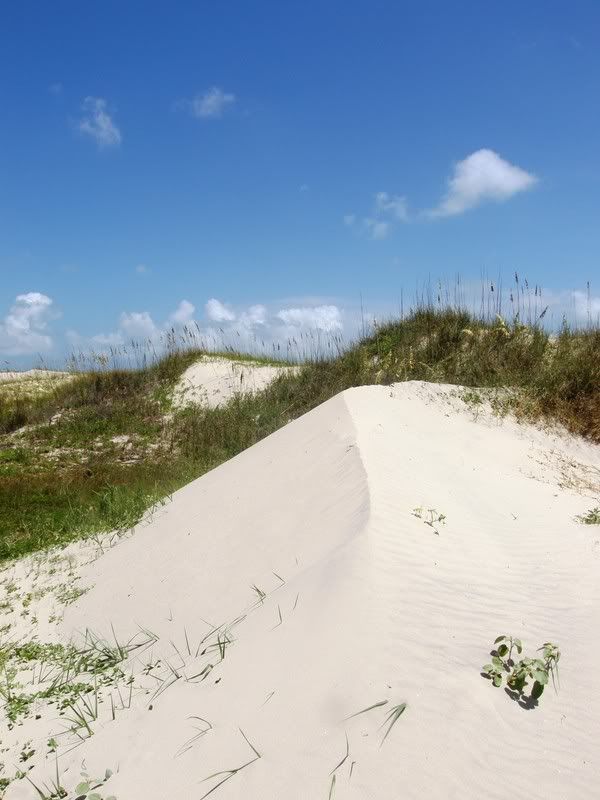
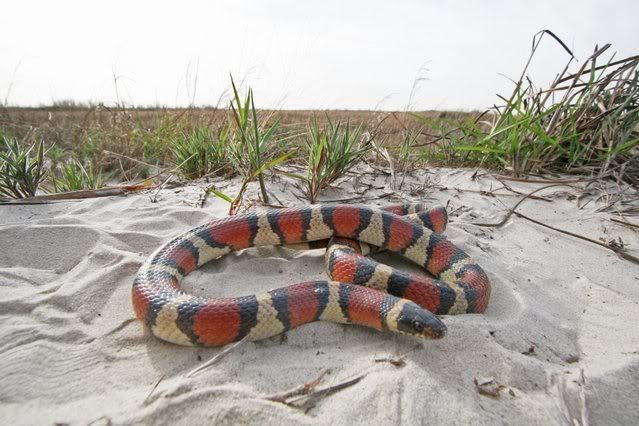
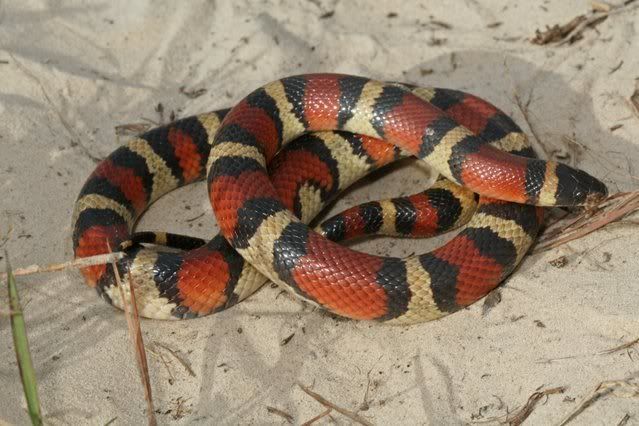
Continuing south along the coastline, we are met with a unique combination of environments; treeless, grass-covered sand dunes mixed with isolated areas of wetlands. A few of the isolated populations of the triangulum found here, particularly the animals living on Matagorda Island, are believed to be intergrades of L.t. amaura and L.t. annulata.
The coastline, Gulf of Mexico
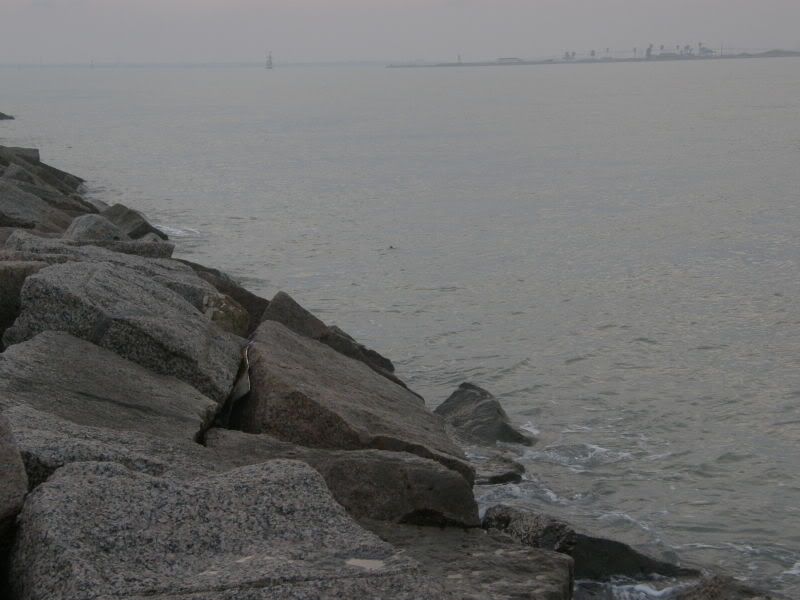
The sand dunes of Matagorda Island, Matagorda County
L.t amaura X L.t. annulata, Matagorda County
L.t amaura X L.t. annulata, Matagorda County
L.t amaura X L.t. annulata, Matagorda County
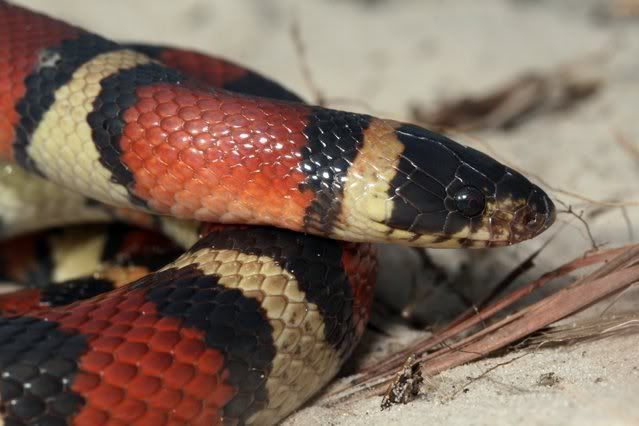
Victoria County
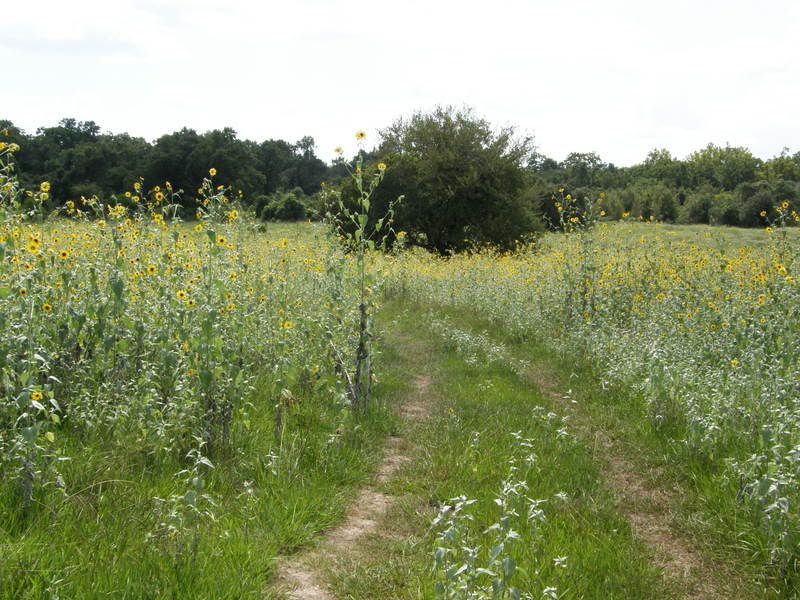
Aransas County
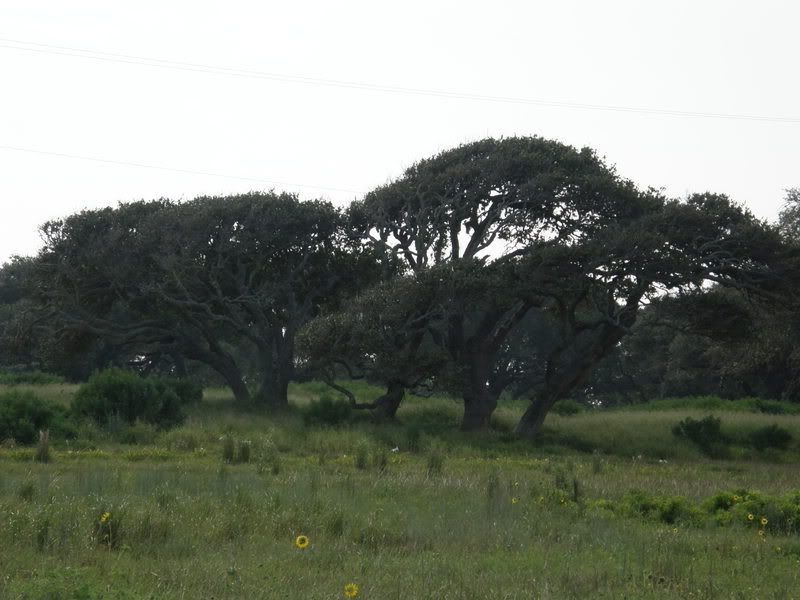
Kleberg County
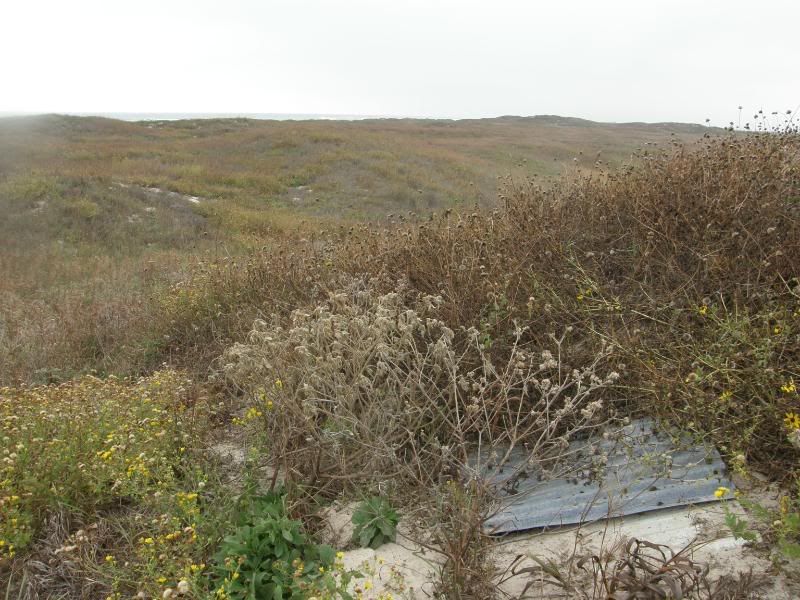
L.t amaura X L.t. annulata, Nueces County
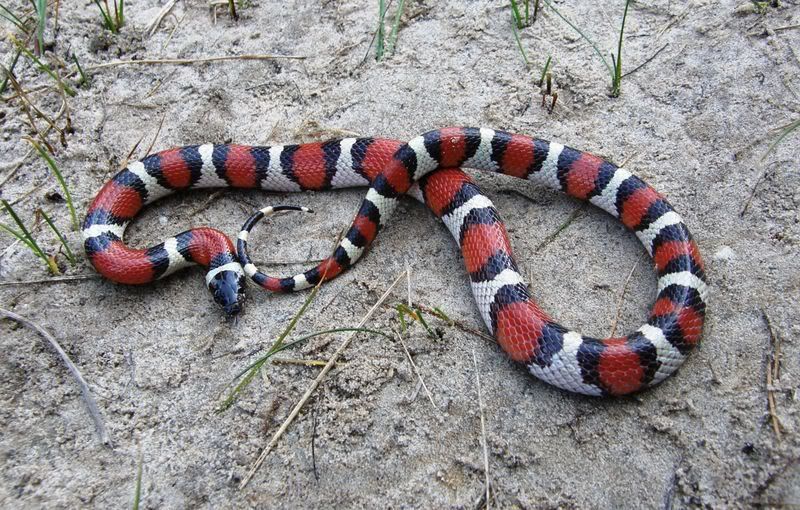
L.t amaura X L.t. annulata, Nueces County
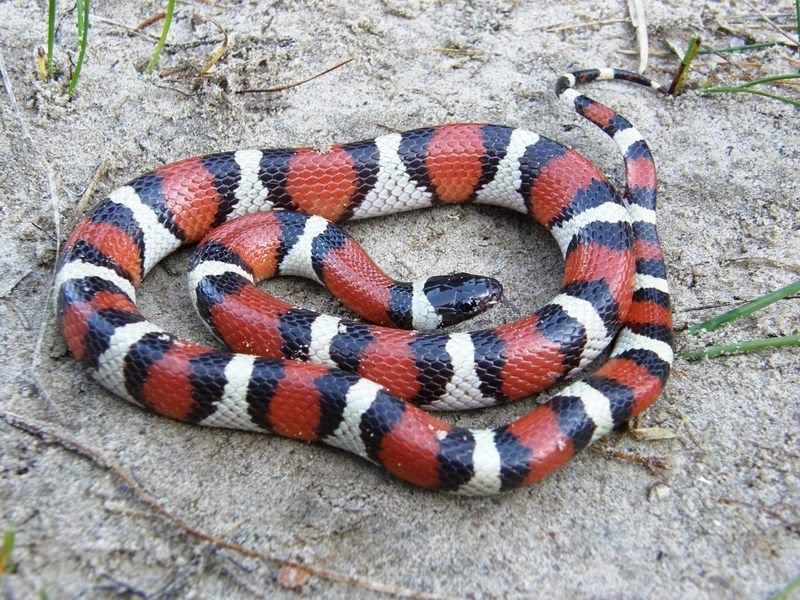
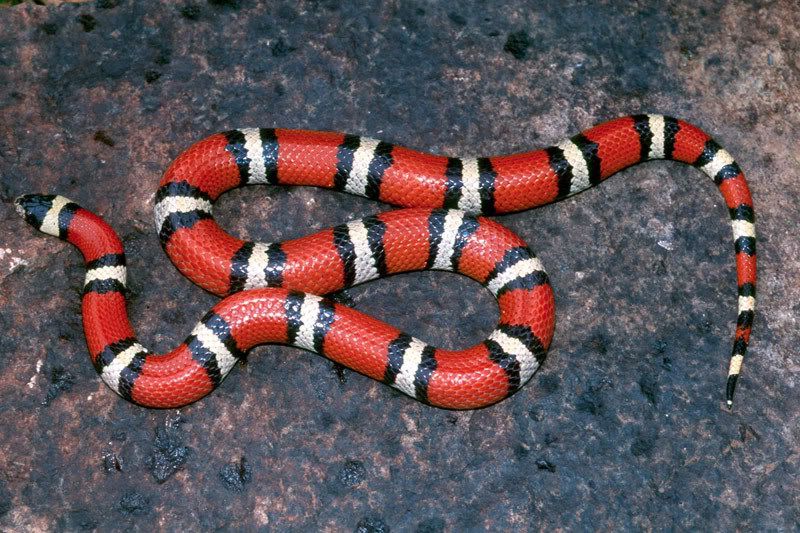
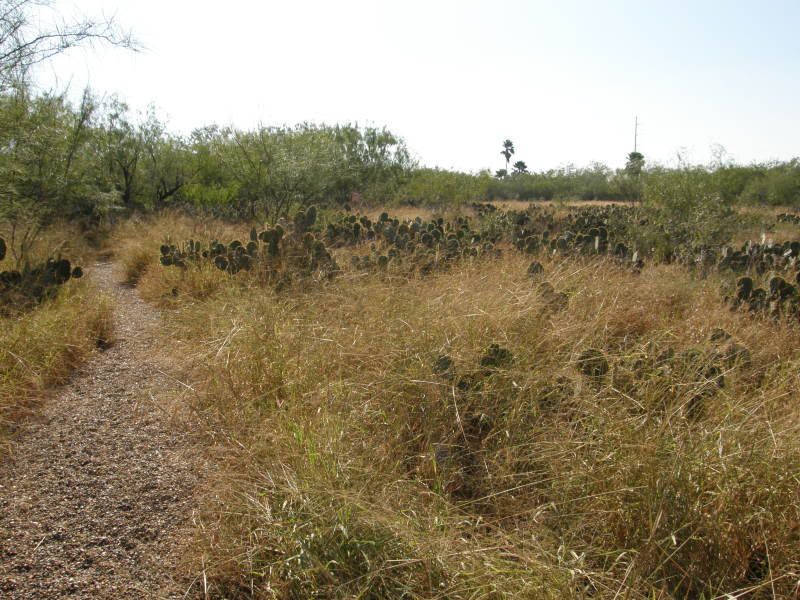
As we continue down the coastline, we emerge into deep South Texas; an area known as the Tamaulipan Province, which is home to the beautiful Mexican Milk Snake (Lampropeltis t. annulata). This low-lying region is essentially dry and rocky and characterized by flat or slightly rolling terrain. Most of the area is covered by drought resistant vegetation often referred to as “thorn brush”, which is armed with thorns or needle-sharp spines. Cat claw acacia, mesquite and prickly pear cactus are just a few that dominate the region. L.t. annulata is very similar to L.t. amaura in its habits. It is a very shy animal spending most of its day hidden away under loose soil or concealed underneath a suitable surface object. It engages in late evening or nighttime forays especially when the ground is still damp from recent rain showers.
Cameron County
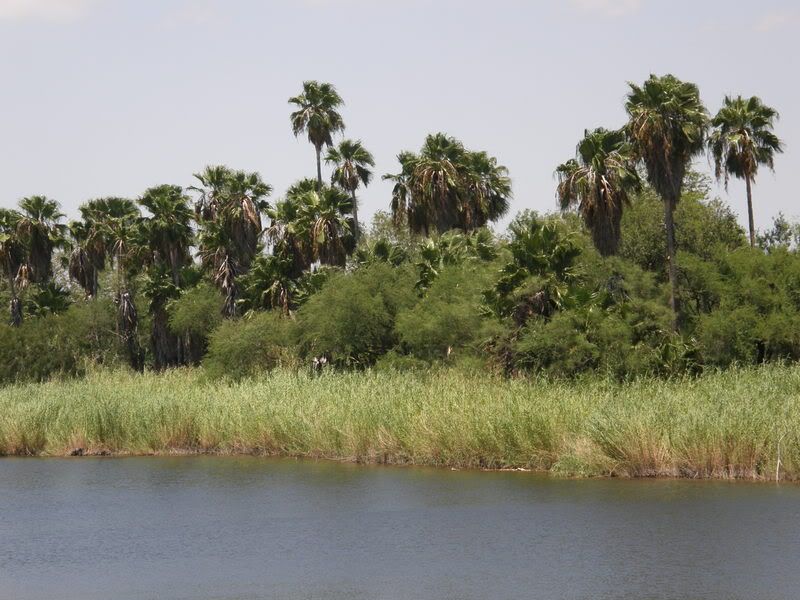
Cameron County
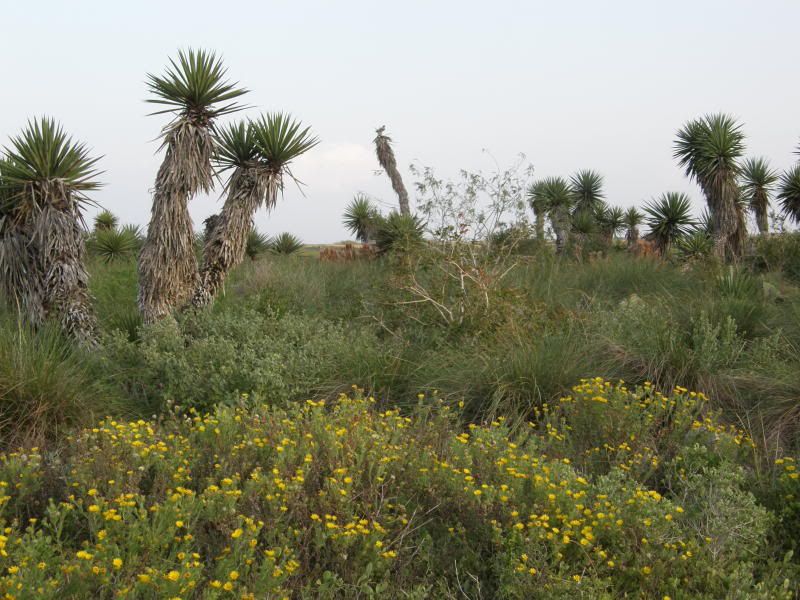
Cameron County
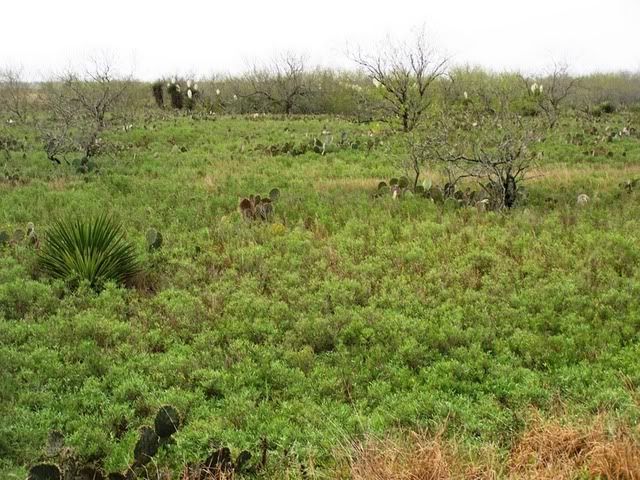
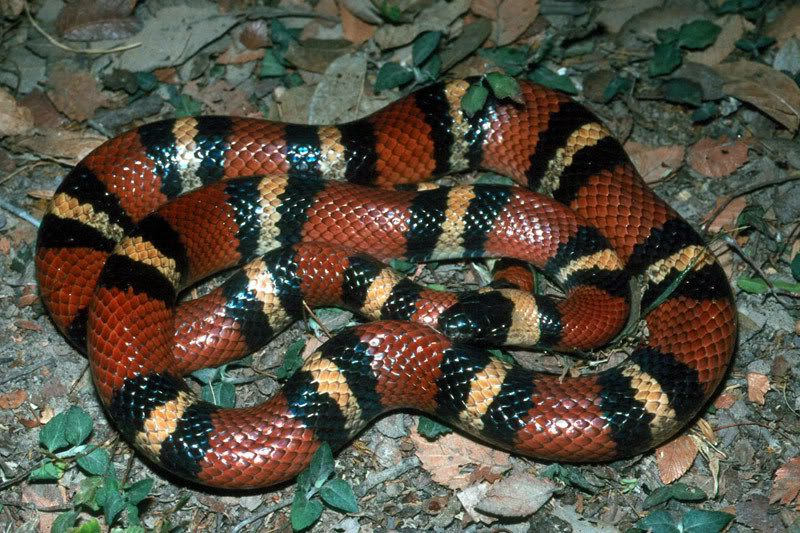
L.t. annulata, Cameron County
Hidalgo County
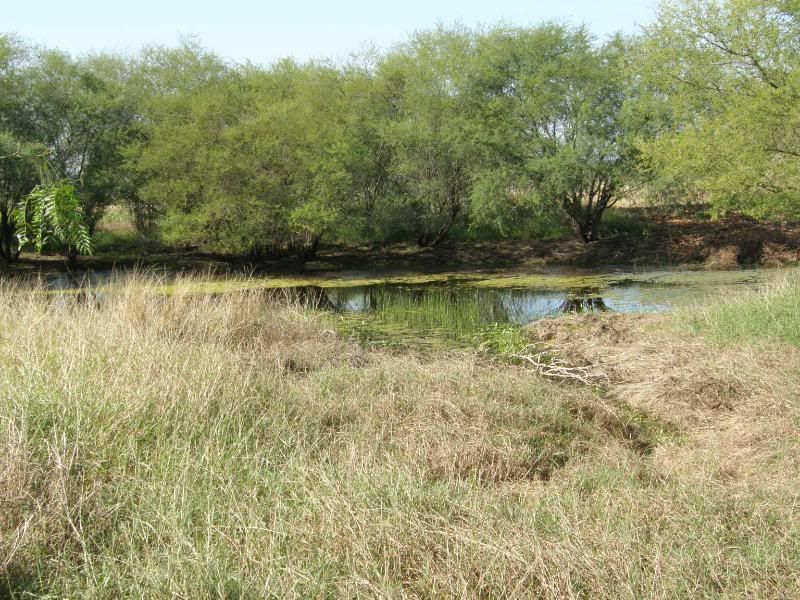
Starr County
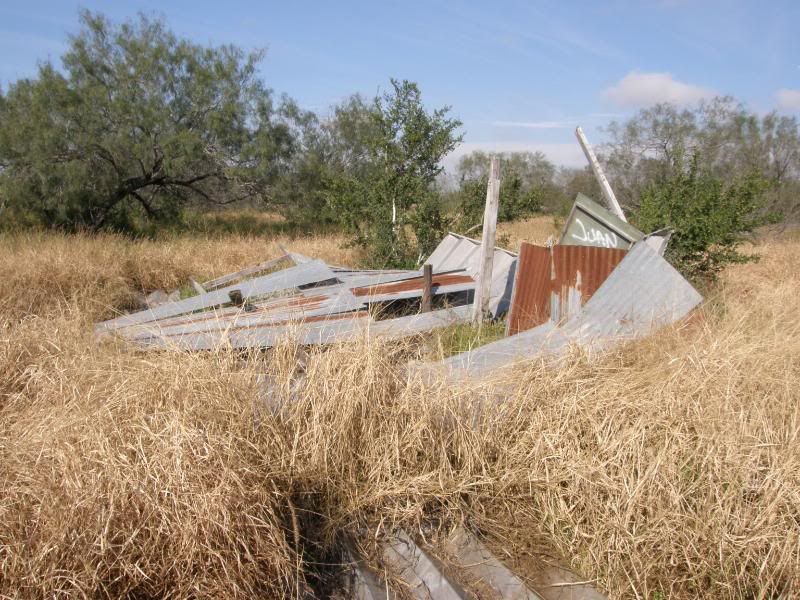
Starr County, Apparently this was Juan’s house…LOL
Jim Hogg County
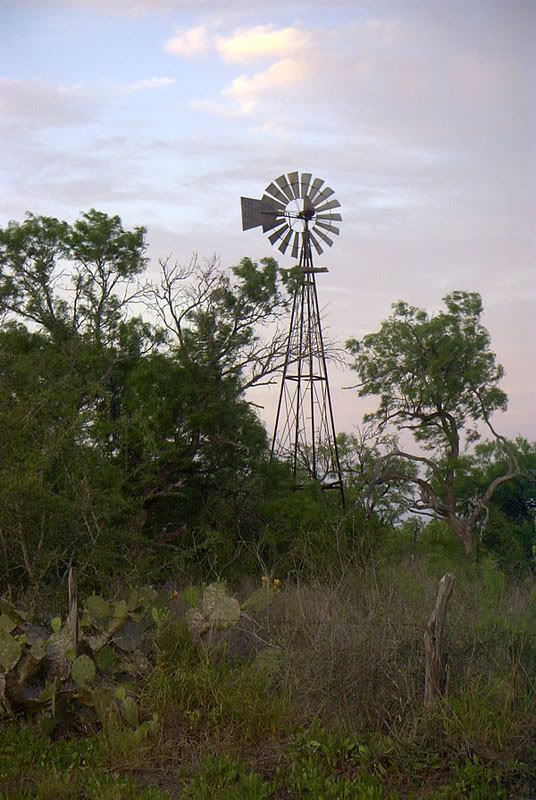
L.t. annulata, Jim Hogg County
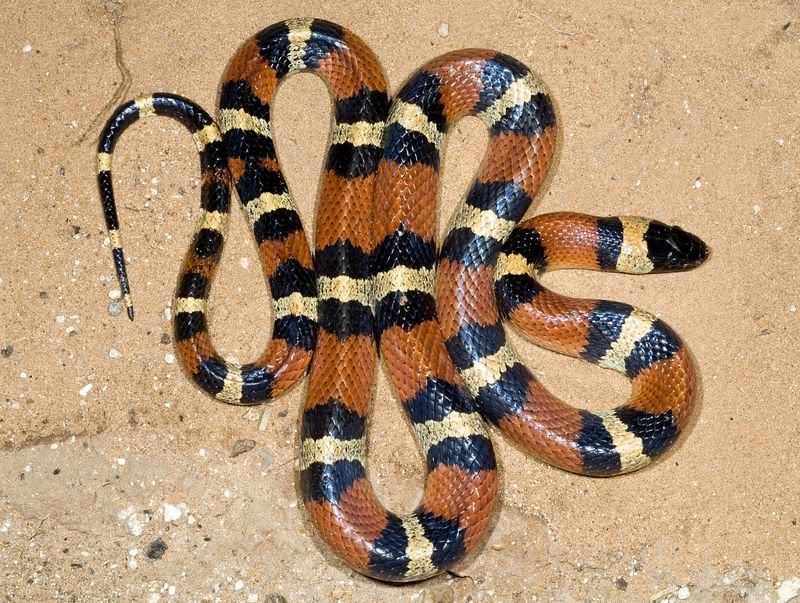
L.t. annulata, Jim Hogg County
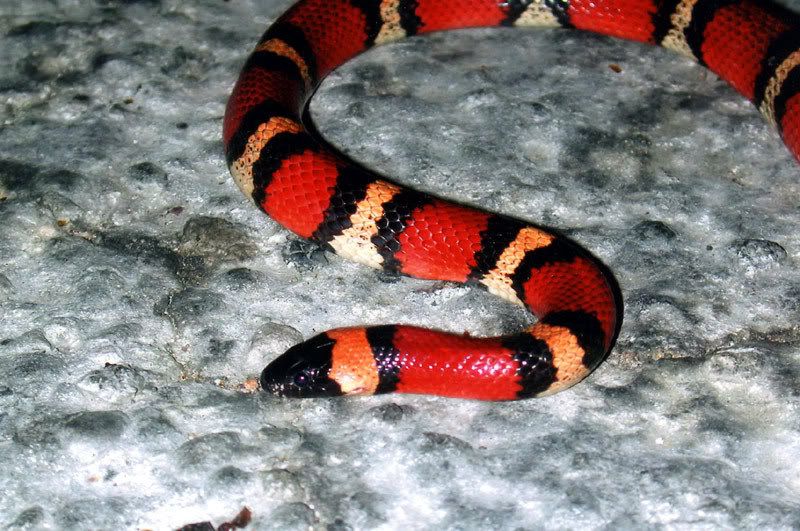
L.t. annulata, Jim Hogg County (DOR Specimen)
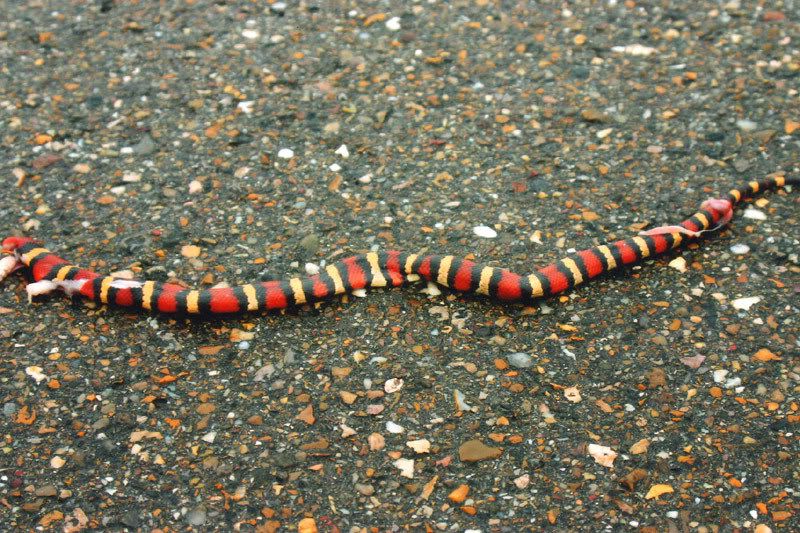
L.t. annulata, Duval County
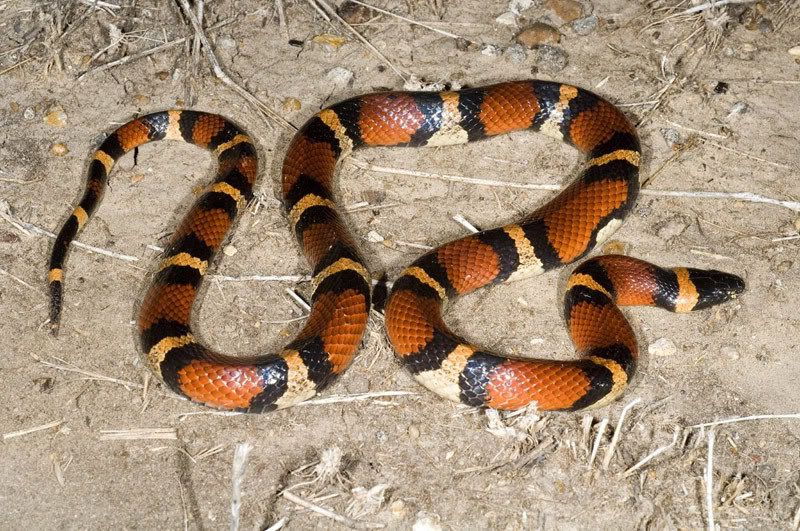
L.t. annulata, Duval County
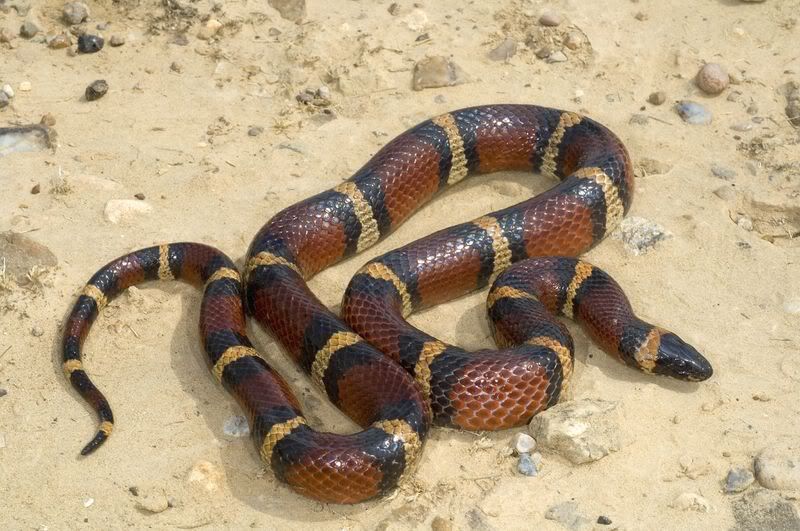
L.t. annulata, Duval County
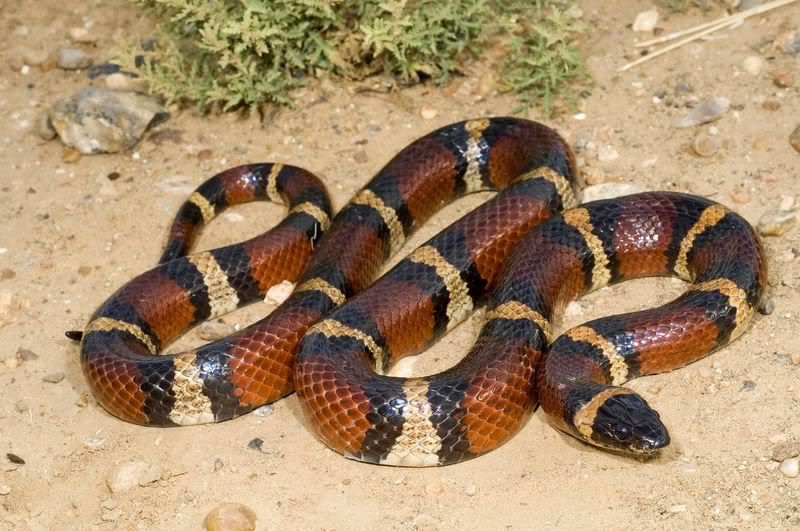
L.t. annulata, Duval County
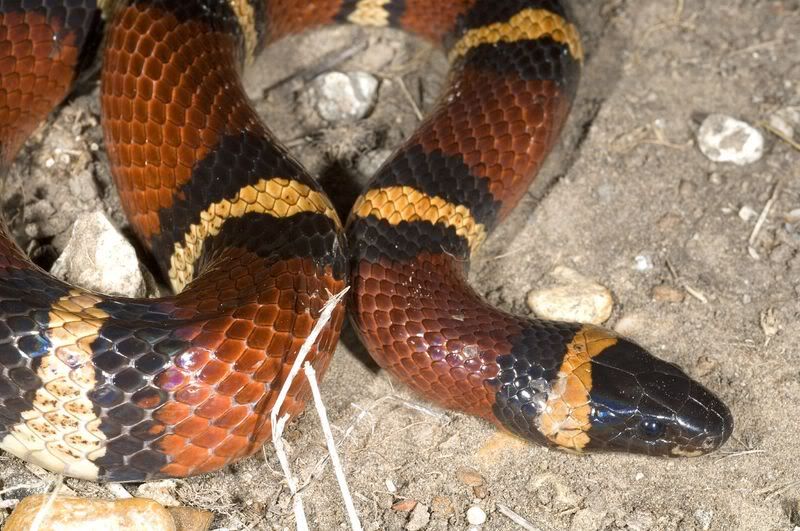
Webb County
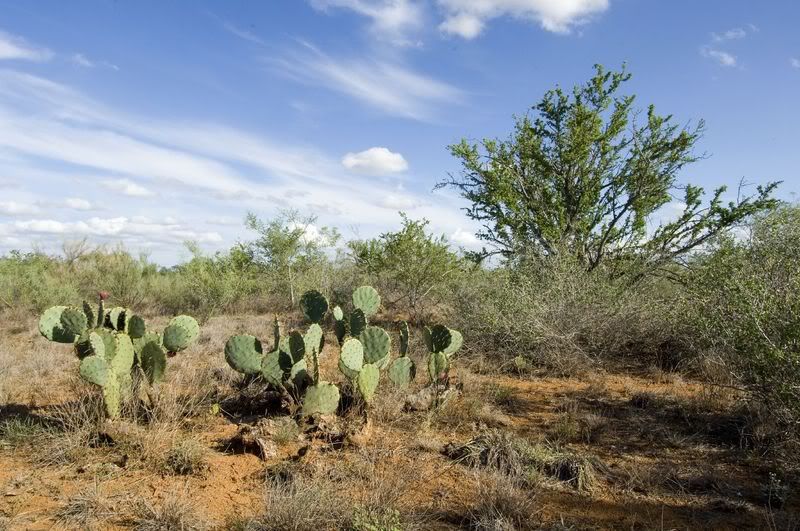
Webb County
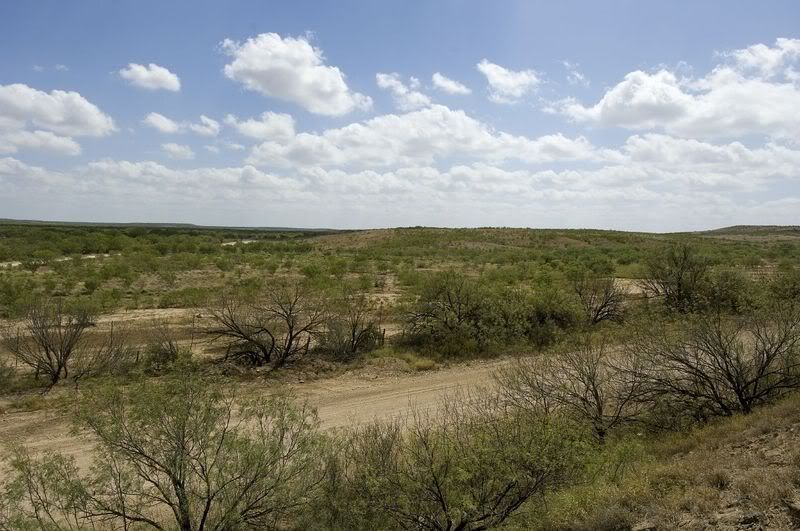
Webb County
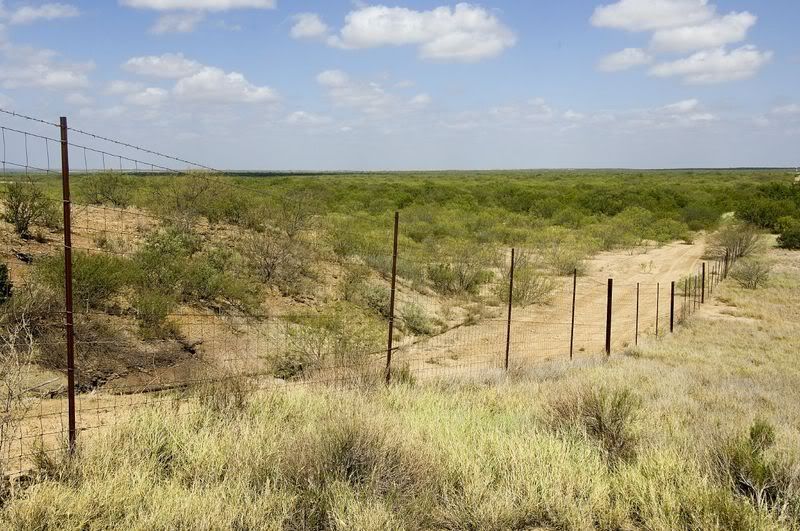
L.t. annulata, Webb County
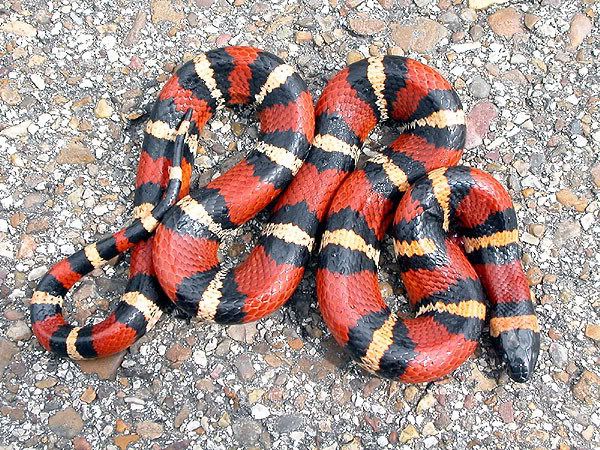
L.t. annulata, Dimmit County
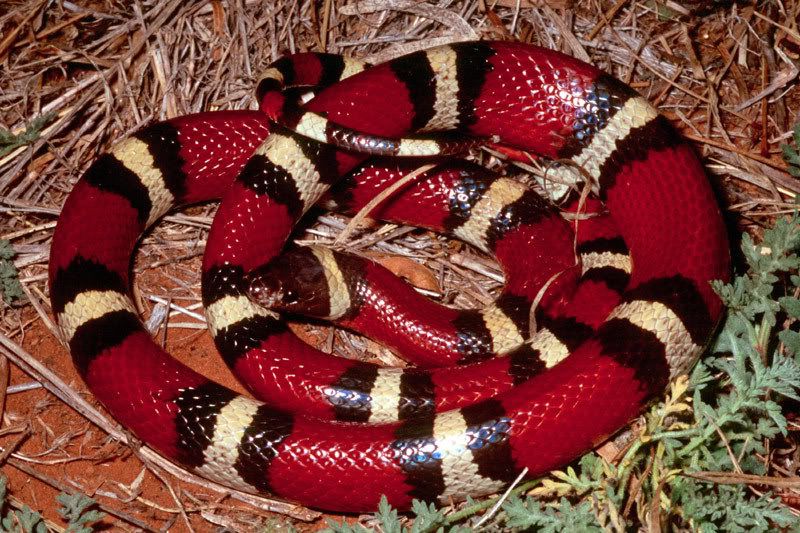
Kinney County
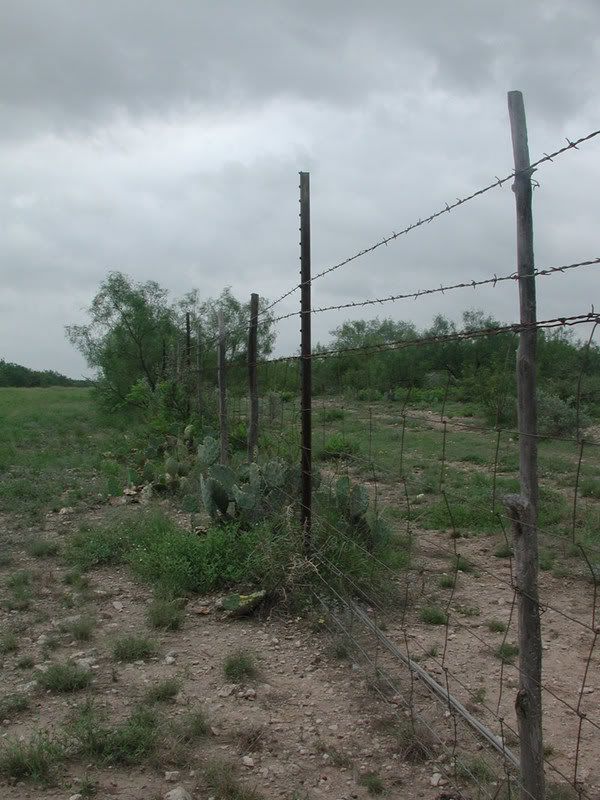
Kinney County
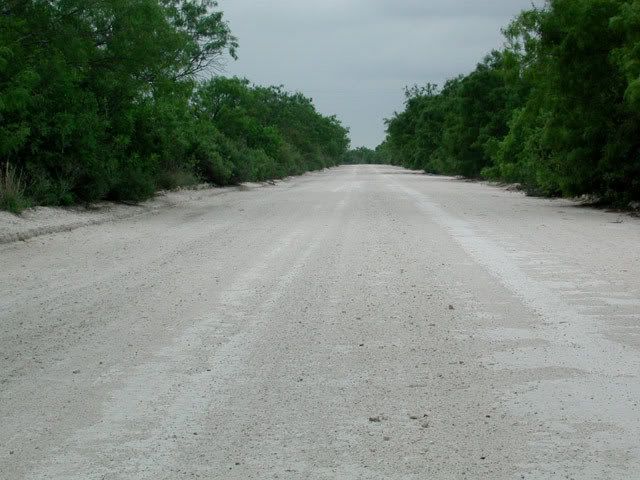
Continuing west and running north along the Rio Grande we near the Trans-Pecos region. Making a short jaunt through the Balconian Province, which consists mainly of limestone canyons mixed with short-tree forests, we enter the Chihuahuan Province; the most diverse of all the biotic provinces in Texas. It is essentially an arid region of dry, rocky mountains, which are separated by desert plains and basins. Alpine forests of juniper, Ponderosa pine and oak occur throughout the various mountain ranges while dense clusters of stool, yucca, lechuguilla, agave, creosote and many different types of cacti can also be found across the region.
Val Verde County
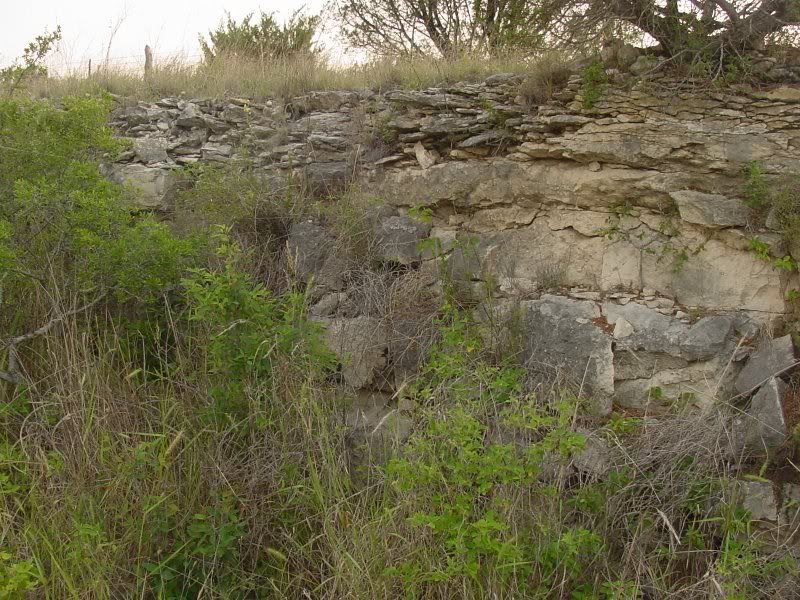
L.t. annulata, Val Verde County
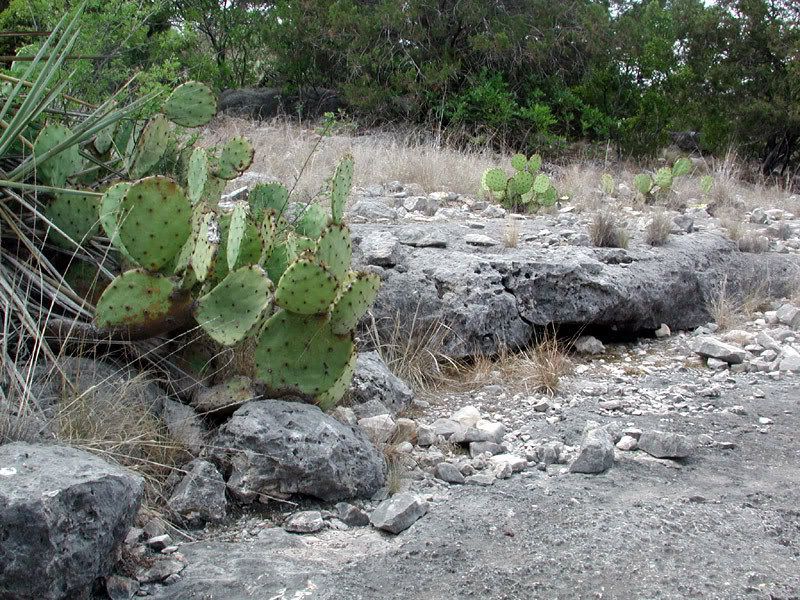
Val Verde County
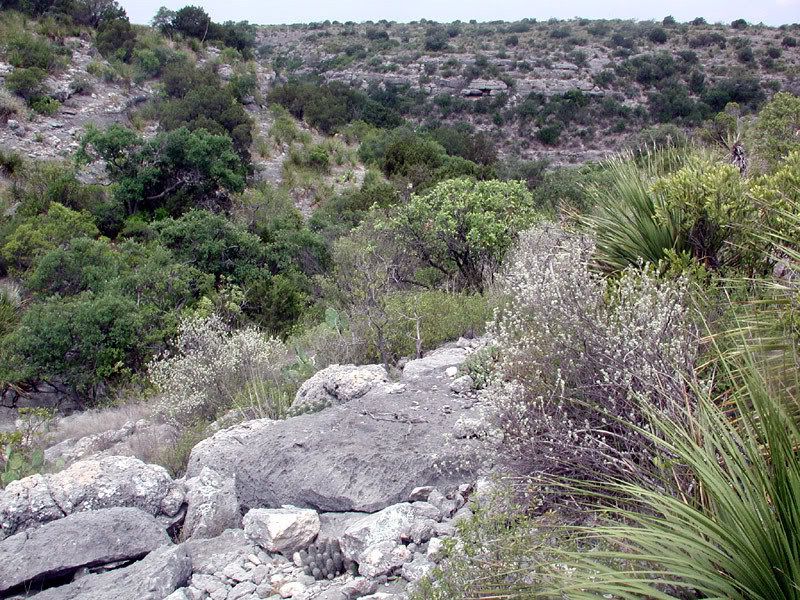
Val Verde County
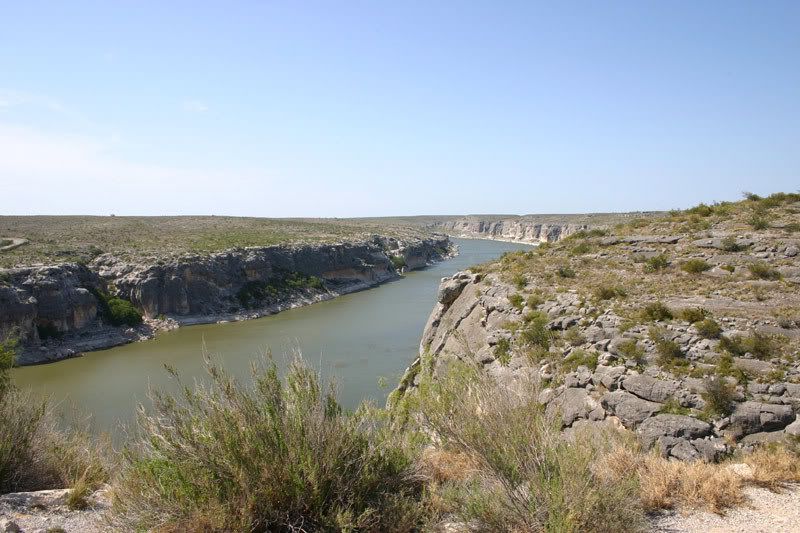
Val Verde County
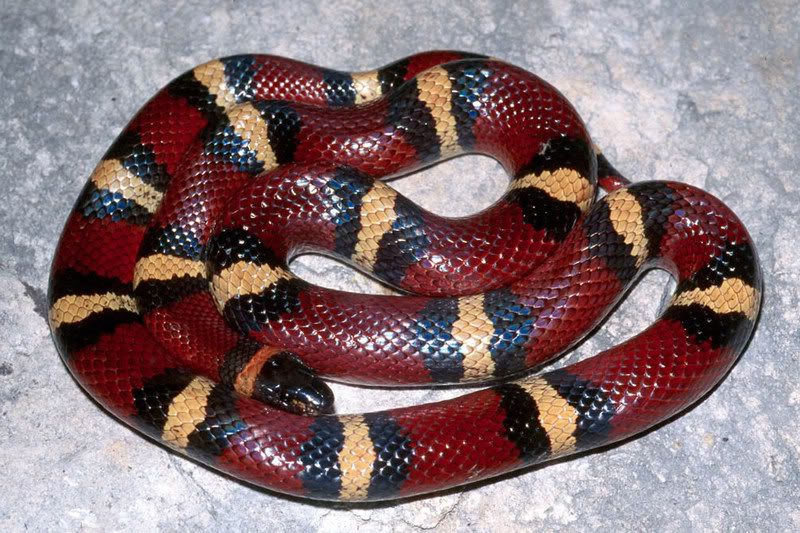
L.t. annulata, Val Verde County
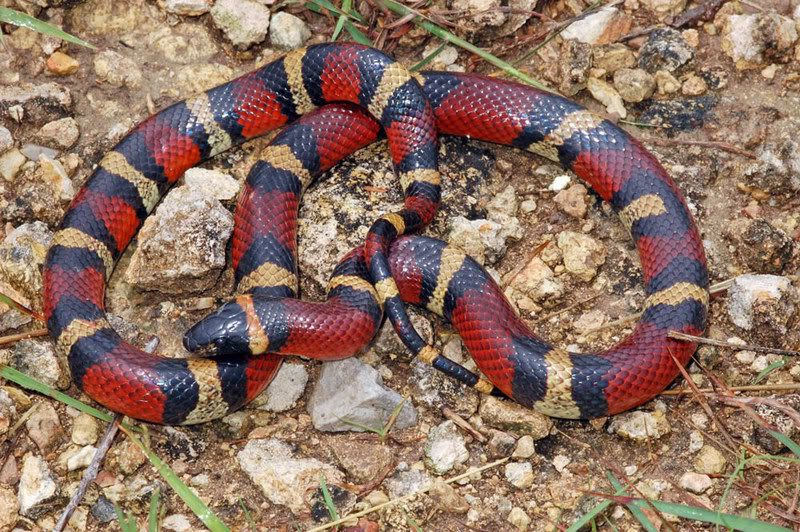
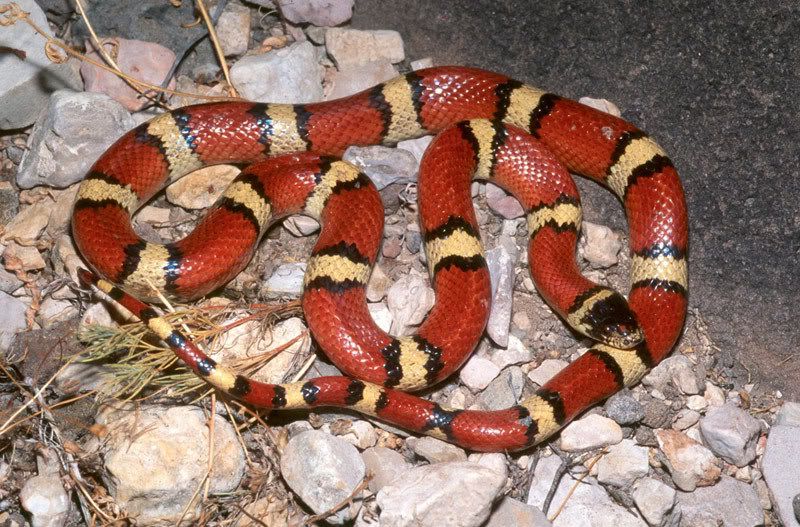
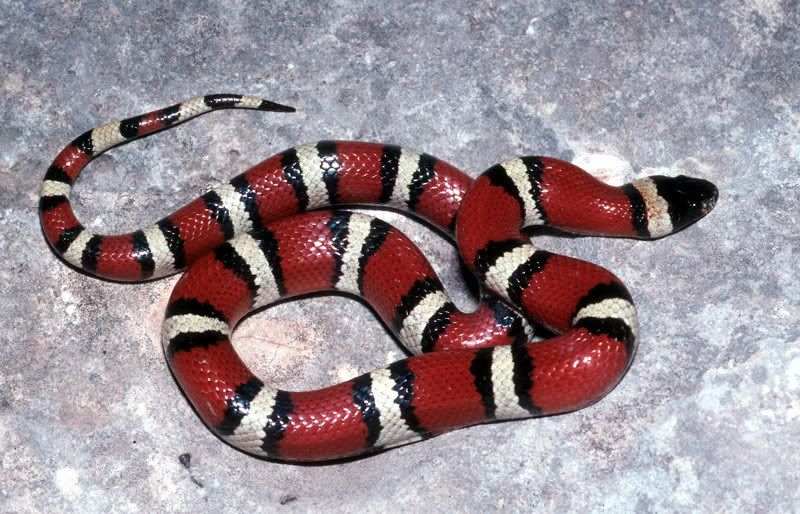
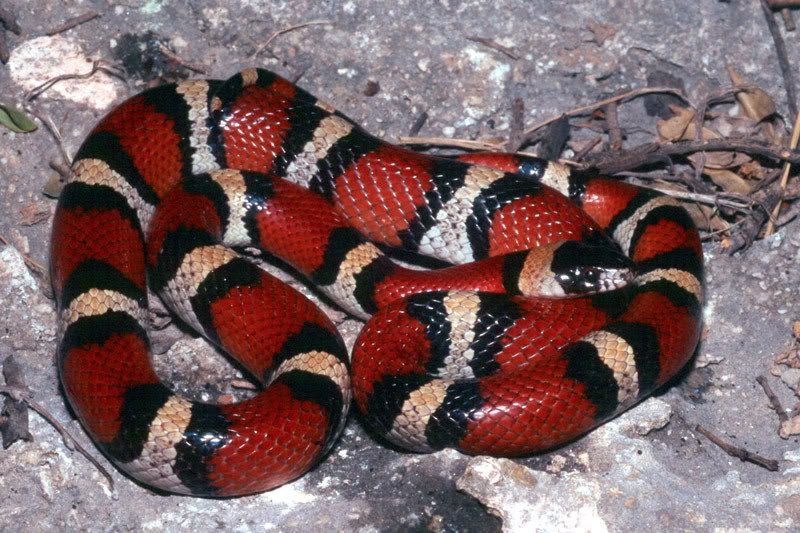
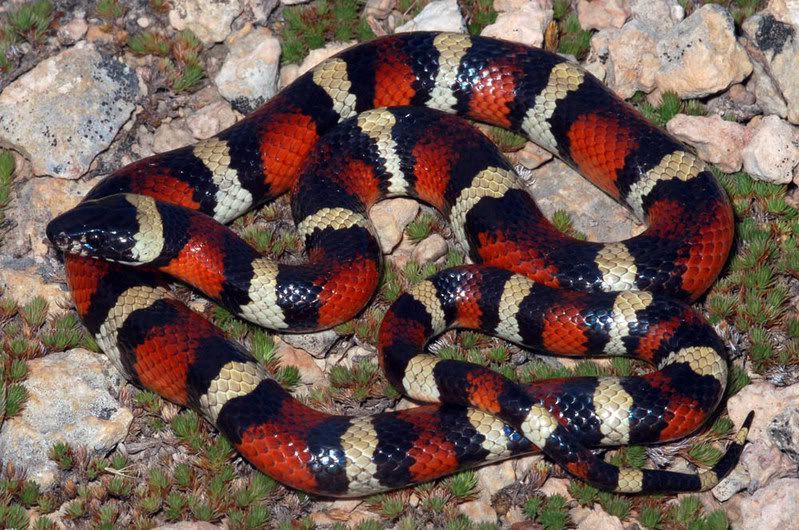
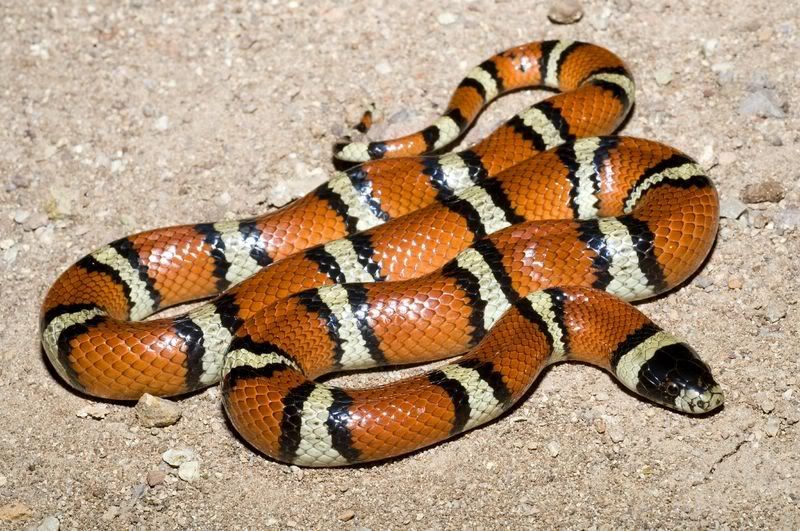
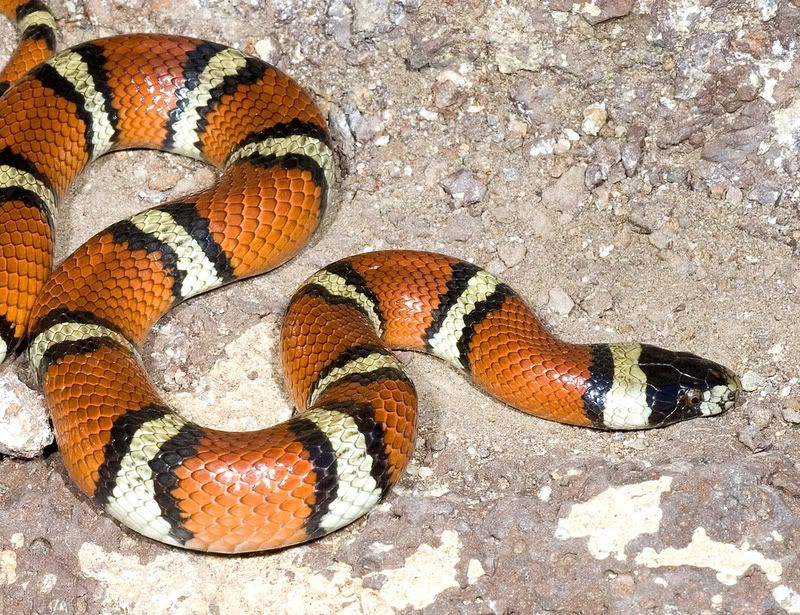
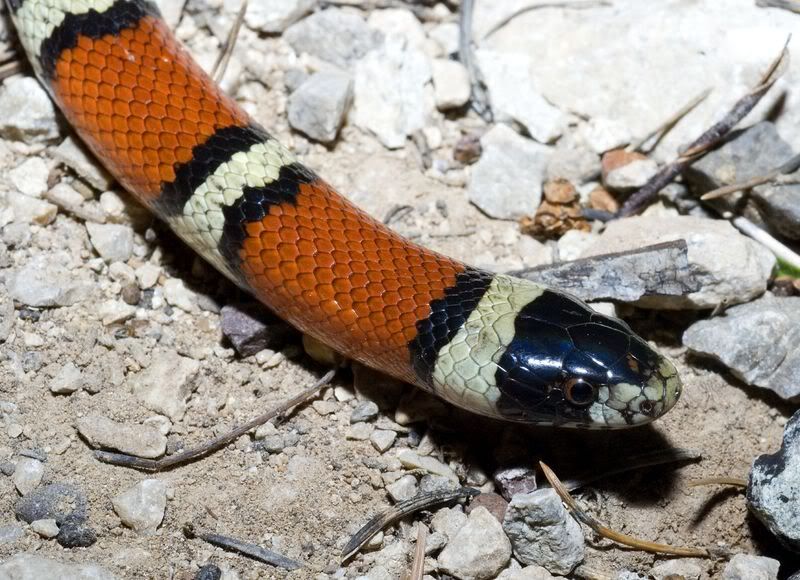
Heading west, we soon enter the domain of the Big Bend Milk Snake (Lampropeltis t. celaenops). This small but beautifully marked snake can be found in a variety of habitats including open woodland as well as rocky grasslands and the pinyon-oak areas of the desert mountains. Like their eastern cousins, Big Bend milks rarely venture out in the open and their nocturnal wanderings are usually restricted to cool, wet nights. Some localities of these milks will intergrade with L.t. annulata in the eastern portion of their range as well as with L.t. gentilis to the north.
Terrell County
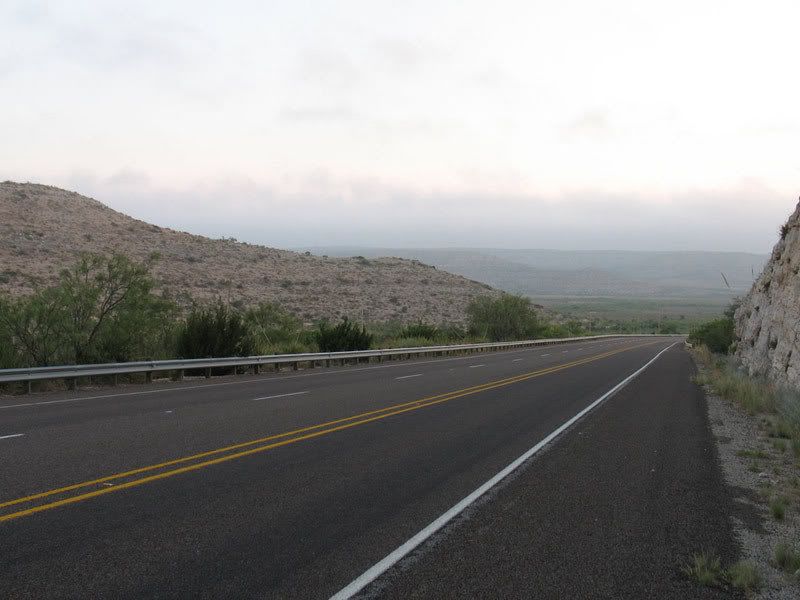
Terrell County
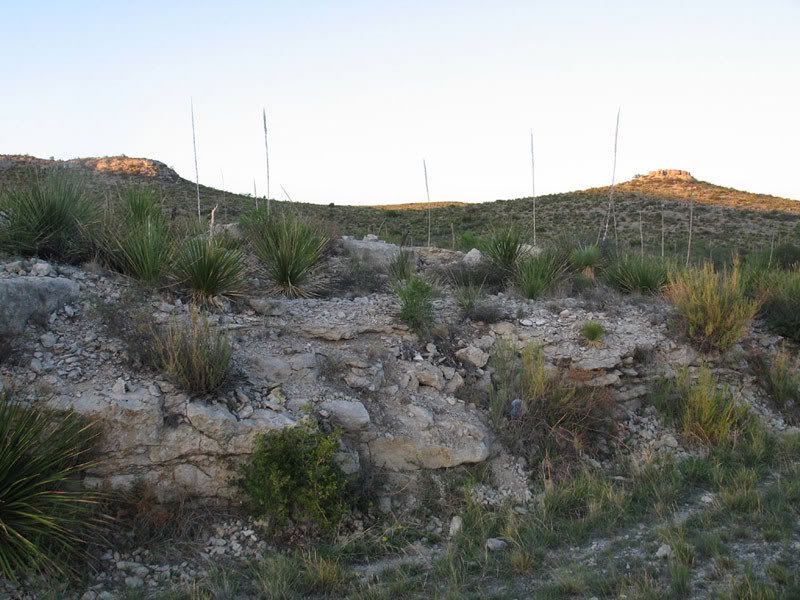
Terrell County
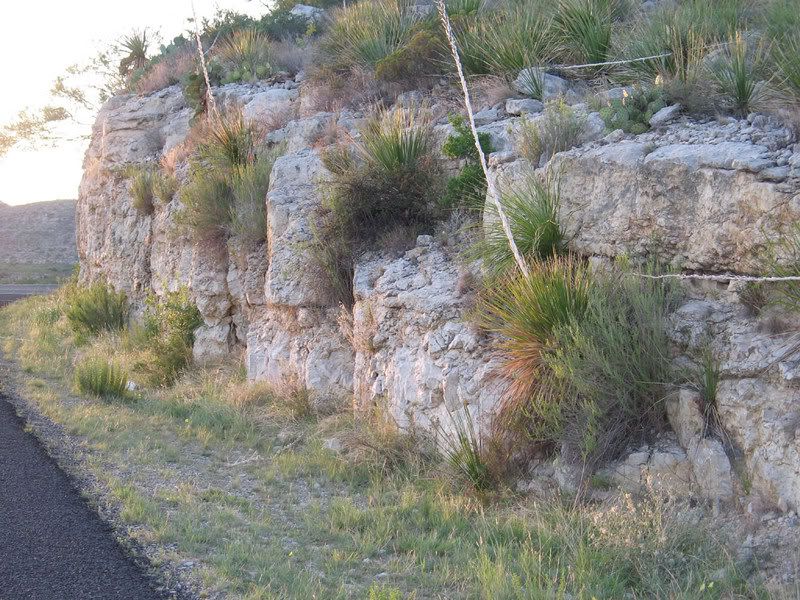
Terrell County
L.t. celaenops, Terrell County
L.t. celaenops, Terrell County
L.t. celaenops, Terrell County
L.t. celaenops, Terrell County
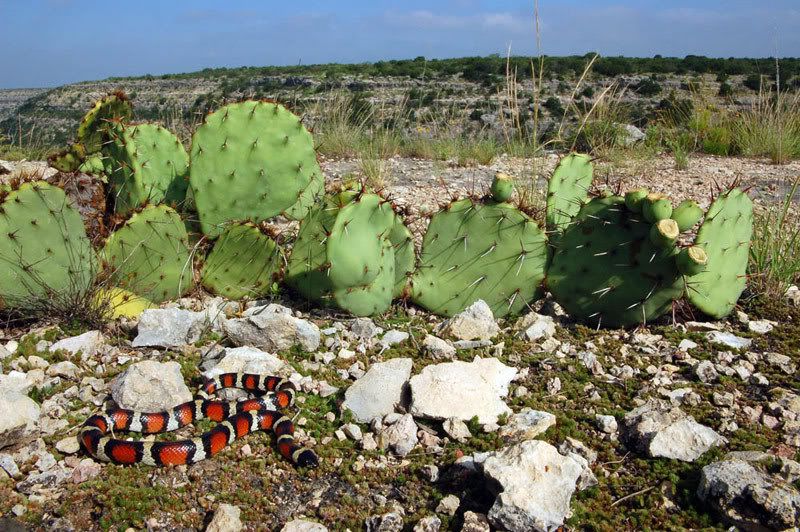
L.t. celaenops, Pecos County
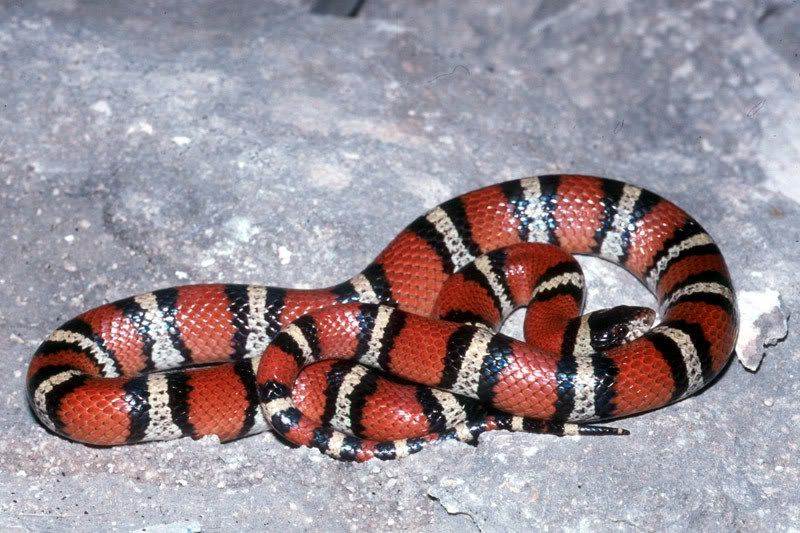
Still heading west, we enter into Brewster County, where we will find localities both popular for milk snakes as well as gray-banded kingsnakes (Lampropeltis alterna); Black Gap, River Road, The Christmas Mountains and Alpine.
Black Gap, Brewster County
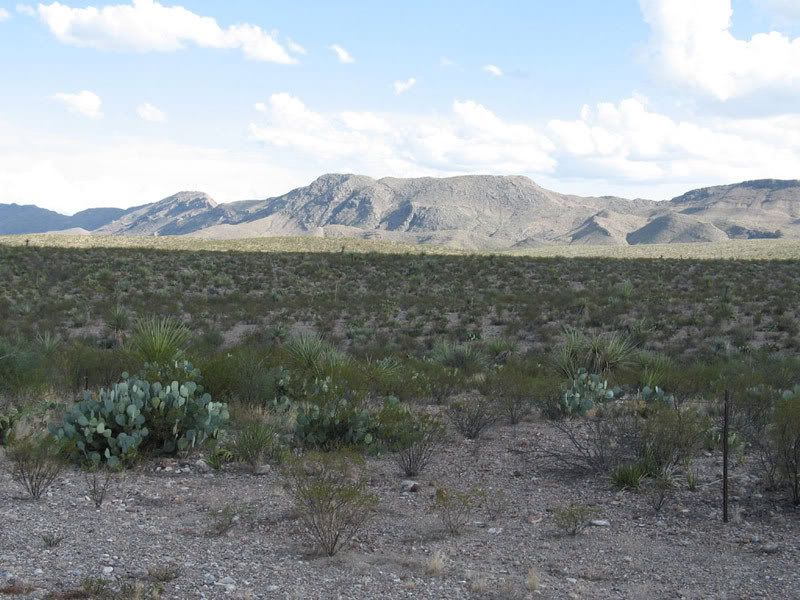
Black Gap, Brewster County
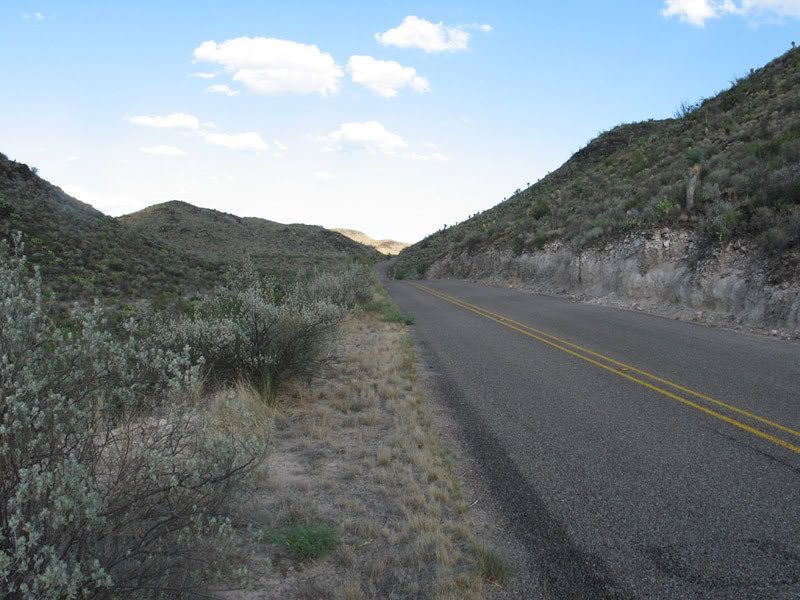
Black Gap, Brewster County
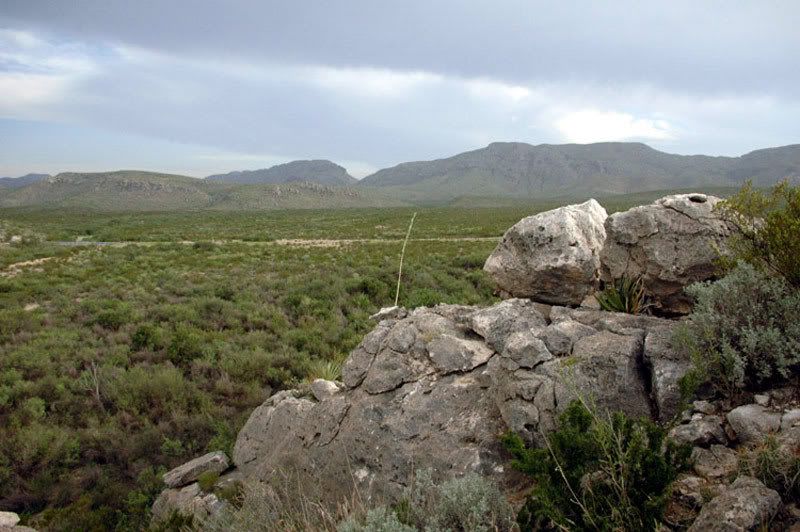
Black Gap, Brewster County
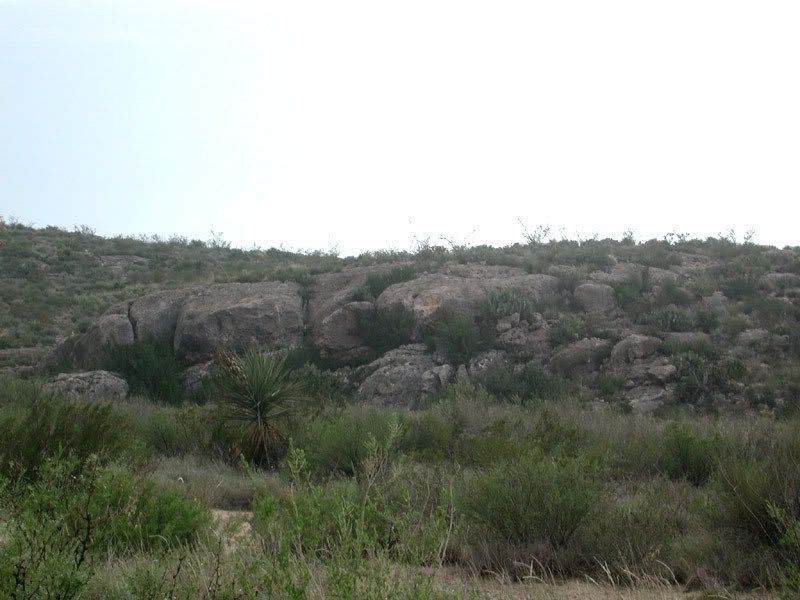
L.t. celaenops, Black Gap, Brewster County
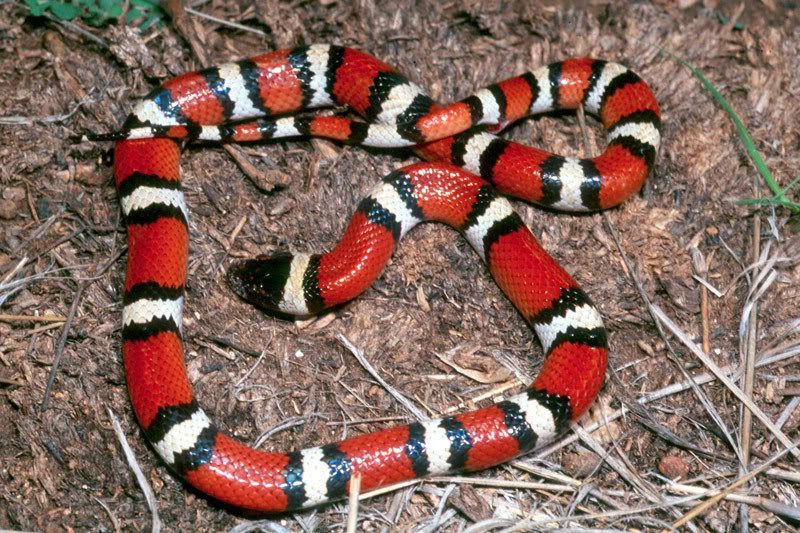
L.t. celaenops, Black Gap, Brewster County
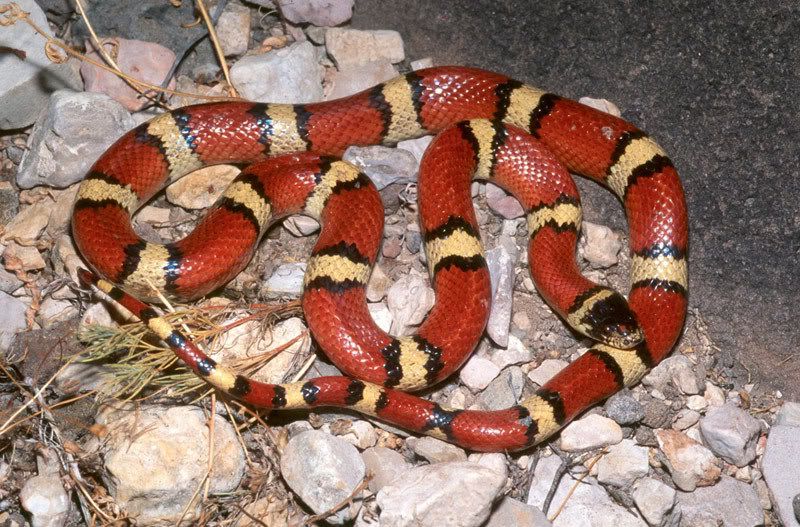
L.t. celaenops, Black Gap, Brewster County
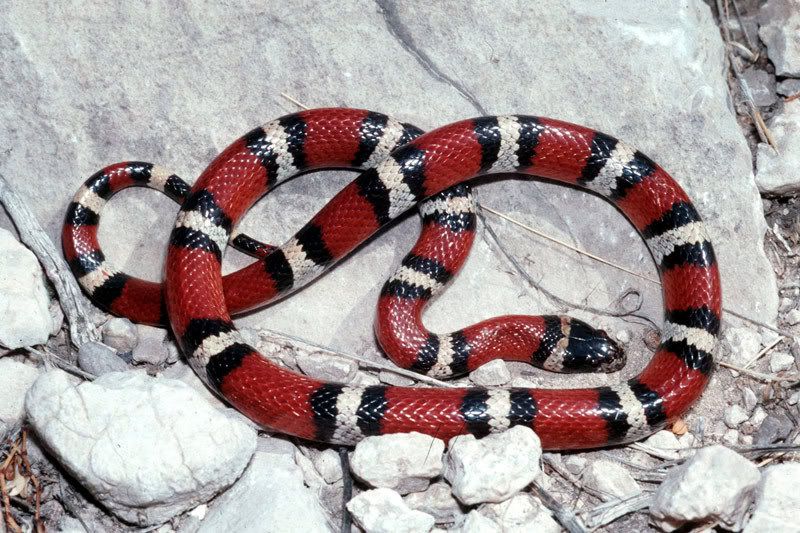
From Black Gap we head back north and continue west into Alpine, where L.t. celaenops has been found east, west and north of town.
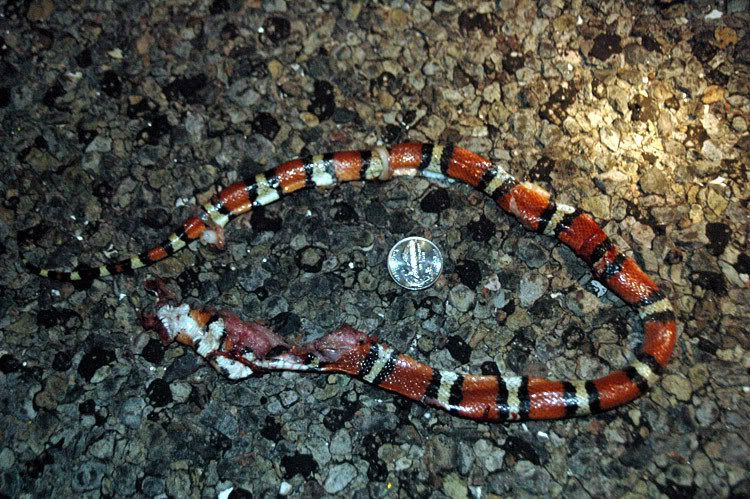
L.t. celaenops, Marathon, Brewster County (DOR Specimen)
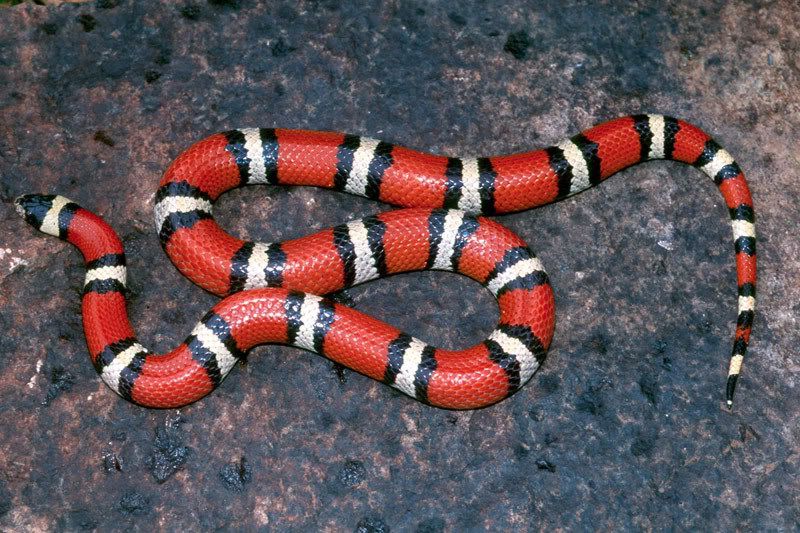
L.t. celaenops, West Alpine, Brewster County
L.t. celaenops, South Alpine, Brewster County
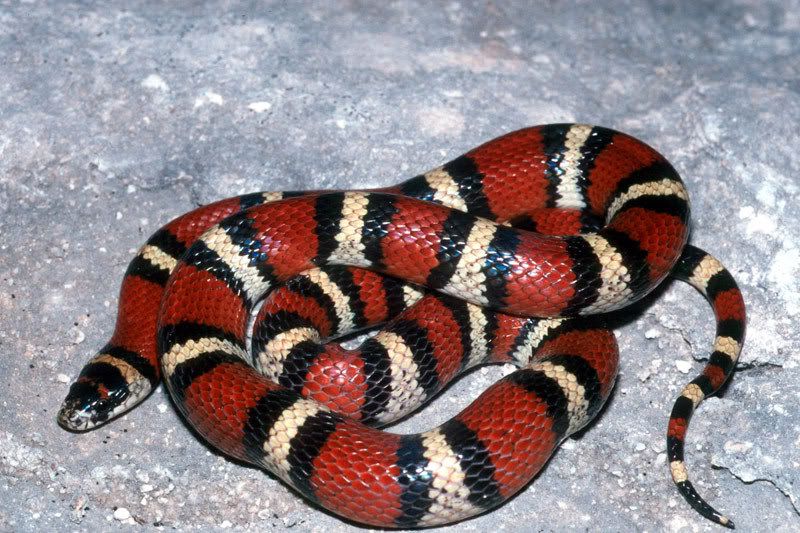
L.t. celaenops, South Alpine, Brewster County
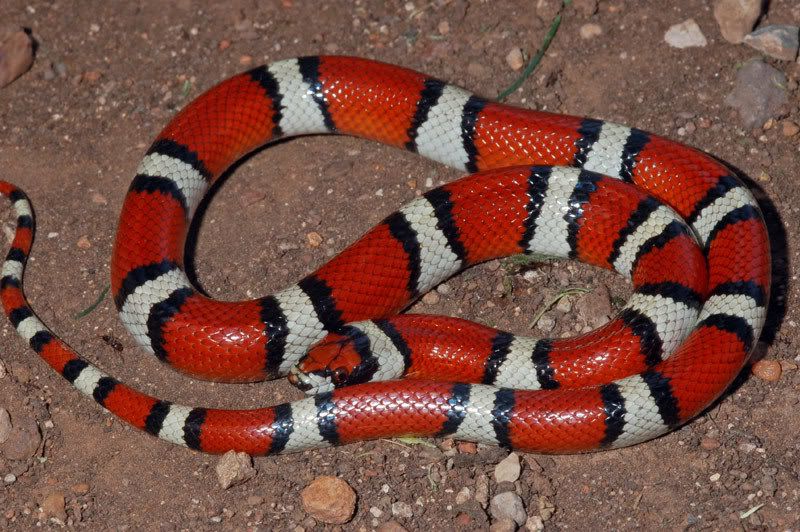
Nearly 70 miles south are the beautiful Christmas Mountains.
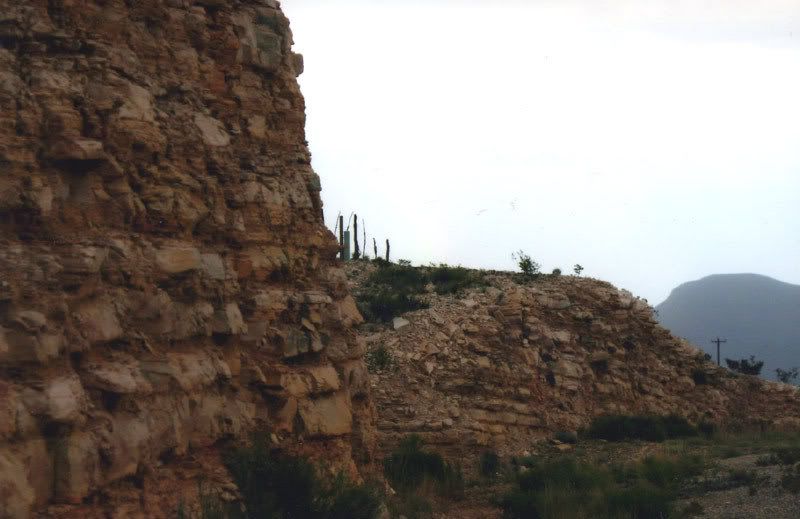
Christmas Mountains, Brewster County
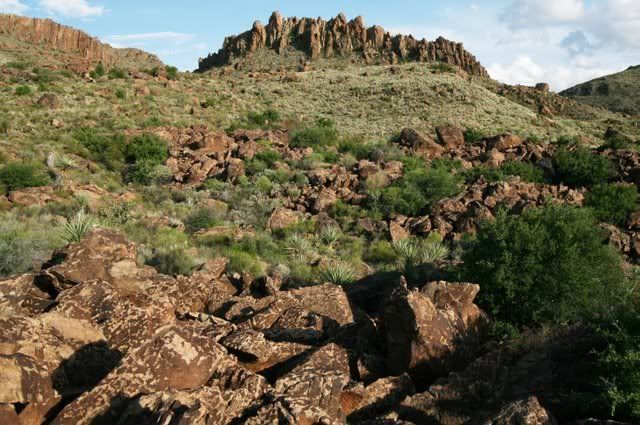
Christmas Mountains, Brewster County
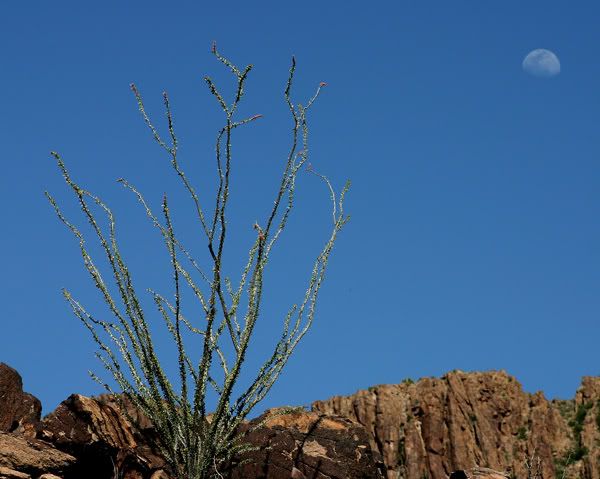
Heading southwest a short distance puts you on FM 170, the famous “River Road”
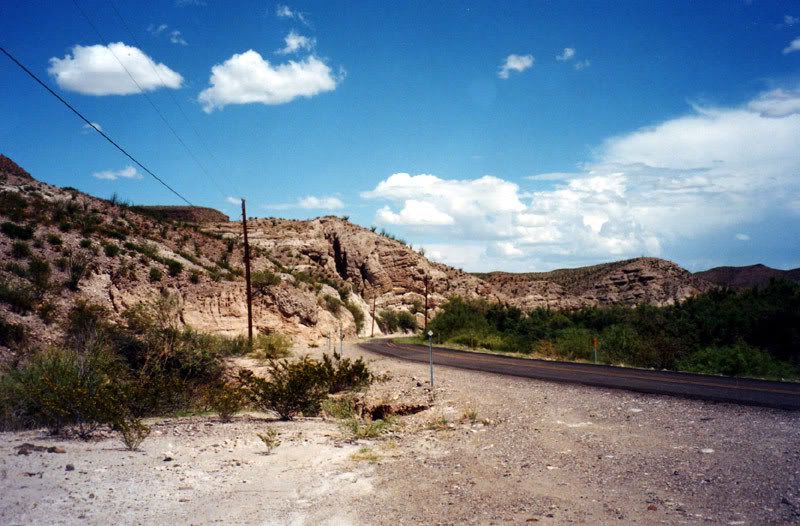
River Road, Brewster County
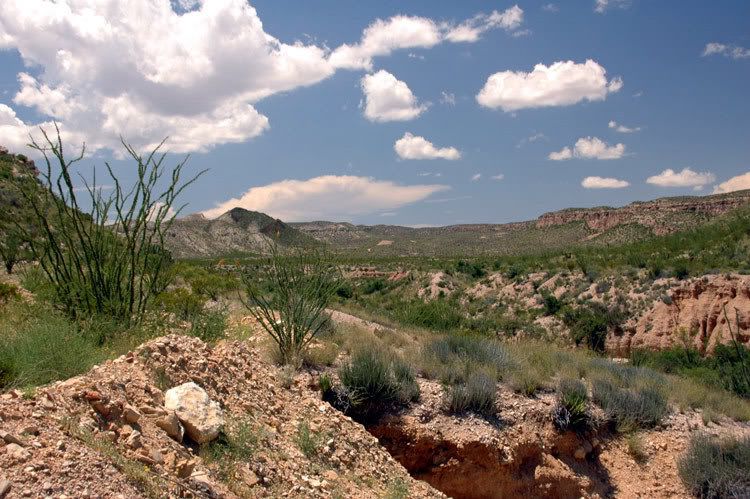
River Road, Presidio County
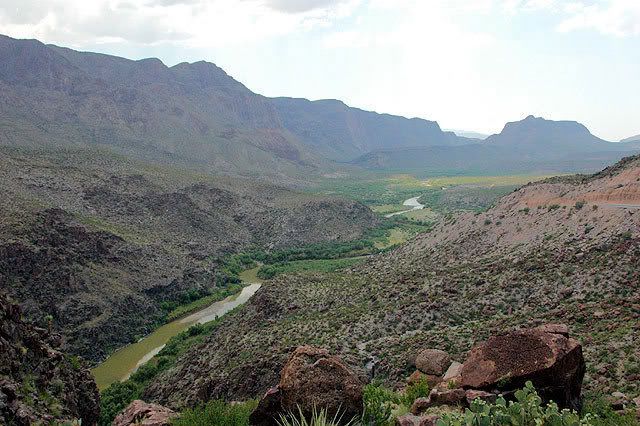
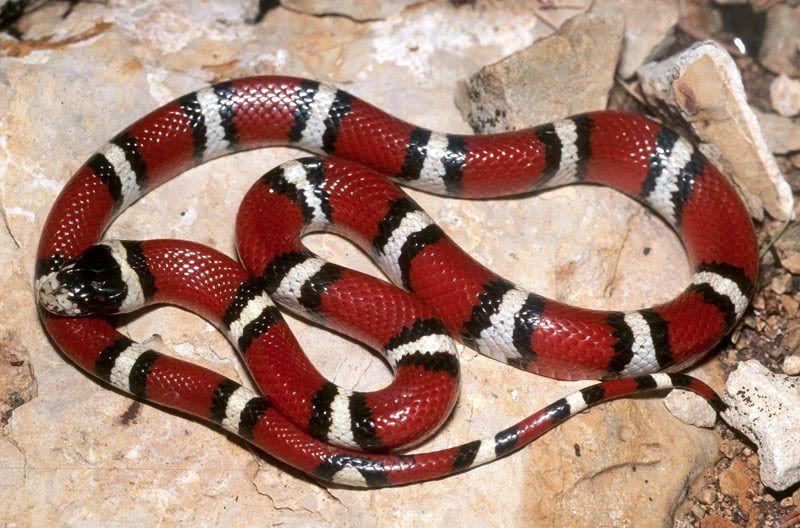
L.t. celaenops, River Road, Presidio County
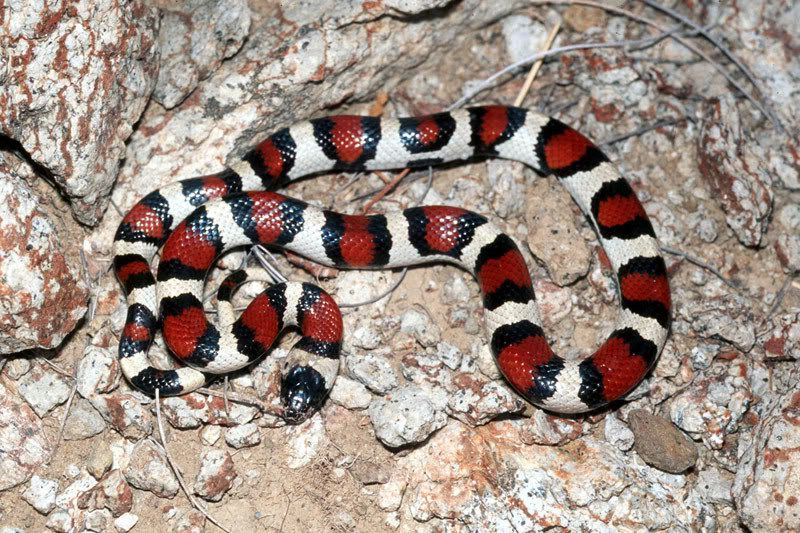
L.t. celaenops, River Road, Presidio County
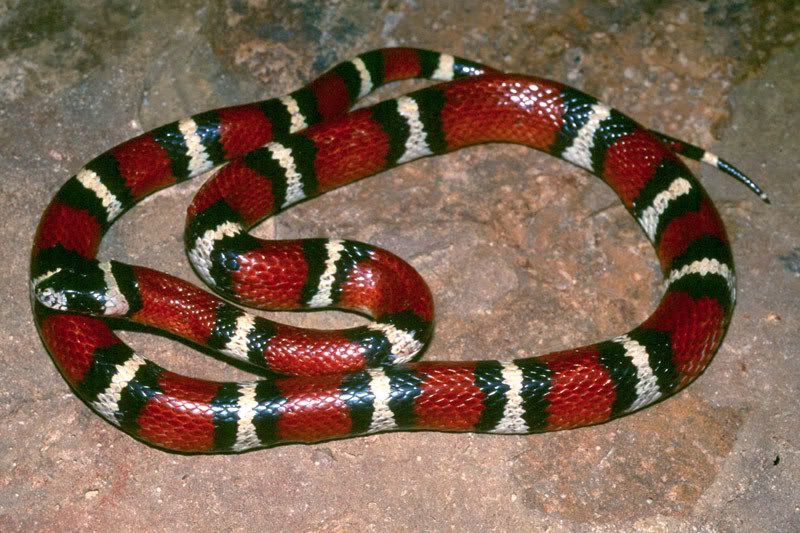
L.t. celaenops, River Road, Presidio County
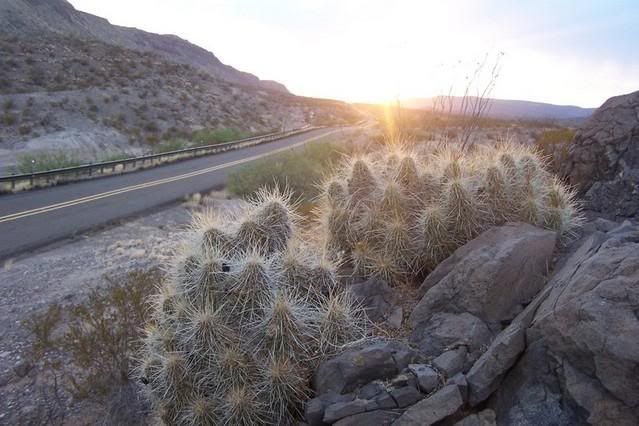
River Road, Presidio County
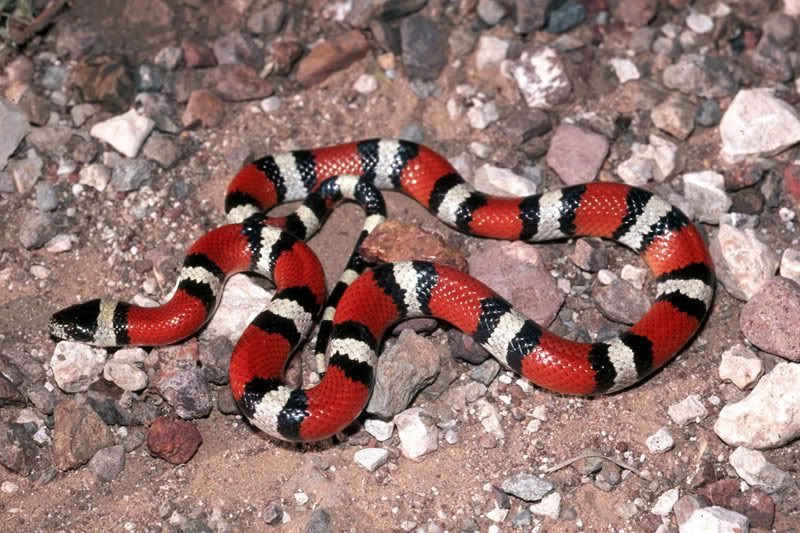
L.t. celaenops, Shafter, Presidio County
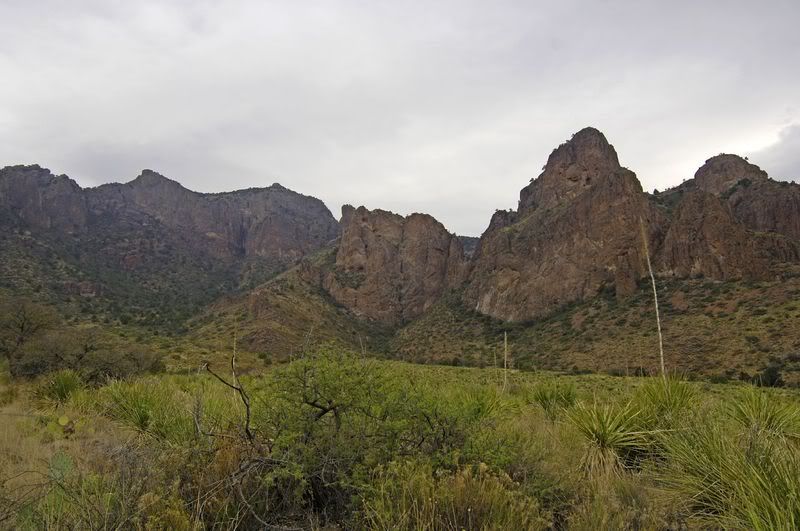
Before we venture far north to the Davis Mountains to discover more milk snakes, no trip is complete without a quick trip through the Bend.
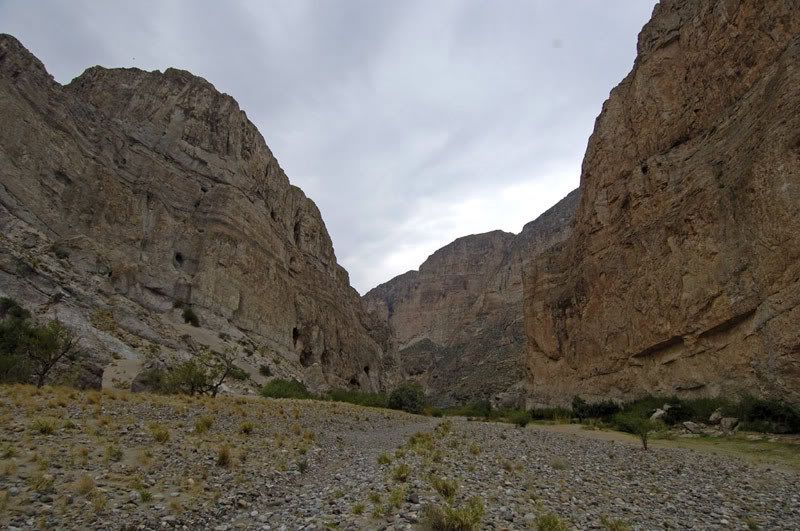
Big Bend National Park, Brewster County
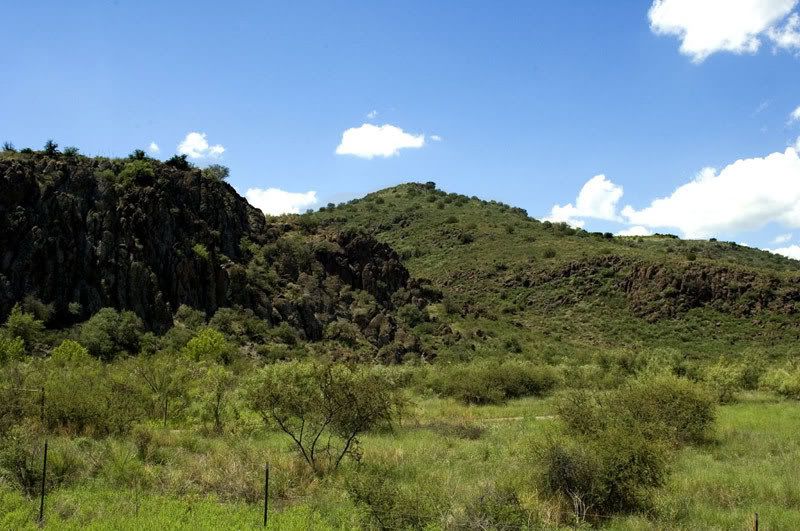
Moving on, we jump north to Jeff Davis County, home of the majestic Davis Mountains.
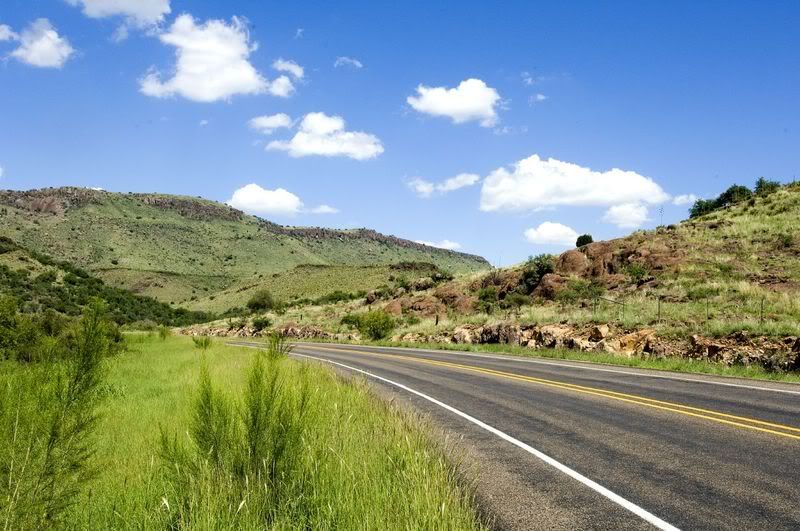
Davis Mountains, Jeff Davis County
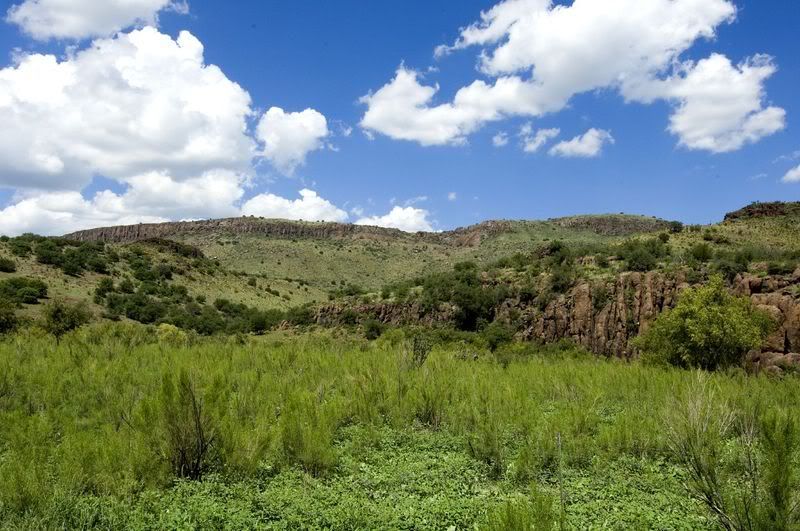
Davis Mountains, Jeff Davis County
L.t. celaenops, Jeff Davis County
L.t. celaenops, Jeff Davis County
L.t. celaenops, Jeff Davis County
Davis Mountains, Jeff Davis County
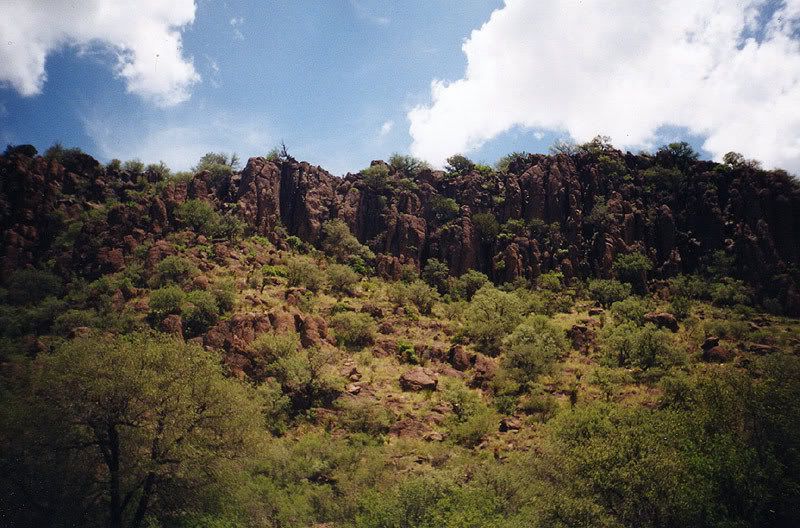
L.t. celaenops, Jeff Davis County
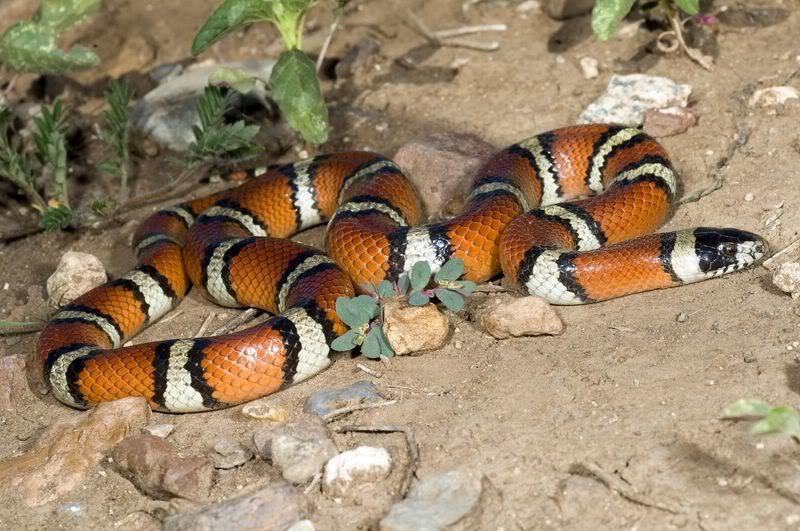
L.t. celaenops, Jeff Davis County
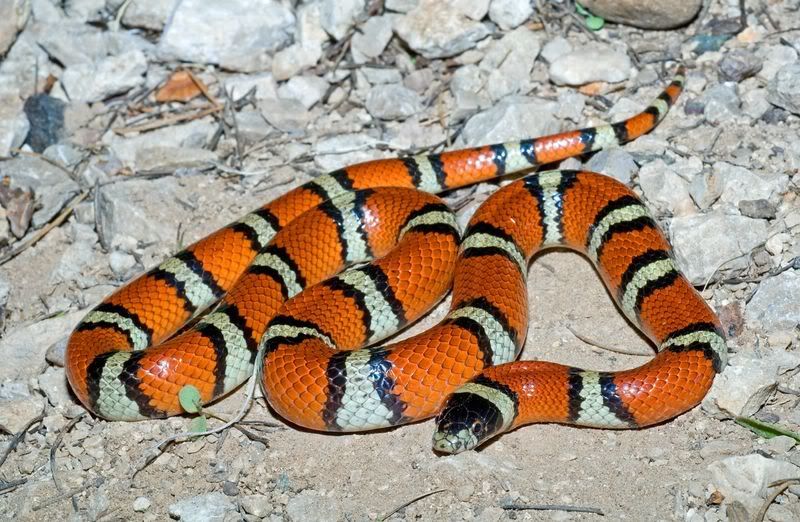
Boy Scout Road, Davis Mountains, Jeff Davis County
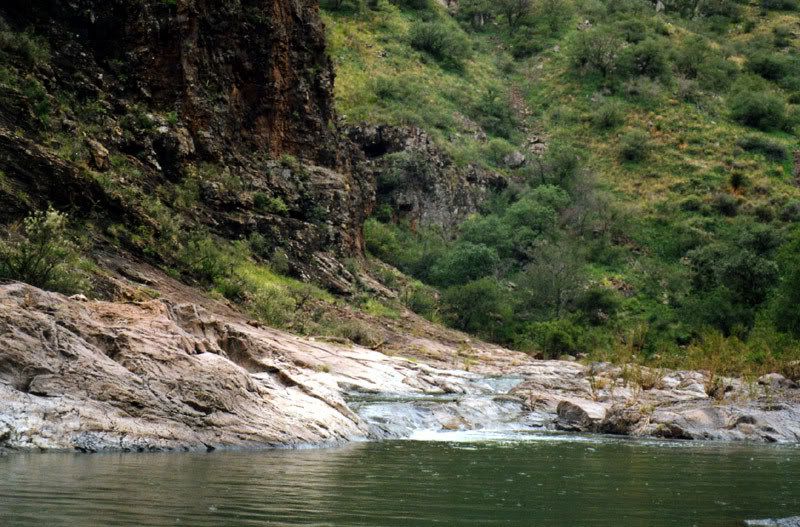
L.t. celaenops, Boy Scout Road, Davis Mountains, Jeff Davis County
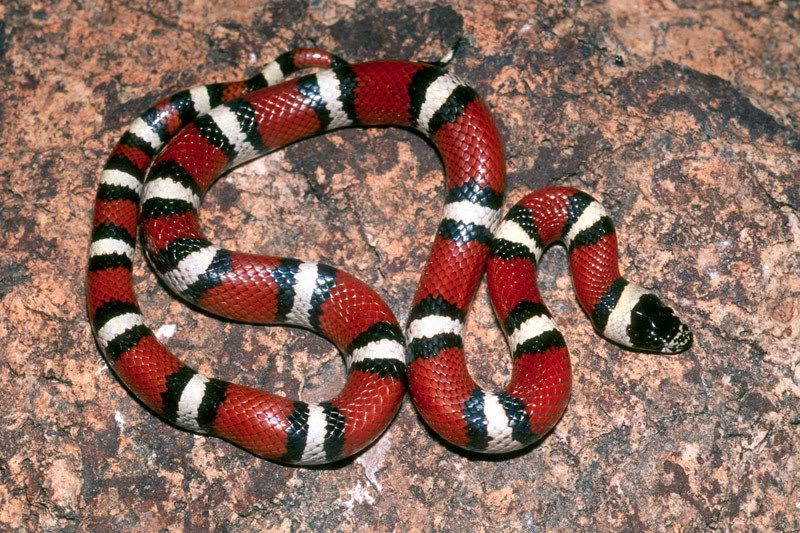
Now we make our way back towards the east, where populations of L.t. celaenops X L.t. annulata are found. Most of the milk snakes discovered here inhabit the many limestone extrusions, rocky outcrops and canyons found across the region.
L.t. celaenops X L.t. annulata, Crockett County
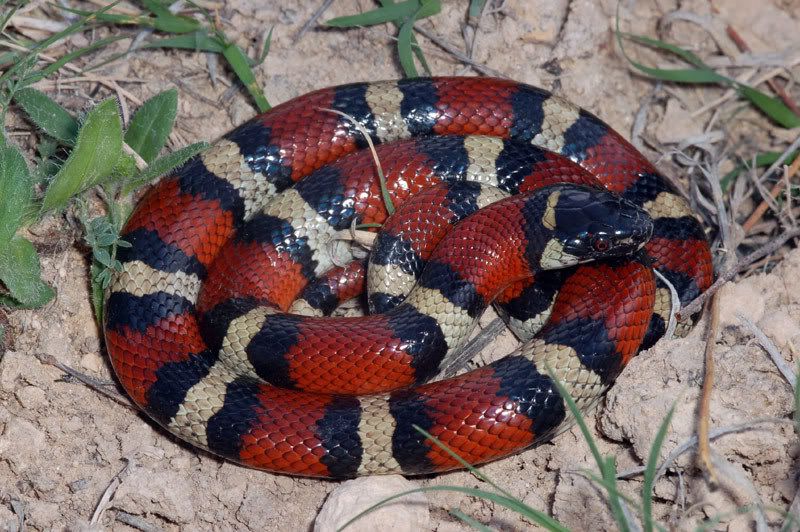
L.t. celaenops X L.t. annulata, Barnhart, Irion County
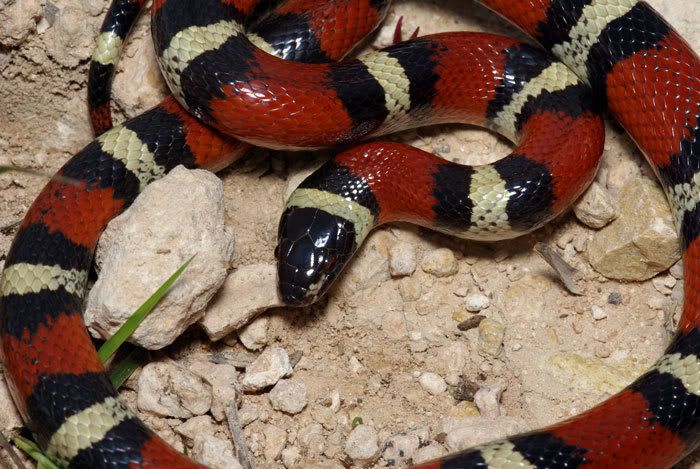
L.t. celaenops X L.t. annulata, Barnhart, Irion County
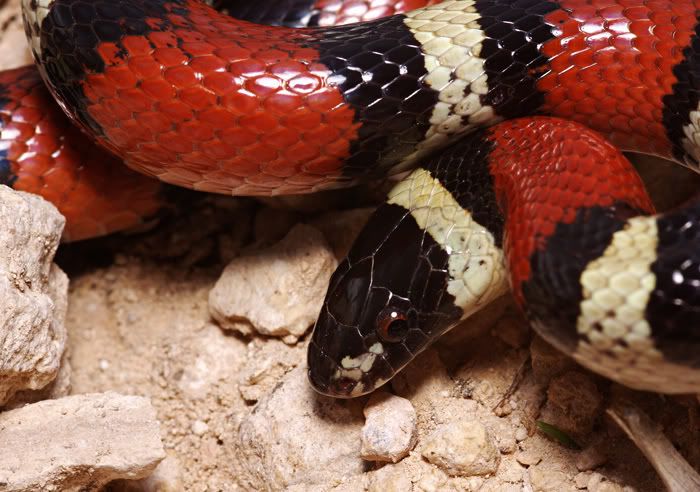
L.t. celaenops X L.t. annulata, Barnhart, Irion County (A little camera shy…..)
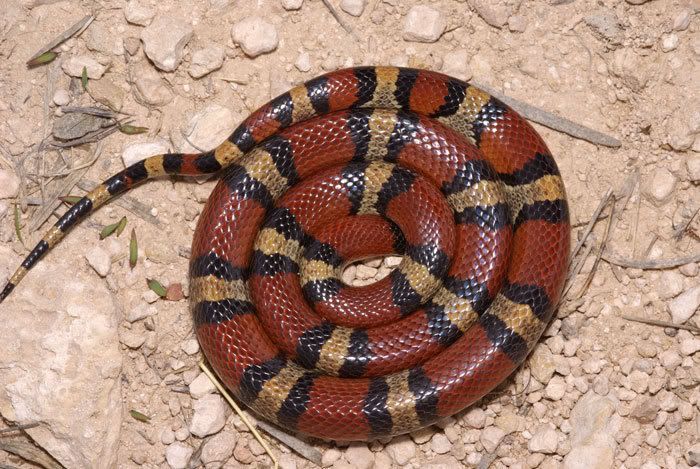
L.t. celaenops X L.t. annulata, Coleman County
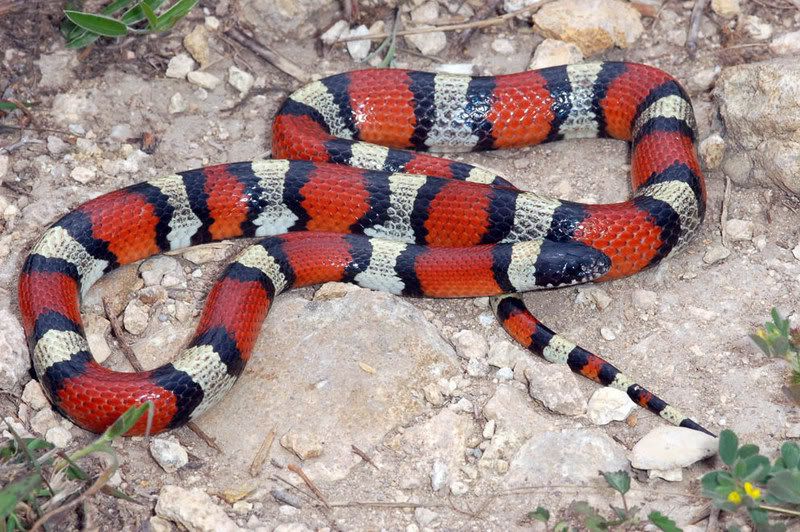
L.t. celaenops X L.t. annulata, Coleman County
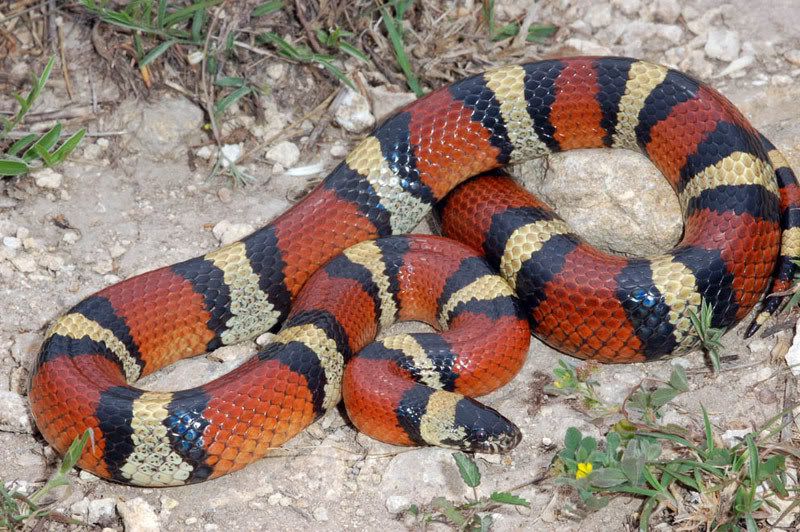
Burnet County
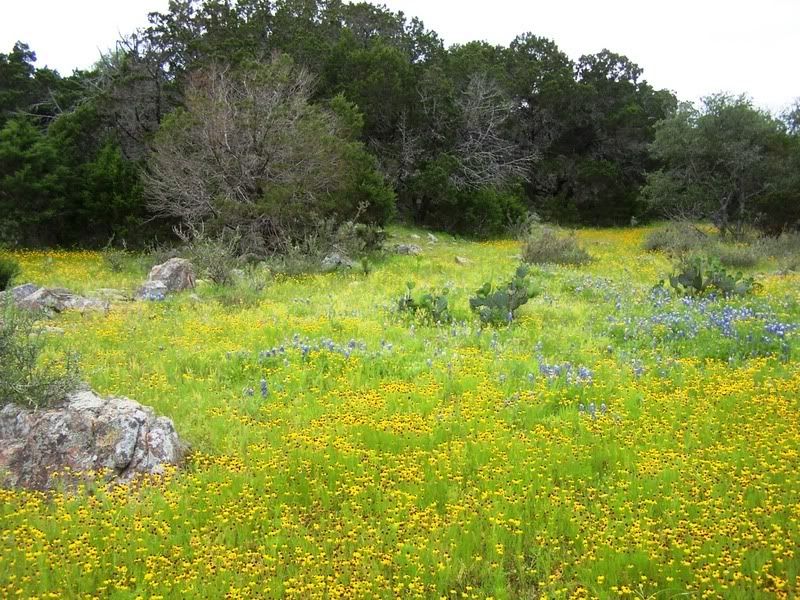
Burnet County
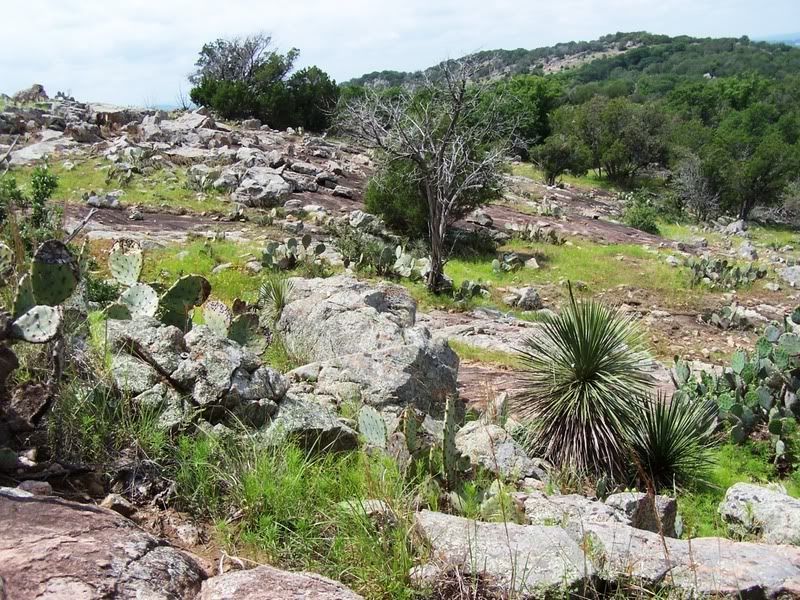
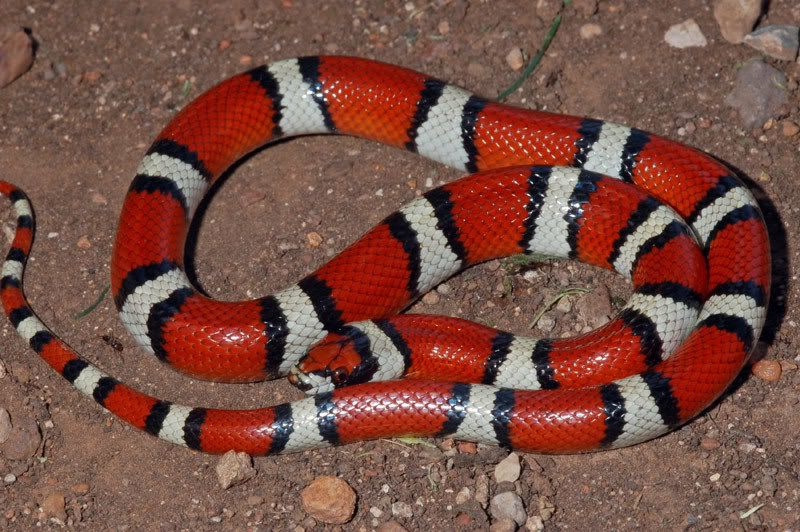
The last and least colorful of the four milk snakes found across Texas is the Central Plains Milk Snake (Lampropeltis t. gentilis). This uncommon milk snake prefers stone-covered grassland prairies, near rocky ledges. It can also be found near wooded stream bed valleys and along forested mountain slopes. It prefers to stay concealed in areas where rocks are littered along the ground. L.t. gentilis is another snake that will intergrade with L.t. celaenops and L.t. annulata.
L.t. gentilis, Lamb County
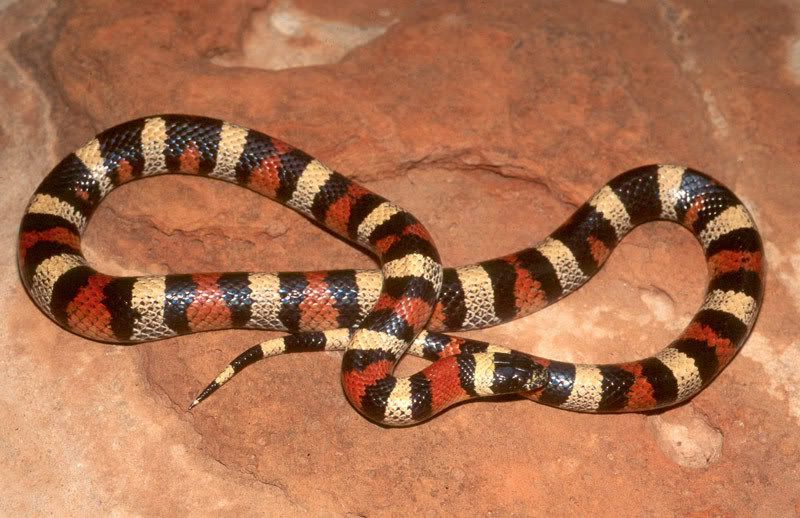
L.t. gentilis X L.t. celaenops, Winkler County
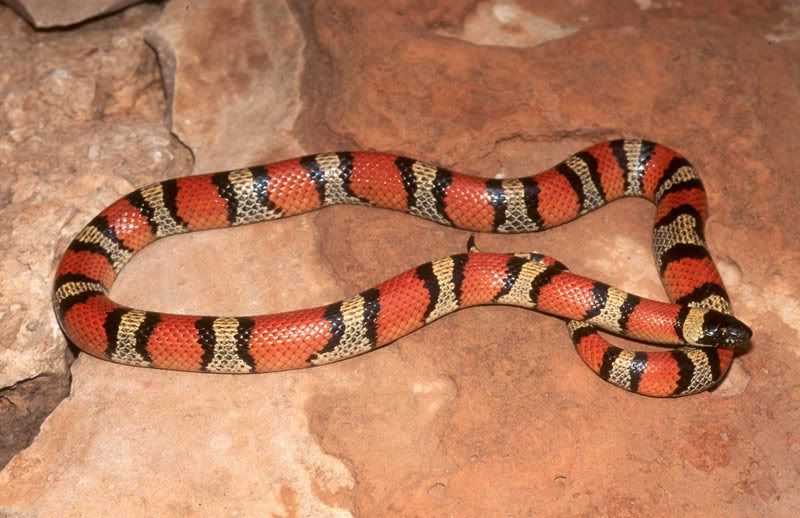
According to Troy Hibbitts, an authority on Texas triangulum, the animals found near Albany in Shackelford County are definitely L.t. annulata X L.t. celaenops but also show a varying degree of L.t. gentilis as well.
L.t. annulata X celaenops X gentilis, Albany, Shackelford County
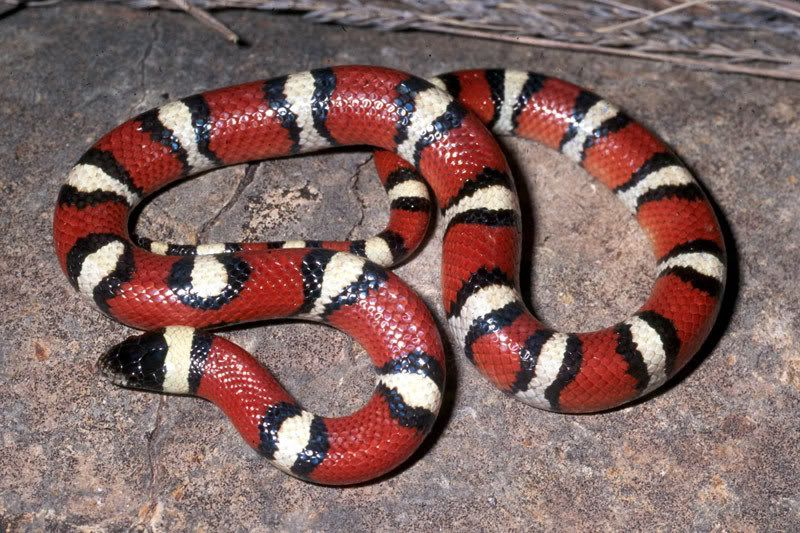
L.t. annulata X celaenops X gentilis, Albany, Shackelford County
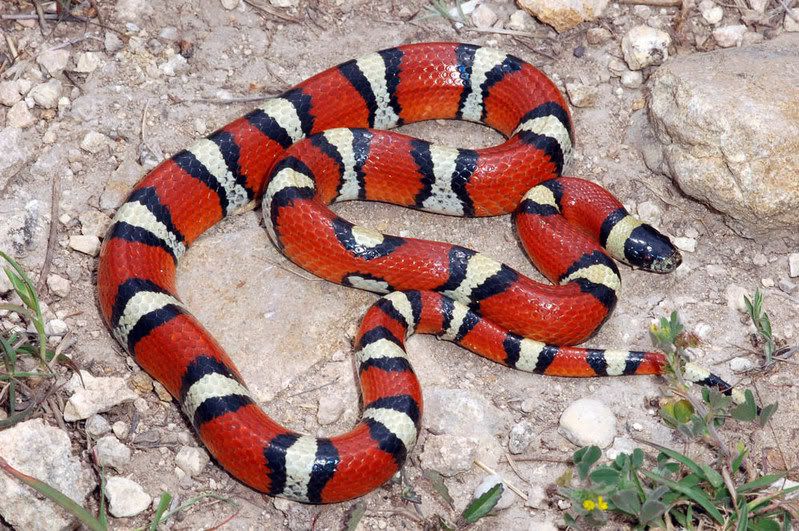
L.t. annulata X celaenops X gentilis, Albany, Shackelford County
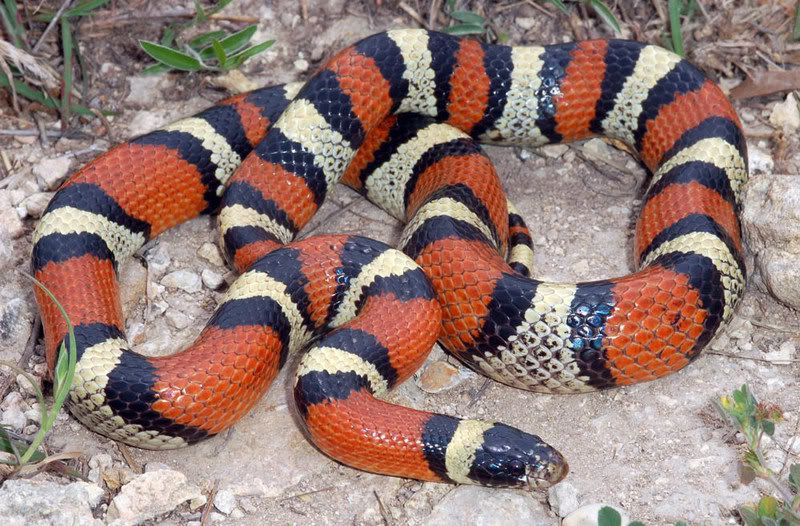
L.t. annulata X celaenops X gentilis, Albany, Shackelford County
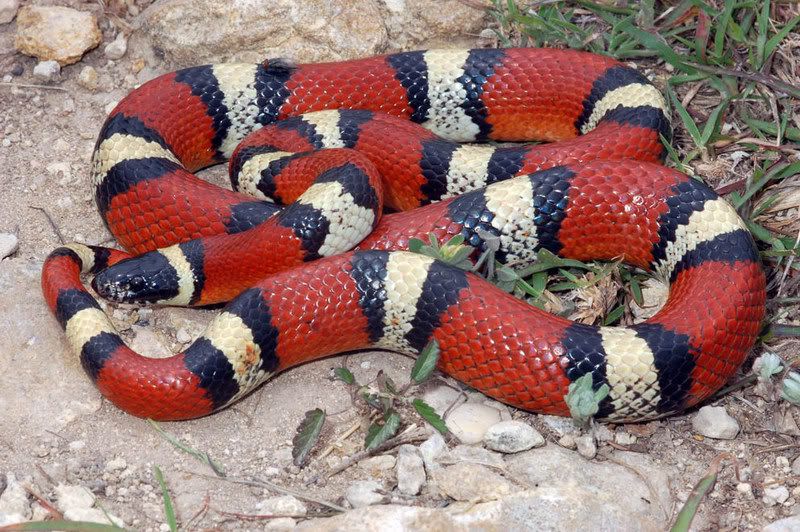
Well, our tour has come to an end. I first want to say thanks to all of you who sat through this entire journey and I hope you enjoyed it. Not only did you learn a little about Texas, hopefully this gets you excited about getting out into the field.
All pictures by Nathan Wells, Robert Edwards, Rob Klockman, John Williams, Troy Hibbitts and Jack Goldfarb.
Now that this is done….it’s time to get back out there and have some fun! Happy herping!
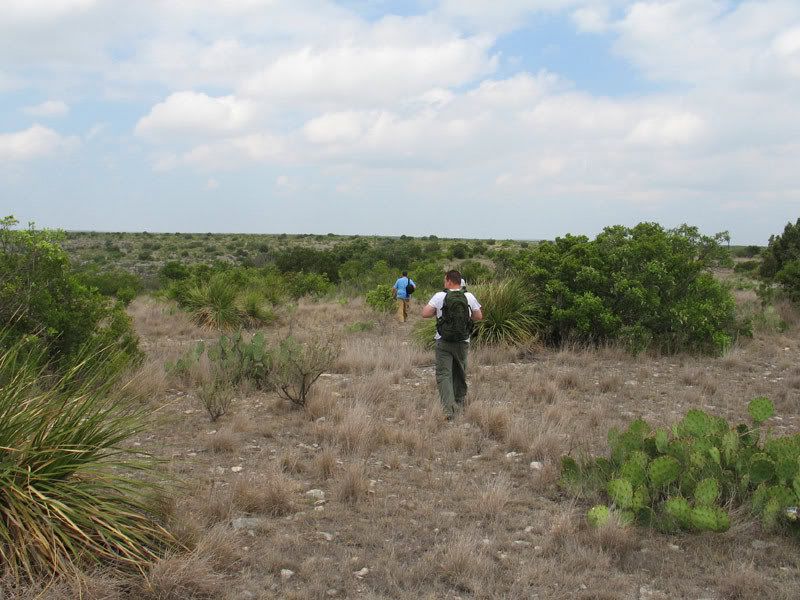
Nathan Wells
The Woodlands, TX