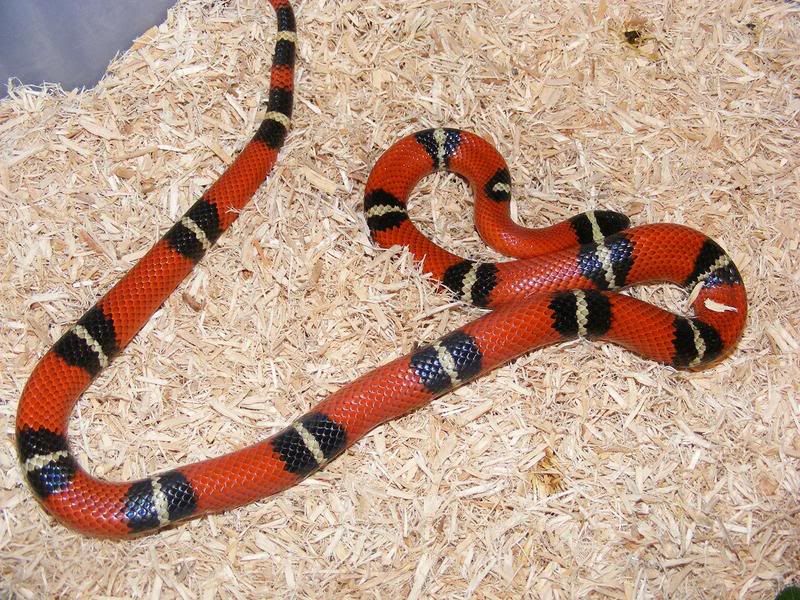
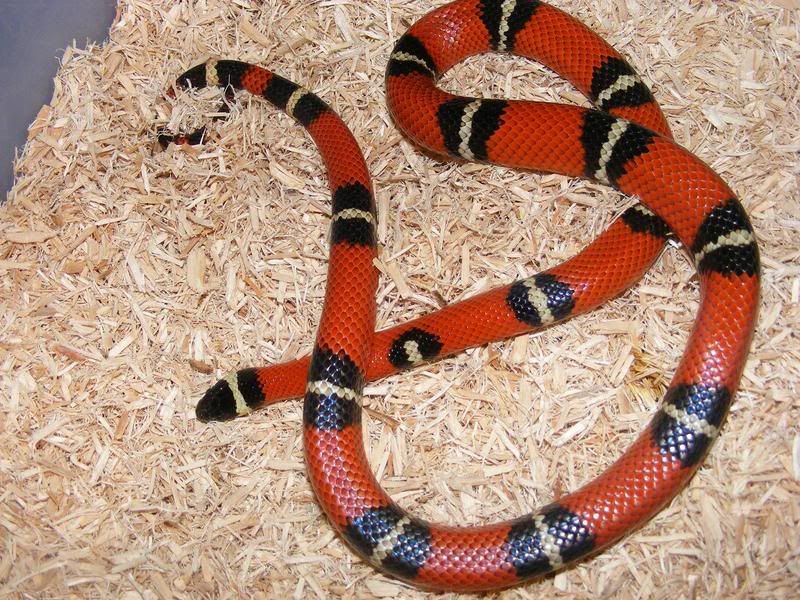
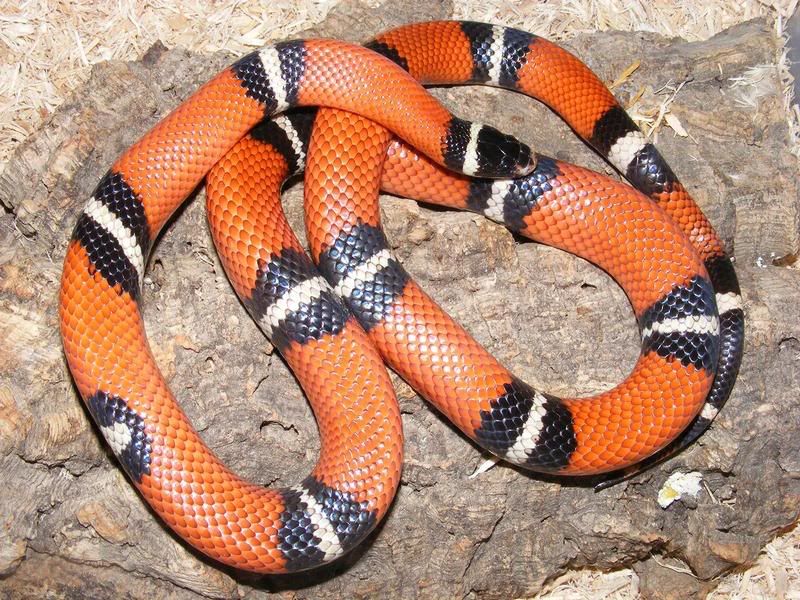
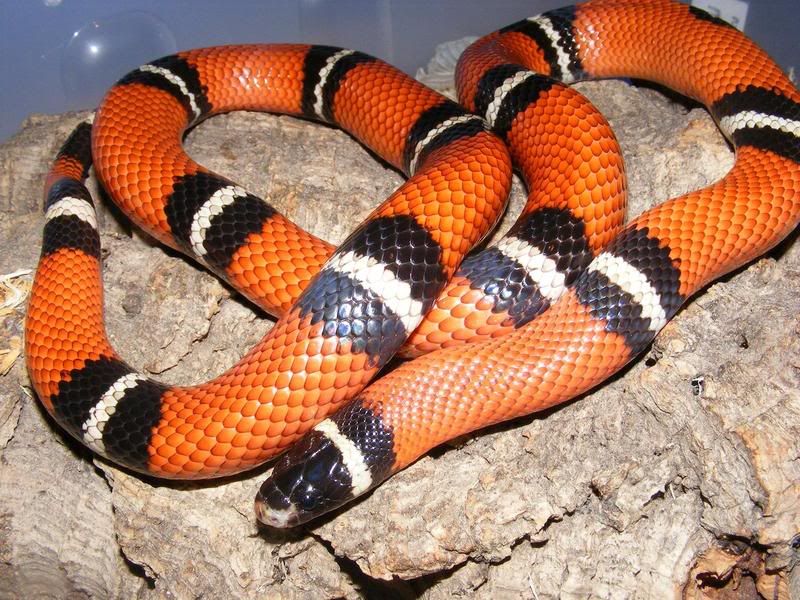
your sinaloan is without a doubt a pure hypoerythristic L.t. sinaloae and an extremely nice one to boot. I understand why some would question the coloration but, in maintaining a solid collection of hypoerythristics for nearly 8 years now, including all of the original founding stock, I have seen these animals undergo some incredible changes in coloration as they age. Hatchlings are usually dull in color and after several months of age they begin to turn a nice bright orange. Of course each individual will vary, some being darker than others. Within a year or two they then take on vibrant shades of orange, hence the name "pumpkin" sinaloan. The orange coloration may stay but in most animals, a light pink will eventually set in, which is the case in your specimen. As they age well into adulthood and into their geriatric years, I have found that the animals become light, with the pinking fading into a very washed out appearance. In all my years of raising these magnificent sinaloans, every single one of them have undergone this type of change. This is what makes them so unique and very fun to work with.
Thanks for sharing.
Nathan Wells
Comparison of 2004 male Hypoerythristic vs. normal sinaloan

Comparison of 1996 male Hypoerythristic (founding specimen) vs. normal sinaloan