Reptile & Amphibian Forums

Welcome to kingsnake.com's message board system. Here you may share and discuss information with others about your favorite reptile and amphibian related topics such as care and feeding, caging requirements, permits and licenses, and more. Launched in 1997, the kingsnake.com message board system is one of the oldest and largest systems on the internet.

Click here to visit Classifieds
Southwestern Center for Herpetological Research
Click for 65% off Shipping with Reptiles 2 You

Info on old world ratsnakes?

BrianS. Jun 07, 2009 11:58 AM

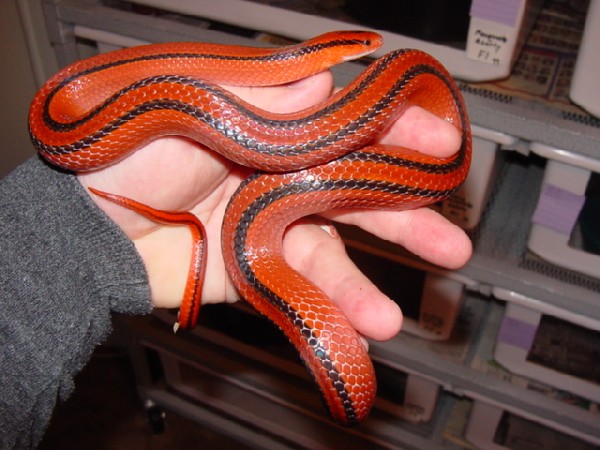
I'm looking for a good source of info on Old World rats. Particularly the Bamboo Ratsnakes. I'm getting a pair of Laticinctus and find info scarce on them in general.

Most of the info is on individual websites, and some of it is conflicting. I'm going to start with the Latis, and eventually keep a few Coxi, and Rhino rats in the future. I'd like either a book, or just some good source of reference. Not necessarily just husbandry (though I'd like as much info on that as possible), but info on them in general (habitat, locations, etc..)

If anyone has any suggestions they'd be appreciated,
Thanks,
Brian

Replies (9)

RandyWhittington Jun 07, 2009 02:05 PM

Get "A monograph of the Colubrid Snakes of the Genus Elaphe" by Klaus-Dieter Schulz. It's the best info out there.

-----
Randy Whittington

Gidivandebelt Jun 07, 2009 02:57 PM

Hi Brian,

Nice to have a new old ratsnake lover!

Just as Randy said:

A monograph of the colubrid snakes of the genus Elaphe Fitzinger by Klaus-Dieter Schulz is the best book out there, but because it is not up to date the best info you can find on internet.

You can check my site it have some info on Laticinctus (as I breed them) and Rhino ratsnakes (as I breed them):

Have a look on: www.rareratsnakes.com

Best luck with your new snakes! If you have any questions feel free to ask!

Best regards,
Gidi

RandyWhittington Jun 07, 2009 07:51 PM

BEAUTIFUL snakes Gidi!!!!!!!!!!
-----
Randy Whittington

ratsnakehaven Jun 07, 2009 10:26 PM

>>I'm looking for a good source of info on Old World rats. Particularly the Bamboo Ratsnakes. I'm getting a pair of Laticinctus and find info scarce on them in general.
>>
>>Most of the info is on individual websites, and some of it is conflicting. I'm going to start with the Latis, and eventually keep a few Coxi, and Rhino rats in the future. I'd like either a book, or just some good source of reference. Not necessarily just husbandry (though I'd like as much info on that as possible), but info on them in general (habitat, locations, etc..)
>>
>>If anyone has any suggestions they'd be appreciated,
>>Thanks,
>>Brian

Why is it sellers don't give their buyers this kind of info? Seems like it would be difficult to find buyers, if one couldn't explain to them what their snakes were like, or how to take care of them. Also wonder why someone would want to invest in snakes they don't know anything about? Must be the modern way, but a bit much for this ol' timer...haha!

TC

-----
Conserving reptiles by helping to protect habitat...
www.ratsnakehaven.com
www.scenicsantaritas.org

BrianS. Jun 08, 2009 12:38 AM

The seller has been very informative and helpful. Has answered any question I had very honestly. Even directed me away from one type because I wasn't looking for difficult babies to get started (I have enough of that in the future with a handful of GTPs, Gray-bands, and Thayeri).

I want the book because I like books. I like to have a source of info to read over and look at. I can know everything about a snake I keep, but it doesn't mean I can see its native habitat, see and read about related snakes, etc..etc.. There are some snakes I've kept and bred for over 10 years, but I still have a few books about them.

I'm not buying snakes I know nothing about, I'm researching to inform myself as much as possible before I get snakes I'd like to know even more about. I'm a moderately experienced keeper, and I like to get as much info as possible, so I can derive from it the way I want to keep and breed an animal.

ratsnakehaven Jun 08, 2009 06:21 PM

>>The seller has been very informative and helpful. Has answered any question I had very honestly. Even directed me away from one type because I wasn't looking for difficult babies to get started (I have enough of that in the future with a handful of GTPs, Gray-bands, and Thayeri).
>>
>>I want the book because I like books. I like to have a source of info to read over and look at. I can know everything about a snake I keep, but it doesn't mean I can see its native habitat, see and read about related snakes, etc..etc.. There are some snakes I've kept and bred for over 10 years, but I still have a few books about them.
>>
>>I'm not buying snakes I know nothing about, I'm researching to inform myself as much as possible before I get snakes I'd like to know even more about. I'm a moderately experienced keeper, and I like to get as much info as possible, so I can derive from it the way I want to keep and breed an animal.

Nice response, Brian. Sorry I jumped to conclusions. I just get a little frustrated about a couple things, especially having to do with high-end Asian colubrids.

Your type of questions get asked a lot on these types of forums, and actually, there's not a lot of info out there about some of these snakes, i.e. porphyracea and frenata, etc. Schulz' book came out in 1996 and has been the authority since. However, few folks had kept some of these species at that time, and even Schulz admitted he didn't have much experience with some, or knew little of their natural history.

Also, relationships (taxononmically) have changed since then. According to most studies, not all ratsnakes are the same. Many of the Old World ratsnakes have been put into new genera and have been shown to be more distantly related to each than we thought at first. For instance, frenata might be considered more of a racer than a ratsnake, being put into the genus, Gonyosoma by many. Hard to guess at a species' habitats when it's not guaranteed what type of snake it is even. My guess is that porphyracea is close to the racers also. The habits and habitats of these snakes are fairly well known, however.

Bamboo ratsnakes actually are a more terrestrial or semi-fossorial snake, being actually very secretive; and they are also usually pretty high strung, so might be a little challenging to handle. Frenata, the rein snake, is usually thought of as semi-arboreal. They are associated with water to some degree also. I believe some have even started them on small fish.

Just a recommendation: You might want to ask some specific questions about habitat and behavior, if you want to get some hard to find info from hobbyists on this forum. Not many people specialize in these species, and I think even fewer are knowledgeable about natural history info.

Regards...Terry

ratsnakehaven Jun 08, 2009 06:31 PM

>>>>The seller has been very informative and helpful. Has answered any question I had very honestly. Even directed me away from one type because I wasn't looking for difficult babies to get started (I have enough of that in the future with a handful of GTPs, Gray-bands, and Thayeri).
>>>>
>>>>I want the book because I like books. I like to have a source of info to read over and look at. I can know everything about a snake I keep, but it doesn't mean I can see its native habitat, see and read about related snakes, etc..etc.. There are some snakes I've kept and bred for over 10 years, but I still have a few books about them.
>>>>
>>>>I'm not buying snakes I know nothing about, I'm researching to inform myself as much as possible before I get snakes I'd like to know even more about. I'm a moderately experienced keeper, and I like to get as much info as possible, so I can derive from it the way I want to keep and breed an animal.
>>
>>
>>Nice response, Brian. Sorry I jumped to conclusions. I just get a little frustrated about a couple things, especially having to do with high-end Asian colubrids.
>>
>>Your type of questions get asked a lot on these types of forums, and actually, there's not a lot of info out there about some of these snakes, i.e. porphyracea and frenata, etc. Schulz' book came out in 1996 and has been the authority since. However, few folks had kept some of these species at that time, and even Schulz admitted he didn't have much experience with some, or knew little of their natural history.
>>
>>Also, relationships (taxononmically) have changed since then. According to most studies, not all ratsnakes are the same. Many of the Old World ratsnakes have been put into new genera and have been shown to be more distantly related to each than we thought at first. For instance, frenata might be considered more of a racer than a ratsnake, being put into the genus, Gonyosoma by many. Hard to guess at a species' habitats when it's not guaranteed what type of snake it is even. My guess is that porphyracea is close to the racers also. The habits and habitats of these snakes are fairly well known, however.
>>
>>Bamboo ratsnakes actually are a more terrestrial or semi-fossorial snake, being actually very secretive; and they are also usually pretty high strung, so might be a little challenging to handle. Frenata, the rein snake, is usually thought of as semi-arboreal. They are associated with water to some degree also. I believe some have even started them on small fish.
>>
>>Just a recommendation: You might want to ask some specific questions about habitat and behavior, if you want to get some hard to find info from hobbyists on this forum. Not many people specialize in these species, and I think even fewer are knowledgeable about natural history info.
>>
>>Regards...Terry
>>

Sorry, I said "frenata" above. I really meant the rhino rats, Rhyncophis boulengeri. The info applies to the rhino rats. Comes from working of the top of your head.

Rhyncophis isn't even covered in the Schulz book, because it wasn't considered a ratsnake back then. I'm not sure it's considered a ratsnake now, even? But, in my personal opinion, it should be considered in the ratsnake family, and I would place it close to members of the Gonyosoma genus.

PS: There's no "edit" button for a post that's already been posted... ;(

BrianS. Jun 08, 2009 08:59 PM

Thanks Terry, some good info in your response.

I didn't mean for my post to sound like questions that have been asked here before. I know it's frustrating when you see the same posts over and over, like someone doesn't know how to use the search option, lol.

Truly, the seller answered my questions very well, and I'd done some pretty good internet research (for what can be found, which isn't alot). I just knew someone out there would know a good print source of info. The Schulz book is proving extremely hard to find because it is out of print, and it sounds like a book I would truly like to have. Regardless of up to the minute current info, it just sounds interesting.

I learned far early on not to just jump into a new species without getting as much info as possible first. I wanted Green Tree Pythons for over 5 years before I got one because I was worried about being experienced enough to keep them. They have since both proven to me that they can be challenging and at the same time, it's very rewarding to say you can keep them successfully.

I've become extremely interested in the Asian colubrids, I find them beautiful, and very interesting. Not at all some simple colubrid that you can just feed and breed. Their colors, behaviors, and the temps at which they thrive all fascinate me. It's just that I guess you have to start somewhere when it comes to learning, and books and the internet are the best tools. It's also why I'm starting with Laticinctus, from the opinions I've gathered and the info I've found, they seem to be a good, solid place to start.

As a side not, I was going to post this under the ratsnake subforum, "Asian and European ratsnakes", but it looks like there is rarely any activity there, I don't think most people even realize the sub-forums exist.

Look forward to being a part of the Asian colubrid community, even if it's a small part,
Brian

ratsnakehaven Jun 08, 2009 11:17 PM

>>Thanks Terry, some good info in your response.
>>
>> I didn't mean for my post to sound like questions that have been asked here before. I know it's frustrating when you see the same posts over and over, like someone doesn't know how to use the search option, lol.
>>
>> Truly, the seller answered my questions very well, and I'd done some pretty good internet research (for what can be found, which isn't alot). I just knew someone out there would know a good print source of info. The Schulz book is proving extremely hard to find because it is out of print, and it sounds like a book I would truly like to have. Regardless of up to the minute current info, it just sounds interesting.
>>
>>I learned far early on not to just jump into a new species without getting as much info as possible first. I wanted Green Tree Pythons for over 5 years before I got one because I was worried about being experienced enough to keep them. They have since both proven to me that they can be challenging and at the same time, it's very rewarding to say you can keep them successfully.
>>
>>I've become extremely interested in the Asian colubrids, I find them beautiful, and very interesting. Not at all some simple colubrid that you can just feed and breed. Their colors, behaviors, and the temps at which they thrive all fascinate me. It's just that I guess you have to start somewhere when it comes to learning, and books and the internet are the best tools. It's also why I'm starting with Laticinctus, from the opinions I've gathered and the info I've found, they seem to be a good, solid place to start.
>>
>>As a side not, I was going to post this under the ratsnake subforum, "Asian and European ratsnakes", but it looks like there is rarely any activity there, I don't think most people even realize the sub-forums exist.
>>
>>Look forward to being a part of the Asian colubrid community, even if it's a small part,
>>Brian

Welcome aboard, Brian. Look forward to your posts.

I've kept coxi before, and have to say I thought they were rather hyper, although not too much a problem keeping. Laticinctus is one of the newer ssps to be kept in our little community. They are from a tropical region, and as such might be a little easier to keep. They might not need a brumation, might have a better temperment, etc, but I'm not sure. They sure are awesome looking as babies. If you've never kept any Asian ratsnakes before, get ready to witness something a little different from your typical ratsnake. My feeling is that most Asians are sort of a combination of a ratsnake and a racer. The northernmost Asians are more like N. A. ratsnakes.

As far as the Schulz monograph, I've already sold my only extra copy. I bought mine when they first came out at $150, but last time I checked they were only $100/ea. I don't know if anyone has them anymore. You could try Amazon. If you can't find it, make a post, and someone might be able to put you in the right direction.

Good luck with your new snakes...

Terry
-----
Conserving reptiles by helping to protect habitat...
www.ratsnakehaven.com
www.scenicsantaritas.org

Site Tools