Is the trait genetic? Any insight to producing them would be much appreciated. I have 1.2 to work with.
Thanks, and Happy Thanksgiving!
Welcome to kingsnake.com's message board system. Here you may share and discuss information with others about your favorite reptile and amphibian related topics such as care and feeding, caging requirements, permits and licenses, and more. Launched in 1997, the kingsnake.com message board system is one of the oldest and largest systems on the internet.


Is the trait genetic? Any insight to producing them would be much appreciated. I have 1.2 to work with.
Thanks, and Happy Thanksgiving!
It's not a recessive genetic trait per se, it is a natural pattern variation. It's similar to the "tangerine" and "tri-color" traits of Hondurans. They can be either color, or some that are intermediate between the two.
If you start out with nice "sockheaded" parents(or at the very least one of them), your chances of the characteristic being expressed in the offspring is greatly enhanced, but if you have more normal temporal-banded parents, your odds won't be much in favor of producing any.
Hope that helped some
~Doug
-----
"a snake in the grass is a GOOD thing" 
Doug, would the same be true if one or both breeding pair of pueblans had other traits? My female is a typical patterned, normal pueblan, where as my male has higher percentage of black, (replacing a couple of the red bands) and a single bullseye pattern on his side.
Also since we're on the subject of pueblans, I was curious if anyone knew of a site that had some field pics of pueblan milks. I've googled, and have not had much success. Does the typical wild caught pueblans, straight out of Mexico look pretty much like normal, captive bred pueblans? Thanks in advance. Steve
Well, it certainly depends on the trait involved, as some are recessive, and some are merely variants. But the one you mentioned where the red is replaced by some black is basically a variation too. When the black tends to obscure most(or all) the red, that is a morph called an "Oreo", and if their white is an apricot color variation, and the black obscures the red, it would be a "Halloween" morph.
These different morphs mentioned aren't real predictable though, but when the two parents display the same trait, it will certainly greatly increase the odds of it being passed on to the offspring.
If you do a google "image search", you should be able to find some that display these characteristics. Many times it will display a totally different snake on the pic, but click on some of these anyway, as many times there are additional pics of what you want to see inside the site after it is opened. I see that alot.
~Doug
-----
"a snake in the grass is a GOOD thing"
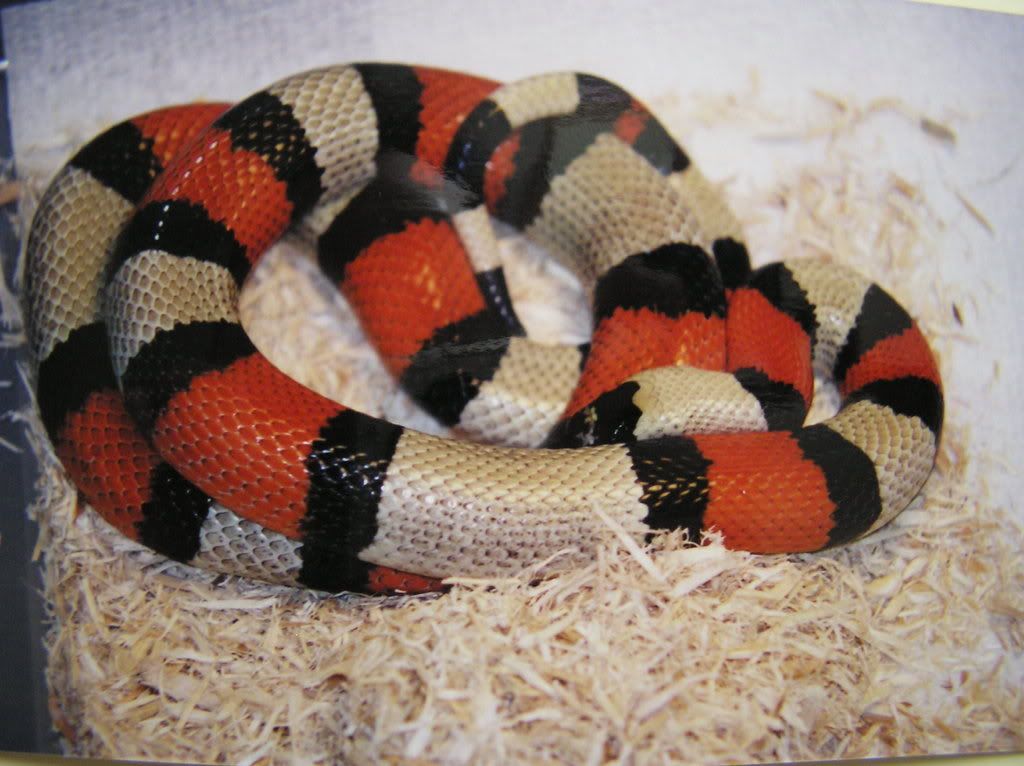
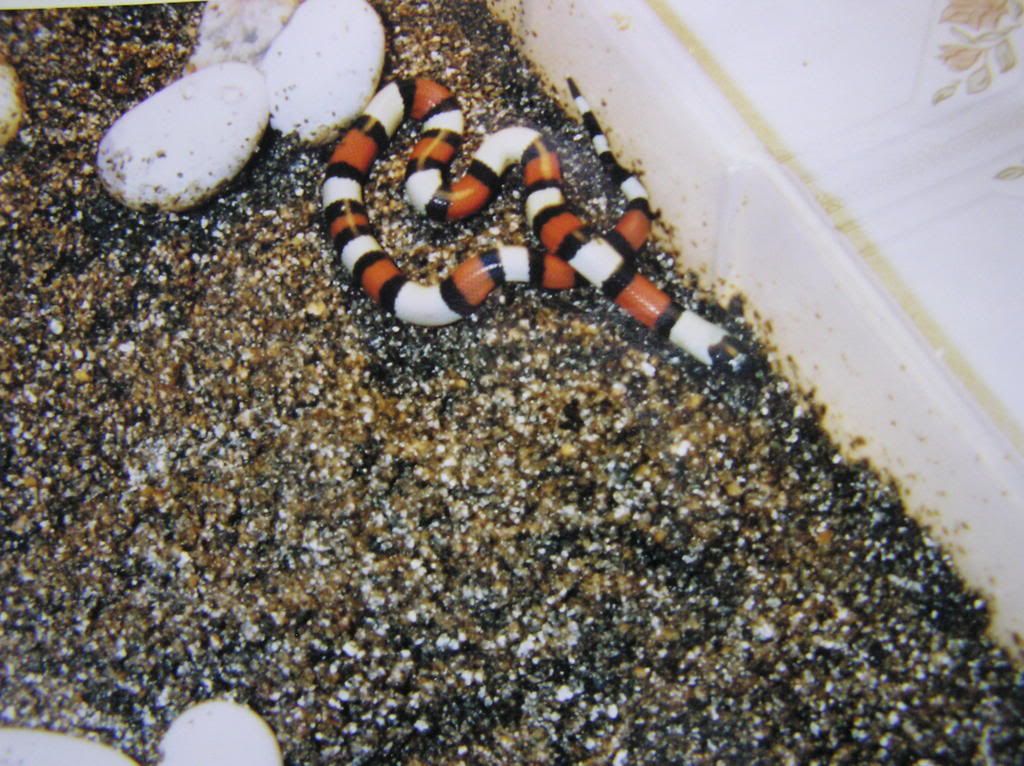
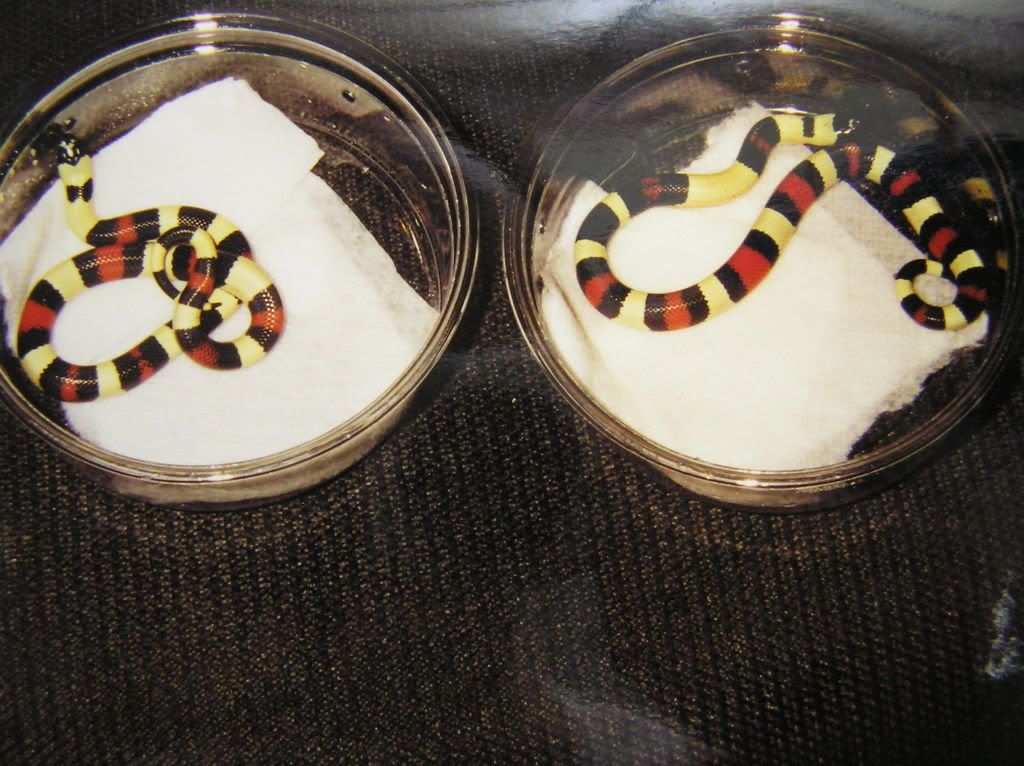
If your adults (photos, please....) are sockheads, chances are very likely that most of the babies will turn out similarly. I bred sockhead campbelli extensively back when they were all the rage circa 1996 and I had excellent results. Sockheads are a beautiful, natural variation. Good luck and let's see your babies when the time comes!!!!!!
" alt="Image">
-----
Jerry Kruse
And God said, "Let there be zonata subspecies for all to ponder..."
Beautiful Pueblans Jerry. Is that top photo and middle photo the same pueblan at a different age? Steve
Help, tips & resources quick links
Manage your user and advertising accounts
Advertising and services purchase quick links
