LOST MY ISABELLE YESTERDAY......I am so heartbroken, I can't even begin to tell you how much. I took her outside for a bask in the sun. It was 99 degrees out. I had her in a cardboard box with a screen cover thought she would be fine......folded some laundry,came out to check on her after about 30 minutes, she had her mouth open to cool off like they sometimes do, but she was fine. Went in the house to chop her greens, came out side to get her to bring her in and she had parished !!! apparently she overheated....I KILLED MY DRAGON !!! I feel like such an idiot. I have done so much research online to take good care of her and to lose her over something like this, that could have been prevented.PLEASE BE CAREFUL WHEN TAKING YOUR BABIES OUT TO BASK IN THE SUN. DON'T LEAVE THEM UNATTENDED EVEN FOR A FEW MINUTES. DON'T ASSUME THEY WON'T OVERHEAT..........DON'T LOSE YOUR BABY THE WAY I LOST MINE !!!!!!
Reptile & Amphibian Forums
Welcome to kingsnake.com's message board system. Here you may share and discuss information with others about your favorite reptile and amphibian related topics such as care and feeding, caging requirements, permits and licenses, and more. Launched in 1997, the kingsnake.com message board system is one of the oldest and largest systems on the internet.



DON'T DO WHAT I DID !!!!!!!!!!!!
Replies (55)
Wow, sorry about your loss. I do just that. I let my bearded dragon sit on my deck table for up to an hour in the hot blazing sun. I had no idea. Thanks for the invaluable info.
Thank you for the kind words....just promise me you will be careful........it only takes a few minutes for them to overheat and parish as Isabelle did. I will get on every website I can find to warn people. If I can help save even one dragon........
give your angels a kiss for me.
I am soo sorry. Thank you for sharing though.
I never put mine outside when temps. are above 85. Even when temps are lower they should have areas of shade as well as sun. In the wild dragons dig and hide when ambients and basking temps. get too hot.
I used my solar meter 6.2 some time ago and measured the direct sunlight UVB. It measures in: uW/cm2
The reading around 1:00pm (afternoon) that particular day was nearly 340 uW/cm2.
I am in Florida near Tampa Bay.
But the natural direct sun will emit over 300 uW/cm2 no problem.
The UVB mercury vapor 125 watt bulb I have in one of my enclosures puts out a little over 200 uW/cm2 aprox. 6-8 inches away from the bulb.
My dragon will warm up under the bulb when it first turns on, heat up, and then is never underneath it after this. That is some intense light/heat.
The reptisun 10.0s when brand new and slightly burned in will only emit 25 uW/cm2 at 6-8 inches.
I could take pictures for you.
The direct sunlight is very powerful and will kill your dragons they should only be exposed to it for a short period of time at full intensity.
Sorry to hear about your loss and thanks for informing everyone.
Here is the rep I used from solar meter. It is the 6.2 version which measures UVB output. The 6.5 is nice too but more pricey, it measures the UV index.
Steve Mackin: solarmeter@comcast.net
It was 196.00$ with shipping. Great device to see what degradation your uvb lights have had.
Thank you for the info. I had been thinking of switching to a mvb. I will be getting another dragon in the next few weeks and will invest in switching over. I miss Isabelle like crazy. Every night when I come home from work, I find myself wanting to go in her room and tuck her in for the evening. I would come home from work and turn her lamps off and then shortly there after go in and put her "blanket" (an old wash cloth) on her. I just hope I can help other people to not make the same mistake I did, that is all I can hope for and think about right now. I have gotten some great replys here and on Fauna. I was scared of getting people calling me an idiot, but everyone has been so nice and supportive. No one can beat me up any more than I have beaten myself up......believe me. Thank you all for your support. I will let you all know when that special dragon comes calling my name again 
The cause of the dragons death was overheating. It had nothing to do with UVB output of the sun.
On a cooler day dragons will bask all day in direct sunlight.
BDlvr is right...the heat was intensified in the box,it was not the actual UVB rays that caused her death. She succumbed to the heat. I put my dragons out all summer for hours at a time,unless the temp. is over 87. There is always artificially created shade. I use plastic toters,I have also used kiddie pools [ for babies that aren't big enough to jump out ] I lean or place various items around these bins,and I also have trees in the yard that provide partial shade. One thing to remember with the toters is that the clear plastic work best, they do not absorb the heat as much as the dark ones do. So you can still safely put your dragons out in the sun....just take precautions so that they are safe....maybe in your state with the intense heat,a screened cage such as is designed for chameleons can be used early in the a.m before the heat of the day...with appropriate real or artificially created areas of shade.Again...I'm sorry about your Isabelle. If you look for a new dragon on line,be sure to check temps. on your end for shipping.
I am looking at a local guy that has some listed here on kingsnake, wouldn't have to deal with shipping. That was one of the most horrible things I have ever experienced, and will not go through that again. I just hope my post has helped somebody else. Don't be surprised if you see me post more warnings with the summer months being here, it so could have been prevented.I did have one guy (not sure if it was here or on fauna) that read my post and said her would be more cautious. Even if I help save just one dragon........
I know that was horrible for you Doreen...and it is a good thing to warn others about it. I hope you find a new scaly friend soon. Be sure to let us know when you do and whether or not you get a boy or girl.
First, sorry to hear about your dragon! That is terrible.
Following up on Dreamworks' post, is it the heat that proved fatal or the overexposure to UV? I thought for sure that it was heat.
It's the heat...no doubt,positively.
BD's are sun worshipers so UV is never a problem. At 99 ambient the surface temp of the dragons body would likely have been over 150 depending on it's color. That's why shade is so important with high ambients.
Interesting.
I am curious what that reflects upon people who maintain 130 temp is a good thing?
Also that human intervention in the species could change its tolerance from the wild species so fast.
The people that claim 130 basking temp. is good don't know what their talking about. The prime supporter of this does not even own one single dragon. The others are newbies and have no experience with dragons in the outdoors. All their opinions are baseless speculation.
I have outdoor enclosures and have used them regularly over the years in the summer.
I don't think there is a significant difference in temp. tolerance between captive and wild specimens. In the wild the dragons do not bask at those high temps. either. In the wild on hot days dragons bask in the morning and hide in the heat of the day. This is the same thing I observe outside in NJ. At 70-80 they will bask all day. At about 85 ambient the dragons start to move into the shade depending on the specific animal. At 90 very few will bask for any period of time. The basking temps. are just too high outside at that ambient.
Above 90 is risky, in the wild they can lay on cool earth in the shade or under a rock. My cages have carpet as substrate which doesn't remain cool.
BDlvr you are so intellectually dishonest, you crack me up.
130F surface basking temps have very little to do with this post and problem. And you know that. But you are a cheapshot artist, that is what you do.
I can pull 130F surface temps on an 80 degree day. This sounds like it was a direct sunlight, no escape, very hot day situation.
On a "hot" day, you can pull surface temps of over 200F.
That would indeed be a problem. That would be outside of a usable basking temperature range. With no escape from that type of temperature extreme, sure, you can definitely have catastrophic health issues, including death.
But 130F basking surface temps are WELL WITHIN a normal bearded's usable range. And you know it.
But you are a wannabe forum king/hero and willfully ignorant. Congratulations.
-----
robyn@proexotics.com
Wait...You're the one that doesn't keep ANY dragons. That qualifies your opinion right there.
I do agree that a 130 degree basking temp. exists outside. I'd be an idiot to dispute that. But, first of all a 130 basking spot outside with unlimited venting is infinitely different than 130 inside with limited venting. High basking temps with inadequate venting create high ambient temps.
Nice to know you're still reading my posts though. Maybe you'll eventually learn something.
Dragon skin/scales is very thick and can block quite a bit of UVB as required. Dragons also lighten in color when they are warmed up and soaked up enough UVB rays...
In this case, the dragon overheated. Any cage placed outside for dragons to bask in natural sunlight should have adequate areas of shade so they can move into cooler areas as needed. Screen cages will allow some heat to dissipate but in direct sunlight, it won't help at all to prevent a dragon for overheating, unless there is a strong cool breeze blowing through it.
When it gets in the high 80's or more here, the air temperature is oppressive...even in the shade, especially when the humidity is high. In the summer here (in southeast Ontario, Canada) humidity can be as high as 100% which makes it difficult to be out in.
On a hot day, having your dragon outside for 15-20 minutes to a half hour..is more than enough to expose them to plenty of UVB to last them all day. It would have been better if you brought your dragon back inside as soon as you noticed her gaping. Temperature gradients in an outside cage, temporary or otherwise, is just as important as the cage indoors. More so giving ambient temperatures can get alot hotter in many areas during the summer.
-----
PHLdyPayne
The elevated UVB light during the summer where the suns equator is facing more closely toward the sun in the northern equator contributes to heat intensity.
This is the UV index. The higher level of UVB will not immediately kill a dragon.
If you had a a UVB florescent light that emitted high levels say over 350nano meters... the animal would likely incur eye damage before anything else.
The combination of elevated UVB and UVA light (heat index/heat intensity) is what killed the dragon.
The shade blocks the UVA/UVB light and heat intensity. The shade only drops the temp by at most ten degrees.
It was not the temperature but heat index/intensity. Brought on by the uva/uvb not the temperature itself.
I guarantee my ambient temps run just as high if not higher then the temps were outside on that occasion.
Get a heat index 6.5 Solar-meter and it measures the light intensity. That is what kills.
Not the heat alone.
Working on a couple hours sleep...
Correction:
The elevated UVB light during the summer where the earths equator is facing more closely toward the sun in the northern hemisphere contributes to heat intensity.
UVA/UVB intensity is what causes damage and induces a quick kill.
The shade blocks the UVA/UVB and does little to stop the ambient temperature.
Again.to put it simply,or in layman's terms,a human or animal will die from a HEAT stroke...too hot. If you are in a car with windows up,or even open slightly,[ we hear this in the news every year,don't we ] you or your pet will die in a short time due to the tremendous heat. A box,tub or aquarium in the sun will also capture the heat....absorbing it and creating the conditions...even if the box is totally covered,with no uvb entering....the heat kills.
No I dont believe it is the same situation.
BD's are meant to endure some pretty high temps. Hence... desert dwelling reptile.
In this situation....
There was no shade available... so the suns index/intensity could not have been relieved.
If the animal had shade available to retreat from the sun (UVA/UVB intensity) the ambient temp would have remained nearly the same.
Therefore, it was not merely the heat alone.
If an animal overheats in a car it is because the windows are not down far enough to allow for air circulation. And the windows provide a green house effect amplifying the heat.
Oh your naivety never ceases to amaze me. UVA/UVB had nothing to do with it. If the ambient temperature were 75 rather than 99 there wouldn't have been a problem, even though the light intensity would have been the same.
Other things you have wrong are that there is UVA and UVB even in the shade outside. The amount is just reduced. In the shade the surface temperature, and therefore a dragon, and the ambient temperature are about the same. In the light, the top surface absorbs heat and increases in temperature. That is why dragons bask, to elevate their body temperature to higher than the ambient temperature.
In this unfortunate case the elevated temperature was just too high.
It is the heat not the uv. I put my dragons outside year round in Las Vegas, including babies, and have never had a problem. You must keep track of the temps with a heat gun. I also never leave them unattended even for a second. If I go inside, they go inside too. If they get too warm, they must be taken inside or misted. Taking them outdoors not only is a source of sunlight and fresh air, it is captive enrichment. There is more to life than stareing out of an enclosure.
-----
www.moonstonedragons.com
I put mine outside all the time when conditions permit also. It's good group therapy for all the girls. Males generally go into Reptarium Screen Cages alone. Much above 85 in direct sunlight and the dragons generally won't bask even in a fully vented cage. I've never had a problem and generally leave them out all day.

I like the screen enclosure.
It is heat intensity which results from a high heat index.
Cardboard boxes retain a great amount of heat and end up being a virtual cooker for the dragons.
There is minimal if any UVB/UVA transmission in the shade BDlvr.
But there is heat nearly the same as the ambient in the sun itself.
Think I will go get a nice tan in the shade today. lol
What causes the heat?
A high uva/uvb index.
Your arguing that it is heat. What does this heat come from?
A huge heat emitting bulb that throws no uva/uvb?
The heat index is caused by the intense uva/uvb.
You could have the same heat and no high UV index and it would not kill the dragon nearly as quickly.
The end result is... be careful about outdoor basking.
Hmmm. Have you ever seen a CHE? It produces heat without ANY UV at all! Therefore UV and heat are certainly not one and the same.
Exactly...
the combination of all three:
heat/uvb/uva X intensity coupled with the duration is a deadly combo.
Heat alone within reason they can withstand.
You can cook a dragon using nothing but heat...it has nothing to do with UVB at all.
When there is a high uvb index, all this means is the intensity of uvb radiation can cause damage to skin/eyes. This is why many UVB compact bulbs in the past have caused eye damage and death in reptiles, not because it produced alot of heat or alot of UVB itself. The level of uvb available doesn't equal the same thing as harmful range of uvb radiation. However with very high levels of uvb radiation during the middle of the day in direct sunlight, there is often a higher UVB Index.
I have found there is a higher UVB Index on hot and very humid days, compared to days of the same ambient temperature with low humidity.
There is alot of information about UVB at the website below, if you are interested in reading much more about UVB.
Dragons will die alot faster from heat than they would from exposure to a high UVB Index. Humans walk about under high UVB Index all the time and they certainly are not dropping dead within hours of exposure. Human skin is far less resistant to UVB radiation than desert dwelling reptiles like bearded dragons.
Heat stroke can occur in a totally dark room if its too hot. I have heard of enough inexperienced keepers accidentally killing their pets due to over heating them even when the primary source of heat is a regular household bulb.
-----
PHLdyPayne
Does the sun produce heat alone?
Is that what your saying? The sun is a big heat emitter.
No UV radiation.
The dragon has an outer membrane that is permeable.
This out membrane...
allows the passage of UV radiation into the animal where it collects and builds. Thus, the heat index rises and the animal is susceptible to internal damage and heat exhaustion.
It allows the suns uvb/uva radiation (solar radiation) to penetrate and heat the animal.
This induces the heat factor rising in the creature.
Analogy:
If I laid a piece of tin foil with the shinny side facing the sun over the dragon, the radiation effect would be minimal... the heat/temperture would remain the same.
The animal would not heat up from the ambient temperature and overheat, but from the compounding effects of the radiation uvb/uva.
See a nice article here:
http://www.ornl.gov/sci/roofs walls/facts/SolarRadiationControl.htm
Who is being naive here BDlvr?
You're right buddy it is just the heat. We'll keep things at your level.
Go study thermal dynamics awhile then hit me back up.
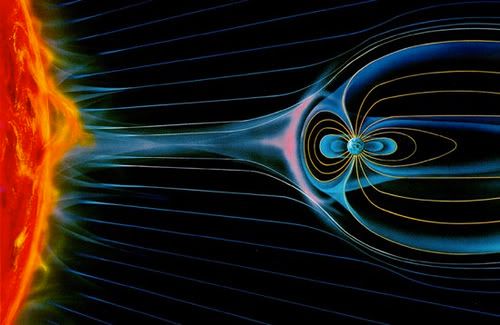
Introduction
How does solar radiation affect the temperature of a roof surface and heat flow through the roof?
This solar radiation control fact sheet focuses on low-slope roofs for commercial buildings. The membranes or weatherproofing materials used for these roofs are opaque to solar radiation. When opaque roof surfaces are exposed to solar radiation, no solar radiation is directly transmitted through the roof. The sketch above in the heading depicts an opaque low-slope roof interacting with solar radiation. It illustrates that some of the sunlight is reflected away by the surface and the rest is absorbed. The fraction reflected is given by the solar reflectance of the surface, a number between 0 and 1 that applies to the solar part of the electromagnetic spectrum. Solar radiation includes the wavelength range from near ultraviolet to near infrared, spanning what is visible to the human eye. The sketch assumes a solar reflectance of about 0.85.
The solar radiation that is absorbed heats the surface. The absorbed energy is no longer solar energy. It is characterized by the temperature of the surface material, which is much lower than the equivalent solar temperature. Consequently, the surface emits radiation in the far infrared part of the spectrum. This infrared radiation is not to be confused with the reflected solar radiation. The amount emitted is in direct proportion to the surface's infrared emittance, a number between 0 and 1 that is generally different from the solar reflectance. A roof surface also exchanges energy by convection with the air above the roof and by conduction with the layer of the roof directly below the surface. Moisture effects, mainly evaporation and condensation of liquid water on the surface, are occasionally important for low-slope roofs.
The temperature of the roof surface is determined by a balance among energy gains and losses, including energy stored in the roof. The peak surface temperature strongly depends on the peak solar radiation and the solar reflectance of the surface. On a sunny day in late June, all of July or early August in the northern hemisphere, a black roof surface (solar reflectance less than 0.1) may reach peak temperatures exceeding 170°F (77°C). At the same time, a highly reflective white surface (solar reflectance greater than 0.8) could be less than 110°F (43°C).
For steady conditions, heat flow per unit area through a roof is given by the quotient of the temperature difference across the roof and the total thermal resistance of the roof. On a cloud-free day in the middle of summer for typical inside surface temperatures of 80°F (27°C), solar radiation control causes a decrease in the temperature difference across the roof from about 90°F to 30°F (from about 50°C to 17°C). If the total thermal resistance (R-value) of the materials present in the roof is small, a significant decrease in steady heat flux through the roof will occur. If the roof has significant thermal capacitance (thermal mass), absorbed energy will be stored in the roof and heat fluxes through the roof will be delayed and diminished, lessening the effect of solar radiation control. Cloudiness and other non-steady conditions also decrease the heat flux through the roof relative to the maximum steady value.
What affects the values of the solar reflectance and the infrared emittance?
The solar reflectance and infrared emittance of a surface are both dependent upon the kind of material that forms the surface and the condition of the surface. The effect of weathering is significant for solar reflectance. A typical white coating with initial solar reflectance exceeding 0.8 will likely have solar reflectance below 0.55 after a few years of exposure, if the surface is unprotected from airborne dust and contaminants. A typical aluminum coating with initial solar reflectance of about 0.6 will likely have solar reflectance about 0.4 after a few years of exposure. Typical white coatings seem to retain infrared emittances greater than 0.8 despite changes in solar reflectance. Typical aluminum coatings have infrared emittances from 0.3 to 0.5 when new and the infrared emittances increase to values from 0.5 to 0.7 due to weathering. These values of solar reflectance and infrared emittance are averages over the variations in surface temperature that roof surfaces undergo due to daily and seasonal climate changes.
Surface contamination and alterations cause the changes in radiation properties. Together they comprise what is called weathering. Contamination occurs over time due to atmospheric pollution and biological growth. Alterations occur due to many factors including ultraviolet radiation, temperature cycling due to sunlight, sudden temperature swings due to rain, moisture penetration, condensation and evaporation of dew, wind, freezing and thawing and effects of sleet, snow and hail. Rain and deliberate washing may temporarily help restore high solar reflectance but not to initial levels.
Our experience with the entire range of commercially available coating materials in a three-year outdoor test in East Tennessee indicates that thorough washing of fully-weathered white coatings with a solution of trisodium phosphate in water restores about 40% of the average 0.27 decrease in solar reflectance due to weathering. Thorough washing of fully-weathered aluminum coatings restores about 55% of the average 0.20 decrease in solar reflectance due to weathering. Washing did not affect infrared emittance of white coatings but appeared to restore the initial infrared emittance of aluminum coatings. After the surfaces were washed, they again resumed weathering. In the half year we were able to observe this continuation of weathering for all the surfaces, the solar reflectances of the white coatings decreased about 0.03. The solar reflectances of the aluminum coatings decreased about 0.02. For four white coatings and three aluminum coatings that we were able to continue to observe for three years after cleaning, the solar reflectances decreased a total of 0.11 from cleaned values. These decreases are about what was restored by cleaning after the original three years of weathering.
Because of the dependence on surface condition, solar reflectance and infrared emittance are not properties of the surface material alone. Values for solar reflectance and infrared emittance need to be qualified by descriptions of the material and its condition. For example, a clean metal surface has a high solar reflectance and a low infrared emittance. An oxidized or rusty metal surface would likely have a lower solar reflectance and a higher infrared emittance. Various combinations of high to low solar reflectances and high to low infrared emittances are possible with different surface materials and conditions. The values are not related.
What is solar radiation control?
Solar radiation control for low-slope roofs follows from use of surface materials that have high reflectance in the solar part of the electromagnetic spectrum and high emittance in the infrared part of the spectrum. High means 0.75 or more on a scale from 0 to 1. Such materials are known as 'cool materials.' See http://EETD.LBL.gov/HeatIsland/CoolRoofs/ for a comprehensive discussion, by researchers in the Heat Island Group at Lawrence Berkeley National Laboratory, of the importance of both solar reflectance and infrared emittance and techniques to measure them. Since the amounts of solar energy absorbed and infrared energy reemitted by low-slope roofs are linearly proportional to solar reflectance and infrared emittance, respectively, materials with solar reflectances and infrared emittances less than 0.75 are able to do some solar radiation control.
The objective of solar radiation control is to decrease the cooling load on a building. For commercial buildings, the high intensity of summertime direct solar radiation on horizontal surfaces and the large area of low-slope roofs makes these roofs the primary target for solar radiation control. High solar reflectance for the roof surface causes much of the solar radiation to be reflected away before it can affect the energy balance for the roof. High infrared emittance enhances the ability of the roof to radiate some of the absorbed solar energy and energy from inside the building to the sky, which is helpful during the cooling season. Especially on clear nights, the equivalent sky temperature is much lower than the roof temperature. It is common for surfaces with high infrared emittances to be 5°F to 10°F (3°C to 6°C) cooler than the outside air temperature on clear nights. Surfaces with low infrared emittances can be that much warmer than the outside air temperature, which can help to decrease the heating load on a building during the heating season.
You can just come up with any amount of meaningless blather to try to support your cockamamy theories can't you?
UVA and UVB are wavelengths of Ultraviolet LIGHT! Flourescent tubes can put out both with UVA and UVB but very little heat. Therefore UV intensity has little to do with heat.
I give up. I'm sure everyone else here can understand that the UV intensity had nothing to do with the dragons unfortunate demise. You, you'll never learn. I accept that.
You're right the laws of thermal dynamics do not apply here.
The solar radiation does nothing to compound the heat index in the animal.
The giant heat emitting diode in the sky sans uvb/uva must be the answer.
Heat is a form of energy which is generated by many methods. Rub your hands together vigorously and you will see heat doesn't need any ultraviolet light to occur.
The sun puts out all kinds of radiation, most of the harmful kinds are filtered out by the Earth's atmosphere. Sure there is still plenty of UV light coming in and it does excite the molecules within air to produce heat. But the point is, UVB, no matter how intense it can get on the equator during noon in direct sun, will be sufficient to kill a dragon alone. Heat will do it much faster.
The sun does produce heat, no denying that, but heat comes for many sources and all produce the same results if its too intense. So all your jumping up and down trying to prove UV kills dragons if they are exposed to high levels of it, really is pointless, if the levels alone are not sufficient to kill an animal, when the heat produced in a box in direct sunlight with no air flow and being reflected all over the place due to being fairly light in color, raising the ambient temperature within the box to lethal levels.
Heat and UVB play a factor in increasing heat inside an animal to dangerous levels, but by far the greater cause of heat stroke, is just that, heat.
Being a fair skinned person myself, I can suffer heat stroke in my apartment, in the dark, if I don't do something to prevent it.
-----
PHLdyPayne
Why do you waste your time agruing with him?
-----
www.moonstonedragons.com
Exactly...
dont bother sir.
Band wagon jumper.
It's interesting seeing how irrational he gets to support a purposely contrary argument, I can just imagine him foaming at the mouth trying to come up with another meaningless reply. I also just love how the end to his argument is something stupid like a Jim Carey picture.
Your the one that makes everything a personal affair.
I could care less quite honestly.
Makes me laugh.
oooohhhhh... yesssss...
I will find your sweet spot.
UVB UVA equals heat index and intensity.
UVB everything to do with it.
She must live on mars then correct where it gets to be 200 degrees?
UV Radiation
Some exposure to sunlight can be enjoyable, but too much sunlight can be dangerous. Overexposure to the sun's ultraviolet (UV) radiation can cause immediate effects such as sunburn and long-term problems such as skin cancer and cataracts. Sunlight consists of two types of ultraviolet (UV) radiation, UVB and UVA. Both UVB and UVA radiation contribute to freckling, skin wrinkling and the development of skin cancer.
UVB radiation (290-320nm) has the most energy and causes the most damage. UVB is only partially blocked by clouds or fog; therefore, it is important to wear sunblock even on cloudy days. This type of radiation intensifies during the summer and with higher elevations . UVB can do more damage more quickly than UVA rays. Because of its damaging affect to the DNA of skin cells, UVB radiation is the main cause of sunburn and skin cancer. Over the past 25 years, the thinning ozone means more UVB penetrates the atmosphere, increasing the risk for UVB-related sun damage.
UVA radiation (320-400nm) is less powerful than UVB, but it penetrates deeper into the skin. Small daily doses of UVA causes long-term skin injury, even without signs of sunburn. UVA light is used in tanning booths. Tanning booths not only cause the same type of skin and eye damage as natural sunlight, they may also be as much as 20 times stronger.
When the sun's ultraviolet radiation reaches the surface of the skin, the skin reacts by producing melanin, a skin pigment that has a protective effect on the skin. Therefore, tanning after sun exposure is your body's way response to sun damage. Having a tan provides minimal protection against sun overexposure and is not a substitute for good sun protective measures.
As human skin is extremely thin compared to animals, its really a useless comparison. The link below gives a far more realistic view of how much UVB radiation actually penetrates reptile skin.
www.uvguide.co.uk/skintests.htm
-----
PHLdyPayne
Here is what I am saying:
The dragon no doubt overheated. I totally agree... The quickness of the overheating was amplified by the higher levels of UVA/UVB (aka: Heat Index).
If the dragon was outside on the same day with the same temperature exactly.
One day with an extremely high UV index. The other day same temp but overcast low UV index.
The dragon would die from not the temperature but the heat intensity (light UVA/UVb intensity) this causes a ramp-up in heat and a quick kill.
Temp alone is not the only issue therefore.
Heat index amplifies the heat factor build up, as the uv light causes additional heat and this heat accumulates in the animal.
You are right about the uvb/uva... this would not kill as a poison per-say.
Like a toxic level of uva/uvb. But it does cause a ramp up in heat.
Just like on any day you go out and they say the heat index is high today. You will overheat much quicker on those days due-to the heat intensity factor.
It is not the temperature alone.
A day of 96 degrees with a low heat index you will not overheat anywhere near as fast as a day where it is 96 degrees with a very high heat index.
Heat Index: intensity of ultraviolet light (uva/uvb)
I'm very sorry to hear about your loss.
Natural sunlight is very good for dragons but it can also be very dangerous. I have to agree with bdlvr. If the temps are 85 and above, i would keep the dragon indoors. A screen cage or a good size wooden pen with a screen top(for predators) works well. MOST of the cage/pen needs to be shaded, with just a small section of direct sun. Sand holds a lot of heat, even in shaded areas. It can be used during cooler months, but i would reccomend dirt, grass, or newsprint when it is hot. A good thing too is to maybe give your bearded morning sun and then take him/her inside before noon, or even later in the day when it starts to cool down.
I have a lot of experience keeping/breeding beardeds outdoors year round. P vitticeps do not like it very hot. They are most active in the 70's. If the temps are 85 and above, they will spend a majority of the day hiding in the shade under plants where it's cooler.
Once again sorry for your loss. I hope this info helps.
Josh
P vitticeps adults only need to get their body temp up to about 96-98 degrees before they move away from the heat. If outdoor temps reach 95 degrees with no breeze(which is rare here), It becomes a fire drill to cool them down. They can overheat in the shade at these temps. Makes me wonder how these beardeds survive in their native habitat. Josh
Well...
It is good to know and be aware of irregardless because it gets both hot and the UV index is often high as well here in FL.
Here is another overheating situation:
A lady sent me a dragon some time ago with heat packets. It was not even all that cool outside actually and she lived only a state away from FL. Just saying, it was a foolish error.
Not trying to rake the lady over the coals... no pun intended.
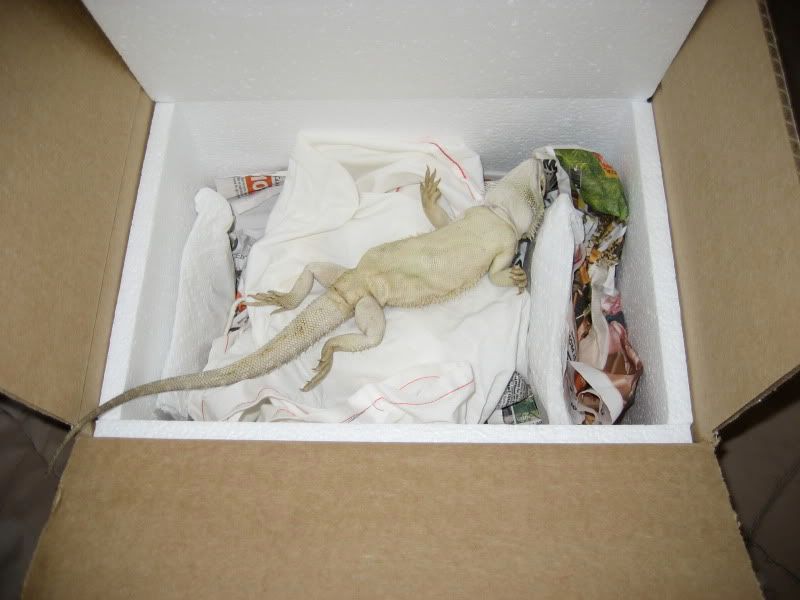
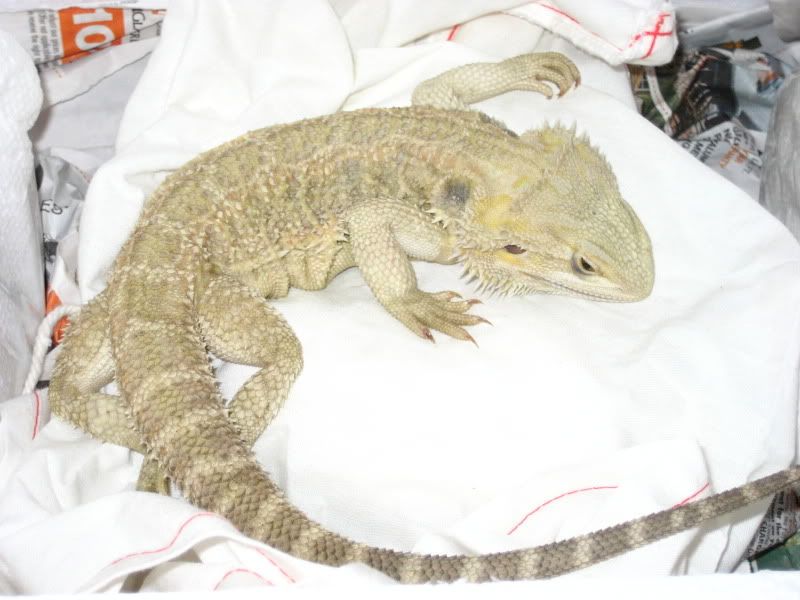
The dragon overheated and was cooked inside the box. I would not recommend using heat packets and styrofoam inside a cardboard box. Heat cooker. She also had minimal airholes. Personally, I would not use the heat packets no matter what.
Poor dragon was essentially cooked to death. Horrible
Hope this is not too graphic... scroll down but beware as it is a relatively graphic photo.
graphic:
Wrapped up in the paper towels were the heat packets.
UV itself does not produce heat. Infrared radiation is heat energy. What UV light does, especially high levels of UVB, is damage skin. If you are protected from UVB radiation by say...Sunblock or thick scales/naturally dark pigment (such as African tribes). UV radiation is also not the only radiation bombarding the Earth from the sun, it is pretty much hit by the full spectrum of light energy, fortunately the majority of the harmful radiation is blocked by the ozone layer and atmosphere.
Things underneath UVB sources do warm up because the energy within UVB rays does get absorbed, causing electrons etc to get excited and this produces heat. But this is the same sort of reaction you can get from say, friction.
In the case of the poor dragon left out in the sun, it was overall air temperature which cause its death, not just because UVB was present too. The original poster didn't indicate what time of day she had her dragon out...if it was late afternoon, or early morning, the amount of UVB radiation would be much less than say between 10am and 3pm.
There are many sun loving lizards, running about in full sunlight during high levels of UVB radiation, but its the heat radiating off the rocks, sand, etc around them as well as infrared radiation heating up the air, that drives them to see cool shaded areas.
It is far too much of a generalization to say UVB was a contributing factor in the dragon's death...I really don't feel it had very much affect giving the fact dragon's scales can filter out a far greater percentage of UVB than our skin. Bearded dragons and other sun loving reptiles have protective layers of skin, reptiles that are nocturnal or live in thick cover (ie forests, jungles, etc.) also don't have as much layers.
-----
PHLdyPayne
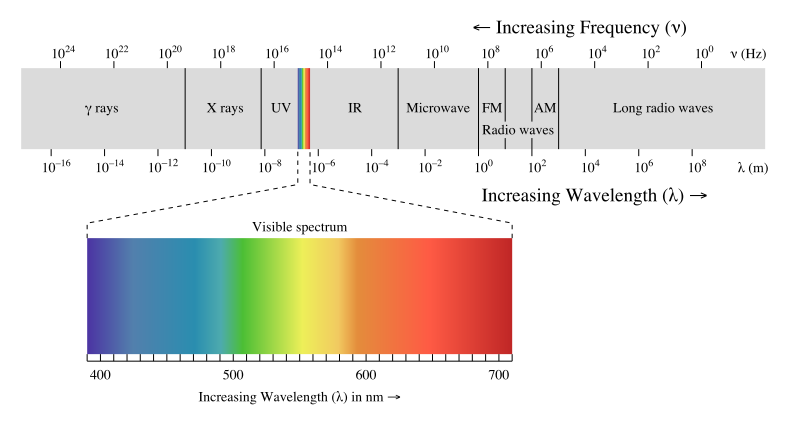
It is impossible to separate infrared light from ultra violet that is emitted from the sun.
Both instances of unperceived heat energy that is not detectable to the human eye is what I was referring to, yes. (uv as well as infrared)
If you want to get more specific and single out the infrared part of this spectrum, it is true that this is a contributing factor as well as the other parts of the light spectrum... all amount to electromagnetic radiation.
This is where the heat transfer begins to occur where particles are excited and excel in motion within the animal.
It is more than just a direct heat transfer when you are referring to rays emitted from the SUN.
There are electromagnetic (invisible) accelerants that are causing particles (atoms and molecules) to charge and bounce of one another.
This process where the particles are being charged through the electromagnetic (invisible part of the spectrum both uv and infrared) causes a ramp up in heat (thermal energy) in the animal.
The invisible part of the spectrum accelerates this process and makes the heat compound much quicker in the animal. This is what I have been talking about.
So thank you, yes, you have confirmed that for me.
Both (infrared and UV) are contributing to electromagnetic radiation which is an accelerating factor in the thermal heating of all matter by the sun.
Electro Magnetic radiation with a wavelength between approximately 400 nm and 700 nm is directly detected by the human eye and perceived as visible light. Other wavelengths, especially nearby infrared (longer than 700 nm) and ultraviolet (shorter than 400 nm) are also sometimes referred to as light, especially when visibility to humans is not relevant.
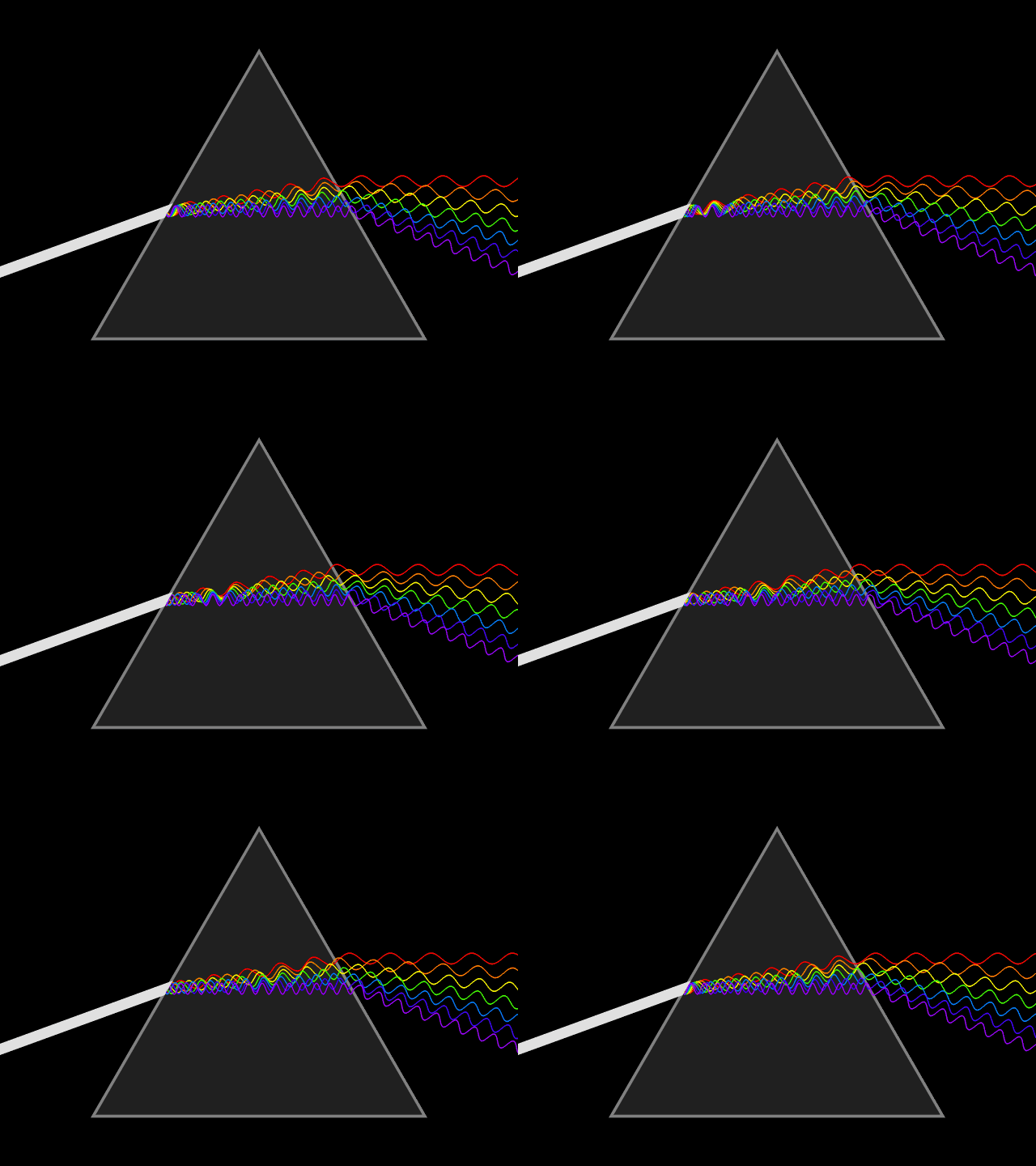
The term ultraviolet refers to the fact that the radiation is at higher frequency than violet light (and, hence also invisible to the human eye).
At any given moment, the amount of solar radiation received at a location on the Earth's surface depends on the state of the atmosphere and the location's latitude.
The solar constant includes all wavelengths of solar electromagnetic radiation, not just the visible light.
My point being, UVB is not a contributing factor in producing higher levels of heat, when the air temperature was stated at being 99F. The dragon died from heat stroke, not over exposure to UVB radiation.
Your original claim was UVB killed the dragon, not heat...which is just plain wrong. More than enough people die each year from heat stroke in their homes, completely filtered from UVB exposure.
-----
PHLdyPayne
Reread what I said... I never stated that UVB "killed" the dragon.
Only that it was a contributing factor.
What I said was that it was not the heat alone.
If Im wrong so be it. I have been wrong before. It's a learning process for me. I dont profess to know all the answers.
All I did was post some observations about the suns uvb intensity initially.
I was told how wrong I was, and that it was heat that killed the dragon. I was being naive.
Here is where I made my argument and where I believe my point is valid...
I took the liberty of capturing a photo. Took like 5 pictures before I got the picture I wanted. It was 97 on the first couple shots. Using my heat gun.
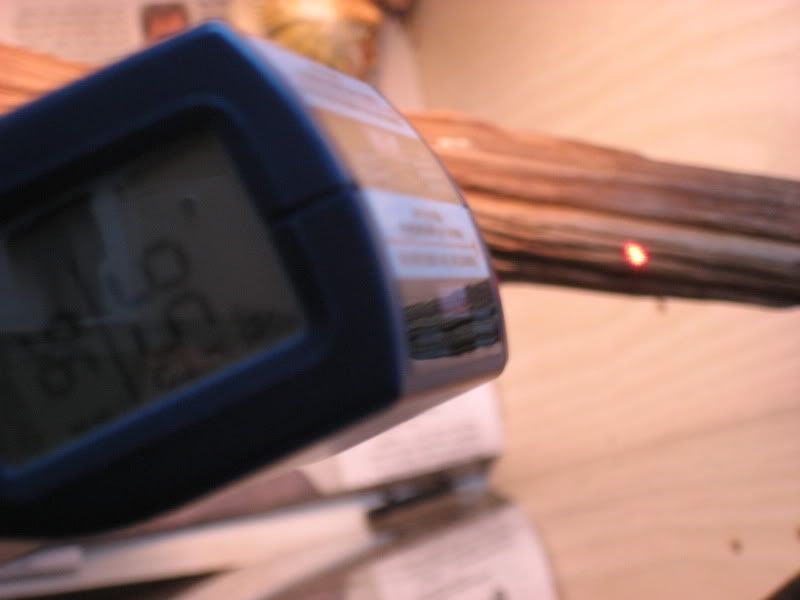
This is where on of my dragons hangs out all day every day. On cedar this log. It is 95 degrees there all day long. I have even shot on his back and get the same reading 95-96 degrees.
Our bodies are 98.6 degrees and rise up to 102-103 when someone has a fever. Do we instantly die from the heat?
The heat is not killing him.
Josh actually confirmed my argument that the dragons scamper out of the sun and hide when the temp rises. Well it is not the temp that these dragons are afraid of and hiding from.
The temp rises and falls on earth as the earth revolves around the sun and the angle of the suns rays vary. When they are straight and aligned with the earth the temp is highest...
but the UV index is also the highest at this time as well.
It is the harmful effects of intense uv and infrared light radiation (elctromagnetic radiation) that amplify the heat effect compounding it... and thus, induce a quick kill.
I will freely admit that it wasnt the uvb that killed the dragon... I admitted that right away and said that it would only mess up their eyes. Many days worth of exposure might poison and kill them.
However...
When you take all the invisible parts of the spectrum and combine them as the sun does, (our bulbs do not have these compounding qualities) it makes for a lethal mix of intense heat inducing light energy (visible and invisible combined) that will rapidly overheat the animal.
The dragons can only endure shorter periods of intense high uv index heat from the sun.
Hiding underneath a plant does little to drop temperatures (ambient) but it quickly blocks the compounding heat effects of elctromagnetic radiation (uva/uvb/ifrared invisible solar light).
In it's simplest form... yes the dragon died from heat exhaustion.
But, it is more complicated than that when you break it down and explore the separate components of light energy involved causing this ramp up in heat by the sun.
enjoy
come on guys........this is not what I wanted to start by posting what happened. What I did was a horrible thing that could have been prevented.......I posted this to help others not make the same mistake........that is all, not to start an arguement. And to post pics of a dragon that had parrished.....thanks for bringing back the picture I still have stuck in my head.
I believe the best way to learn is through debate.
I learned alot from reading this thread, and I am glad you shared it, and started this small kind debate. Some great information was shared.
I hope you get another dragon, the only bad mistake is the one you learn nothing from.
Good luck, we all do things that could have been avoided.
first off very sorry to horsma for her rough learning experience, and it's big of her to share and teach
I may have missed it; but what was the dragon in when outside ? rabbit hutch, plastic, tank?
Airflow is a huge part of it, as well as a light colored shelter that allows the lizard to choose/ completely leave the intense sun.
these animals worship and use the sun for lots of things as well as some we don't understand. Hormone stimulation, cooking internal parasites, accelerating digestion, baking off skin fungi etc.
Temp guns are a great tool. It is mind blowing how hot they sometimes choose to get. I've temp gunned lizards and rock piles that are hotter than you would ever think they could tolerate. I haven't been to Australia but it's studied and documented there for varanus and agamids too.
Thank you for your kind words, yes it was hard to share by story (thinking everyone would blast me), but glad I did.....if it helps save even one dragon. I had put her in a cardboard box with a screen cover (was at least smart enough not to put her in a small aquarium) I have seen many warnings about that. The box was about 18wx14dx14h. It was the fact that she was in direct light with no shade. I had checked her after about 30 mins and she was panting like they do to cool off, but did not seem to be in distress. Went in to chop her greens, came back out......and she had parished. She was a 12" juvenile, not sure if her young age factored in. I only had her one week, she was my first dragon. I had done so much research online to take good care of her. Just did not think that putting her in the direct sun was any different that being under her basking spot. I did put a deposit down for a new little dragon. Will pick her up this coming weekend (wanted time to get everything ready)I am naming her Annabelle..........in honor of Isabelle the dragon I lost.
