Reptile & Amphibian Forums

Welcome to kingsnake.com's message board system. Here you may share and discuss information with others about your favorite reptile and amphibian related topics such as care and feeding, caging requirements, permits and licenses, and more. Launched in 1997, the kingsnake.com message board system is one of the oldest and largest systems on the internet.

Click here for Dragon Serpents
https://www.crepnw.com/
Click for 65% off Shipping with Reptiles 2 You

Experiment involving Florida king eggs

Khaman Aug 06, 2010 09:42 PM

As part of a research project I attempted to reproduce an experiment done in 1990 by Dr. Joanna Burger at Rutgers University which was published in the Journal of Herpetology Vol 24 No 2 with the results reprinted in Brian Hubbs book Common Kingsnakes.

Dr Burger collected eggs from a black racer in a pine snake nest as well as eggs from a wild caught king from Burlington County New Jersey. I used eggs from captive bred Florida Kings.

I won’t bore you with the specifics but 11eggs were laid on June 1st and were split into three groups. Three eggs were incubated at 25C (77F) (Group A), four at 32C (89.6F) (Group B), and four at 28C (82.4F) (Group C).

Group A at 66 days has yet to hatch but all three still look good. Group B all hatched in 53 days. Group C took 38-40 days to hatch.

Group C had an average hatch weight of 16g; Group B had an average hatch weight of 5g. This is inconsistent with Dr. Burger’s findings that the slower the development is and longer the hatchling is able to stay in the egg the more robust it will be. Her results showed no major differences to weight

Group C had an average hatch length of 32.02 cm. Group B had an average hatch length of 24.37 cm. This is consistent with Dr. Burger’s findings that the eggs incubated at higher temps tend to be shorter than those incubated at lower temps.

Dr. Burger also noted that motor skills and feeding response was greatly decreased in the snakes that were incubated at the higher temps. The same behavior was also noted Group B, two of the snakes refuse to strike at any stimuli one will strike only after repeated and prolonged stimuli (Tease feeding). Group C will aggressively rear in a threat response with little to no provocation and repeatedly strike.

Dr. Burger does not mention feeding responses or records of her animals but to date Group B has eaten an average of 7 meals with one still requiring live which is more difficult for me to acquire than F/T. Group C has refused F/T and live meals repeatedly.
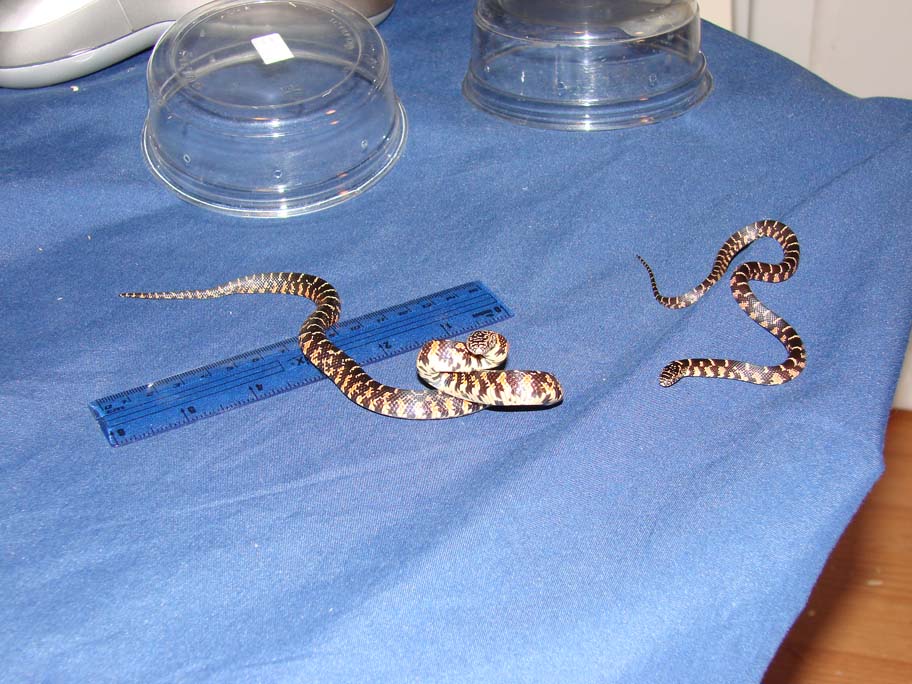

Snake on the left is from Group C on the right Group B
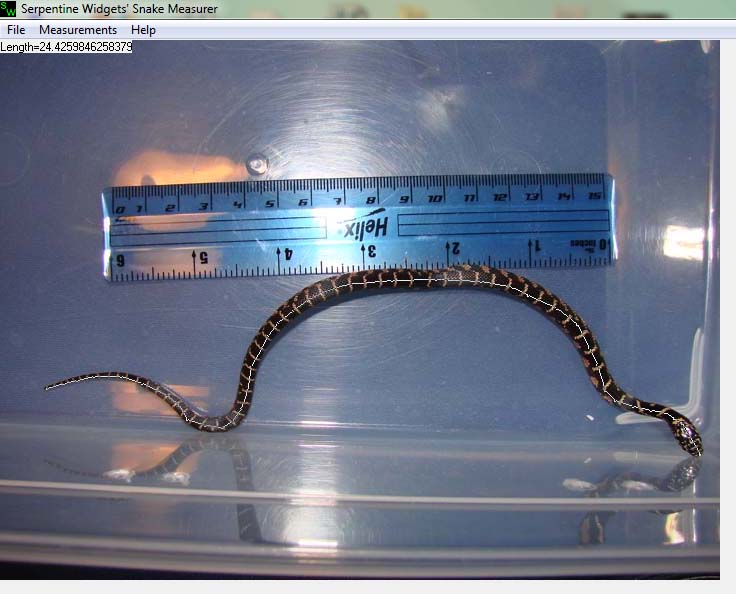

Group B
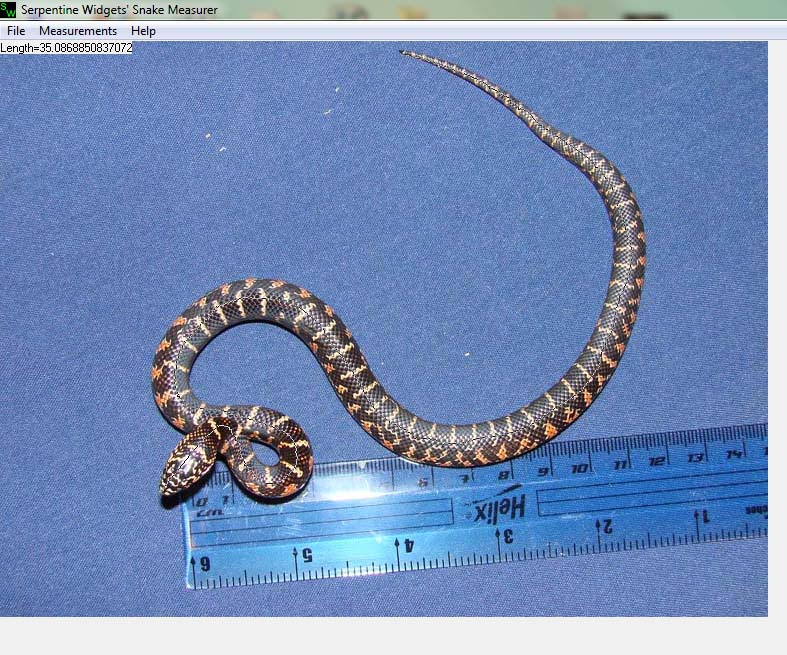

Group C

Replies (29)

amazondoc Aug 07, 2010 03:04 AM

This is very very interesting. Thanks for posting it!

I'm a bit confused about a couple of things, though -- no surprise there.

You said:

>>Three eggs were incubated at 25C (77F) (Group A), four at 32C (89.6F) (Group B), and four at 28C (82.4F) (Group C).

So group B was incubated at the highest temp, right?

But then you said:

>>Group A at 66 days has yet to hatch but all three still look good. Group B all hatched in 53 days. Group C took 38-40 days to hatch.

So group C hatched more quickly, even though it was at a LOWER temp than group B?? That is quite confusing for me....

Thanks in advance for helping me out of my confusion!
-----
----

0.1 Peruvian rainbow boa (Amaru)
2.0 Brazilian rainbow boas (Arco, Olho)
1.3.1 Honduran milksnakes (Chicchan, Chanir, Hari, TBA)
1.0 Thayeri kingsnake (Coatl)
0.0.1 Mexican black kingsnake (Mora)
2.7 corns (Cetto, Tolosa, Uce, TBA)
1,000,000.1,000,000 other critters

Khaman Aug 07, 2010 08:34 AM

I transposed the group letters when I was typing that. The animals where labeled individually here not in groups so keep down confusion I grouped the similar results together when typing this last night and switched the results groups’ names several times for different reasons and I guess I missed a revision.

Group C all hatched in 53 days Group B took 38-40 days to hatch.

amazondoc Aug 07, 2010 11:56 AM

>>I transposed the group letters when I was typing that. The animals where labeled individually here not in groups so keep down confusion I grouped the similar results together when typing this last night and switched the results groups’ names several times for different reasons and I guess I missed a revision.
>>
>>Group C all hatched in 53 days Group B took 38-40 days to hatch.

Ahhh, thanks!
-----
----

0.1 Peruvian rainbow boa (Amaru)
2.0 Brazilian rainbow boas (Arco, Olho)
1.3.1 Honduran milksnakes (Chicchan, Chanir, Hari, TBA)
1.0 Thayeri kingsnake (Coatl)
0.0.1 Mexican black kingsnake (Mora)
2.7 corns (Cetto, Tolosa, Uce, TBA)
1,000,000.1,000,000 other critters

amazondoc Aug 07, 2010 12:01 PM

>>Group C had an average hatch weight of 16g; Group B had an average hatch weight of 5g. This is inconsistent with Dr. Burger’s findings that the slower the development is and longer the hatchling is able to stay in the egg the more robust it will be. Her results showed no major differences to weight

Okay --

since group C actually took longer to hatch than group B, and group C was heavier than group B, then this result is actually CONSISTENT with Dr. Burger's findings that a longer incubation will result in a "more robust" (larger, I presume) hatchling.
-----
----

0.1 Peruvian rainbow boa (Amaru)
2.0 Brazilian rainbow boas (Arco, Olho)
1.3.1 Honduran milksnakes (Chicchan, Chanir, Hari, TBA)
1.0 Thayeri kingsnake (Coatl)
0.0.1 Mexican black kingsnake (Mora)
2.7 corns (Cetto, Tolosa, Uce, TBA)
1,000,000.1,000,000 other critters

Khaman Aug 07, 2010 12:26 PM

No, her findings were that there were no dramatic differences in weight between the two groups just that those that took longer to incubate had greater length than those that hatched sooner. My experiment showed a dramatic weight difference.

amazondoc Aug 07, 2010 12:40 PM

>>No, her findings were that there were no dramatic differences in weight between the two groups just that those that took longer to incubate had greater length than those that hatched sooner. My experiment showed a dramatic weight difference.

Welll.....was there actually NO weight difference between the two groups, or did she just say there was no "significant" (as in statistically significant) difference? Remember, there can be quite a lot of difference between two groups before one gets to the level of *statistical* significance. And if hers were longer, as yours obviously were, then it seems that your results were just a more extreme example of the same effect she found -- rather than a contradiction of her findings.
-----
----

0.1 Peruvian rainbow boa (Amaru)
2.0 Brazilian rainbow boas (Arco, Olho)
1.3.1 Honduran milksnakes (Chicchan, Chanir, Hari, TBA)
1.0 Thayeri kingsnake (Coatl)
0.0.1 Mexican black kingsnake (Mora)
2.7 corns (Cetto, Tolosa, Uce, TBA)
1,000,000.1,000,000 other critters

Khaman Aug 07, 2010 02:52 PM

"Although there was no difference in weight" were the words she used. Though the snakes that were incubated at a higher temp were shorter they weighed the same as those incubated at the lower temp. So in my experiment this was inconsistent with her findings.

DMong Aug 07, 2010 01:24 PM

It's all pretty interesting, but I can't see anything at all that "concludes" much of anything though really. To conclude anything of absolute significants, you would have to produce MANY clutches from the exact same parents, and with the exact strictly controlled conditions too. This would take many years to do in reality.

Even so, idividual snakes will often have different sized eggs, which means different sized babies on any given year as well.

For example, a floridana female of mine laid gigantic eggs last year(her first year breeding as an '07), and this year her eggs were much smaller even though she is even a bit bigger. These even took a couple days longer to hatch than the giant eggs of last year, but that is also very understandable because as a general rule, eggs take approximately 2 more days to hatch for every one degree of cooler temperature while incubating. And there was indeed about one or so degrees temp difference this year for my incubation, so it falls right into expectations.

This stuff is something that is extremely dificult to put your finger on with any certainty to say the least as all animals and conditions to everything involved can vary so greatly.

Don't get me wrong though, I'm certainly not knocking what you two are trying to look into though, it's just that this stuff can easily give false impressions if not done extremely controlled over a very long time to conclude anything for certain.

Good luck with any future experimentations on that as well!

regards, ~Doug
-----
"a snake in the grass is a GOOD thing"

my website -serpentinespecialties.webs.com

Khaman Aug 07, 2010 03:20 PM

Doug I agree, this would have to be repeated for years to prove anything and even then the data would be inconclusive and subject to interpretation. This is just more data to help us along with the production of healthier animals and it gives credence to the fact that you can't hurry mother nature.

I have a feeling that given time and ample food that both groups will settle into what ever size genetics had deemed for them to begin with.

The variables on this were as strictly controlled as possible. The eggs were weighed and measured and only one was outside of limits of being called comparable, this egg is in Group A and has yet to hatch. The amount of moisture was also set.

I don't know what the actual point for her experiment was but mine was a question if the Florida kings would have a better tolerance to the heat while in incubation than the eastern kings she used.

amazondoc Aug 07, 2010 03:25 PM

>>I have a feeling that given time and ample food that both groups will settle into what ever size genetics had deemed for them to begin with.

I hope you keep some, and let us know what happens in the long run. I do love it when people invest the time and effort to actually investigate something like this. Thanks for posting your results!
-----
----

0.1 Peruvian rainbow boa (Amaru)
2.0 Brazilian rainbow boas (Arco, Olho)
1.3.1 Honduran milksnakes (Chicchan, Chanir, Hari, TBA)
1.0 Thayeri kingsnake (Coatl)
0.0.1 Mexican black kingsnake (Mora)
2.7 corns (Cetto, Tolosa, Uce, TBA)
1,000,000.1,000,000 other critters

DMong Aug 07, 2010 04:23 PM

Yes, I go right along with what you mentioned there too.

That is interesting about the comparison to floridana vs getula as well. One thing is for certain there too, and that is that it can get just as hot, if not hotter sometimes there too during the summer months than Florida.

~Doug
-----
"a snake in the grass is a GOOD thing"

my website -serpentinespecialties.webs.com

Jlassiter Aug 07, 2010 05:03 PM

>>Yes, I go right along with what you mentioned there too.
>>
>>That is interesting about the comparison to floridana vs getula as well. One thing is for certain there too, and that is that it can get just as hot, if not hotter sometimes there too during the summer months than Florida.

One variable left out of the equation to all of this is HUMIDITY levels..........it can also effect incubation durations......
-----
John Lassiter
Poor planning and procrastination on your part does not constitute an emergency on my part...
www.coastalbendcaptivebreeding.com

Khaman Aug 07, 2010 05:52 PM

Humidity was a constant among the three groups.

Jlassiter Aug 08, 2010 07:49 AM

>>Humidity was a constant among the three groups.

That is easier typed than achieved.....
-----
John Lassiter
Poor planning and procrastination on your part does not constitute an emergency on my part...
www.coastalbendcaptivebreeding.com

a153fish Aug 07, 2010 02:43 PM

thanks for posting this, I find this kind of info very interesting. Though Doug is right it would have to be repeated many times and I think it would have to be done with many different pairs to get an overall average. But still very interesting!
-----
King Snakes! Who can make a better mouse trap?
J Sierra

Jlassiter Aug 07, 2010 05:00 PM

>>thanks for posting this, I find this kind of info very interesting. Though Doug is right it would have to be repeated many times and I think it would have to be done with many different pairs to get an overall average. But still very interesting!
>>-----
>>King Snakes! Who can make a better mouse trap?
>> J Sierra

I have recorded this same information over 10 years of hatching king snake eggs.......

And my conclusion is spot on with the outcome to this experience......

Hotter temps equals faster incubation, smaller hatchlings and finicky feeders (even if they don't have eastern in them Rainer....lol)

Lower temps equals longer incubation, larger hatchlings and hardier feeders.......

And.....A couple of degrees difference one way or the other does not equal a couple of days difference.....incubation periods are exponentially changed....I am sure a ratio can be calculated with some of the temps and incubation periods I have.......But I already know what I typed first to be true......
-----
John Lassiter
Poor planning and procrastination on your part does not constitute an emergency on my part...
www.coastalbendcaptivebreeding.com

ChristopherD Aug 07, 2010 06:28 PM

NICE work....Im bailin................

Khaman Aug 07, 2010 07:34 PM

NP

a153fish Aug 07, 2010 10:45 PM

n
-----
King Snakes! Who can make a better mouse trap?
J Sierra

DMong Aug 08, 2010 12:04 AM

You really DO need a bigger fence!

I believe my Miniature Wirehaired Dachshund could jump right over that thing..LOL!

Nice snake too bro!

~Doug


-----
"a snake in the grass is a GOOD thing"

my website -serpentinespecialties.webs.com

ChristopherD Aug 08, 2010 06:59 AM

Doug ,closer inspection shows an optical illusion, pic taken by a really tall guy with a miniature fence and a jumbo snake thats a 4 ft fence that snake must be huge or just waiting for that Dachshound to clear the fence

DMong Aug 08, 2010 11:13 AM

.
-----
"a snake in the grass is a GOOD thing"

my website -serpentinespecialties.webs.com

DMong Aug 07, 2010 06:41 PM

"A couple of degrees difference one way or the other does not equal a couple of days difference"

All things being exactly equal it can, and I meant generally. But as you said, nothing is necessarily exactly the same with any of these variables, or even the eggs themselves. That is why outcomes can easily be different(and are). I am sure eggs that are laid a little later from a female could easily be a bit different too as opposed to if she laid them a tad earlier instead.

I think we will both agree that NO clutch ever laid are exactly the same, ....they can't be, they are different clutches, right?..LOL!.

~Doug
-----
"a snake in the grass is a GOOD thing"

my website -serpentinespecialties.webs.com

Jlassiter Aug 08, 2010 07:54 AM

>>I think we will both agree that NO clutch ever laid are exactly the same, ....they can't be, they are different clutches, right?..LOL!.

I definitely agree......

Here's some high level averages I have come up with.....
17 degrees difference and 52 days difference......

72F - 90days
80F - 62days
82F - 56days
84F - 49days
89F - 38days
-----
John Lassiter
Poor planning and procrastination on your part does not constitute an emergency on my part...
www.coastalbendcaptivebreeding.com

a153fish Aug 08, 2010 08:18 AM

n
-----
King Snakes! Who can make a better mouse trap?
J Sierra

DMong Aug 08, 2010 11:10 AM

Very interesting,........

John, were those results from the same subspecies of snake, same parents, or what?

Good you saved the data results on that!

Was the humidity level "EXACTLY" the same with all the clutches????

Just messin with ya a bit about that as you might have guessed..LOL!

~Doug
-----
"a snake in the grass is a GOOD thing"

my website -serpentinespecialties.webs.com

Jlassiter Aug 08, 2010 06:53 PM

>>Very interesting,........
>>
>>John, were those results from the same subspecies of snake, same parents, or what?
>>
>>Good you saved the data results on that!
>>
>>
>> Was the humidity level "EXACTLY" the same with all the clutches????
>>
>>
>>Just messin with ya a bit about that as you might have guessed..LOL!
>>

Different Species.....different parents.......different humidity....and different results.......LOL

But I can just about set the temperature and know when they are going to hatch now....within a day or three.....LOL
-----
John Lassiter
Poor planning and procrastination on your part does not constitute an emergency on my part...
www.coastalbendcaptivebreeding.com

CrimsonKing Aug 09, 2010 01:54 PM

So many variables too. If there are changes in temps during the incubation period, does it make a difference just when they occur?
I bet it does..
Same with humidity, etc.
I have had the same pair breed in successive years, where the female lays (within two days) at the same length of time from breeding (once) with the male. The eggs were kept exactly the same from year to year except one year I had very high spikes (to 94F) in the 25-35 day period. All of those babies hatched at 47-49 days and had bad kinks.
Same thing a few years earlier but at the 10-20 day period, and they all hatched at 49-52 days and were fine.
Keeping my eggs at 81F max. has been best overall with few problems. I almost never have common kings go to 60 days.Most are at 56-58. For some reason, my corns hacth a few days sooner w/cooler temps.
:Mark
-----
Surrender Dorothy!

crimsonking.piczo.com/

DMong Aug 09, 2010 02:35 PM

"Keeping my eggs at 81F max. has been best overall with few problems. I almost never have common kings go to 60 days"

That is what temps I choose to target as well. And my getula seem to go between 58 to 63 days at temps between 80-82 degrees max.

~Doug
-----
"a snake in the grass is a GOOD thing"

my website -serpentinespecialties.webs.com

Site Tools