

Reptile & Amphibian Forums

Welcome to kingsnake.com's message board system. Here you may share and discuss information with others about your favorite reptile and amphibian related topics such as care and feeding, caging requirements, permits and licenses, and more. Launched in 1997, the kingsnake.com message board system is one of the oldest and largest systems on the internet.

Click for 65% off Shipping with Reptiles 2 You

snakes and rain?

wccs2001 Oct 20, 2010 11:30 AM

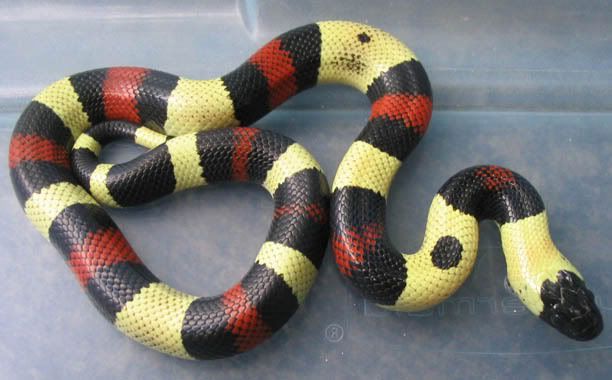
i have a pueblan milksnake. he is nocturnal and likes his tank dry. most of the time. i've been noticing though that when it rains, or even just thunders, during the day, he'll come out from under his log and stretch himself out and up across the top of his tank. it's like he's waiting on the rain. i oblige him and spritz a little light 'rainfall' around his tank. he'll move all around, licking the water off the screen top and tank sides, then he'll curl around the top of his log and just camp out until the outside rain stops. after that he crawls back under his log.

has anyone else noticed this?

i took pictures, and i apologize for their quality. in the first one, the flash reflected off the water drops.

i wasn't able to get any of him stretched out waiting on the 'rain', but here's him drinking it right after.

here's him curling around his stump.


-----
1.0 Pueblan Milksnake (Urulokë)
0.1 Hypo Brooks Kingsnake (Mumuna)
1.1 Leopard Geckos (Leppy and Leo)
2.2 Random House Cats (Jack, Tonka, Violet, Duchess)
1.3 Mice (Daddy Mouse, Fat Back, Honey Bear, Mrs. Frisby)
0.2 Sticky Children
1.0 Patient Husband

Replies (9)

wccs2001 Oct 20, 2010 11:36 AM

my brooksi doesn't do this.
-----
1.0 Pueblan Milksnake (Urulokë)
0.1 Hypo Brooks Kingsnake (Mumuna)
1.1 Leopard Geckos (Leppy and Leo)
2.2 Random House Cats (Jack, Tonka, Violet, Duchess)
1.3 Mice (Daddy Mouse, Fat Back, Honey Bear, Mrs. Frisby)
0.2 Sticky Children
1.0 Patient Husband

KevinM Oct 20, 2010 01:01 PM

Its not unusual for snakes, and other animals as well, to have behaviour patterns associated with weather patterns. They definitely sense the changes in air moisture, pressure, temps much better than we can. Some snake species utilize these weather changes as indicators for breeding, brumation, etc., mor than others. I believe Pueblans come from more arid areas than brooks kings. Maybe its just taking advantage of a good opportunity to hydrate like it would in nature? The brooks king from a more moist area of the world my be thinking "oh well, another rainy day", and not have the need to respond. I have read and heard of many breeders who spray their snakes to stimulate rain to get them breeding, or see more breeding activitity when storms come through their area. Something with the pressure changes induces the breeding activitity during the breeding season.

DMong Oct 20, 2010 09:32 PM

Yeah Kevin, ...lots of activity happens with certain types of snakes when low pressure systems move in. Hubbs documented TONS of active snake herping when it was particularly cloudy and windy in association with low pressure over a long period of many years. Also with no full moon, as this might have made snakes on the move more visible for predation.

It has also been well documented and theorized that Boa Constrictors tend to have their live young on periods of rain and low pressure events. It is thought that the rain might help wash away the birth fluids and hide the scent from predators better this way.

~Doug
-----
"a snake in the grass is a GOOD thing"

my website -serpentinespecialties.webs.com

arkanis Oct 21, 2010 01:45 AM

that is very interesting to read... thanks for that

rtdunham Oct 22, 2010 06:39 PM

>>Its not unusual for snakes, and other animals as well, to have behaviour patterns associated with weather patterns. ...Some snake species utilize these weather changes as indicators for breeding, brumation, etc., mor than others.

I knew Australian grassfinches' breeding starts after rains: the logic is they've evolved to breed on that schedule because the rains prompt grasses to seed, which are then available to feed the young. In a dry year many won't breed at all. And if there are unseasonal rains many young breed before they've moulted into the adult plumage, so the rain stimulus is a powerful thing.

But what's an observation without a hypothesis? I couldn't figure out how that would relate to snakes' breeding cycles. Then i realized that rodent populations would increase with the increase in grains, too. Maybe that's why some snake species' breeding behavior can be encouraged by misting.

DMong Oct 22, 2010 10:49 PM

Good observations and theory Terry!.....that is very likely to be the case. Also, even the standing water itself would harbor a plethora of new young prey items for the young snakes to feed upon. Tadpoles, frogs, other animals coming to drink it, etc..

~Doug
-----
"a snake in the grass is a GOOD thing"

my website -serpentinespecialties.webs.com

amazondoc Oct 20, 2010 12:40 PM

Interesting observation!
-----
----

1.2 Peruvian rainbow boas (Amaru, Asiru, Kulipsa)
2.0 Brazilian rainbow boas (Arco, Olho)
1.3.1 Honduran milksnakes (Chicchan, Chanir, Chakar, Hari, Saksak)
1.0 Thayeri kingsnake (Coatl)
0.0.1 Mexican black kingsnake (Mora)
2.4.4 corns (Cetto, Tolosa, Uce, TBA)
1,000,000.1,000,000 other critters

tspuckler Oct 20, 2010 03:37 PM

One of the keys to sucessful roadhunting (driving little-used roads at night during warm weather in search of snakes) is to go when there's a drop in barometric pressure. This usually occurs before an impending storm and causes snakes to become more active, thereby increasing the success rate of roadhunting. So my guess is that your snake's behavior may be related to it sensing a drop in barometric pressure.

Tim
Third Eye
Third Eye

jeff schofield Oct 20, 2010 08:59 PM

Most milks live in areas of sandy soil, this doesnt hold water and they rely on dew for most water intake. Most kings prefer to be around areas with standing water, and they eat all critters and around marsh/swamp habitats.

Site Tools