It seems to me there are two issues here.
1) How to manage risks of cannibalism in housing kings together
2) Increased breeding response, as dave reports above, if pairs are "bonded" and housed together. (DISCUSSED IN NEXT POST)
The first issue seems pretty simple: Rainer and others say they've housed pairs together starting when they are juveniles, and have not had one animal eat the other. Plenty of others report (and I've experienced) acts of cannibalism from lampropeltis pairs in breeding setups, when the pairs were not together since an early age.
Can't both be true? I don't see enough "content" on the "bonding" issue to warrant a book: Rainer & others have summed it up thoroughly, it seems, in pretty brief posts.
The disadvantage of it is that it only works if you keep the pair together. If you house a and b together from their youth, and c and d together from their youth, i've not seen it argued that putting a and c or b and d together as adults will be any safer than if they'd not been bonded with other mates from an early age.
And if THAT is the case, then bonding holds much less promise for today's breeders, who might not even suspect what genotype they'll want to breed a hatchling to when it matures, compared to one or two decades ago when a breeder knew his hatchling florida king would eventually be bred to a florida king so its mate could be chosen early on. We read often here of breeders who learn what a snake's het for from trial breedings, leading to insights for subsequent breedings to different mates for strategic reasons. To the extent that's pretty common these days, it renders bonding immaterial.
But for locality breeders, for ex, IF it works, why shouldn't some breeders experiment more? (Reports of one or a couple breeders here is strictly anecdotal, no matter how trusted those breeders are: their reports are the stimuli to greater testing, before the practice is proven.)
PLS SEE PART 2, below




 ... could get lorenzo lamas as the star(rainer), and a fine hottie MILF like stevie nicks as the mod.(cindy)... daveB you could totally be portraid by that guy brian cranston from the new breaking bad show on amc you just need to comeon back home and get some kings!!! come on its gotta be killin you!...
  ... you know jeffB would have to be played by deniro, or pacino, marlon brando coulda NAILED it!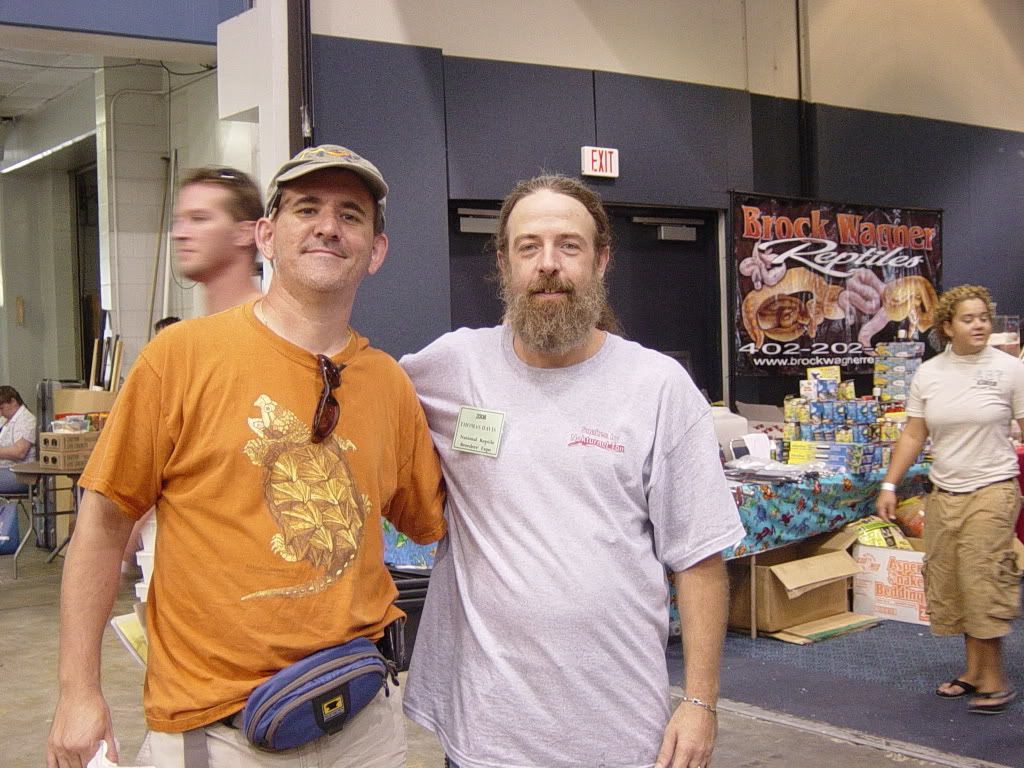


 thomas