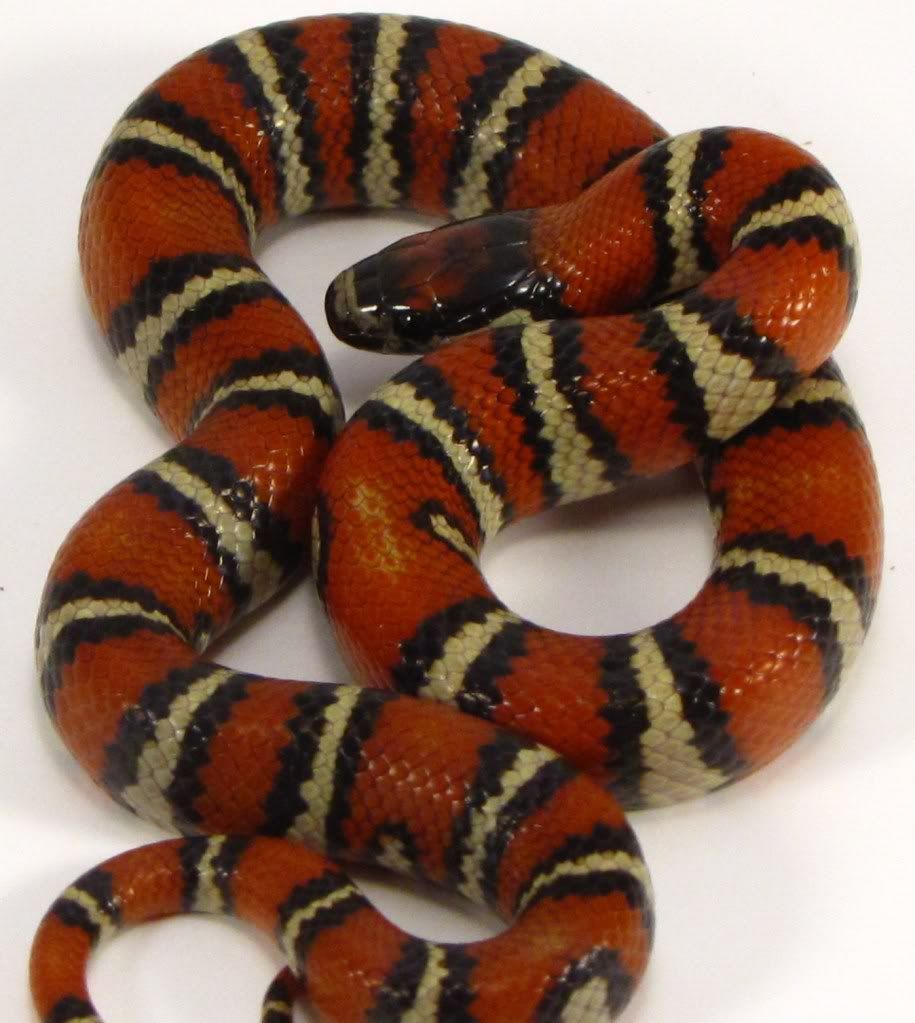
Ive been having my andean milk for about 2-3 months now. She's pretty and awesome. I see all the diff types of hondos and other breeds of milks with a bunch of morphs on here and was just curious if andeans had any morphs too? i don't think they do but who knows. Just curious...i would post pics but i can't figure out how to resize them and its getting on my nerves. And does anyone have expierecne and pics they wanna share? cause not too many ppl post about them on here. thanks
Reptile & Amphibian Forums
Welcome to kingsnake.com's message board system. Here you may share and discuss information with others about your favorite reptile and amphibian related topics such as care and feeding, caging requirements, permits and licenses, and more. Launched in 1997, the kingsnake.com message board system is one of the oldest and largest systems on the internet.


Andean Milks?
adamjames86
Mar 23, 2012 04:34 PM
Replies (11)
KcTrader
Mar 23, 2012 04:47 PM
There is one morph that I am aware of and that is "Inca". Basically it is a pattern mutation where the white/yellow bands do not cross the dorsal area of the snake. From what I have gathered it is a recessive mutation. I think there is a het in the classified section a while ago.
If you upload your pics to photobucket.com you can resize them there or mine are automatically resized when using the image code( [img]) from the drop down.
-----
gerryg
Mar 25, 2012 10:17 AM
A couple of years ago I was looking into Andeans and of course while googling them ran across pictures of the "Inca phase". Since that time I've only seen the same two images of the same two snakes... having just tried to look for those pictures I can now only find a single photo of a single individual... everything else is just photos of normal looking Andeans said to be xxx% het for Inca
While it's a great looking snake I can't help but wonder if it's little more than an aberrant pattern rather like the two "striped" BM's I have or the really great striped one my son has... so with my limited understanding of reptile genetics my question is this... can any snake exhibiting an aberrant pattern be breed and the resulting offspring, even though they look normal, claimed to be het for whatever? Is it just some marketing ploy? Get a few more bucks because mom or dad looked odd and you might get some of those oddball ones to if you just buy my snakes.
I'm just asking in reference to the "Inca" Andeans here... would seem to me if it was more than just an aberrant pattern more of them would be around given they've been around awhile... earliest reference I can find on them was in 2000.
Apologies in advance to anyone that takes offense to my doubts about het issues, none was meant. I'm only questioning the Inca Phase Andeans.
Gerry
KcTrader
Mar 25, 2012 07:36 PM
"can any snake exhibiting an aberrant pattern be breed and the resulting offspring, even though they look normal, claimed to be het for whatever? Is it just some marketing ploy? Get a few more bucks because mom or dad looked odd and you might get some of those oddball ones to if you just buy my snakes.
Anyone can claim anything they want breeding can only prove the unknown. In L.ruthveni there is an aberrant gene. It works in very strange ways though and no one can really put a finger on it. It does have super form which would make people think it is co-dominate but it really isn't. Here's some breeding I have done with this striped line of Amealco ruthveni.
Here are a sire a dame and the offspring of the first year. Ryan Hoyer of ophidarium.com had these for the first breeding.
Female
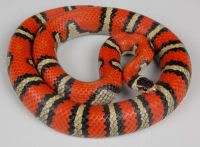
Courtesy of Ryan Hoyer
Male
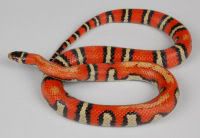
Courtesy of Ryan Hoyer
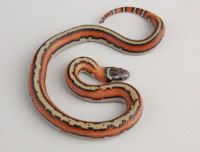
Here's some of the offspring that were produced by these partially striped adults.Notice the first one is what we consider the super form or super stripe. The second is considered a stripe animal and the last one is just an aberrant. So even though both parrents are aberrant it does not necessarily mean that any animal will come out any certain way. The gene is genetic it just isn't a true recessive nor even a true co-dom.
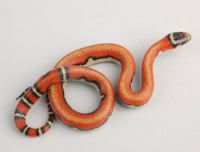
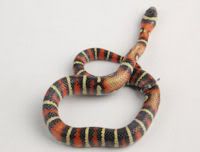
Last year this pair produced 3 animals for me. One striped, and two aberrant. No super form at all. (Well with only 3 eggs the percentages just aren't there either)Here's 2 of them.
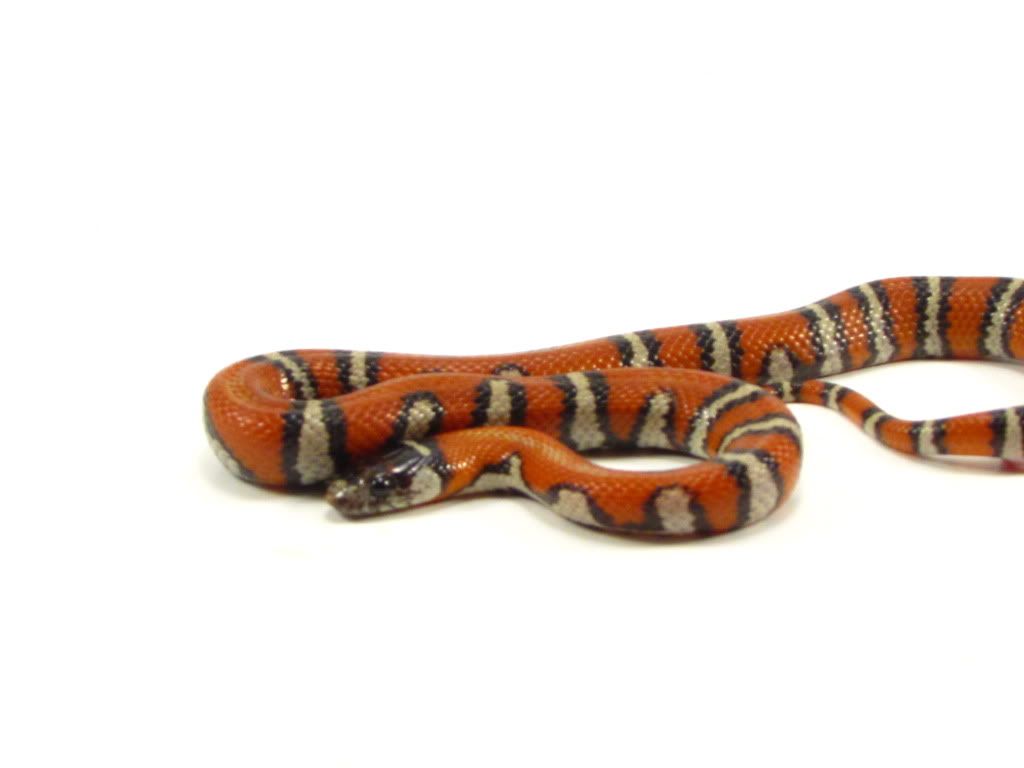
Continued.....
-----
KcTrader
Mar 25, 2012 07:42 PM
Continued....
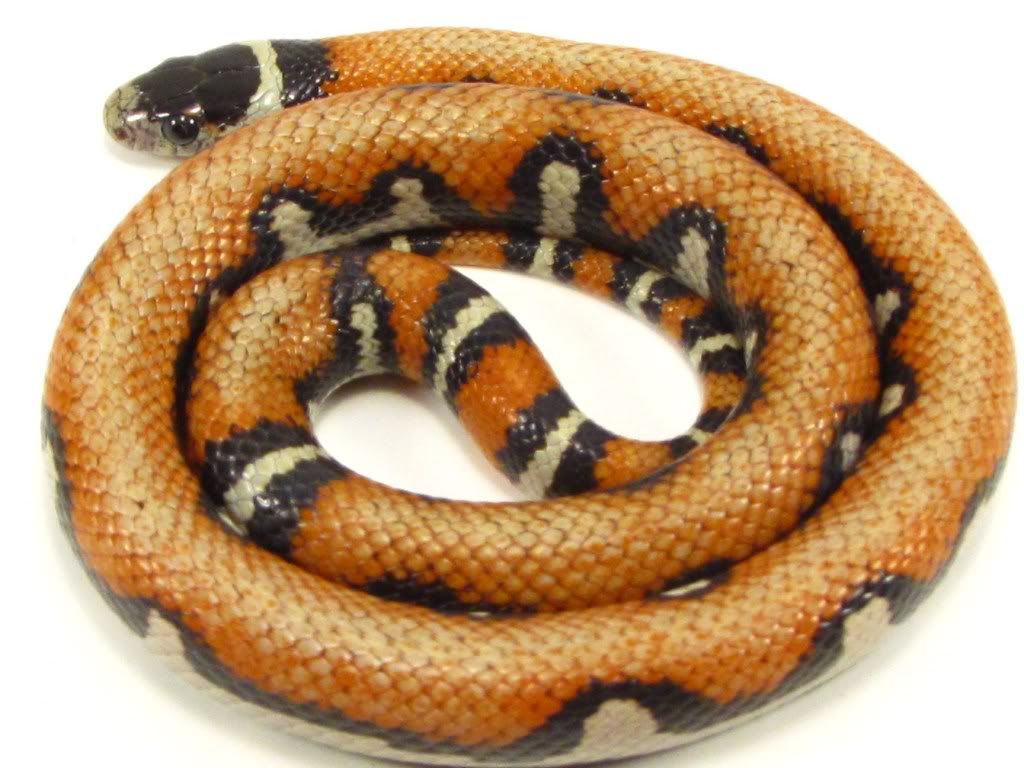
Here is another pair of striped line adults that produced for me last year.Notice in this pairing the male is quite aberrant and the female only has a small aberrant band, but she is from the stripe line of animals. Is she het? No but she maybe a carrier.
Male
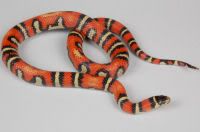
Courtesy of Ryan Hoyer
Female
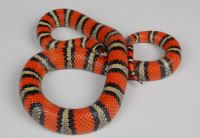
Courtesy of Ryan Hoyer
Here's there offspring. She laid 9 animals one being partially striped 2 having maybe 10% aberrant pattern and 6 showing very small aberrant pattern.(Just a few pics)
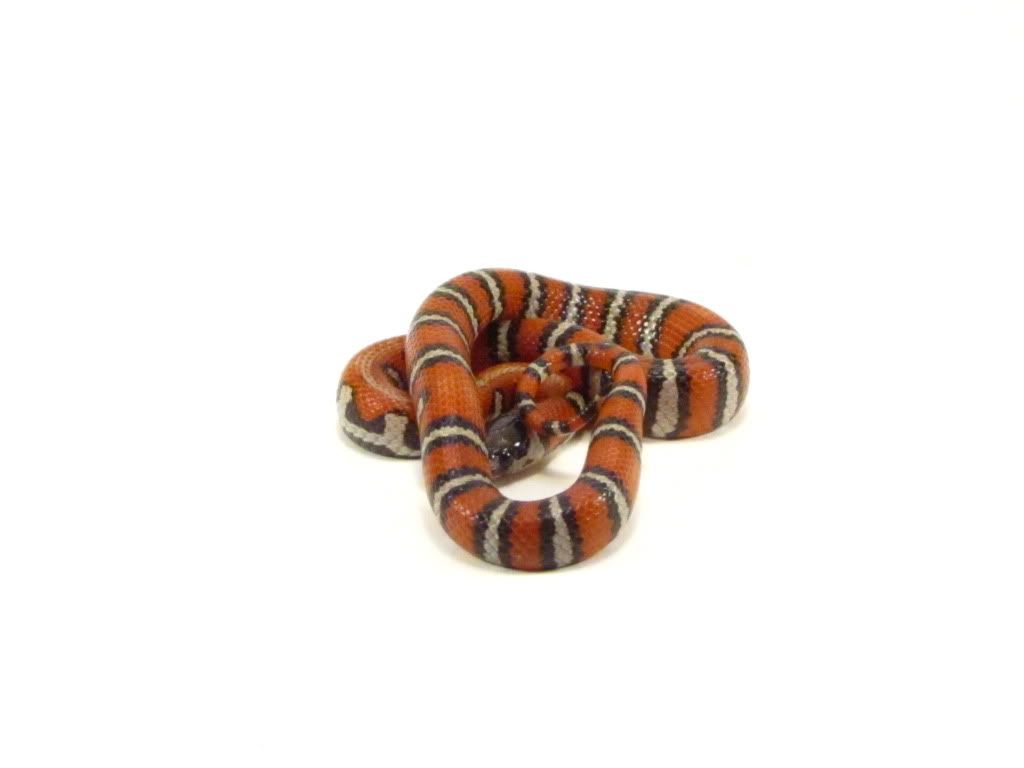
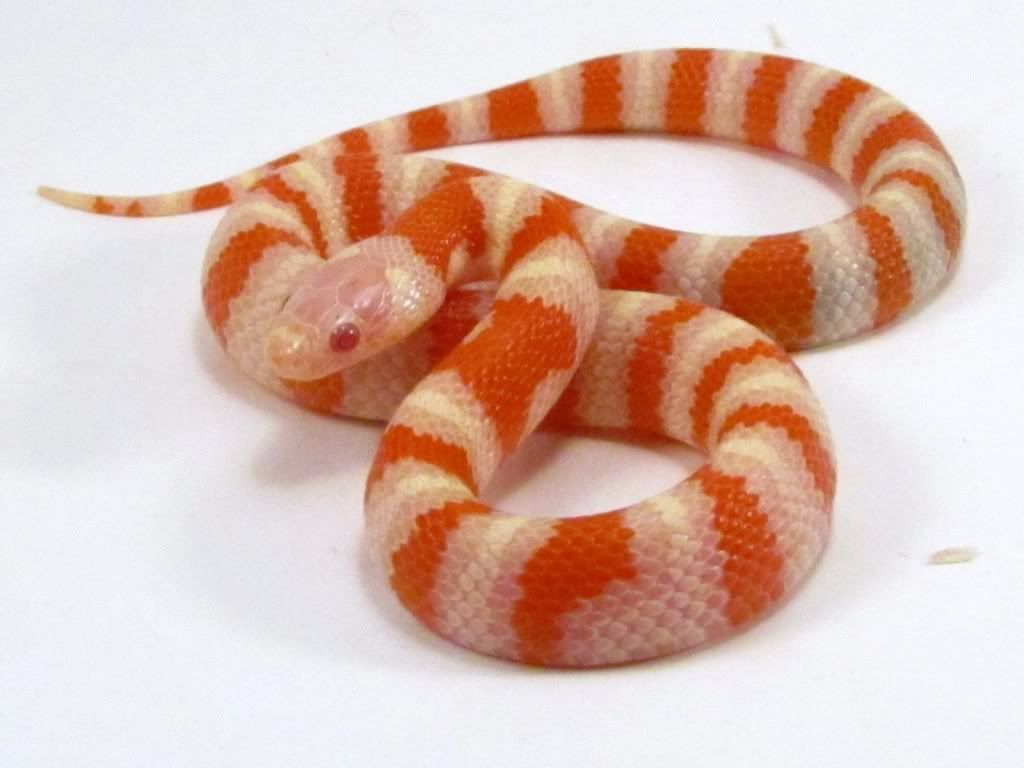
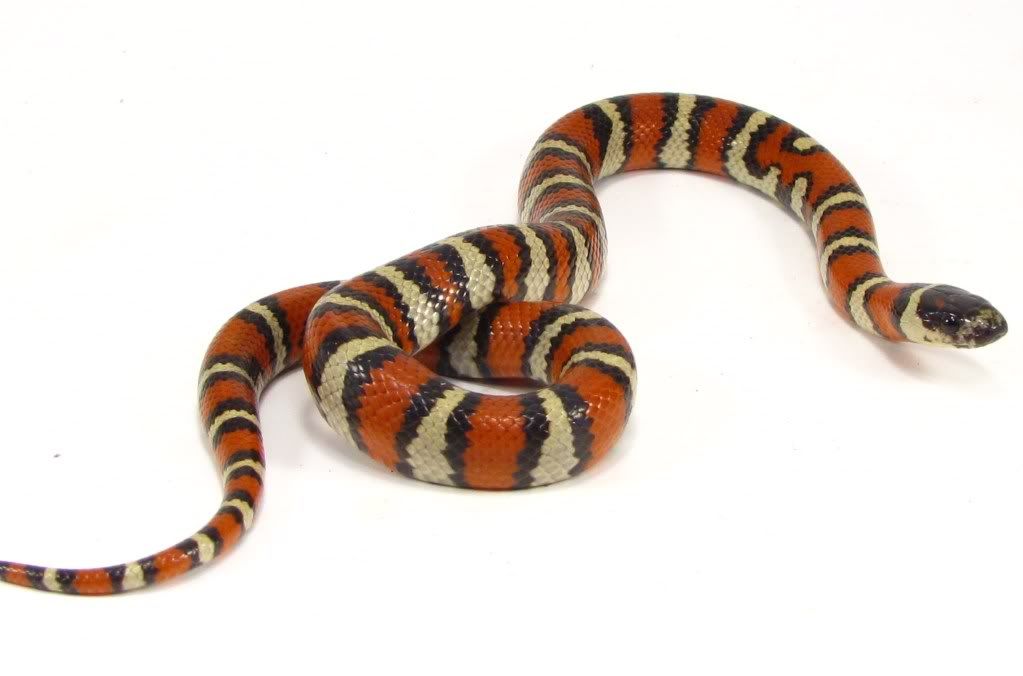
As you can see both parents were proven to be het amel. I wouldn't consider any of these het stripe or even het aberrant. They are however from an aberrant/stripe line and could produce some aberrant/striped animals.
I know you were asking about the "Inca" phase, and I personally have no experience with it and from what I remember is it was a recessive trait as I stated before. I hope someone will chime in to clear things up. This striping or aberrant pattern in tricolors doesn't seem to work like the striping in corns. Annulata has a striping line that was started be Renegade Reptiles, it also has a spotted line that seems to work the same way as the this, both unpredictable.(knoblochi, alterna, mexmex, Tapalpa ruthveni these all have aberrant/striped genes too,)
I really think if we line bred generations we can make it a little more predictable.
continued....
-----
KcTrader
Mar 25, 2012 07:45 PM
From what I understand, if it doesn't start off as a recessive it will not end up as a recessive trait. (Correct me if I am wrong? Doug?)
Hopefully this gives you an idea of how some striped/aberrant lines work in the hobby, but yet I know you are not any closer to the clarification of "Inca". I think Robert Seib proved that "Inca" gene out. He is really the only person that I can think of that really worked with andesiana and the "Inca" gene.
-----
gerryg
Mar 26, 2012 04:17 AM
Thanks Jimmy, perhaps it's best to satisfy my curiosity by asking Mr. Seib himself.
I've never really been interested in having Andeans, odd since I have a taste for the large, heavily tipped milks... another "perhaps someday" 
Gerry
DMong
Mar 26, 2012 11:07 PM
That is very true Jimmy, if a trait doesn't have a true recessive mode of inheritance right out of the gate, it can't be a recessive trait later on down the line unless something CHANGES along the way into a true recessive gene. In which case, it could give the false impression of it being that way prior..LOL!
I really don't know any more about the "incas" line gene than what has already been mentioned. And I do know they are variable in their patterning from individual to individual.
Very cool snakes everyone!!!..
~Doug
-----
"a snake in the grass is a GOOD thing"

serpentinespecialties.webs.com

"some are just born to troll and roll"
Nir
Mar 27, 2012 01:11 PM
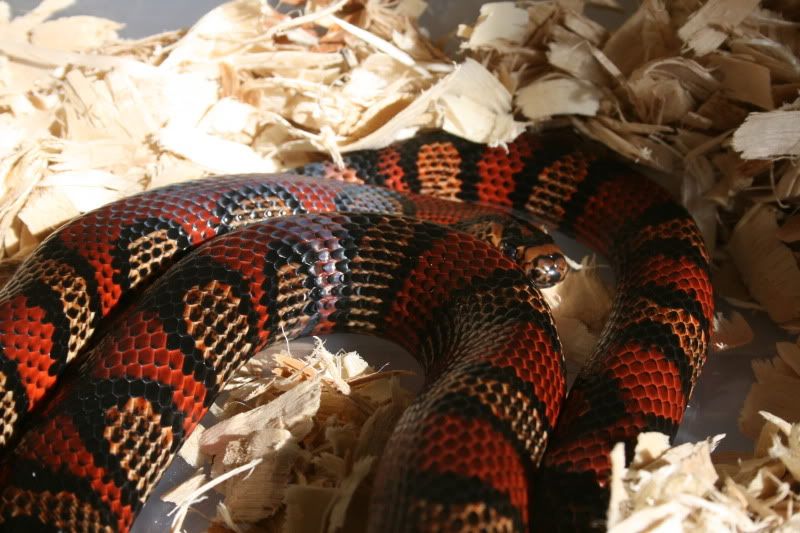
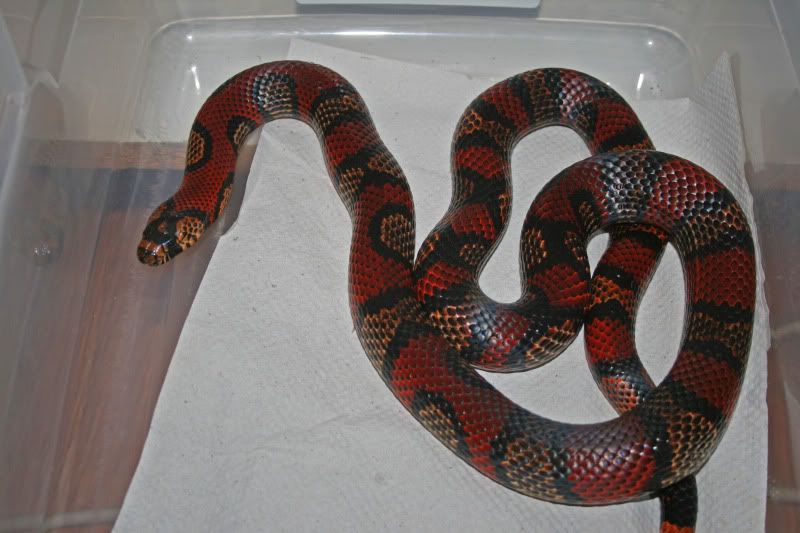
Here is an Andesiana Inca (female) and het-inca (male) pair that should make some nice babies this year.
Female
Male
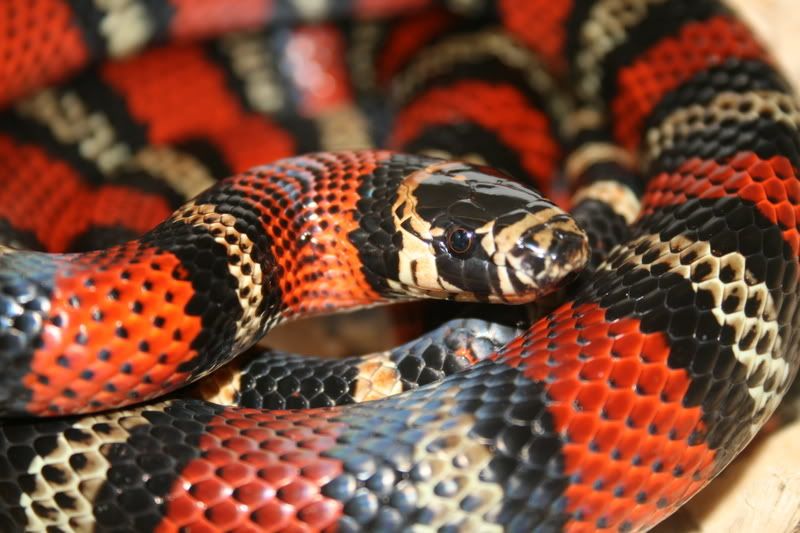
They are both from HomeGrownHerps...
I should no this season how this Inca phase works... But based on Mr. Seib observations, it is recessive.
-----
Nicholas Bertrand
Nir
Mar 27, 2012 01:33 PM
I checked, and these snakes are not from HomeGrownHerps but from Gary Liesen.
-----
Nicholas Bertrand
gerryg
Mar 27, 2012 03:34 PM
Very nice Nicholas... like those matching arches on her head/neck.
Hope you take the time to post pictures of what hatches out, I'd be interested in seeing.
Gerry
adamjames86
Mar 27, 2012 04:52 PM
thanks for the pics. these snakes are so nice looking. it boggles me how not many ppl like them.
