As BR mentioned, two snakes in a cage is not bonding, Its what those two or more animals do that leads towards using the word bond, or bonding. Its what the snakes do, not what you do to them. Putting/locking them in the same cage is YOU. Its not about them.
Also, if you understand behavior, the animals that have been kept for years in a solitary situation are not good candidates for learning what BONDING IS or can be.
Its sad to me to think some here think they can learn something just by adding a few conditions and two snakes in a cage. I am sorry, but that is not going to help.
In a nutshell, bonding is when one or more animals choose to be with, attend, follow, touch, copulate with, and not harm, another individual or individuals. They either stay in attendance or return to the same other individuals year after year.
With breeding pairs, it can also include attending, guarding, and helping with nesting. This "bonding" occurs with many snake species and many lizard species.
There are many degrees of bonding, from the simple co-habitation(not eating eachother), to always in physical contact, following the mate at all times, attending and helping with nesting, protecting mates and nests, and more.
How I investigated and developed bonding in a captive setting. It started by seeing pairs and groups in nature, Together year after year, including many types of kings and including getula. AT the time, I was like you, I often experienced cannibilism when introducing captives(over 40 years ago)
You need to consider, I spend decades watching wild snakes of many species, often taking ten year periods per species. I was unique in that I was one of the first to specialize in captive types, that is keeping a large working collection of one species. And I was unique in that I would observe wild reptiles without touching them.
This afforded me the unique oppertunity of discovery.
I think many here confuse what science is. They think its about answers, that seems to be the popular understanding even amoung naive biologist, to make answers. While I was taught science was about asking questions, and that answers were always temporary.
Its the questions that are important, no so much the answers.
Then you take behavior, where there are many answers to one question, and all answers are fluid and run into the next behavior or answer. well that drives biologist nuts. So they learned to dismiss behavior and stick to biology(parts).
The age old war of what leads adaption. Does behavior lead to adaptions, or does adaption lead to behavior. Got me. Not important in this context.
The behavior of bonding is indeed fluid and has many degrees. Its influenced by each animals EXPERINCE. What they do and what has been done to them, leads to what they will do. They are not postage stamps or trading cards. In short, they always repell and or attract all things in their lives. how that is done is behavior.
The biggest problem here is, many confuse physical support with behavioral support. You also seem very confused about choices, You keep thinking that what you want is a choice they should make. So you give them things you think they should choose, that again is not choices. Its your choices.
a simple example is temp choices. Most here give them the same exact choices they kept them at in shoe boxes. And then call that a choice. I have stated here many times, to offer choices in temps, you are REQUIRED to offer choices below what they use and above what they use, in a way they understand how to use. I have mentioned, everyplace I have ever been that had reptiles, had temps above and below what they use. Their ability to CHOOSE, is based on that. Not living in the exact temps they are suppose to use.
Also, I can go on and on and usually do, whenever that happens, points are lost.
To rehash, behavior is seperate from physical support, you are required to have physical support, to allow behavioral support. And yes, they are intertwined, but why confuse this more then needed.
Also the problem here is, there are too many of you, all with different prejudices and wants and needs. All have something different you want addressed. which is fine, but one thing all of you NEED to do, and that is learn about behavior.
The closest model for reptile bonding is indeed birds. As with birds, there is many kinds of bonding, from bonding for life to bonding to flocks, to pairs within flocks, to seasonal bonding. Etc. An example is our Whitewinged doves here, the males are very territorial and return to the same nesting area, year after year, and intice a female for a season, only to find/call in, a new female each year.
So we have species specific, population specific, local specific and individual specific bonding with our snakes.
With snakes, all populations I have watched have a varying percentage of bonded resident pairs and groups, and also have individual solitary transient individuals as well. It appears their reproductive stradgy is complicated and varied.
You ask, why would they do that. With reptiles, they have a strong tendency to repeat successful events. Staying with the same mate, laying in the same place and repeating it as long as possible appears to be more reliable then finding a new mate, new nesting area, year after year.
Another problem is, the base concept of reptile reproduction is weak. to little is known. So we make up stuff and think its real. Sorry, but thats true.
As science is just now understanding that snake populations are indeed socially complicated, our understanding is really going to change quickly.
One study taking place as we speak, is using time lapse cameras on Az. Black rattlesnakes. They have discovered groups within groups. That is, in one specific den, there are three distint groups that rarely socialize the others. They have a site, but I forget what its called.
And yes, I too am using time lapse cameras on our field work. Its very revealing. Cheers
As BR mentioned, two snakes in a cage is not bonding, Its what those two or more animals do that leads towards using the word bond, or bonding. Its what the snakes do, not what you do to them. Putting/locking them in the same cage is YOU. Its not about them.
Also, if you understand behavior, the animals that have been kept for years in a solitary situation are not good candidates for learning what BONDING IS or can be.
Its sad to me to think some here think they can learn something just by adding a few conditions and two snakes in a cage. I am sorry, but that is not going to help.
In a nutshell, bonding is when one or more animals choose to be with, attend, follow, touch, copulate with, and not harm, another individual or individuals. They either stay in attendance or return to the same other individuals year after year.
With breeding pairs, it can also include attending, guarding, and helping with nesting. This "bonding" occurs with many snake species and many lizard species.
There are many degrees of bonding, from the simple co-habitation(not eating eachother), to always in physical contact, following the mate at all times, attending and helping with nesting, protecting mates and nests, and more.
How I investigated and developed bonding in a captive setting. It started by seeing pairs and groups in nature, Together year after year, including many types of kings and including getula. AT the time, I was like you, I often experienced cannibilism when introducing captives(over 40 years ago)
You need to consider, I spend decades watching wild snakes of many species, often taking ten year periods per species. I was unique in that I was one of the first to specialize in captive types, that is keeping a large working collection of one species. And I was unique in that I would observe wild reptiles without touching them.
This afforded me the unique oppertunity of discovery.
I think many here confuse what science is. They think its about answers, that seems to be the popular understanding even amoung naive biologist, to make answers. While I was taught science was about asking questions, and that answers were always temporary.
Its the questions that are important, no so much the answers.
Then you take behavior, where there are many answers to one question, and all answers are fluid and run into the next behavior or answer. well that drives biologist nuts. So they learned to dismiss behavior and stick to biology(parts).
The age old war of what leads adaption. Does behavior lead to adaptions, or does adaption lead to behavior. Got me. Not important in this context.
The behavior of bonding is indeed fluid and has many degrees. Its influenced by each animals EXPERINCE. What they do and what has been done to them, leads to what they will do. They are not postage stamps or trading cards. In short, they always repell and or attract all things in their lives. how that is done is behavior.
The biggest problem here is, many confuse physical support with behavioral support. You also seem very confused about choices, You keep thinking that what you want is a choice they should make. So you give them things you think they should choose, that again is not choices. Its your choices.
a simple example is temp choices. Most here give them the same exact choices they kept them at in shoe boxes. And then call that a choice. I have stated here many times, to offer choices in temps, you are REQUIRED to offer choices below what they use and above what they use, in a way they understand how to use. I have mentioned, everyplace I have ever been that had reptiles, had temps above and below what they use. Their ability to CHOOSE, is based on that. Not living in the exact temps they are suppose to use.
Also, I can go on and on and usually do, whenever that happens, points are lost.
To rehash, behavior is seperate from physical support, you are required to have physical support, to allow behavioral support. And yes, they are intertwined, but why confuse this more then needed.
Also the problem here is, there are too many of you, all with different prejudices and wants and needs. All have something different you want addressed. which is fine, but one thing all of you NEED to do, and that is learn about behavior.
The closest model for reptile bonding is indeed birds. As with birds, there is many kinds of bonding, from bonding for life to bonding to flocks, to pairs within flocks, to seasonal bonding. Etc. An example is our Whitewinged doves here, the males are very territorial and return to the same nesting area, year after year, and intice a female for a season, only to find/call in, a new female each year.
So we have species specific, population specific, local specific and individual specific bonding with our snakes.
With snakes, all populations I have watched have a varying percentage of bonded resident pairs and groups, and also have individual solitary transient individuals as well. It appears their reproductive stradgy is complicated and varied.
You ask, why would they do that. With reptiles, they have a strong tendency to repeat successful events. Staying with the same mate, laying in the same place and repeating it as long as possible appears to be more reliable then finding a new mate, new nesting area, year after year.
Another problem is, the base concept of reptile reproduction is weak. to little is known. So we make up stuff and think its real. Sorry, but thats true.
As science is just now understanding that snake populations are indeed socially complicated, our understanding is really going to change quickly.
One study taking place as we speak, is using time lapse cameras on Az. Black rattlesnakes. They have discovered groups within groups. That is, in one specific den, there are three distint groups that rarely socialize the others. They have a site, but I forget what its called.
And yes, I too am using time lapse cameras on our field work. Its very revealing. Cheers
As BR mentioned, two snakes in a cage is not bonding, Its what those two or more animals do that leads towards using the word bond, or bonding. Its what the snakes do, not what you do to them. Putting/locking them in the same cage is YOU. Its not about them.
Also, if you understand behavior, the animals that have been kept for years in a solitary situation are not good candidates for learning what BONDING IS or can be.
Its sad to me to think some here think they can learn something just by adding a few conditions and two snakes in a cage. I am sorry, but that is not going to help.
In a nutshell, bonding is when one or more animals choose to be with, attend, follow, touch, copulate with, and not harm, another individual or individuals. They either stay in attendance or return to the same other individuals year after year.
With breeding pairs, it can also include attending, guarding, and helping with nesting. This "bonding" occurs with many snake species and many lizard species.
There are many degrees of bonding, from the simple co-habitation(not eating eachother), to always in physical contact, following the mate at all times, attending and helping with nesting, protecting mates and nests, and more.
How I investigated and developed bonding in a captive setting. It started by seeing pairs and groups in nature, Together year after year, including many types of kings and including getula. AT the time, I was like you, I often experienced cannibilism when introducing captives(over 40 years ago)
You need to consider, I spend decades watching wild snakes of many species, often taking ten year periods per species. I was unique in that I was one of the first to specialize in captive types, that is keeping a large working collection of one species. And I was unique in that I would observe wild reptiles without touching them.
This afforded me the unique oppertunity of discovery.
I think many here confuse what science is. They think its about answers, that seems to be the popular understanding even amoung naive biologist, to make answers. While I was taught science was about asking questions, and that answers were always temporary.
Its the questions that are important, no so much the answers.
Then you take behavior, where there are many answers to one question, and all answers are fluid and run into the next behavior or answer. well that drives biologist nuts. So they learned to dismiss behavior and stick to biology(parts).
The age old war of what leads adaption. Does behavior lead to adaptions, or does adaption lead to behavior. Got me. Not important in this context.
The behavior of bonding is indeed fluid and has many degrees. Its influenced by each animals EXPERINCE. What they do and what has been done to them, leads to what they will do. They are not postage stamps or trading cards. In short, they always repell and or attract all things in their lives. how that is done is behavior.
The biggest problem here is, many confuse physical support with behavioral support. You also seem very confused about choices, You keep thinking that what you want is a choice they should make. So you give them things you think they should choose, that again is not choices. Its your choices.
a simple example is temp choices. Most here give them the same exact choices they kept them at in shoe boxes. And then call that a choice. I have stated here many times, to offer choices in temps, you are REQUIRED to offer choices below what they use and above what they use, in a way they understand how to use. I have mentioned, everyplace I have ever been that had reptiles, had temps above and below what they use. Their ability to CHOOSE, is based on that. Not living in the exact temps they are suppose to use.
Also, I can go on and on and usually do, whenever that happens, points are lost.
To rehash, behavior is seperate from physical support, you are required to have physical support, to allow behavioral support. And yes, they are intertwined, but why confuse this more then needed.
Also the problem here is, there are too many of you, all with different prejudices and wants and needs. All have something different you want addressed. which is fine, but one thing all of you NEED to do, and that is learn about behavior.
The closest model for reptile bonding is indeed birds. As with birds, there is many kinds of bonding, from bonding for life to bonding to flocks, to pairs within flocks, to seasonal bonding. Etc. An example is our Whitewinged doves here, the males are very territorial and return to the same nesting area, year after year, and intice a female for a season, only to find/call in, a new female each year.
So we have species specific, population specific, local specific and individual specific bonding with our snakes.
With snakes, all populations I have watched have a varying percentage of bonded resident pairs and groups, and also have individual solitary transient individuals as well. It appears their reproductive stradgy is complicated and varied.
You ask, why would they do that. With reptiles, they have a strong tendency to repeat successful events. Staying with the same mate, laying in the same place and repeating it as long as possible appears to be more reliable then finding a new mate, new nesting area, year after year.
Another problem is, the base concept of reptile reproduction is weak. to little is known. So we make up stuff and think its real. Sorry, but thats true.
As science is just now understanding that snake populations are indeed socially complicated, our understanding is really going to change quickly.
One study taking place as we speak, is using time lapse cameras on Az. Black rattlesnakes. They have discovered groups within groups. That is, in one specific den, there are three distint groups that rarely socialize the others. They have a site, but I forget what its called.
And yes, I too am using time lapse cameras on our field work. Its very revealing. Cheers
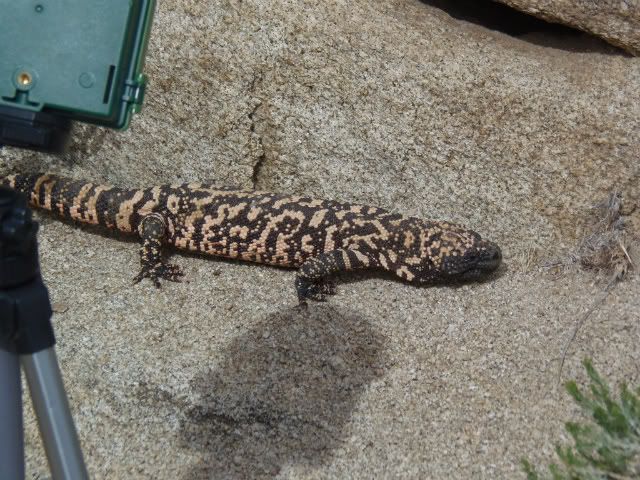
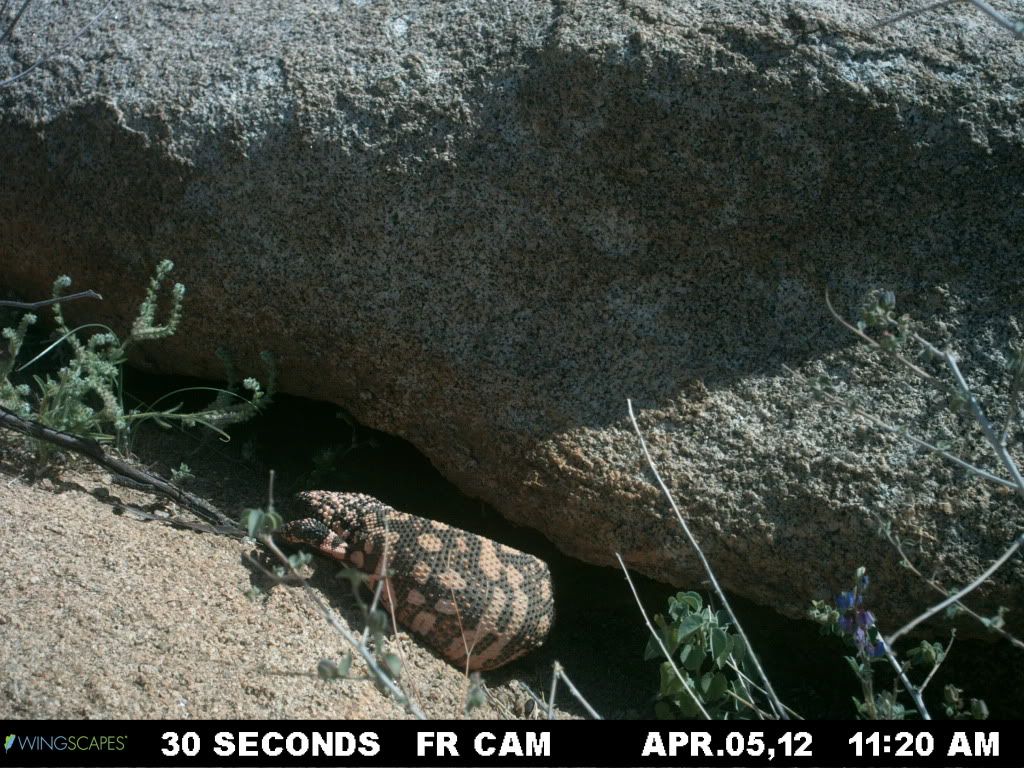

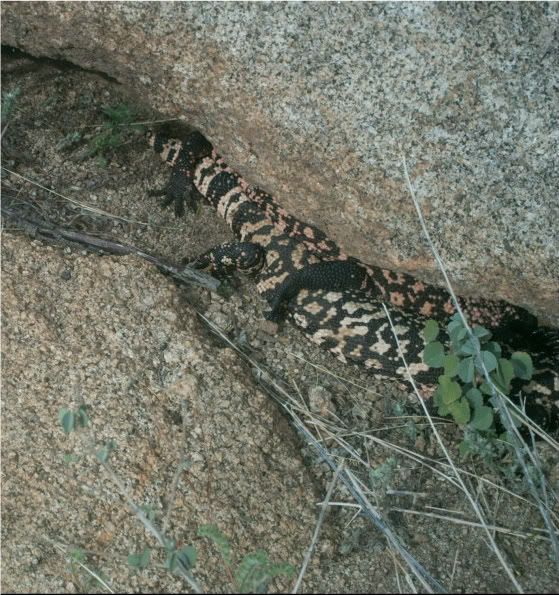
These were all taken with time lapse photography, I have days upon days of this type of stuff. But I do need more experience with these cameras, next year will be great and very revealing.