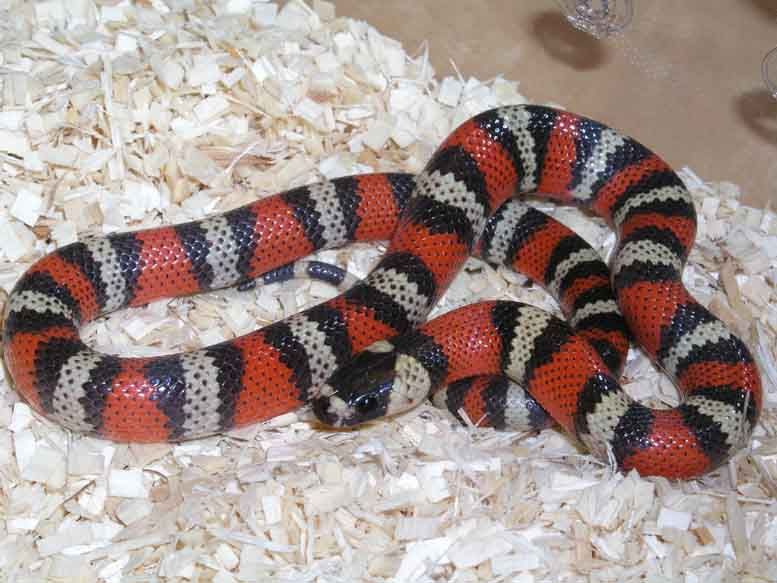
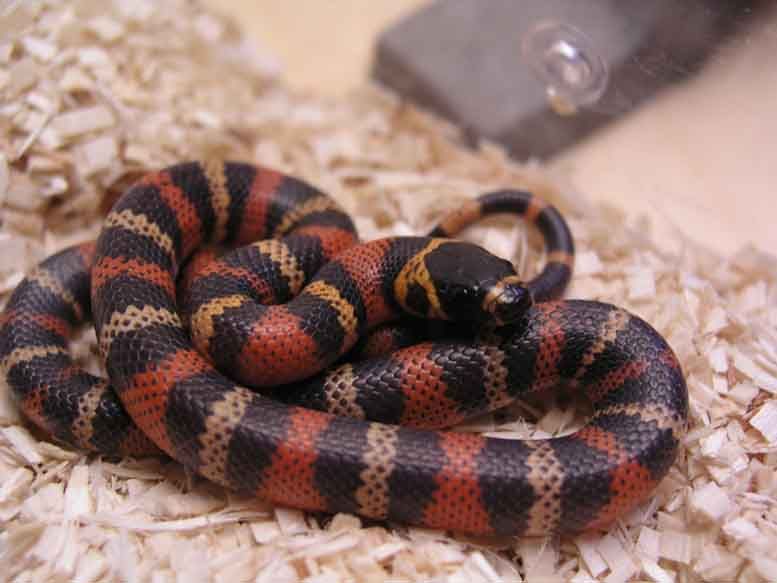
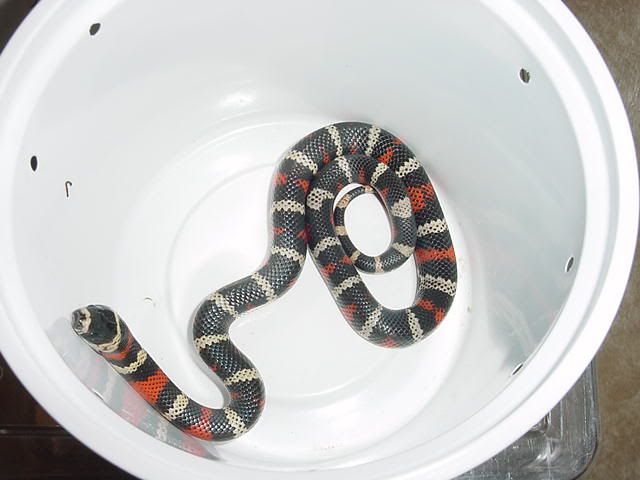
You're very welcome man. Whenever I go to some reptile shows, I always stop by booths that have wild-caught specimens or hatchlings from wild caught adults and I notice that they seem to have a lot of not only predominantly black tippings but also black large markings. I once asked a zookeeper about that (I put some volunteer time at a local zoo regularly) and he said that nature would usually make them darker or more black to "blend in" (camouflage) with the environment. It is consistent with the fact that the faster way of bringing out the recessive genes in any species is controlled breeding (as what we humans do with breeding captive bred snakes). Same as dogs...you cannot find a pure bred Poodle or Golden Retriever in the wild as wild dogs and yet after centuries of dog captive breeding using wild dog genes, we are able to isolate those genes and serve our own purpose (breeding dogs the way we want them to appear).
I personally would tell people whenever I get a chance to avoid wild caught snakes for a number of reasons...one of which is to prevent the depletion of the natural population of the snakes which would have drastic consequences on our ecosysytem, two is the snake has a high probability of carrying parasites, three is you really do not know the genetic background of wild caught snakes, fourth is they tend to be nippy and aggressive even if eventually you can tame them.
While it is great that you got a good monetary deal when you got them, the captive bred "normal looking" hondurans without any het for a recessive genes are better looking for a little more money (but certainly worth it).
Anyhow, thank you for asking my opinion and if you wanna ask me more questions, please feel free to respond to this thread or email me directly.
Have a good one bud!
-----
RAY