are the red phase red as hatchlings? And what is an average going price for non-feeding out-of-the-egg reds vs. feeding out-of-the-egg-reds?
Thanks.
DR
Suboc.com
Welcome to kingsnake.com's message board system. Here you may share and discuss information with others about your favorite reptile and amphibian related topics such as care and feeding, caging requirements, permits and licenses, and more. Launched in 1997, the kingsnake.com message board system is one of the oldest and largest systems on the internet.



are the red phase red as hatchlings? And what is an average going price for non-feeding out-of-the-egg reds vs. feeding out-of-the-egg-reds?
Thanks.
DR
Suboc.com
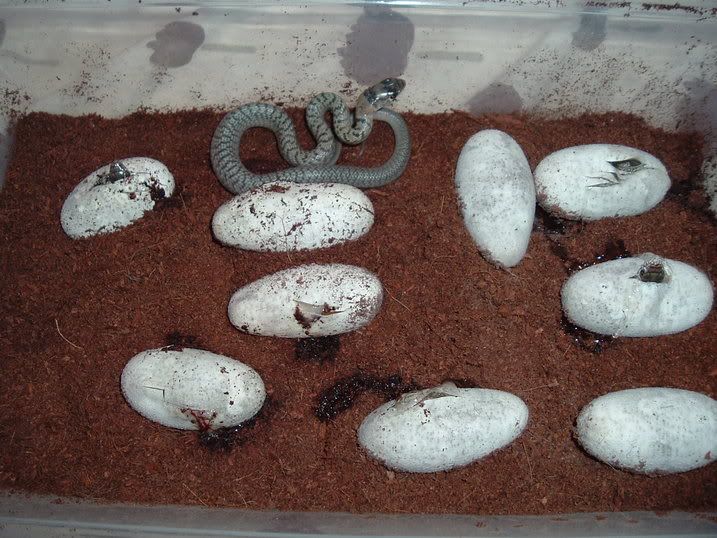
Here is how they look out of the egg. They are one of the few snakes that MUST have supliment to color up nice.
-----
>>Here is how they look out of the egg. They are one of the few snakes that MUST have supliment to color up nice.
>>
>>
>>-----
>>"Life without risk is to merely exist."
The red ones I've seen in the wild obviously weren't supplemented. Just a wild diet of a variety of animals.
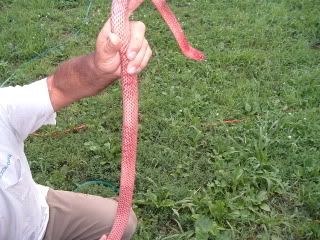
Yes since they are opportunity oriented they have a varied diet. Some wild sources of Carotenoids of which there are 600 contain the color which makes some redder than others. If a youngster has had a first meal of grasshoppers (which contain the same red in their exoskeleton as lobster) red when boiled, might get a jump on the red game likewise switching to lizards that feed on grasshoppers again, source for red. The highest concentration of these Cartenoids are found in first certain insects, secondary hosts are lizards, birds and Bats. Rodents seldom have these carotenoids in great amount. You will find red and pink specimens in populations of otherwise brown specimens. Since I have been raising coachwhip snakes for 12 years now I have noticed (1), wild red specimens fade to a dull pink within two years. (2) when supplemented will turn bright pink or red again. (3) hatchlings with no supplement will not color up well. (4) with supplement will start expressing red as hatchlings once feeding. (5) I have had two year olds that were still brown without supplement. I have been using two nature exact carotenoids not carotene as in carrots but nature exact Carotenoids that mimic an insect diet rich in red color. The interesting thing about Carotenoids is that an animal can manufacture vitamins by using the carotenoids found in it’s flesh and skin. Carotenoids are not vitamins but like beta-carotene your body can use it to make vitamin A. The second benefit is it is used for reproduction. Ever notice how orange a wild egg yoke is? Ever notice how red salmon eggs and flesh are? That is the color of the nature exact Carotenoid and yes increases fertility big time………..Bill
-----
>>...grasshoppers (which contain the same red in their exoskeleton as lobster) red when boiled,...
What about ground-up lobster/crab shells as a food supplement?
Would it make any difference if the shell is cooked or raw?
Do crayfish snakes ever express red/pink/orange?
Fascinating stuff Sighthunter.
John D
-----
I am so not lesdysxic!
0.1 Creamsicle Cornsake "Yolanda"
1.0 Bairds Ratsnake "Steely Dan"
0.1 Desert Kingsnake "FATTY"
0.1 Black Rat "Roberta" RELEASED!!!
Yes, you can use shrimp or lobster shell and feed to mice but it will stink. Day old chicks work OK. A good way to color-um up is to have range chickens that eat bugs. You will notice that their eggs will have have orange yokes once they start to eat bugs. Beat one yoke with equal parts water and inject into dead mice.
-----
>>Yes, you can use shrimp or lobster shell and feed to mice but it will stink. Day old chicks work OK. A good way to color-um up is to have range chickens that eat bugs. You will notice that their eggs will have have orange yokes once they start to eat bugs. Beat one yoke with equal parts water and inject into dead mice.
>>-----
>>"Life without risk is to merely exist."
As if mice wern't stinky enough already...
I have a friend with chickens - the yolks are indeed more orange than store-bought. I'd be willing to bet that fresh coop-raised eggs will have more nutriional content too boot.
Additional question - why not feed whole eggs? Provided the snake will eat them, this seems like a good option.
I wonder if scarlet snakes get redder when fed egg soup?
Seems like you are onto something that could have commercial value- maybe like a powdered supplement?
I nominate "ColorUm-Up" for your trade name.
John DeMelas
-----
I am so not lesdysxic!
0.1 Creamsicle Cornsake "Yolanda"
1.0 Bairds Ratsnake "Steely Dan"
0.1 Desert Kingsnake "FATTY"
0.1 Black Rat "Roberta" RELEASED!!!
The albumen in the egg is a buffer to protect the yoke. The yoke is the part with all the goodies your snake needs. Using water makes the yoke more viscus and easier to inject.
-----
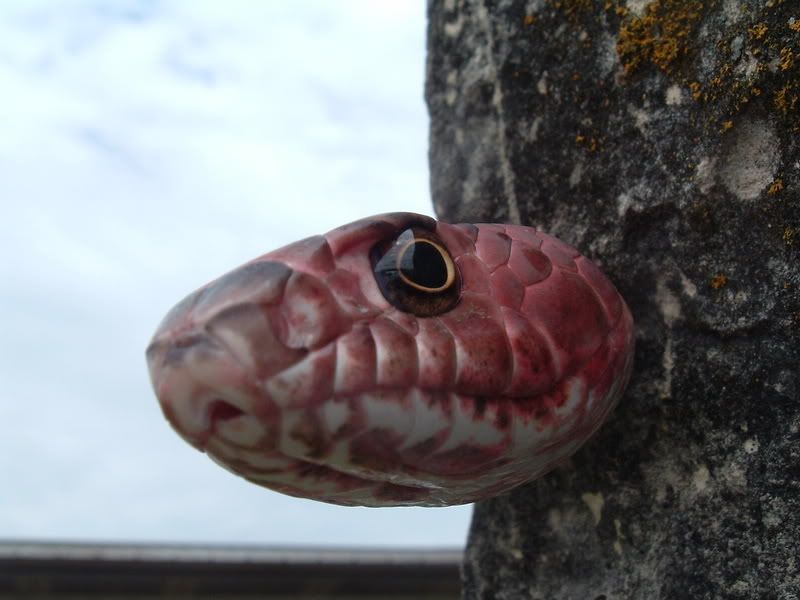
There are over 600 Carotenoids found in nature and about seven to ten that involve transferable color. Of those there are four that are stable in the host. There is one pink-red, one orange red, and two yellow. The natural source for the two red colorants in nature are xxxxxxxxx and xxxxxxxx. The direct source in nature is insects , crustaceans, birds bird chicks and wild bird eggs. These Carotenoids are found in the exoskeleton of these invertebrates hence their red color when boiled, and birds. These pigments are stored in the flesh and Carotin (not to be confused with Carotene) of host animals such as lizards, bats, fish and birds feeding on them. These pigments are responsible for the bright colors in bird feathers, fishes scales and yes reptile scales (Scales are made of Carotin). A diet of domestic mice are void of these essential carotenoids unless supplemented. The poultry and fish industry has to supplement certain Carotenoids to make your egg yokes yellow-orange, chicken flesh yellow and salmon pink. A pink flamingo is white without xxxxxxxx and Salmon flesh is white like trout without xxxxxxxxx. The natural diets that is lacking is the crustations and insects that a captive diet are lacking. In humans xxxxxxxxxx was sold as a no sun tanning oral supplement. Imported and wild caught reptiles often come in with vivid coloration and fade with time. I have seen Yellow-tailed Cribos come in orange yellow and turn almost white as time goes by. I have seen captive hatched yellow-tail Cribos that were almost white turn vivid orange-yellow a mirror image of the nicest import when supplemented. Why? My hunch was the imports were raiding bird nests, hatchlings gut loaded with insects. I have accounts from Barry Kuen who has now caught four screaming orange Trans Pecos Rat-snakes in his 40 or so years of collecting and when asked why he released them his reply was they only fed on lizards. Go figure. Since these Carotenoids are stable once in the host they will be there for years but birds will shed feathers and snakes will shed skin thus diluting effects over time. A captive specimen under stress will convert the Carotenoids in its flesh into vitamins. I wish I could share more information but I am working on this in cooperation with another party and the individual does not want to go public with the specifics hence xxxxxxxx. Not all animals use these for color as not all birds are falmingos. The lower life forms manufacture these pigment-supliments and higher life forms glean them from diet. Red factor canaries do need however a supliment to turn red even with the gene present. I will be able to share more later………….Bill
-----
It all makes perfect sense. Now we just need to get a form of xxxxx that can be dusted onto the standard rodent fare to make our red, orange and yellow animals even brighter!
Billy
You can call me at 620-615-0039 and I can steer you in the right direction. I just cannot make it public yet.
-----
This is easily some of the most fascinating stuff I've ever read. I second that, great stuff, Bill.
Kevin
It has been many years of work and there is quite a bit of data to sift through but I will make information avalable as it comes in. Thank you again.........Bill
-----
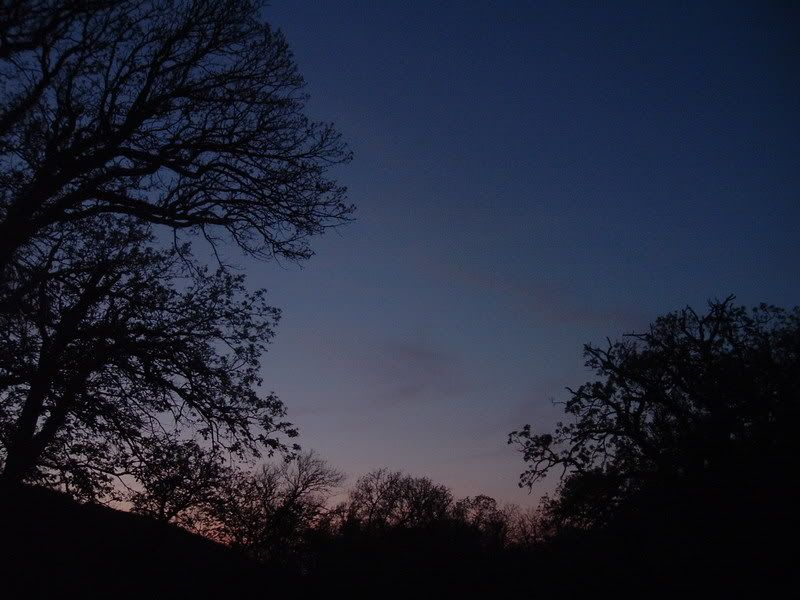
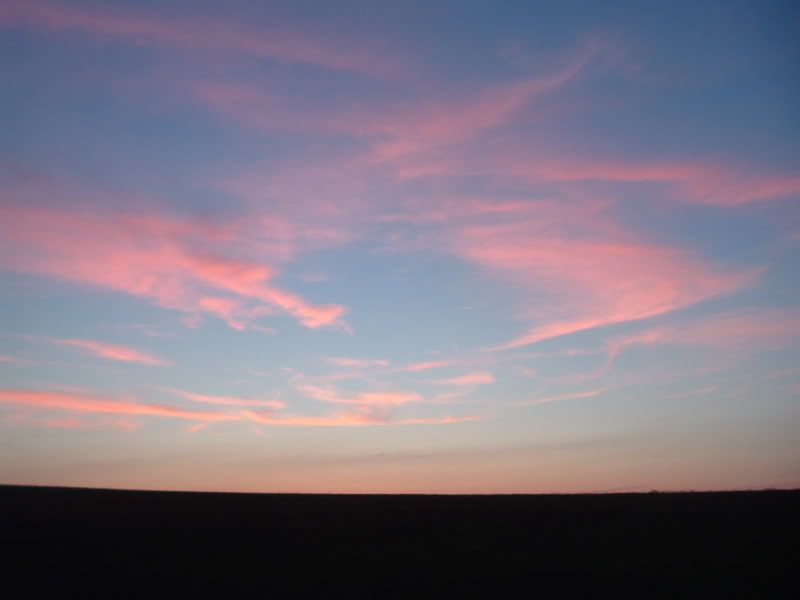
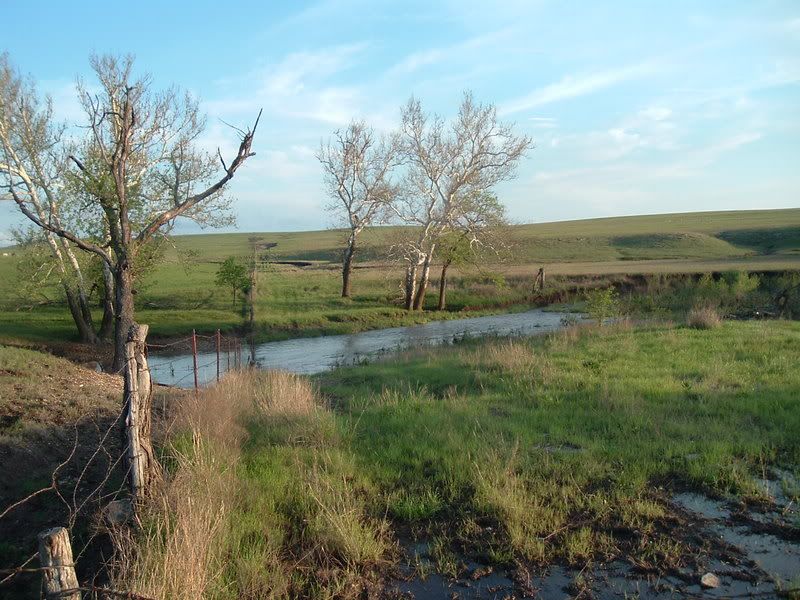
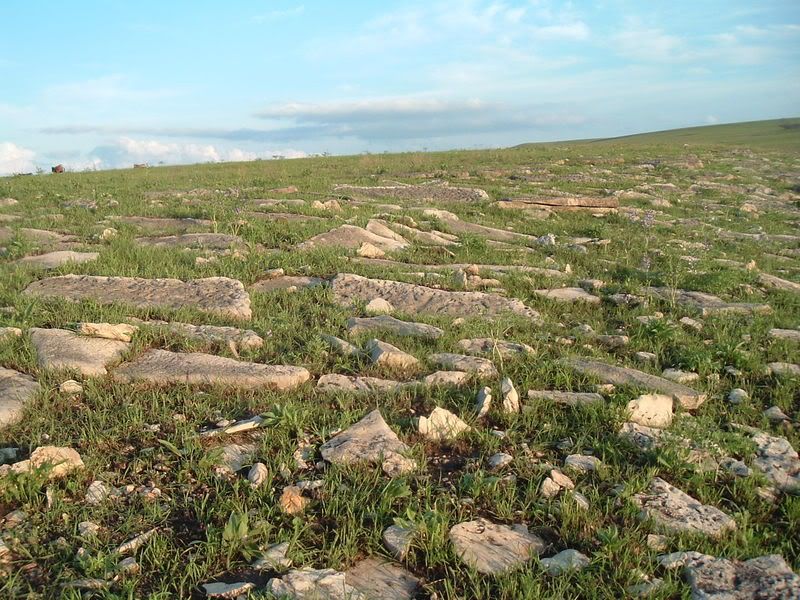
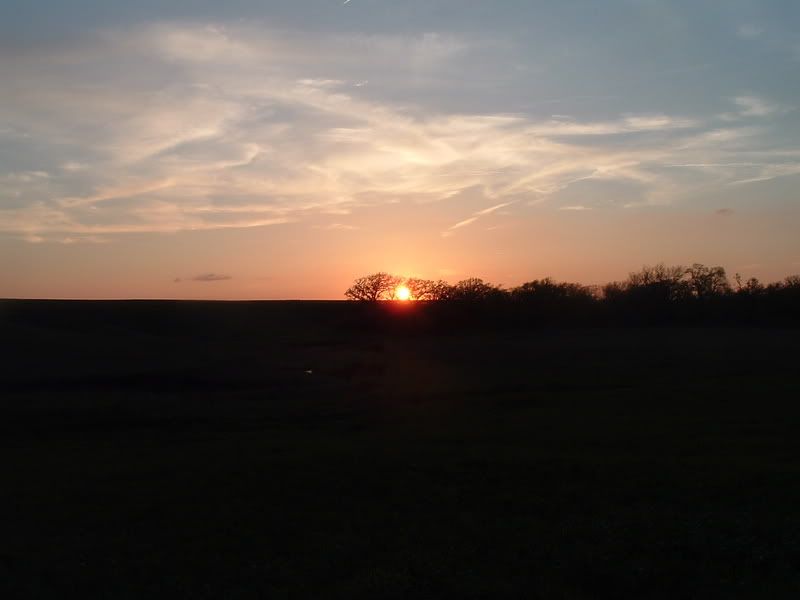
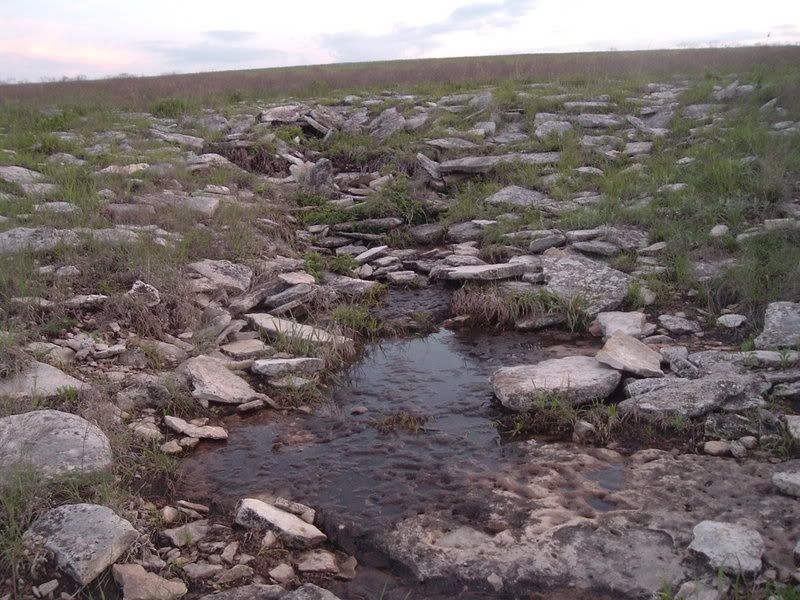
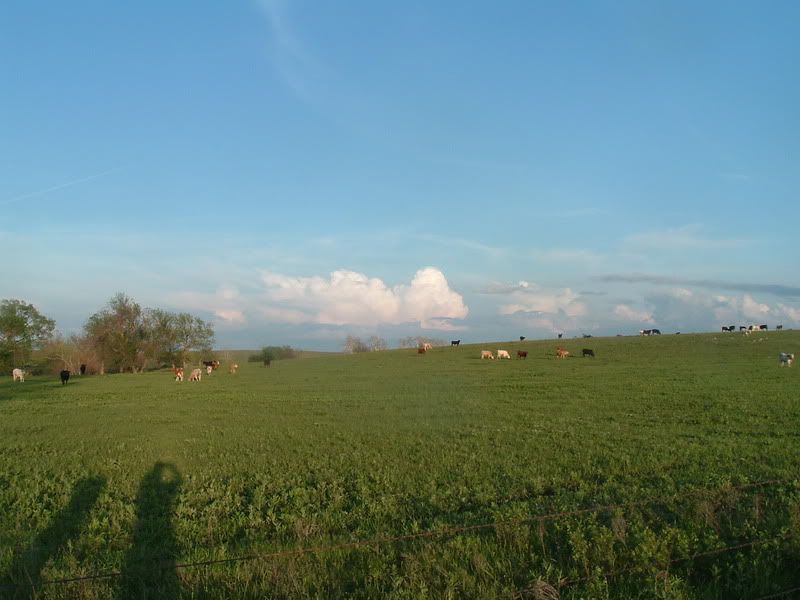
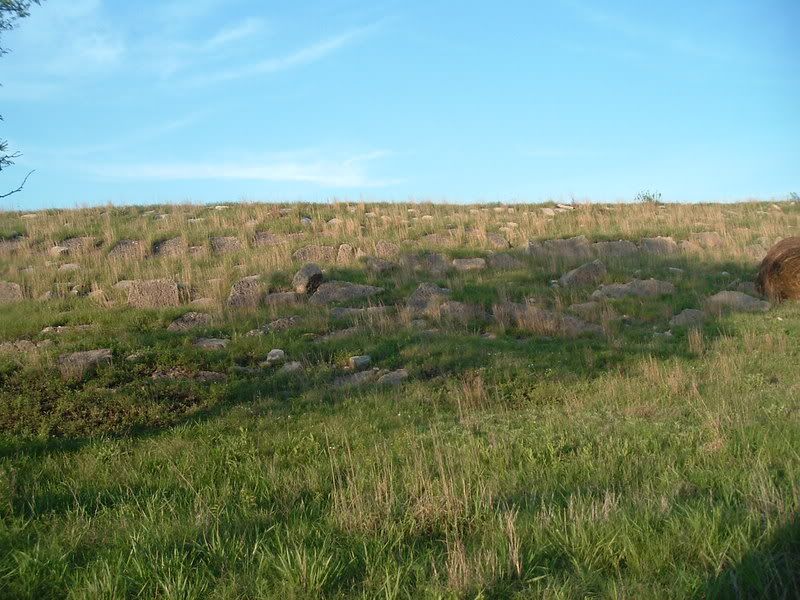
I was just doing some research and I typed in Coachwhip, Kansas Greenwood as I am going looking for Eastern Coachwhip snakes in Greenwood County Kansas and guess who came up? You in a fieldherper article muddy brown coachwhips thing. Greenwood county is the farthest North the easterns have been recorded and I live one county to the North of Greenwood. Where about do you live? You should come out for some herpin as I live on 8 square miles of private land smack dab in the middle of the flint hills. If you know where cattle pens are off of the I35 Turnpike between Wichita and EmporiaI am strait west of there 3 miles. Certified middle of nowhere. Here are some pics.
-----
Bill,
I sent you a more detailed message, but for now, let me say that that is some gorgeous land, and I'd love to herp there. Do you ever see coachwhips on your land at all?
Kevin
There is no documented Coachwhip Snakes from Chase County Kansas but there is no documented crayfish snakes either and I just found one. Greenwood county is the closest population one county south west of here and I found some oilfields that should be prime habitat. I will start looking for some this weekend. I usualy hunt Coachwhips out of State but I am going to start focusing on some local specimens this year. My goal is a nice pair of Black "if possible" Easterns and one pair of Red Kansas Westerns. Rumor has it there are some Brick Reds here. I will post occasionaly on fieldherper once they give me the OK.
-----
If you want probably the most gorgeous eastern coachwhips you've ever seen, head to Arkansas or the Arkansas/Missouri border. I've seen pictures of some down there that are jet black all the way down, then the last foot to six inches of them are bright red. Incredible looking animals for sure, and a lot thicker and healthier looking than the ones you see down around Florida. Brick red coachwhips in Kansas? Wow, the only westerns I've seen there, at least from pictures, have all been the muddy brown color. We'll see though, did you get the PM I sent you? Crayfish snakes are weird too, I found a pair in Missouri in a place where they hadn't been documented before.
Kevin
The private message you sent "did not" come through. I saw the same picture as you of the Jet Blacks and Red. I will make the trip if you have a locality. I can also share some tips on how to find um once you have a locality. Flipping old barn tins at night or early morning works in the summer. My E-mail is sighthunter@yahoo.com
-----
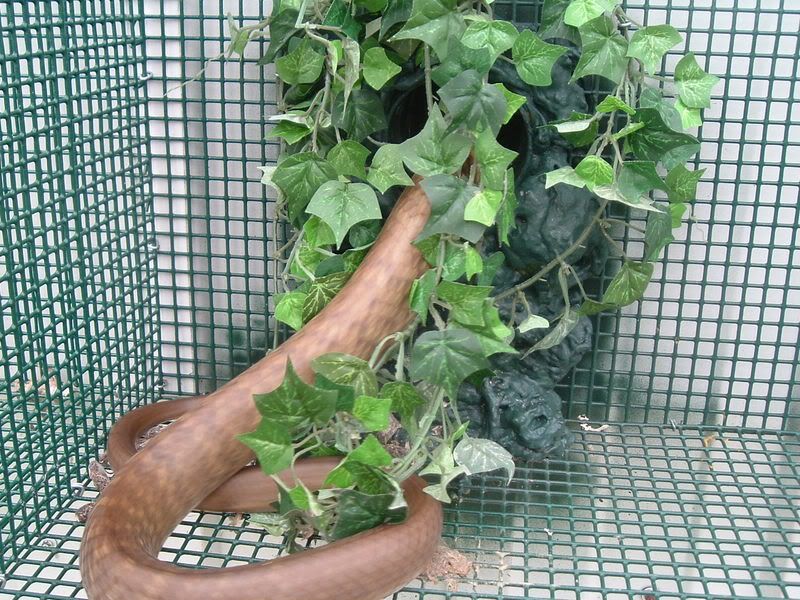
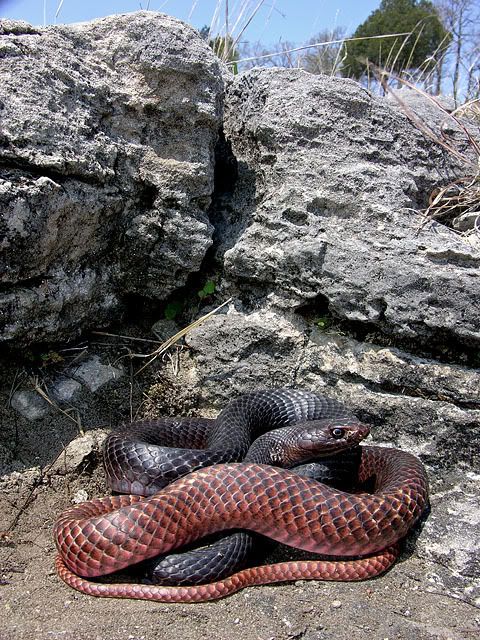
This is the way a wild coachwhip should look nice and fat.
-----
can you post a picture of the all black one that has the tip of its tail bright red? I could not find it.
-----
I sent an e-mail your way. Cheers!
Kevin
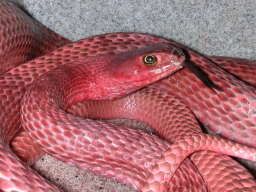
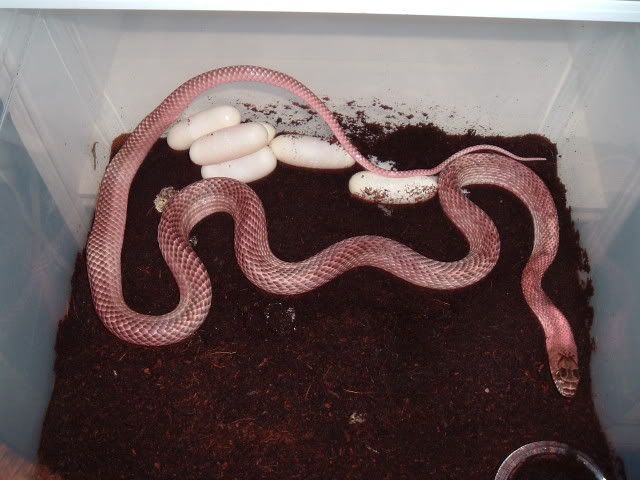
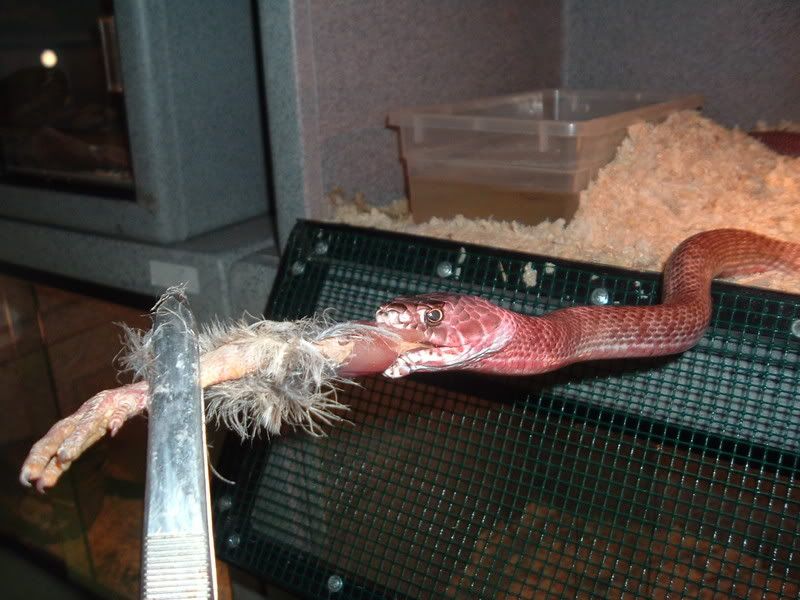
Here is the Adult pair that made these. Top is sire, middle is dam and bottom id F1 offspring
-----
Help, tips & resources quick links
Manage your user and advertising accounts
Advertising and services purchase quick links
