Reptile & Amphibian Forums

Welcome to kingsnake.com's message board system. Here you may share and discuss information with others about your favorite reptile and amphibian related topics such as care and feeding, caging requirements, permits and licenses, and more. Launched in 1997, the kingsnake.com message board system is one of the oldest and largest systems on the internet.

Click for 65% off Shipping with Reptiles 2 You

finally pix of deluxe cages

53kw Jun 15, 2010 05:40 PM

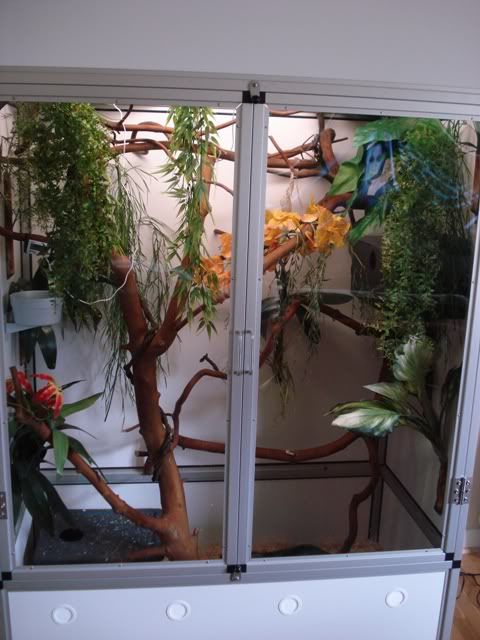
After years of going on about fan-vented cages I'm finally able to post pix of some. These are some I built for a friend who shoots digital so he took some shots for me.

The cages with the brighter lights have Lumichrome bulbs installed. The duller cages have the bulbs that came with the fixtures, just commonplace cool whites.

The largest cages are 76 inches long. Medium cages are 48 long and short ones are 24 long. All are 24 deep.

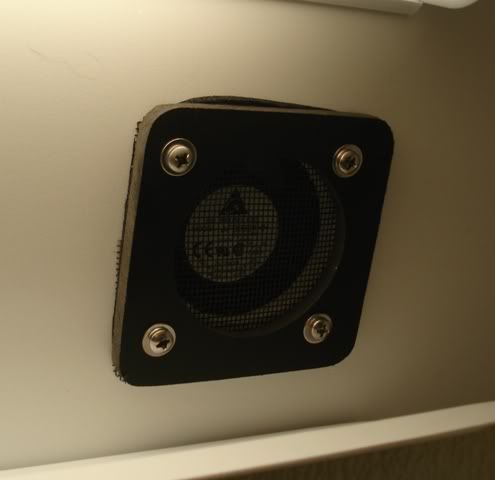
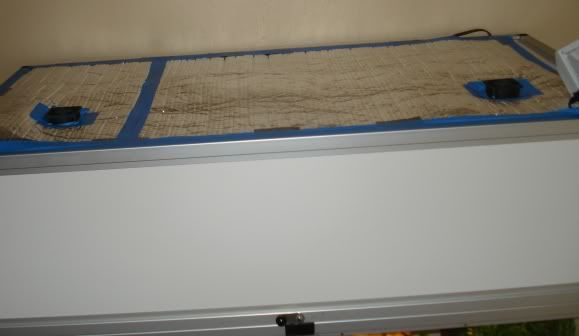
Heat bulbs are at the vented end to pull hot air out of the cage, leaving the herp to harvest heat carried by the light, as in the wild. The strong airflow provides benefits beyond controlling heat creep, as all herps kept in forced-air cages are more active, healthy, disease-resistant, and have better appetites than animals living in low-airflow enclosures.

Replies (4)

CarlKoch Jun 18, 2010 12:07 AM

FANTASTIC-looking cages! How is the wood sealed?
-----
Carl

53kw Jun 19, 2010 12:50 PM

Currently the cages are sealed with a minimum of two coats of water-based semi-gloss or high-gloss varnish, sanded between coats. A bead of clear silicone at all seams. The floor of the cage is Melamine-coated hardboard. That's sufficiently water-resistant for dry snakes like racers, coachwhips, garters, kings etc., but may not be enough for moisture-loving snakes like boas and Rough Greens, or for community lizards like anoles and skinks, both of which do best with moist substrate.

I plan to start laminating formica to a base (mdf or plywood) and using that to make the bottom, sides and back. That plus some silicone at the seams ought to make it all the waterproof I'll need. I've raised baby anoles and skinks in vented cages with sustained moisture in the soil, and I have an idea for old-world Chameleons. Right now, the hobby says the best solution to Chameleons' need for ventilation is to house them in all-screen cages. A lot of work goes into compensating for dryness when using the current chameleon cages. I have a design for an evaporative cooler-style humidifier to be mounted over the intake screen on a vented cage. That would humidify the cage, provide ample ventilation and allow for a basking light at the vented end. Chameleons and certain other tropical forest herps like it cool anyway, and the cool end of an evap-cooled cage would be in the upper 60s--perfect for things like Jackson's Chameleons. No space in the house at the moment for the chameleon experiment, and even more tight with baby Western coachwhips on the way (why did I do this to myself?), so it may be a while before we see results on humidified cages.

If it works with chameleons and Corkbark geckos, there is another humidity-loving herp to try...speckled racers. No idea where to get any just now but they might do OK in a cage like the one described. Young Indigos also--they like to be able to cool off.


gaboonviper615 Jun 21, 2010 06:44 PM

instead of using formica, why dont you try going to home depot, get a sheet of 8 by 4 shower board (white flexible plastic sheet) and glue it to the floor with paneling adhesive? thats what I do. easy to sanitize and doesn't delaminate. then seal around edges with silicone. cheaper and easier to install, and much easier to cut.

tokaysrnice Jun 26, 2010 12:46 PM

Very nice cages, I've used fans as well. They do keep the air moving and allow you to have better temp gradients in large areas.

Nate

Site Tools