Reptile & Amphibian Forums

Welcome to kingsnake.com's message board system. Here you may share and discuss information with others about your favorite reptile and amphibian related topics such as care and feeding, caging requirements, permits and licenses, and more. Launched in 1997, the kingsnake.com message board system is one of the oldest and largest systems on the internet.

Click for 65% off Shipping with Reptiles 2 You

Bufo bufo toad skin disease, please help

Papah Sep 06, 2010 08:03 PM

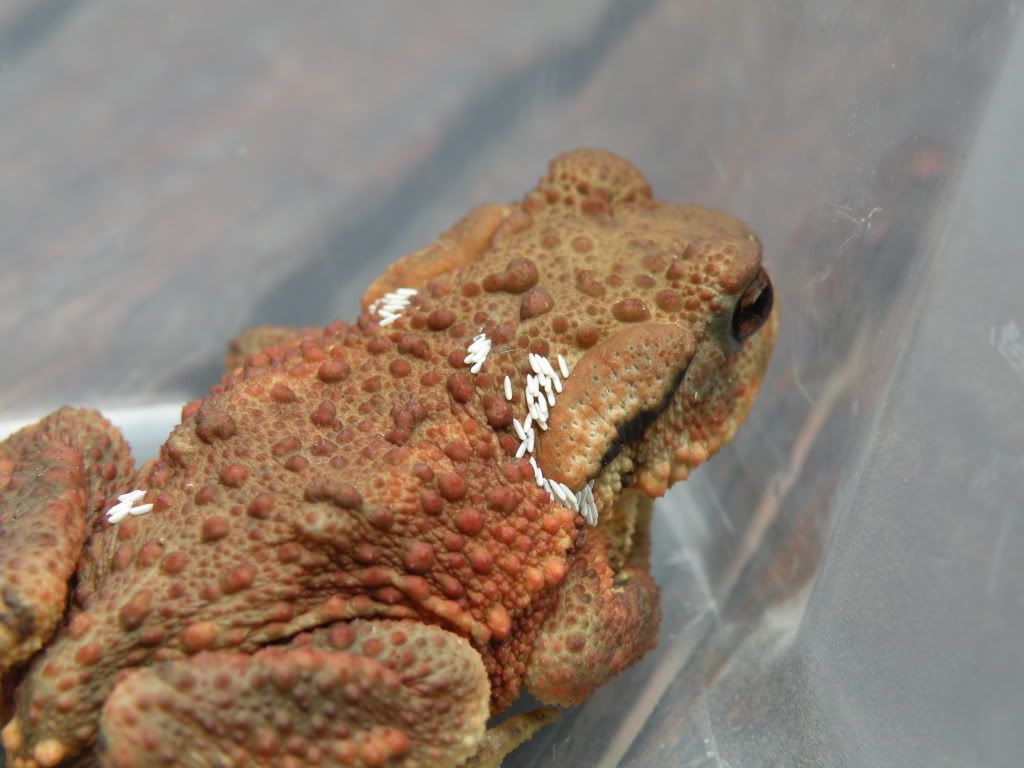
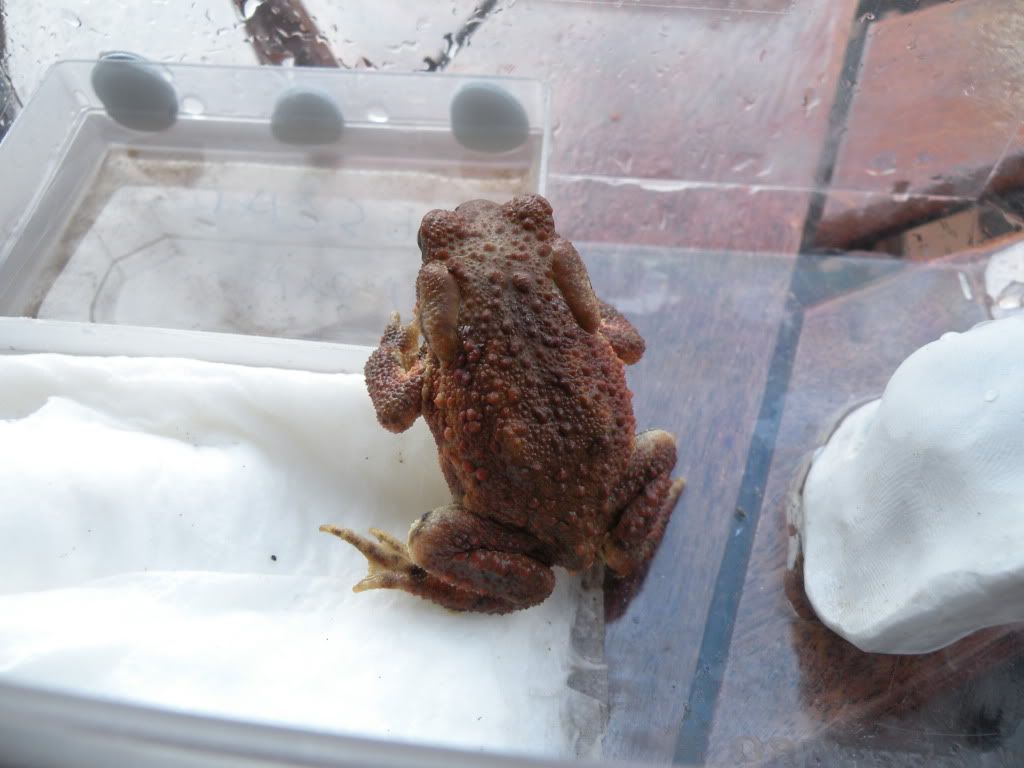
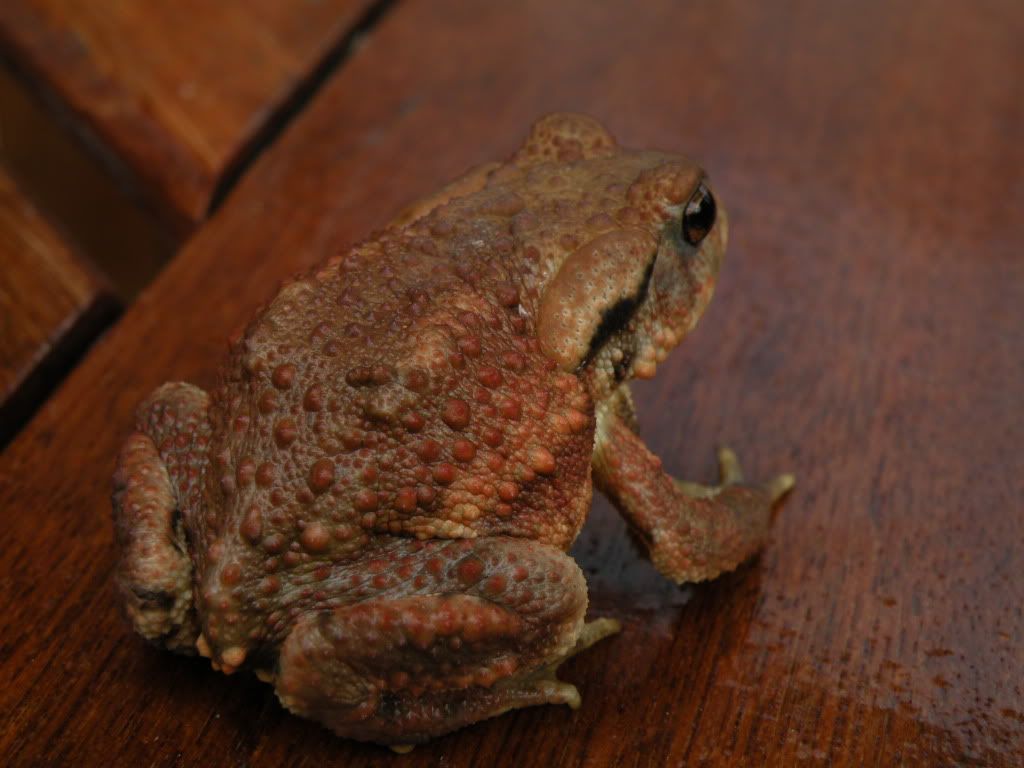
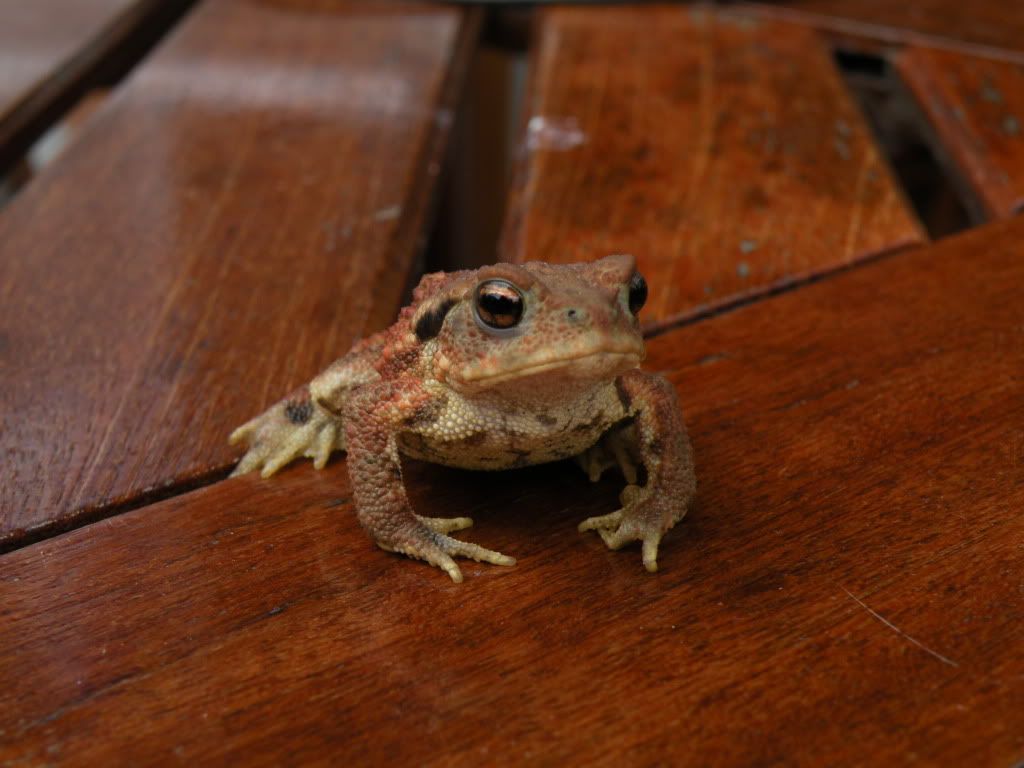
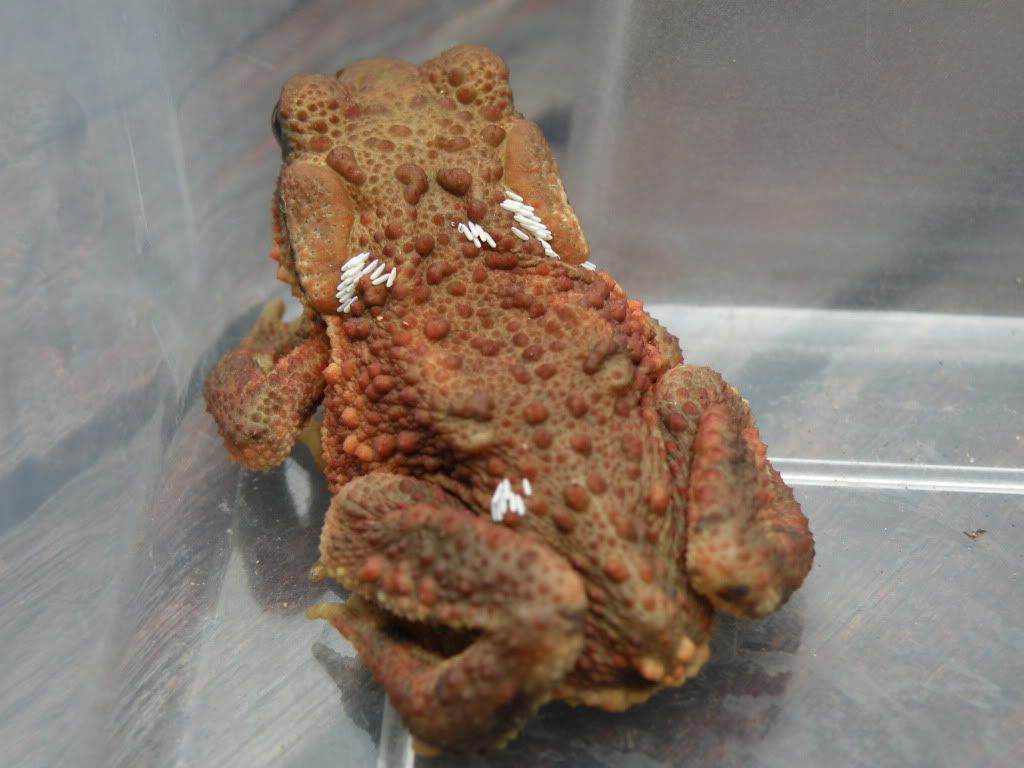
Hello, I'm Pablo. Live in the North of Spain. Yesterday I went to the woods in my bike, and found this fela in the grass and stoped by. When I looked closely noticed that the poor toad had something wrong: some kind of illness in the skin, maybe a virus, some larvae, fungus or other. I know those things are killing a lot of anfibians so I took it to be sure it's not contagious.

The animal is a Bufo bufo juvenile of 4 cm from Cantabria, Spain. It has superficial adhesion of some little tubular white particles on its skin,at the back and side of it's head and some on the lower back. The tiny white things can be taken out with a forceps but the animal seem to suffer so I'll wait until I know more.

Please help me identify and treat this thing on the animal skin.
Replies (1)

Papah Sep 07, 2010 11:12 AM

Hello again and thanks for helping.

Here the direct contact with a vet expecialist in exotic animals is not a possibility, but I got the data about this case sent to an asociation specialized in Spanish anfibians diseases (www .sosanfibios.org), and I'll wait their sentence on it. Until then, my bro Rojillo will stay in quarentine well fed and treated, separated from any other toads that live in my garden.

The info I have is that there is a fly (Lucilia bufonivora) that deposits its eggs on some European toads' skin (Bufo bufo and Bufo calamita). The egg period is usually very sort for flyes, so this maybe lasts around 1 or 2 weeks from laid to hatch. When the eggs hatch the worm-like larvae are 1,5mm to 2mm long, and they search for the host toad's nostrils to get into it's body. Once inside they begin to eat the toad alive, afecting critical areas around the poor animal's nose, until they finally kill it.

I hope this experience can help anybody who come across something similar, and if the person is interested, maybe can save an anfibian live.

Site Tools