Reptile & Amphibian Forums

Welcome to kingsnake.com's message board system. Here you may share and discuss information with others about your favorite reptile and amphibian related topics such as care and feeding, caging requirements, permits and licenses, and more. Launched in 1997, the kingsnake.com message board system is one of the oldest and largest systems on the internet.

Click for 65% off Shipping with Reptiles 2 You
https://www.crepnw.com/

MSP Thayer's or honduran milk

gizzy20001 Mar 03, 2011 06:56 PM

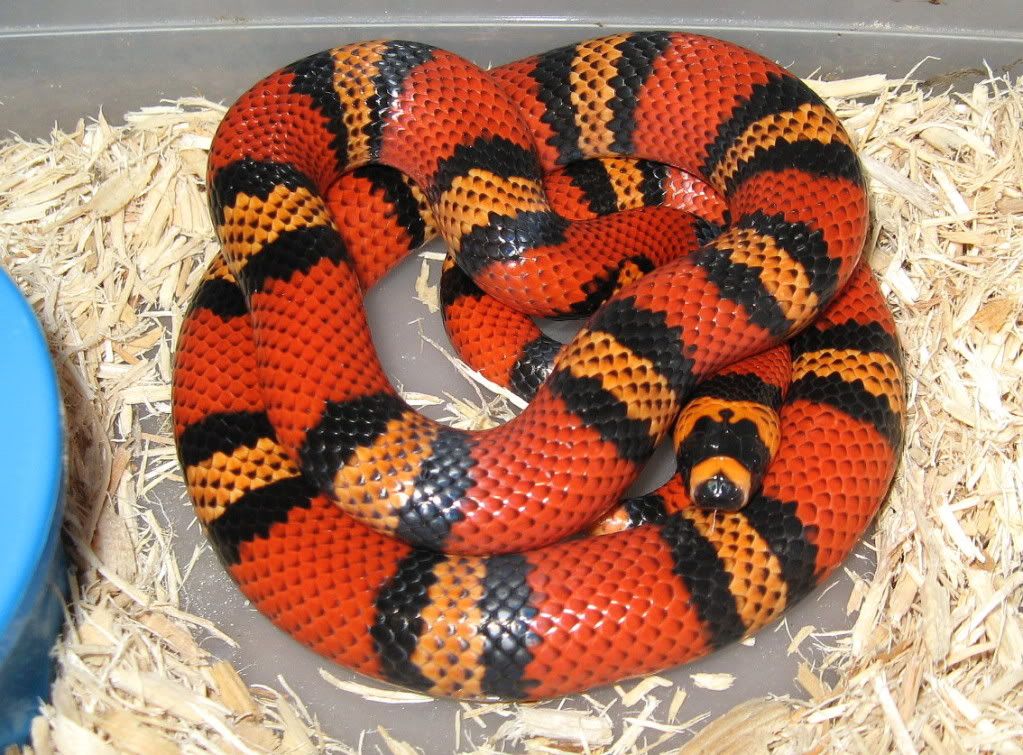
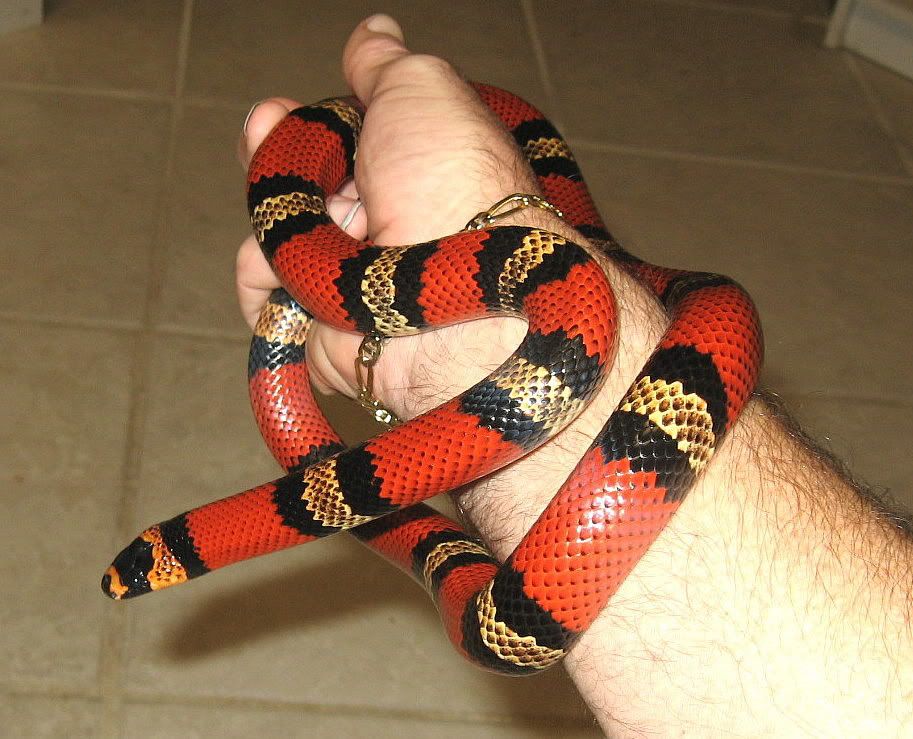
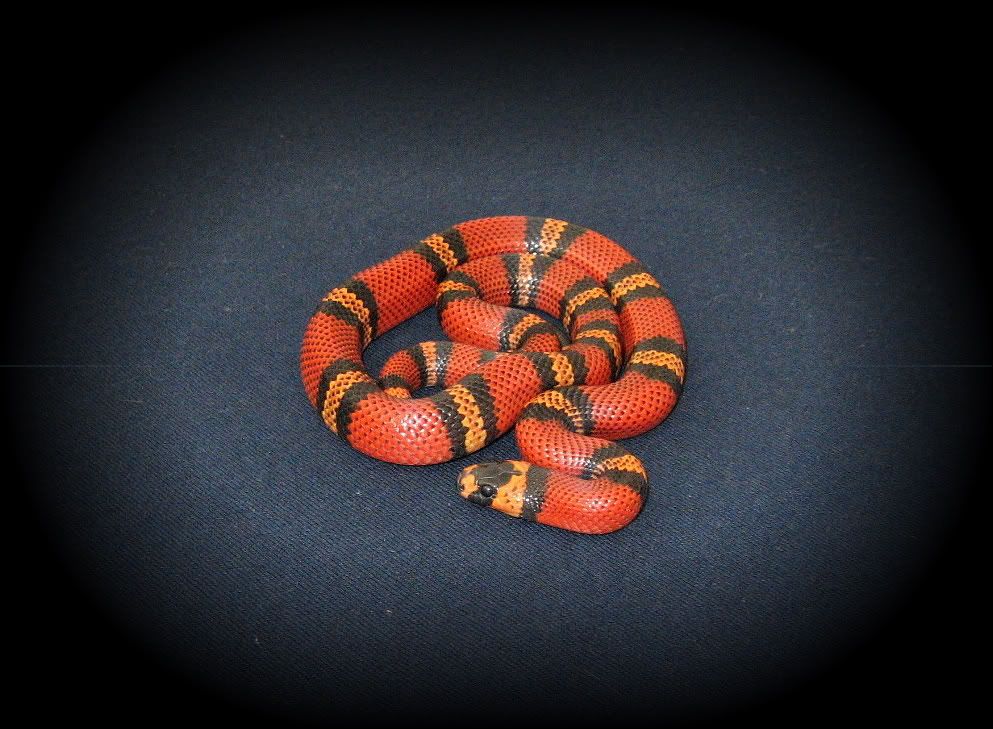
ok so I got this call from my step mother telling me that there are a couple of reptiles in a home that need homes quick or the people will lose their house, so I say yea sure I'll take them. so a few days later a tribal police officer actually drives the 4 ft iguana and 2 ft snake 150 miles to drop them off to me. my first guess on this little snake is that this is a variable king milk snake phase, cool as I was looking through the gallery on kingsnake.com today I found a picture of a honduran milk snake that looks just like my snake too...
http://gallery.pethobbyist.com/photo.php?id=393866

How do you for sure tell the difference
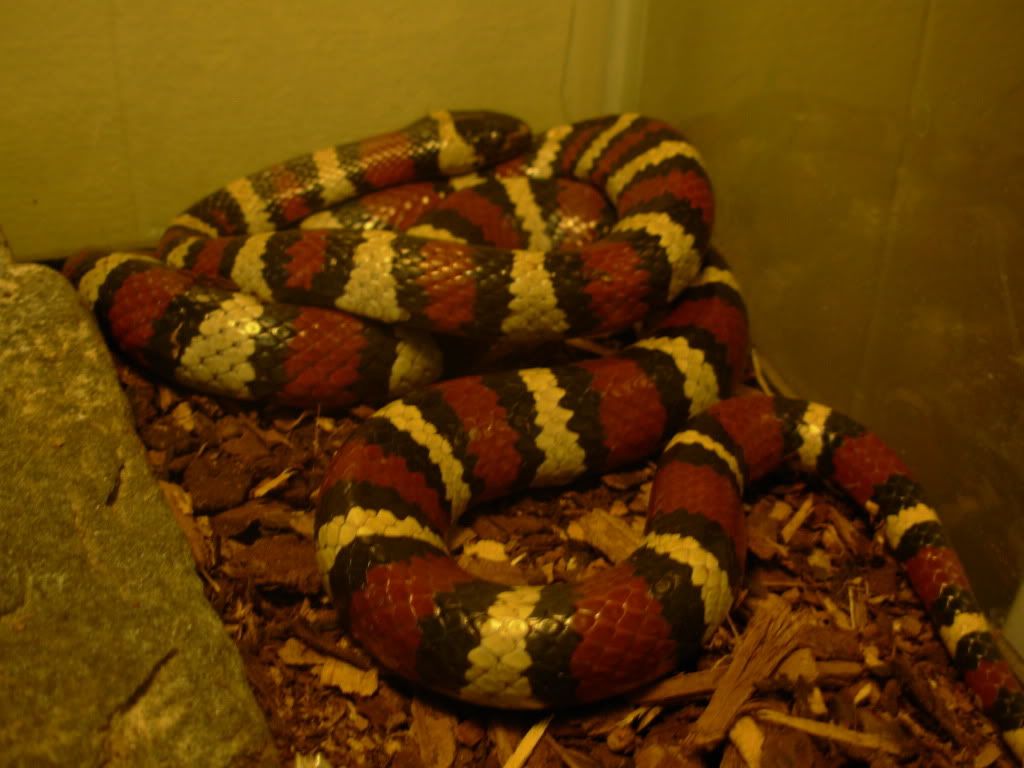
I'm sure the similarity is why they call it a milk snake phase, is the head shaped different

I just want to be sure what I have so when people ask whats that one, i don't have to guess
Replies (11)

DMong Mar 03, 2011 08:05 PM

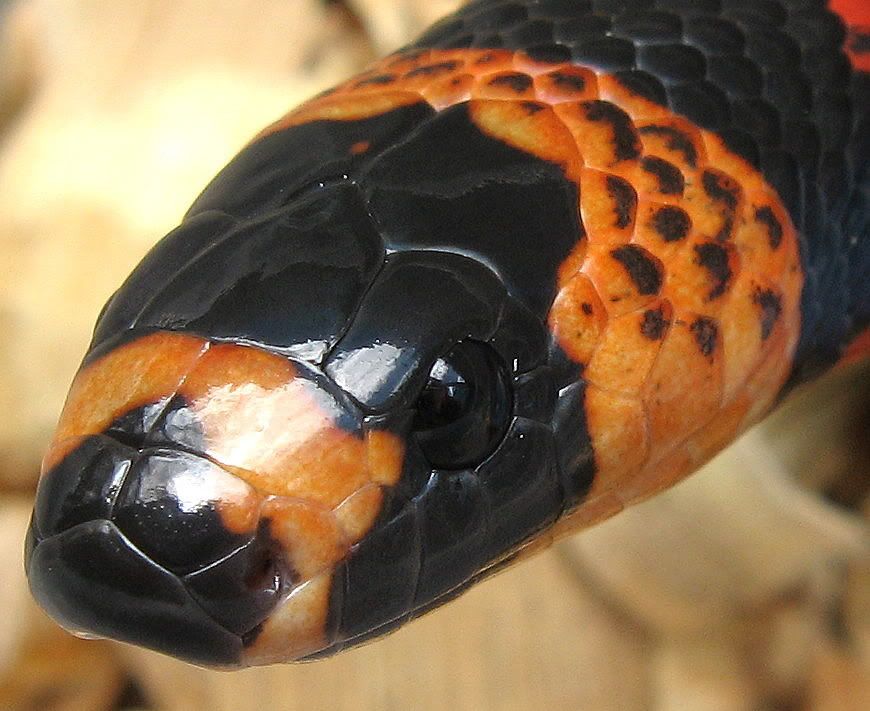
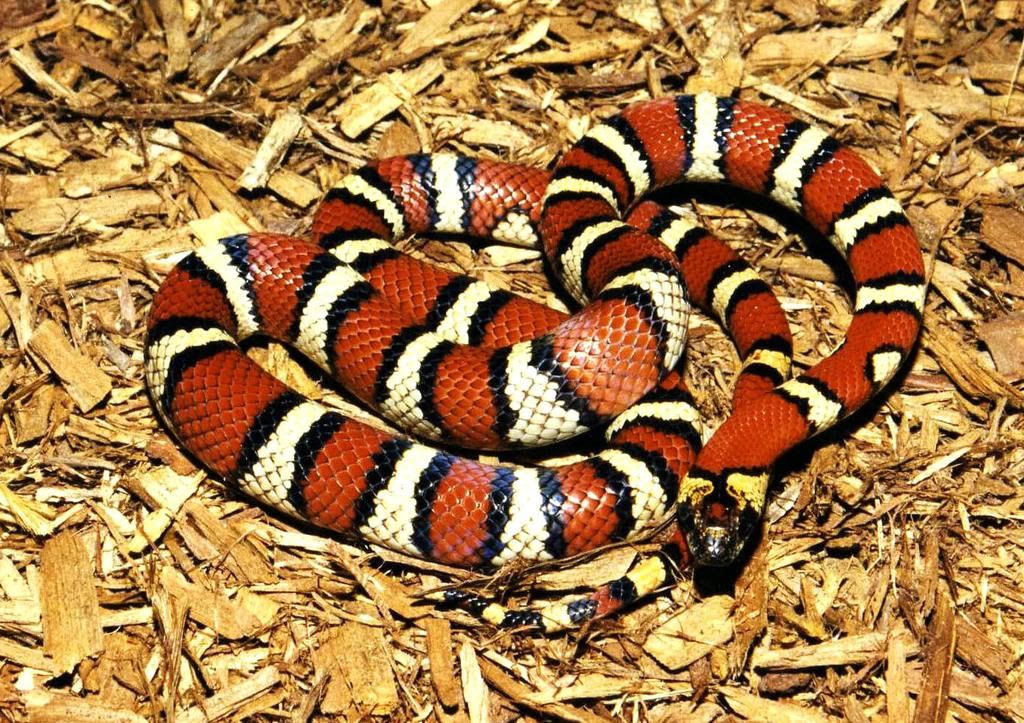
I have been working with thousands of milks and kings for over 25 years now, and it is DEFINITELY not a Honduran milksnake, or any pure milksnake subspecies for that matter either. The head is pretty far away to distinguish all the prominent markings, but it looks like it is a MSP thayeri, or possibly a thayeri cross of some sort.

Can you take a few more shots of the entire snake stretched out without being coiled up, along with some better well-lit head shots?

The photo you used from the gallery belongs to my friend Kevin M., and it isn't the greatest example for a Honduran either.

Anyway, forget about it being a Honduran, it doesn't even come close to keying-out as a Honduran milksnake meristic-wise, but some other better exposed photos with better lighting could definitely help big-time in correctly IDing it further though.

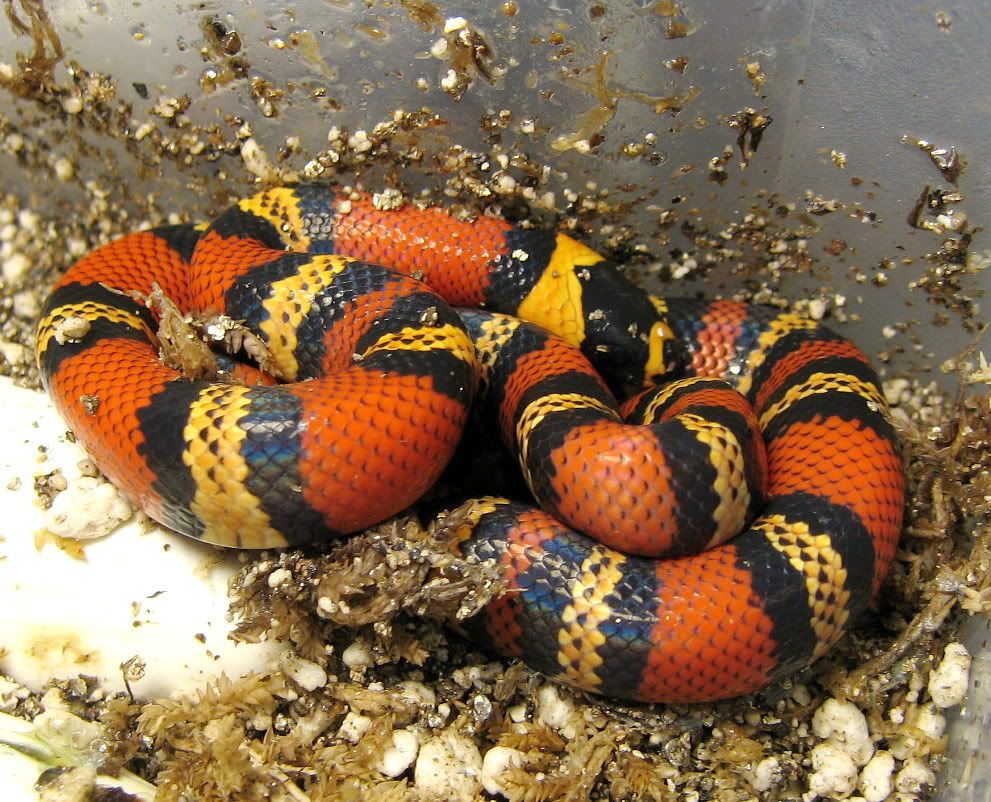
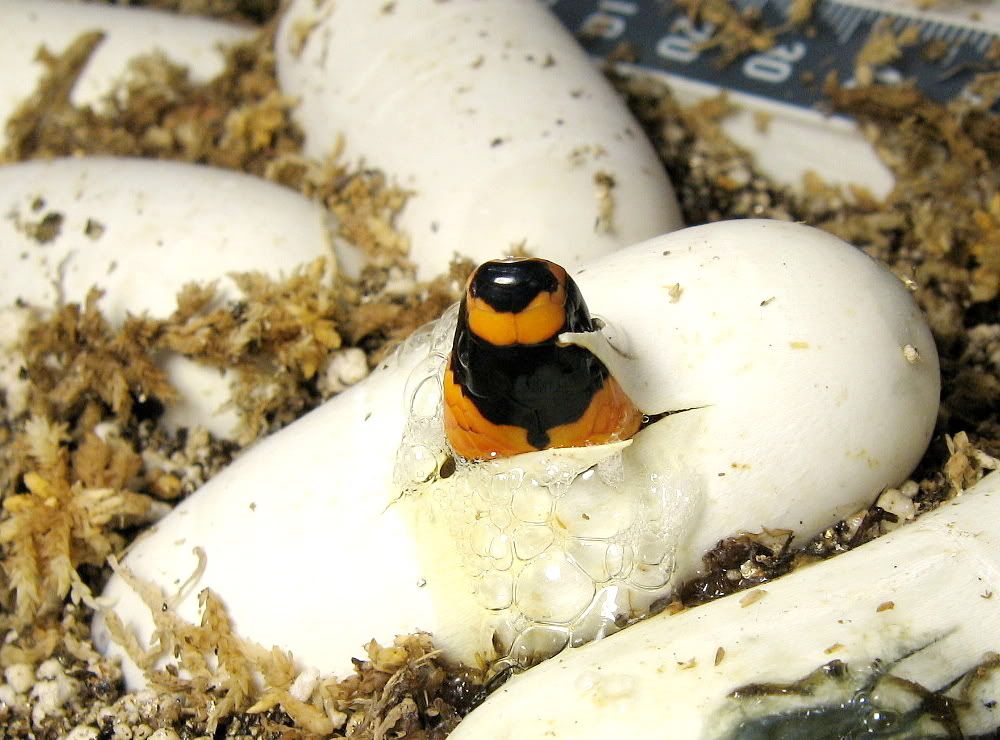
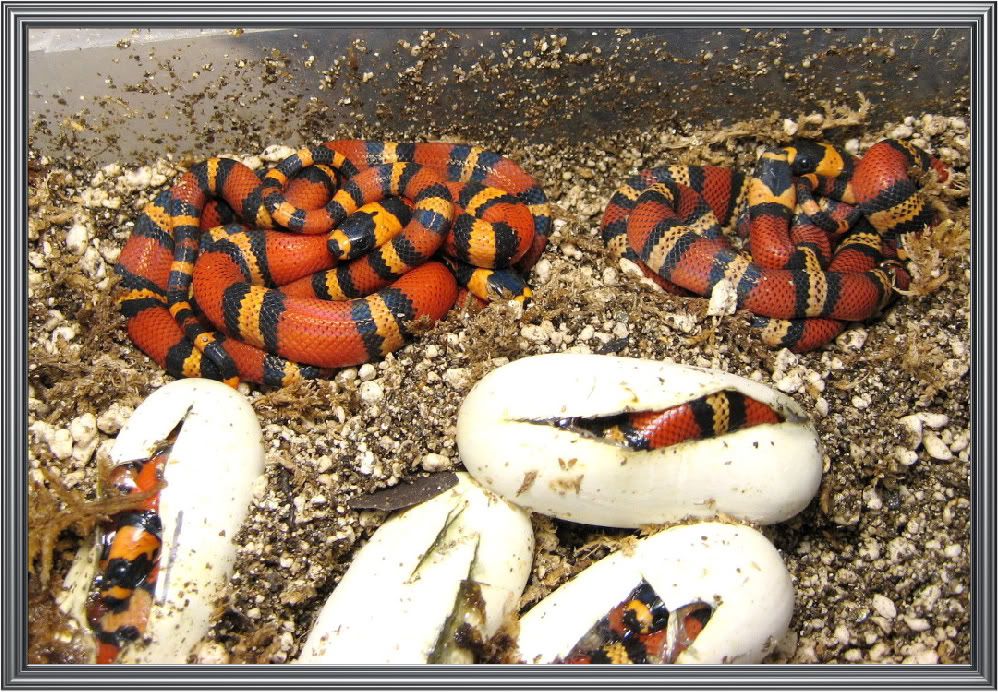
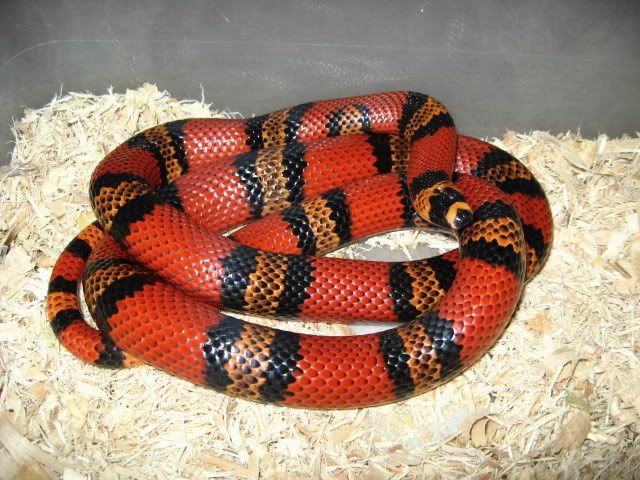
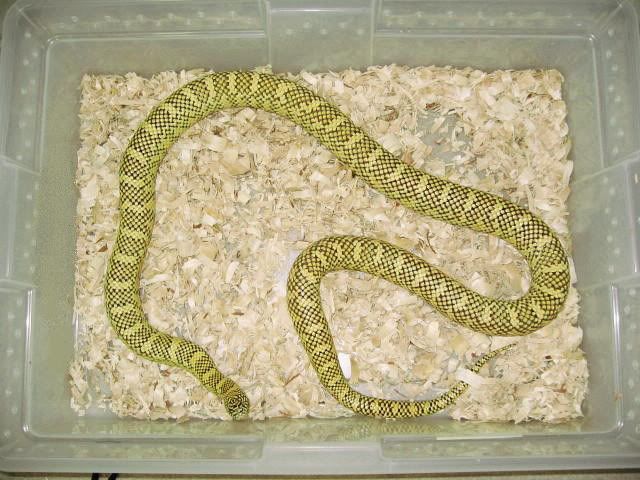
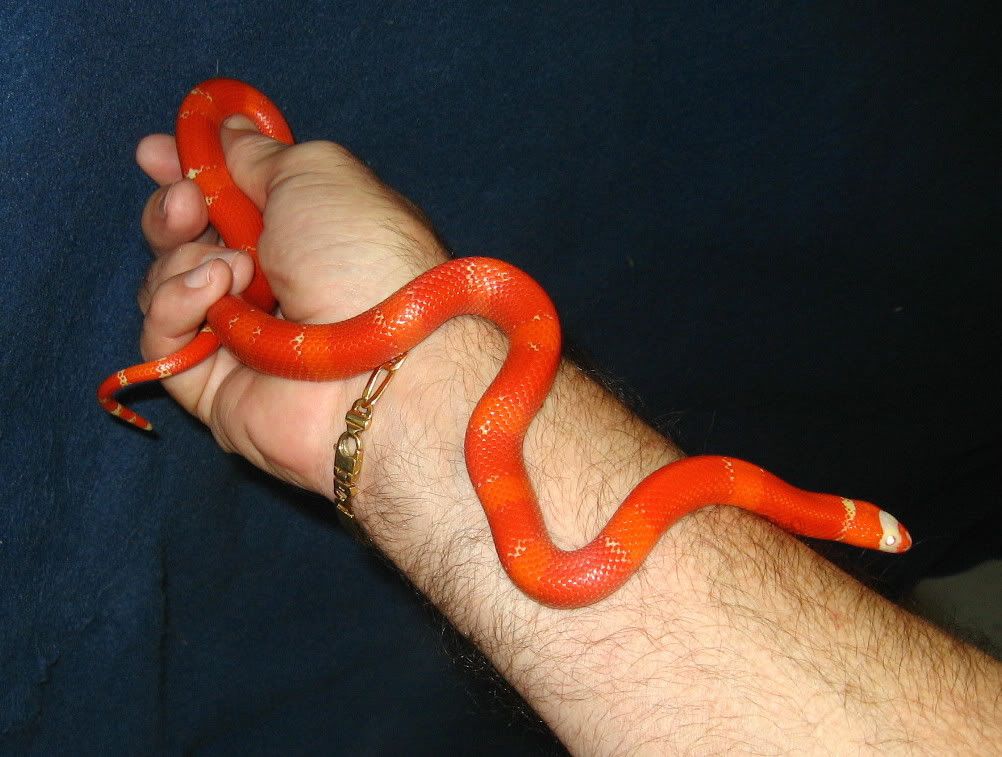
These are just a few Honduran's(which that one isn't)that I have and have produced. Below them are a couple pure thayeri MSP from about 20 years ago i used to have.

~Doug

Thayeri


-----
"a snake in the grass is a GOOD thing"

my website -Serpentine Specialties

gizzy20001 Mar 03, 2011 08:14 PM

thanks Doug,

you seem to be very knowledgeable with the milks and kings, this one is only my 4th the other three are a really nice black and white banded cali king (50-50?), a very large female pueblan milk snake. the Mystery msp thayers you helped ID the other day and this lil guy. the hobby is growing fast for me as in the last year I have went from 1 ball python to 15 various snakes, a leopard gecko, and 3 large iguanas

DMong Mar 03, 2011 09:47 PM

Thanks man....

Yeah, been deeply involved with snakes since about 1967.

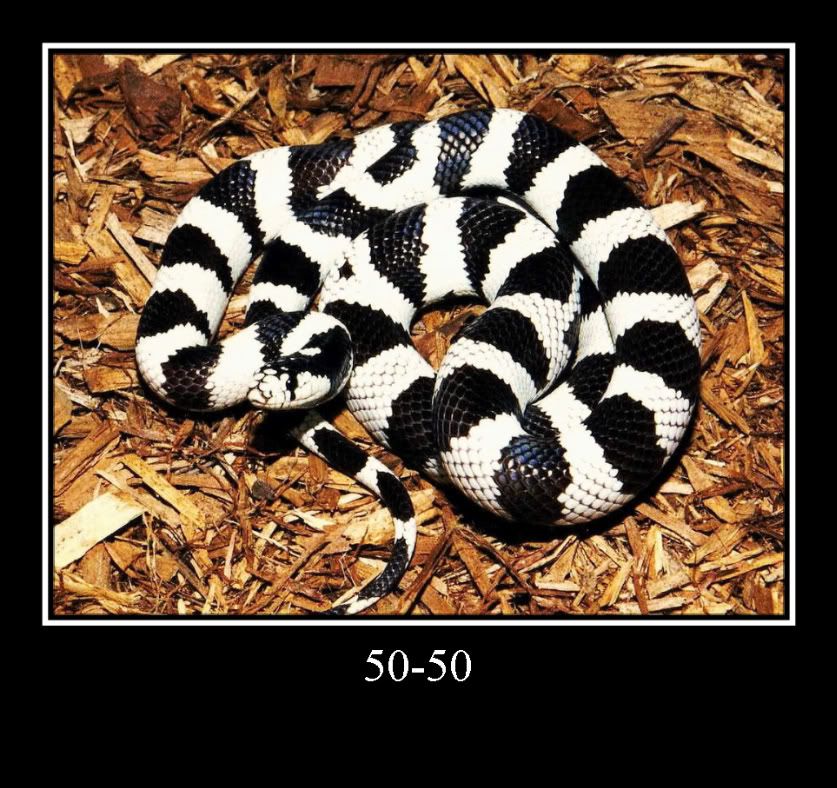
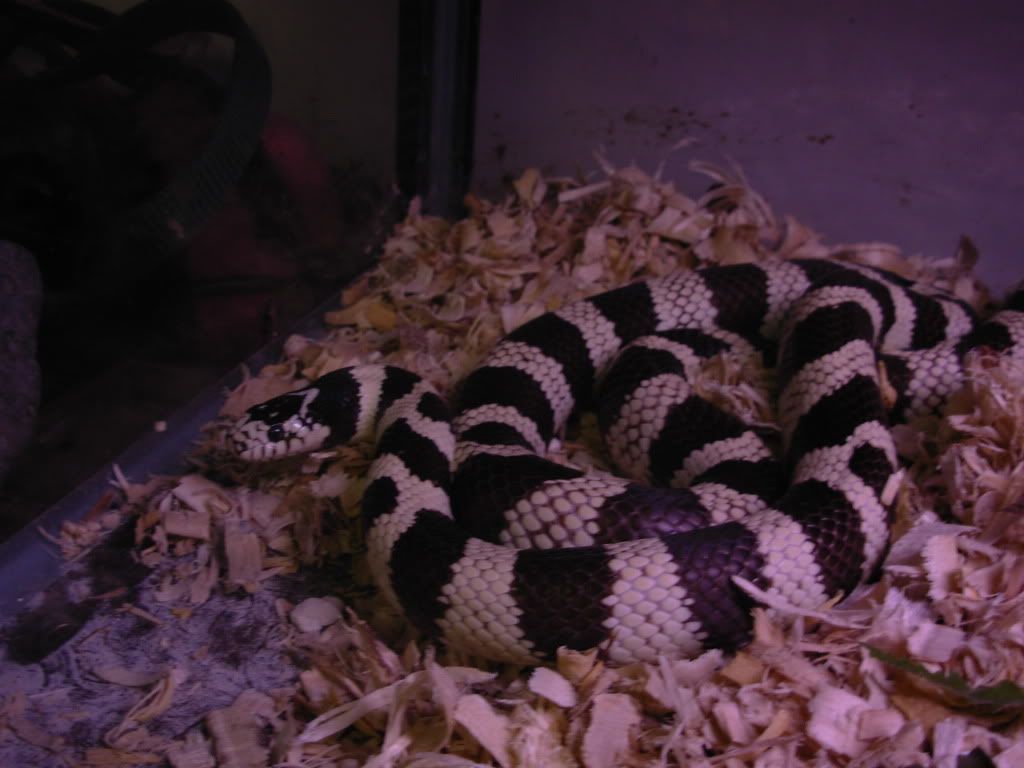
Most banded Cal. kings, especially many years ago have wider black bands than the white, but with many years of line-breeding, there are now many "high-white" morphs where the white is far more dominant in the color scheme. Some are now up to about 95% white.

If yours has white bands that are as wide, or slightly wider than the black bands, then it is a "50-50" Desert phase such as this one.....

If you want to see a couple hundred photos of some other cool snakes, you can go to my website at the bottom of my signature here.

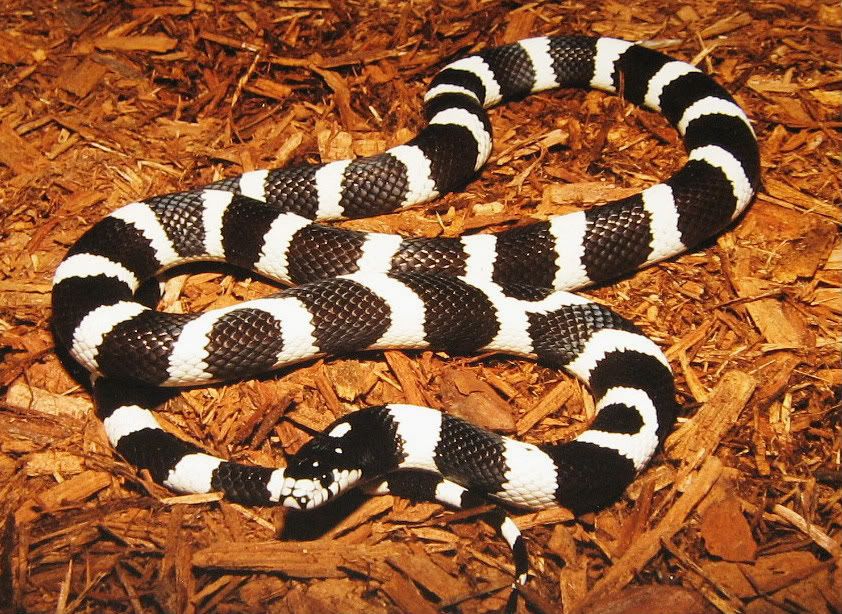
Now if the black bands are substantially wider then the white bands like this one, then it is a normal Desert phase Cal. king.

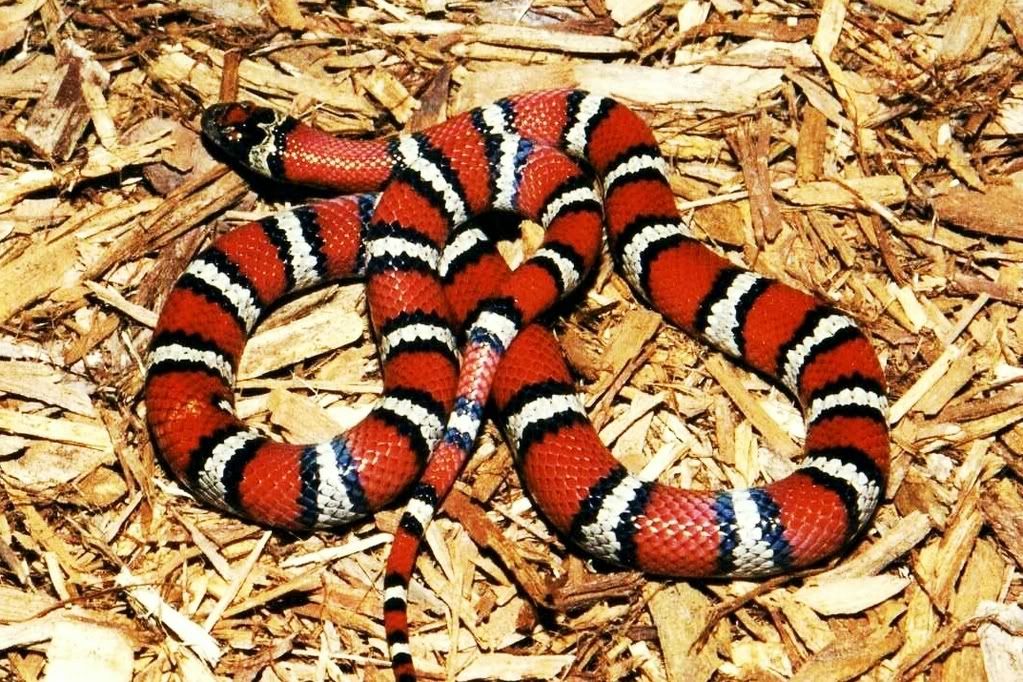
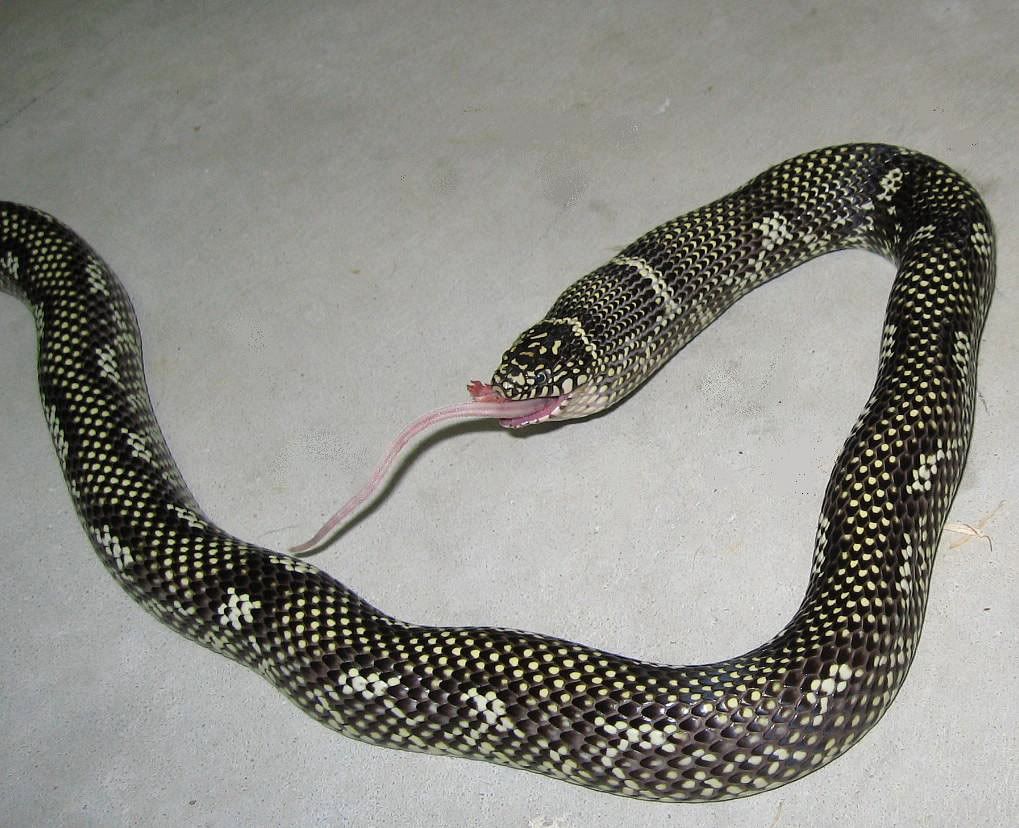
Here is a cool looking aberrant/striped Outer Banks king I have here....

And a killer "high-yellow" floridana(brooksi)

a vanished albino Honduran.....


-----
"a snake in the grass is a GOOD thing"

my website -Serpentine Specialties

gizzy20001 Mar 03, 2011 10:28 PM

I'll be sure to check out your website. after looking at the 2 banded cali kings you posted mine is most definitely a 50-50

DMong Mar 04, 2011 01:05 AM

Yep!, it sure is a 50-50!

~Doug
-----
"a snake in the grass is a GOOD thing"

my website -Serpentine Specialties

snaketaboo77 Mar 15, 2011 11:22 PM

n/p now thats color...

gizzy20001 Mar 15, 2011 11:28 PM

this forum design confuses me a little, was that last message from snaketaboo77 directed to me or doug?

chrish Mar 05, 2011 04:05 AM

This snake is bugging me. I can't put my finger on it exactly. My gut instinct is that it is a L. pyromelana (Sonoran Mountain Kingsnake), except it doesn't have enough white on the face.

I guess it could be one of the thayeri morphs.
-----
Chris Harrison
San Antonio, Texas

charleshanklin Mar 11, 2011 03:25 PM

Looks like a zonata or zonata cross.
-----
I never give them hell, I give them the truth and they think it's hell!

If more colubrid guys had balls (pythons) they wouldn't need to lie in police reports.

www.hognosefarm.com

gizzy20001 Mar 11, 2011 06:22 PM

@ Charles, Thanks for the other possibility, after looking at a few more pictures from CaliforniaHerps.com the markings do bear a strong similarity to a "St Helena" or Lampropeltis zonata zonata which I would love to just run with that because my late uncle who taught me all I know about snakes was wanting to go herping in the Columbia River gorge for that exact species. so It would be great if thats what this is because I would not have had to risk breaking any local laws to get one. the only difference I can see in my snake and the ones photographed in Napa County CA. is mine does not have as bright of red.

concinnitor Feb 13, 2014 01:51 AM

I can't believe nobody got this yet, wow. Not even close to a Honduran, also definitely not a leonis/thayeri, only one person came reasonably close by guessing "CA mt. king or hybrid thereof" but it's not that either. It's a bad pic but if that's a touch of red I see on that black nose then it is most definitely a Ruthven's king snake. Lampropeltis ruthveni. They can look almost identical to L. zonata but sometimes more like a milk snake. IF it had a white nose, it would be a Sonoran Mt. king but it doesn't. Anyway, it isn't a hybrid either. It appears to be a very typical normal purebred ruthven's king snake.

Site Tools