Reptile & Amphibian Forums

Welcome to kingsnake.com's message board system. Here you may share and discuss information with others about your favorite reptile and amphibian related topics such as care and feeding, caging requirements, permits and licenses, and more. Launched in 1997, the kingsnake.com message board system is one of the oldest and largest systems on the internet.

Click here for Dragon Serpents
Southwestern Center for Herpetological Research

Finally got a rubber boa!

CarlKoch Dec 05, 2011 08:16 PM

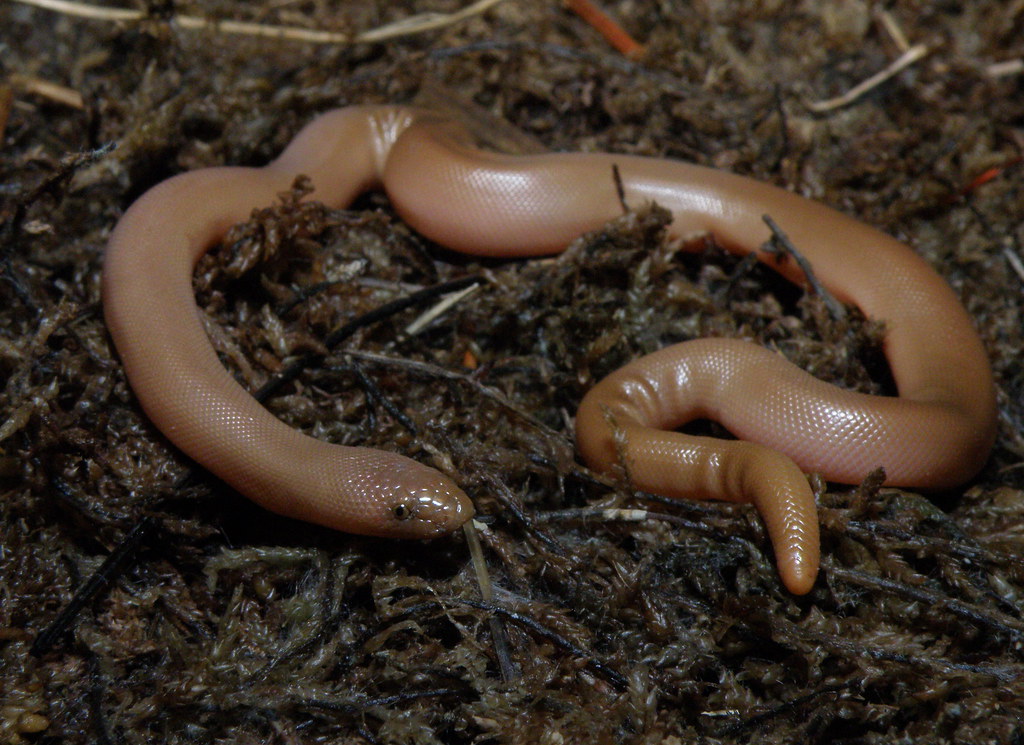
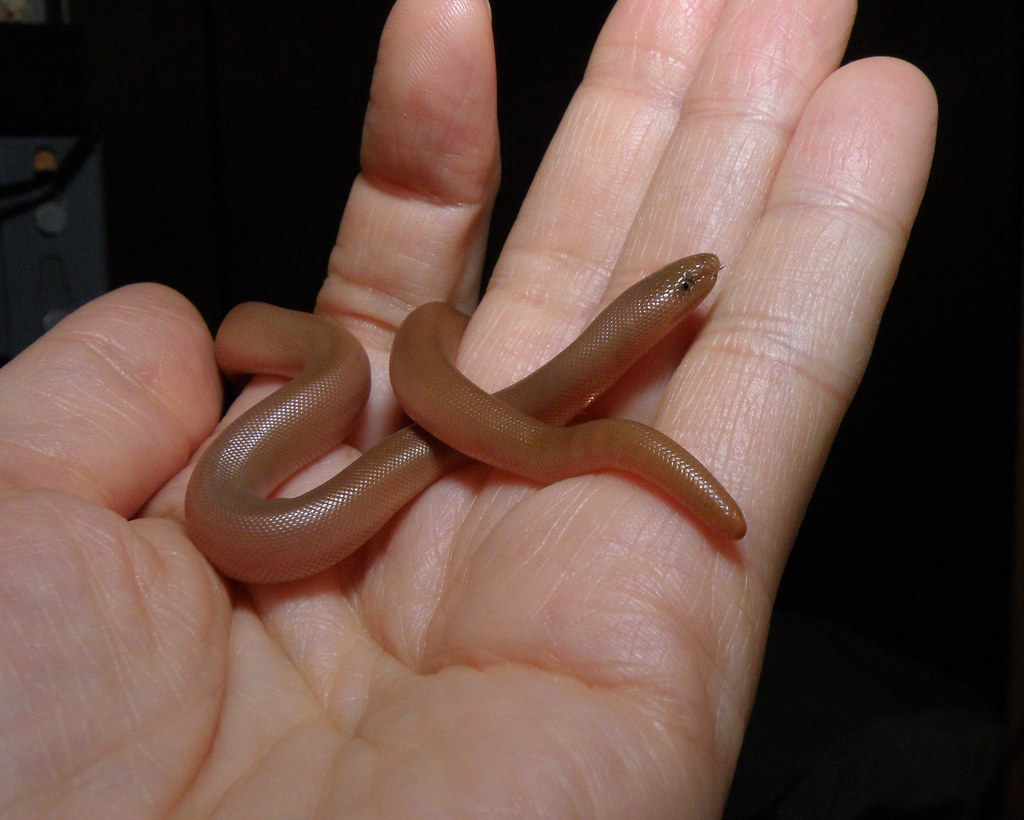
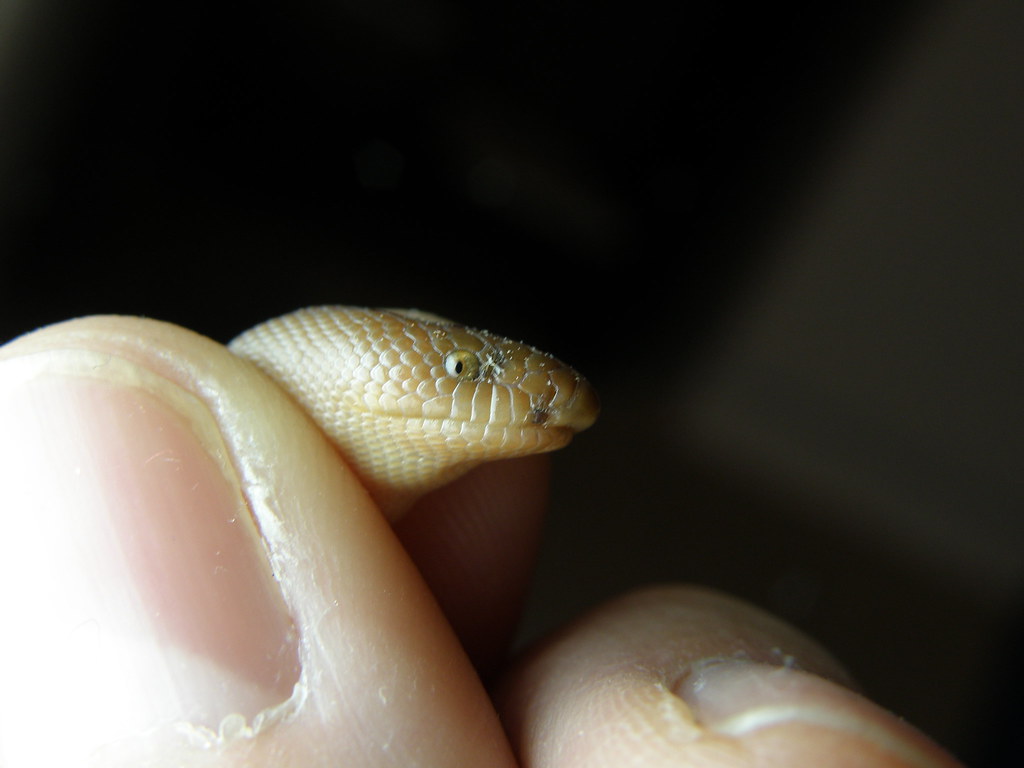
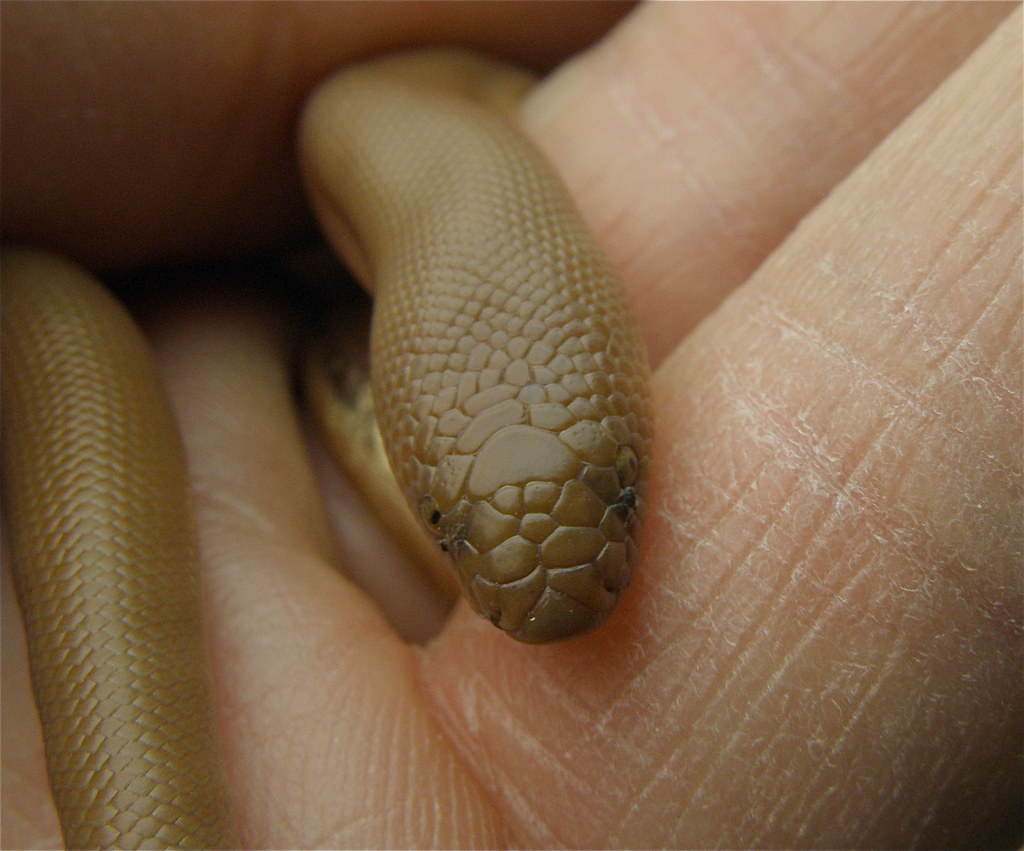
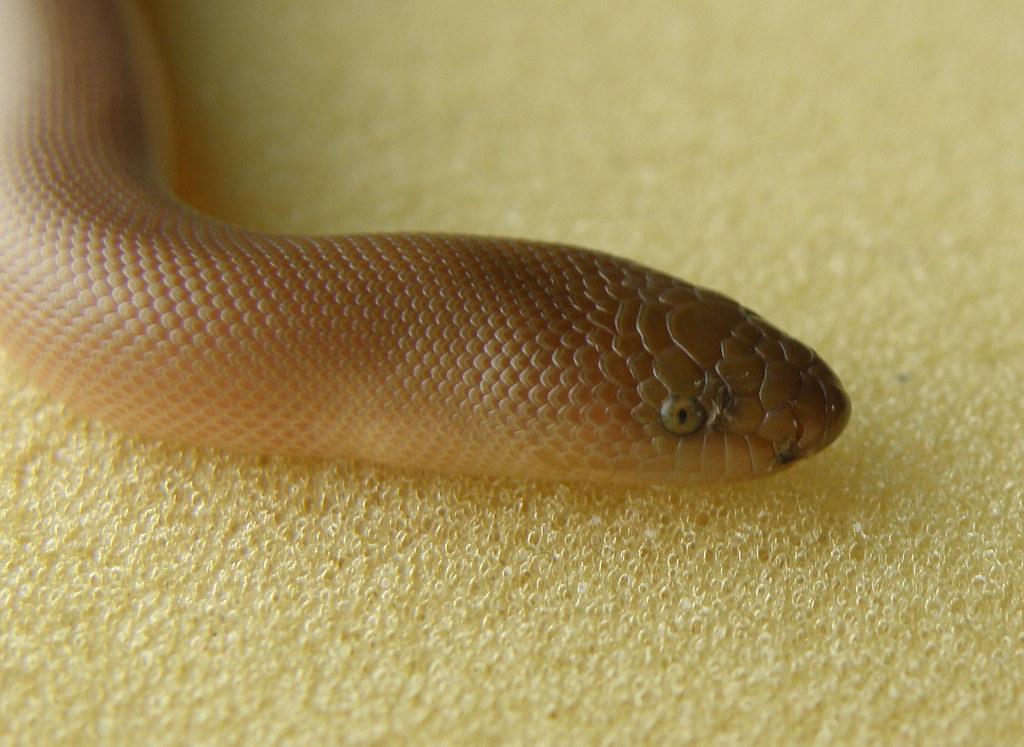
I’ve wanted to work with this species for a long time...I jumped at the chance when I saw this CB baby for sale a couple days ago. This animal was produced by Amy Zerkle from Ohio. What a unique and charming snake! (Thanks Zack!)


PC050049 by Carl Koch, on Flickr


PC050021 by Carl Koch, on Flickr


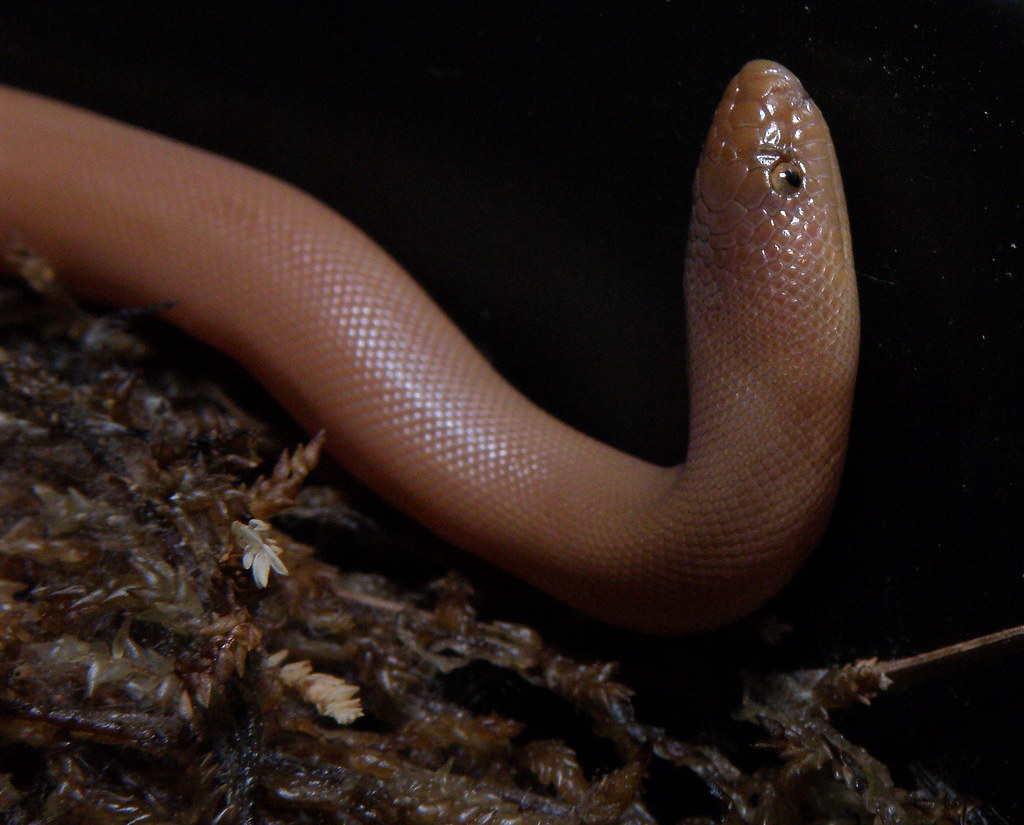
PC050038 by Carl Koch, on Flickr
-----
Carl

Replies (13)

mrkent Dec 06, 2011 09:08 PM

Very nice. I have not had a baby rubber before, just my two wild-caught. I hope to have some babies out of them next year though.


-----
Kent

1.1 Hypo (het lavender, striped) corn snakes, 2010
1.2 Gray-banded king snakes, blairs phase, 2008
0.0.17 Gray-banded king snakes, 2011
1.1 Oregon rubber boas, w/c 2000 and something

Colossians 3:17

CarlKoch Dec 06, 2011 09:58 PM

Best of luck! We need more breeders of this cool species!
-----
Carl

mrkent Dec 08, 2011 07:58 PM

Thanks!
-----
Kent

1.1 Hypo (het lavender, striped) corn snakes, 2010
1.2 Gray-banded king snakes, blairs phase, 2008
0.0.17 Gray-banded king snakes, 2011
1.1 Oregon rubber boas, w/c 2000 and something

Colossians 3:17

CarlKoch Dec 07, 2011 08:58 PM

...while I held her in my hand today!
-----
Carl

mrkent Dec 08, 2011 08:00 PM

Congrats! From what I have heard, little ones can be hard to get started feeding, especially this time of year. Mine haven't eaten since August, and are in my garage at about 50 degrees F.
-----
Kent

1.1 Hypo (het lavender, striped) corn snakes, 2010
1.2 Gray-banded king snakes, blairs phase, 2008
0.0.17 Gray-banded king snakes, 2011
1.1 Oregon rubber boas, w/c 2000 and something

Colossians 3:17

CarlKoch Dec 08, 2011 09:48 PM

Thanks, Kent! The guy who sold her to me said she's eaten 7 times for him. Great verse, by the way!
-----
Carl

RichardFHoyer Dec 11, 2011 12:20 AM

CK:
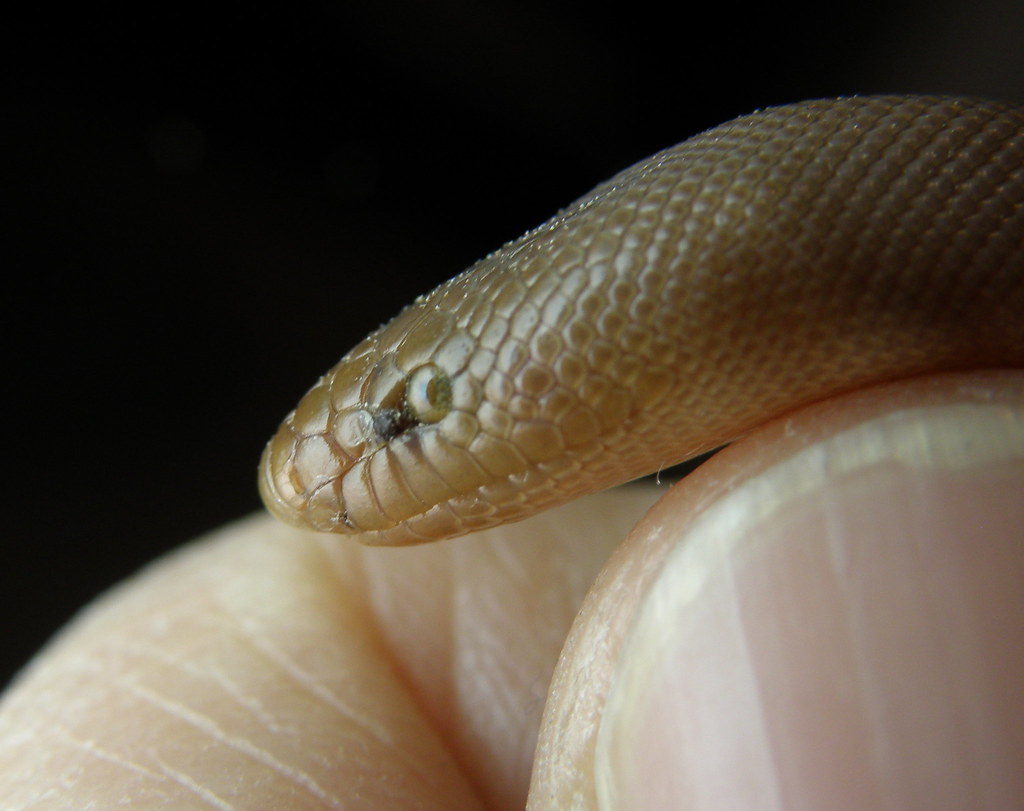
It would appear from your photos that the juvenile Rubber Boa exhibits some damage to one or more supralabials near the rostral plate and also to the preocular plate. If that is the case, what if any explanation was given by the individual from which you obtained the specimen?

It is not really a big deal as such injuries will heal and not affect the health of the specimen. As Kent mentions, that it has taken meals and in particular, at this time of year is a real positive.

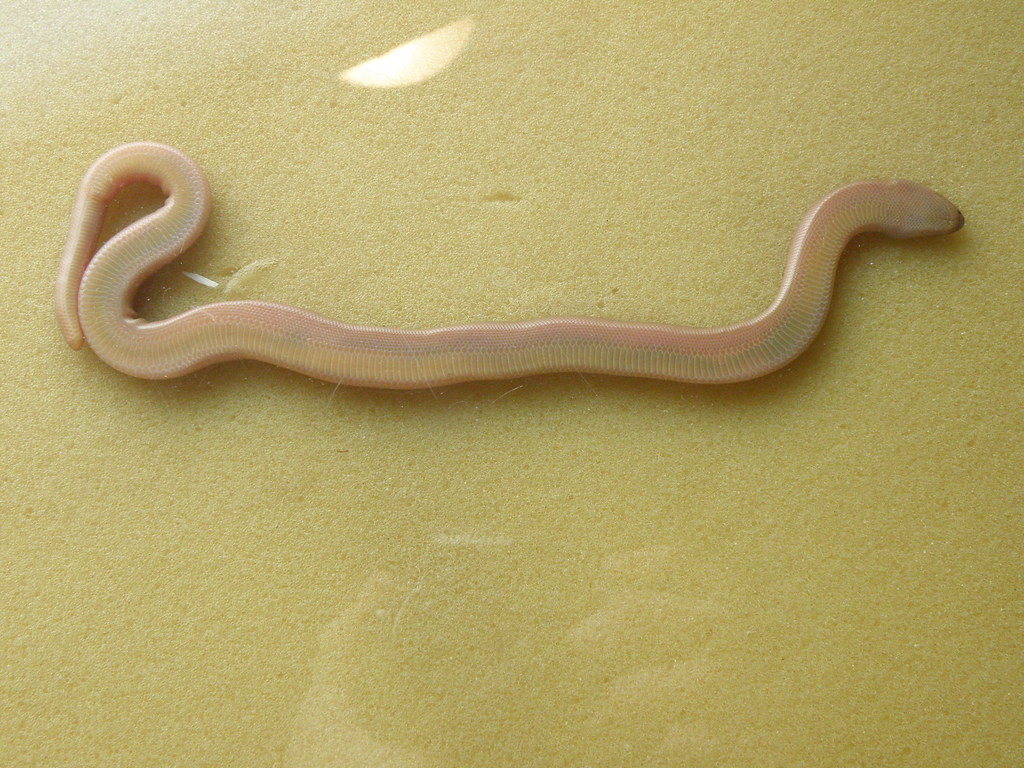
If you feel inclined to do so, could you post a photo of the boa's ventral surface and perhaps a better angle of the area that appears to be damaged? Also, do you have any information as to the locality from where the parent boas originated?

Richard F. Hoyer (Corvallis, Oregon)

CarlKoch Dec 11, 2011 08:43 PM

Hi, Richard -- I wondered the same thing about the damage, but thought I'd wait until the snake sheds to see how things look. I will be happy to take a ventral shot and some close-ups of the damaged areas. Your son's website is excellent, by the way, and I've enjoyed reading about your substantial contributions to our understanding of these delightful snakes.
-----
Carl

CarlKoch Dec 11, 2011 09:16 PM


PC110104 by Carl Koch, on Flickr


PC110100 by Carl Koch, on Flickr


PC110109 by Carl Koch, on Flickr


PC110114 by Carl Koch, on Flickr


PC110098 by Carl Koch, on Flickr
-----
Carl

RichardFHoyer Dec 14, 2011 12:07 AM

CK:
Guessing about age of a small is somewhat problematical with the specimen in hand but even more so from photographs. That being said, there are three indications that suggest your boa was either born pretty early this year or possibly was last year's (2010) neonate.

Eye coloration in probably 95% of all neonate boas is dark gray / black and the exceptions are where some newborn boas have dark brown eyes. The eye coloration of your specimen appears to be similar to what one would expect of a boa of one year or greater in age.

Secondly, although there is considerable variation, most newborn boas have flesh colored ventral that may or may not have a tinge of yellow color. It appears as if the ventrals of your boa is pretty distinctly yellow. Also, the dorsal coloration of most neonates is a darker flesh color, almost orangish and the dorsal color turns to brown as the specimen gets older. Your boa appears to be brown dorsally.

And last, although the ventral photo is not a close-up, I can't really discern exactly where the chord attachment area is located. The area were the umbilical cord was attach is very prominent in newborn boas but the area heals with each shedding event. Newborn boas shed from about 1 to almost 4 weeks after birth but the area of cord attachment is still quite prominent after that initial shed. But then with each subsequent shed, the area heals so it would seem that your specimen has possible shed 3 times since birth although I could well be mistaken.

Your explanation for the damage on both sides of the head is possibly correct rather than being damage caused by a small rodent. But over the years, two or three other individuals have shown photos of boas they purchased that had been sold to them as captive bred and were clearly specimens captured in the wild. This is no big deal as such take from the wild has absolutely no affect on the overall population of the species in any region. I just don't like misrepresentation but is isn't anything that needs to be of any concern.

Your specimen possesses 5 prefrontal plates which is rare in boa populations from many regions and very unusual in populations in most other regions. There is one exception and that is a population that occurs in southwestern Oregon which to this point, is very unique in that regard. Whereas most populations have boas with 2 or 3 prefrontals with 4 pres being uncommon and 5 or more rare, the one SW Oregon population is where boas having 2 or 3 prefrontals is uncommon and 4 or more is the rule.

Again, that you have had success in getting the little girl (?) to take a meal is a real plus and good luck with her or him from here on out.

Richard F. Hoyer

CarlKoch Dec 13, 2011 05:17 PM

It looks to me like the scale damage may have been caused when the boa was kept in a container with air holes large enough for the boa to push its snout through.
-----
Carl

CBH Dec 14, 2011 04:08 PM

Great looking snake Carl! I hope to produce a few in 2012...

Cheers,
Chris
-----
Christopher E. Smith
Contact
Captive Bred Herps
Wildlife Research & Consulting Services, LLC

CarlKoch Jan 04, 2012 08:45 PM

Thanks, Chris! Nice animal you've got there.
-----
Carl

Site Tools