Reptile & Amphibian Forums

Welcome to kingsnake.com's message board system. Here you may share and discuss information with others about your favorite reptile and amphibian related topics such as care and feeding, caging requirements, permits and licenses, and more. Launched in 1997, the kingsnake.com message board system is one of the oldest and largest systems on the internet.

Click for 65% off Shipping with Reptiles 2 You
Click for ZooMed
Click here to visit Classifieds

Salvadorii nesting

Gatorhunter Feb 12, 2012 08:25 AM

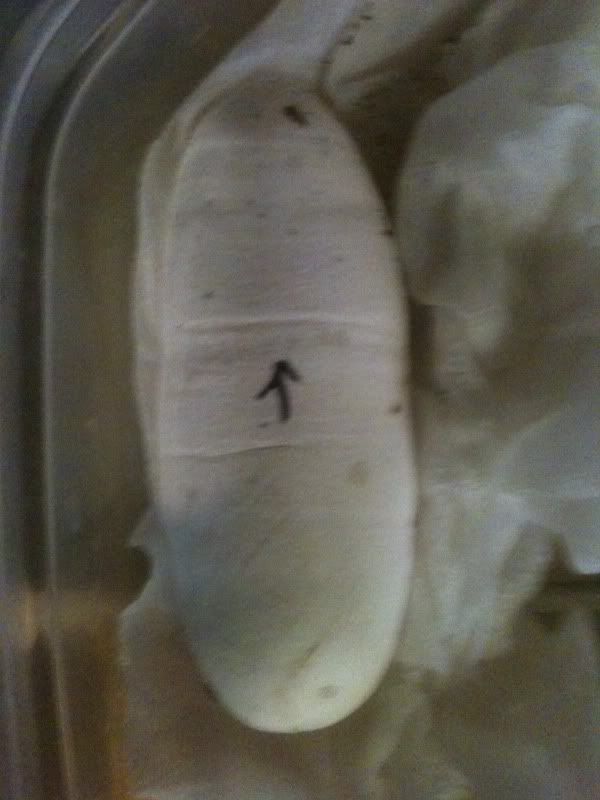
This is bad timing for this question I suspect but I need to ask now instead of later. I have been using whole cage nesting for ackies and left the option open for my salvadorii. My problem arose the other day while I was cleaning endless amounts of dirt from the cage. I found old eggs! I knew she was female, cycling, and has laid eggs previously. I didn't have a clue where she laid, reobsorbed etc. I still have another 7 wheel barrow loads to remove in which I think there may be a few more eggs. She has completely ignored nest box attempts (elevated and on floor)a trash can setup. She will dig 30in into soil for test digs.

Background info out of the way-
Does anyone know what varanus salvadorii normally nest in? Are they tree nesters, deep nesters, etc? She appears to like the sandy peat moss soil I use but Im still open to options for the rebuild. Just trying to make it easier to find eggs in a 10x13 enclosure.

Not looking for nest box vs enclosure nesting arguments as I plan to meet in the middle lol. I'm going to use 2 sections of dirt mix 4'x 2'x 30" (LxWxH) dimensions. This will help limit my digging to two areas but means I better be spot on.
Dustin

Replies (3)

FR Feb 12, 2012 09:29 AM

I reponded a bit below, so I will try and address another area here.

you asked if they are tree nesters etc in nature. That does not traslate to captivity. First, unless your cage is and outdoor cage, the bottom is not the earth. And unless you put a nest box up in a tree, you will not tree nest them.

Your task is to provide something suitable in your cage, which is neither aboreal or teresstrial, its a cage.

When you think about nature and what occurs there, you can take some hints, like is there a specific medium they use, like the rotting inside of a tree, or a particular soil type, which is very important with other varanid species. But the aboreal or gound thing does not translate in most cases. We have cages that rarely exceed the ceiling height which is not aboreal by any means.

Good luck and best wishes

Gatorhunter Feb 12, 2012 10:44 AM

"I did indeed have discussions with Stan, but did not actually work with him.

A problem with whole cage nesting in large cages is indeed finding the eggs, if you do not see them nest.

I will say, after some experience, or in your case, hard lessons, you can fairly accurately perdict where they will put the eggs.

I used deep leaflitter, like with lacies, but I have had a friend also have nesting success with deep dirt, although his eggs did not hatch.

One thing I noticed with one of our females was, she would urinate on the nesting area. Which was not normal for her.

Also, I recomend building cages where ease of access is addressed. If you intent to breed larger varanids, make the cage so its easy to remove the substrate, well at least easier. hahahahahahaha. Good luck"-FR

I copy & pasted your other info to this topic as I plan to keep the topic here so it doesn't get mixed with your's and Dave's conversation. I repect both of you and the succes you both have had and personally have no business to be in the "Clash of the Titans" or so to speak.

1) Are you suggesting a good leaf litter blend with maybe a sandy base mixed in to be a good starting point?

2)My cage is 13x10x8 (currently LxWxH)- I use several sheds and change it up sometimes. I will soon move to Oklahoma again and will put together another outside add on there. Access is important and I build my enclosure to be maintaince friendly or sometimes runner friendly. There are days they just dont feel like being mucked with with means I need to be light footed lol.

3) Im well aware that we don't touch the height or depth that nature provides and that we are just enclosures in the ground. My questioning the natural nest sites is merely to guide me in the right direction of the most acceptable medium and conditions. I'm pondering whether I need to make an oversized elevated box like you see for the green trees monitors to aid as a viable option. After trying trash cans and all sorts of containers I think I would need a larger option.

4) Last year I had a prolaspe complication which I would assume is from her being a picky on nesting. I just want to make my options better for her and my other female (other female hasn't hit mature thickness and started cycling yet) to prevent egg binding. Not so much for breeding purposes yet. 90 days for ackie eggs is still kicking my but lol.

5) I realize all info is only guidelines since each monitor has its own individual preference. Just checking out other options because crocs are entirely different compared to my tristis and acanthuras.

6) More then one way to skin a cat or so they say


Gatorhunter Feb 12, 2012 10:49 AM

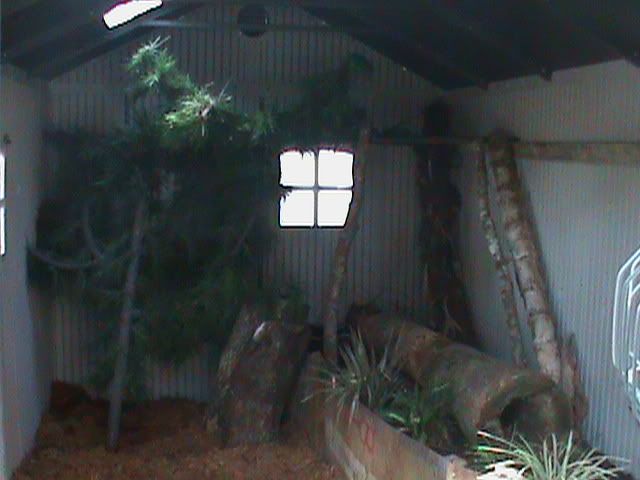
The general cage pic was very old and I eventually added more dirt across the whole floor, logs, trees etc. Just was giving general idea.
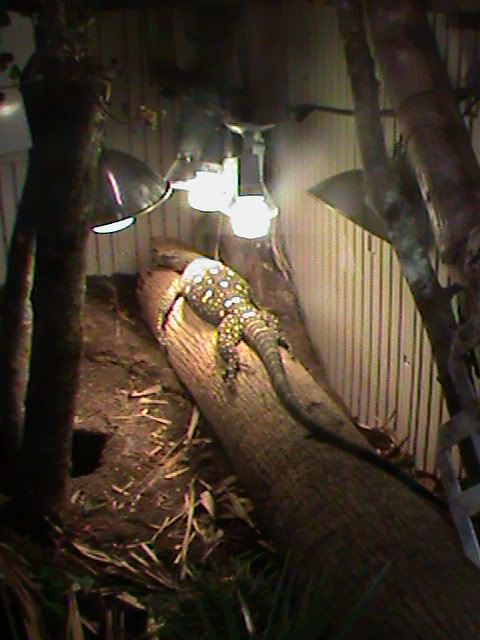
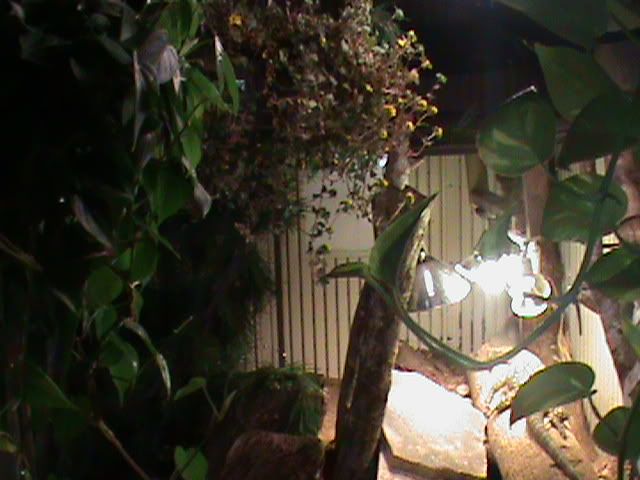
more recent

Site Tools