Reptile & Amphibian Forums

Welcome to kingsnake.com's message board system. Here you may share and discuss information with others about your favorite reptile and amphibian related topics such as care and feeding, caging requirements, permits and licenses, and more. Launched in 1997, the kingsnake.com message board system is one of the oldest and largest systems on the internet.

Click for 65% off Shipping with Reptiles 2 You
Click for ZooMed
Click here to visit Classifieds

Finally, proved out

brick1 Oct 30, 2012 04:30 PM

In 2007 i purchased a group of about 9 animals from a litter produced in eastern europe. I was dubious to what i was looking at, but i took a chance.
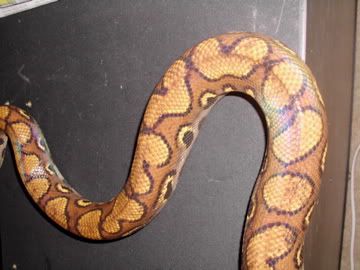
This group turned into my Anery/Yellow group in my own head.... But i still needed to work out the genetics. Today i got one step closer, and was at least correct in the first part of my theory.
Ill post more about my thoughts on this later, but i believe a certain amount of the animals, will turn a strong yellow over the first 18months, and the rest will be anerys.
I think they will all bred true as anerys, but that the yellows have something extra going on.

-----
Dave

Ive given up counting how many rainbows i have, but its enough to deplete my credit card every rodent order....
Im an aussie in an arctic environment
Helsinki, Finland

Replies (13)

waspinator421 Oct 30, 2012 04:56 PM

Congrats! I can't wait until someday I can have a pile of silver, but I have had little luck on the Anery front thus far. Looking forward to seeing how those develop. I hope your Yellow theory pans out.
-----
Aubrey Ross


www.SlipstreamSerpents.com

rascal_rascal_99 Oct 30, 2012 06:20 PM

First off, big congrats on proving it out and hitting on a litter like that!

I am curious about a few things though...was this a visual/visual pairing?

Just wondering since all the babies are anery...or did you just take a shot of only the anerys and not the whole litter?

What do the adults look like?

I can't help but think since you're talking about them turning yellow, that this would be related to the posts before by "BoidMorphs" who has started a couple of threads about anery looking babies and mentions animals that turn yellow as they age?

When you say "breed true"...I just want to make sure I understand what you're talking about by that, do you just mean that it's reproduceable as a normal simple recessive gene, or are you meaning it'll breed and be compatible with another line of anery?

Hope you don't mind the questions, and congrats again on the litter and proving it out!

Charlie

BoidMorphs Oct 30, 2012 08:36 PM

Congratulations on a beautiful litter! I'm VERY interested in this because, as Charlie mentioned, it's exactly what I've witnessed happen with my group. With your animals having originated so far away, it would be weird if somehow our projects are linked. When you think about it, all of these Brazilians didn't exactly originate in either one of our continents so you never know? I'm looking forward to seeing pics of your animals in the future for comparison! Please keep us updated.

brick1 Oct 31, 2012 12:44 AM

Was an anery x yellowish anery pairing.
All the babies were anery, 15 in total, 0 slugs, 0 stillborns.
Ill post some pics of the adults later, plus the adults as babies.

Yes BoidMorphs has mentioned something along those lines, but i think it was me that actually brought up the idea, in like 2008 after seeing one of my anerys turn yellow I have written a thread about it somewhere on KS, but would take me weeks to find it

When i said breed true, yes i was meaning that it will reproduce as a normal simple recessive trait. And that if you do get a yellow animal, it will be an anery.
I also own a bunch of 66% poss het female from 2007, but none went this year.
So while i cant say 100% that this a recessive gene (as i havent done the anery x normal breeding, anery x het etc etc yet) Im 99.999% it is, and this litter wen a long way to proving that i believe.
-----
Dave

Ive given up counting how many rainbows i have, but its enough to deplete my credit card every rodent order....
Im an aussie in an arctic environment
Helsinki, Finland

rascal_rascal_99 Oct 31, 2012 04:53 AM

Very cool stuff Dave, for some reason I feel like I'm being a little slow getting a grasp on this exactly, so I hope you don't mind the questions...

Is this starting from a known line of anery (Sharp or?) or is this it's own separate line of anery?

Do you think the yellow has something to do with the anery gene, or you think there's something else extra going on besides the anery gene that's causing the yellow and more coincidence that they've shown up together?

Thanks again for answering, look forward to hearing what you have to say and seeing pics of what you have going on when you get a chance to share them.

Charlie

brick1 Oct 31, 2012 07:33 AM

Charlie, yes i believe that this is a brand NEW anery line. That will also throw Yellowish animals. I believe that the Yellow has to be an Anery though, ie you wont end up with a Yellow Het Anery.
As i said previously, i basically bought an entire litter of animals from a guy in eastern europe a few years back.
From the couple of photos that i had seen, there was a lot of colour difference as newborns.
There was reds, oranges, darker anery looking, and paler anery looking.
After the purchase i never heard back from him, and am pretty sure i bought most of the litter.
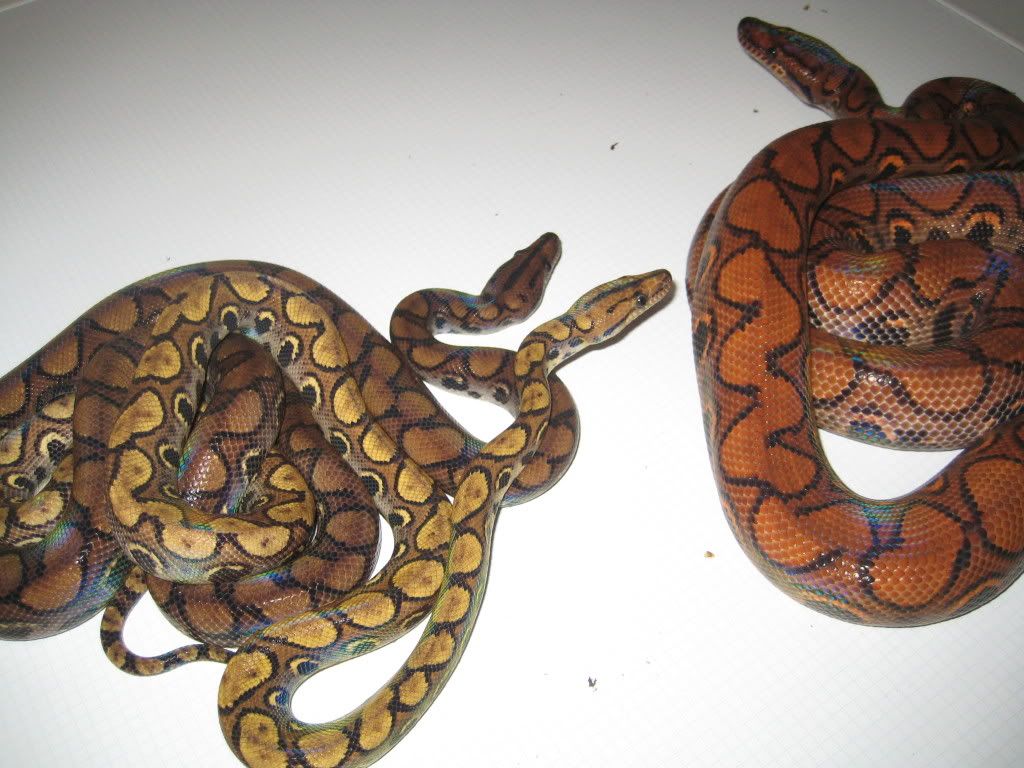
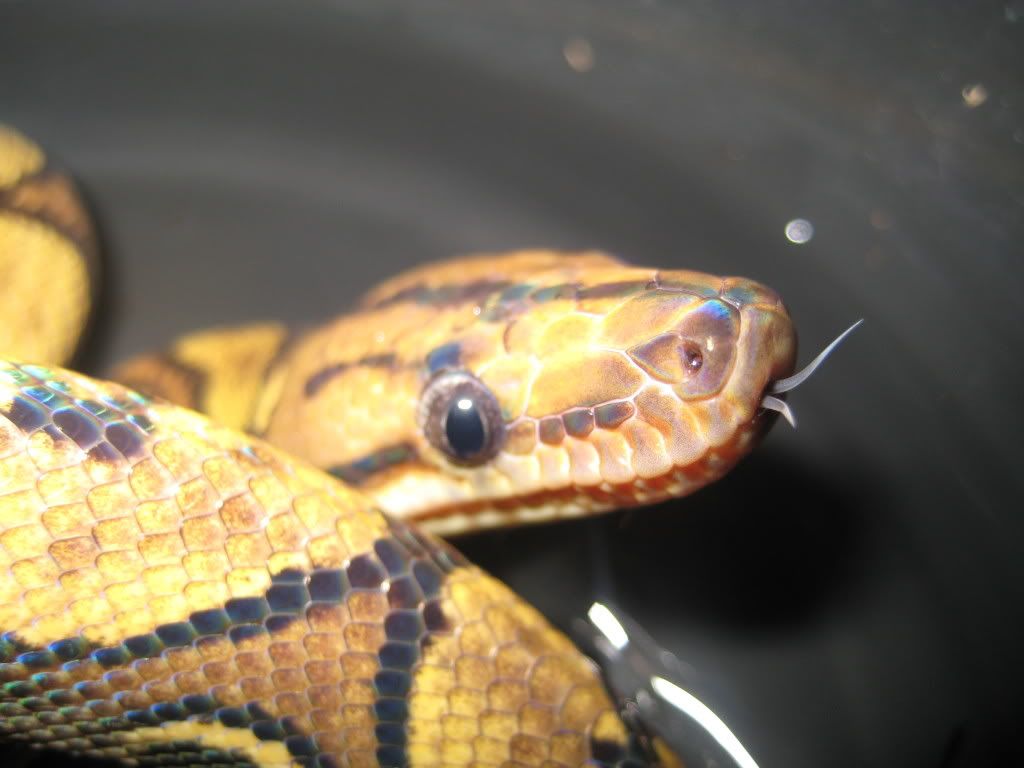
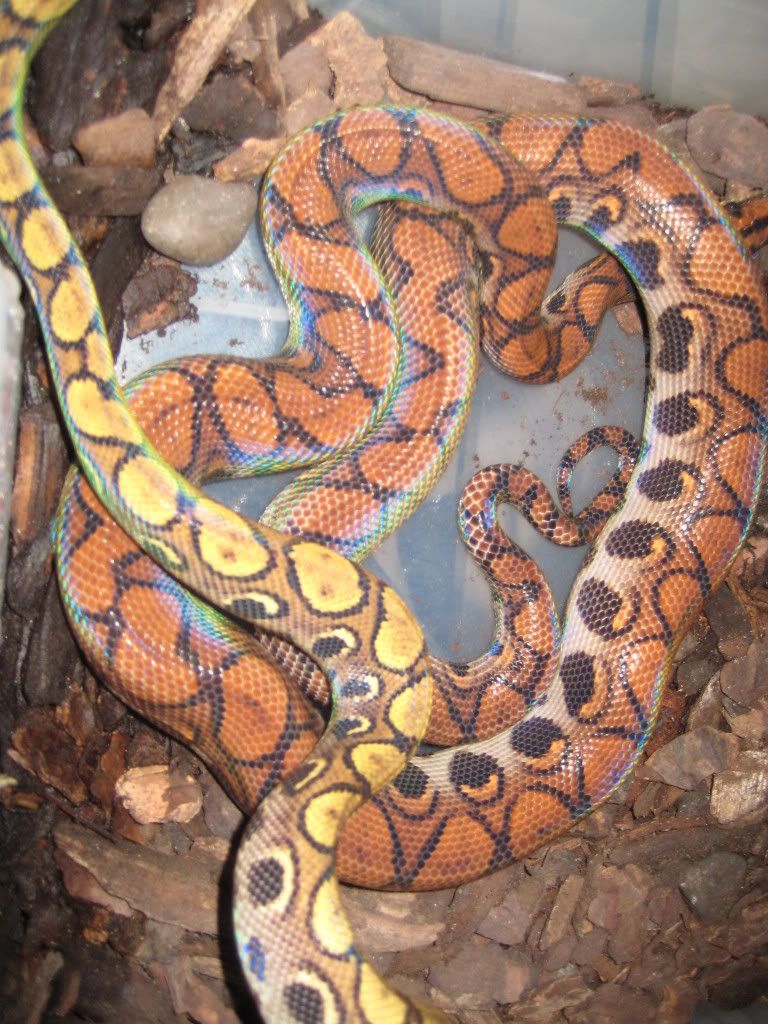
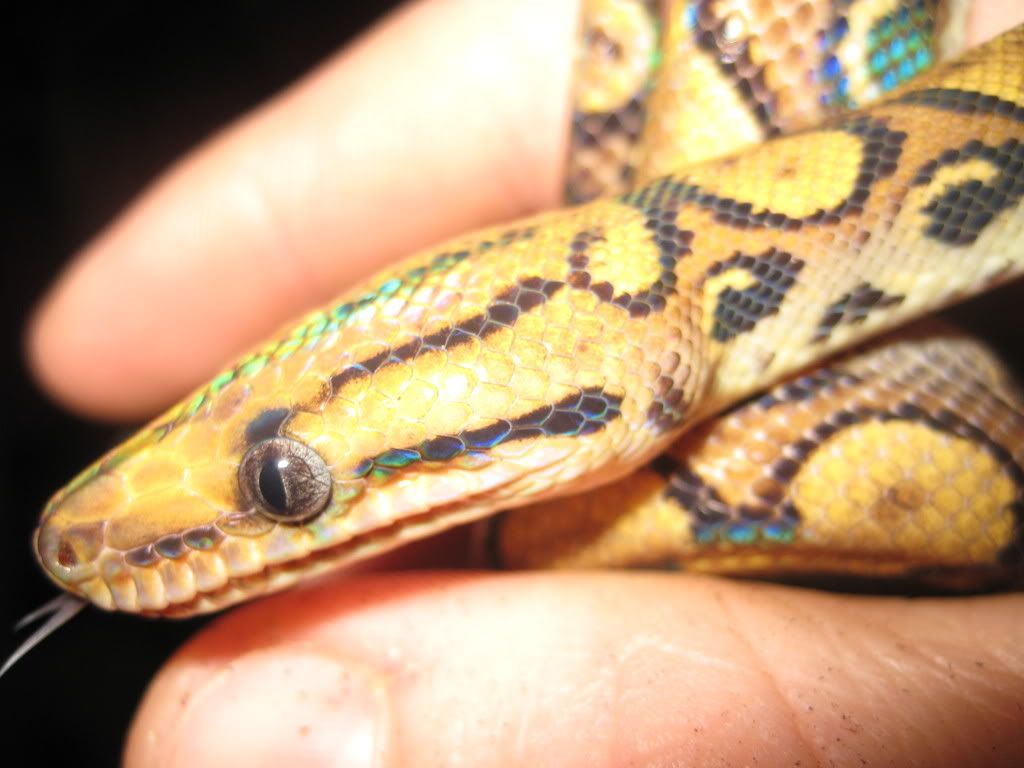
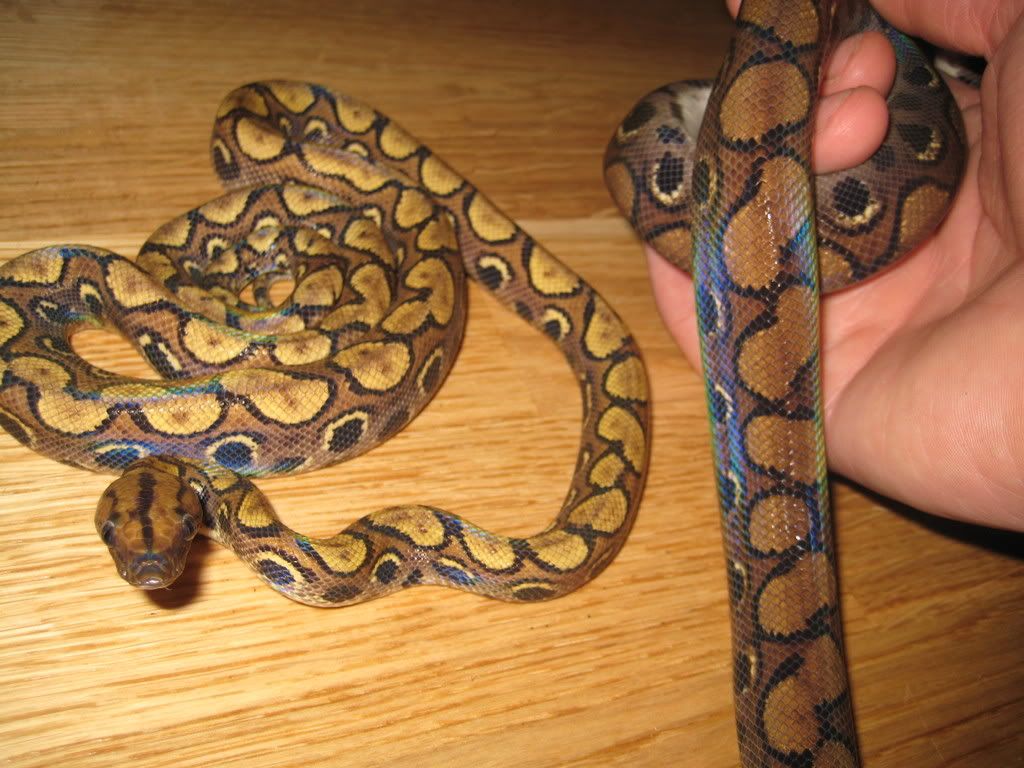
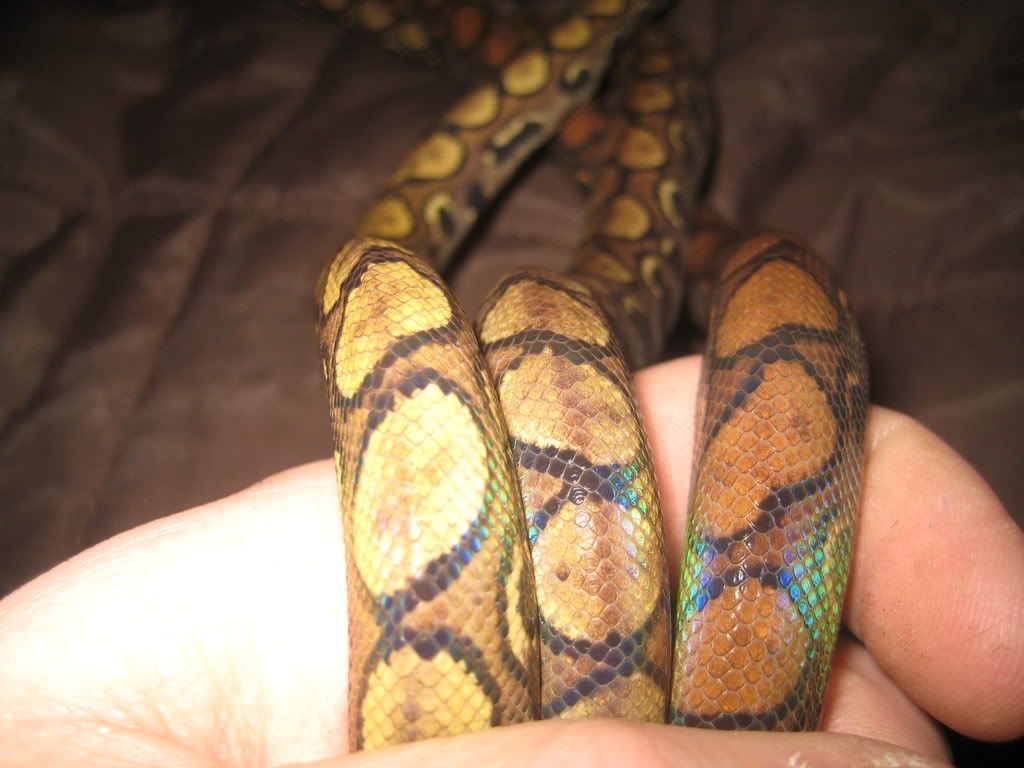
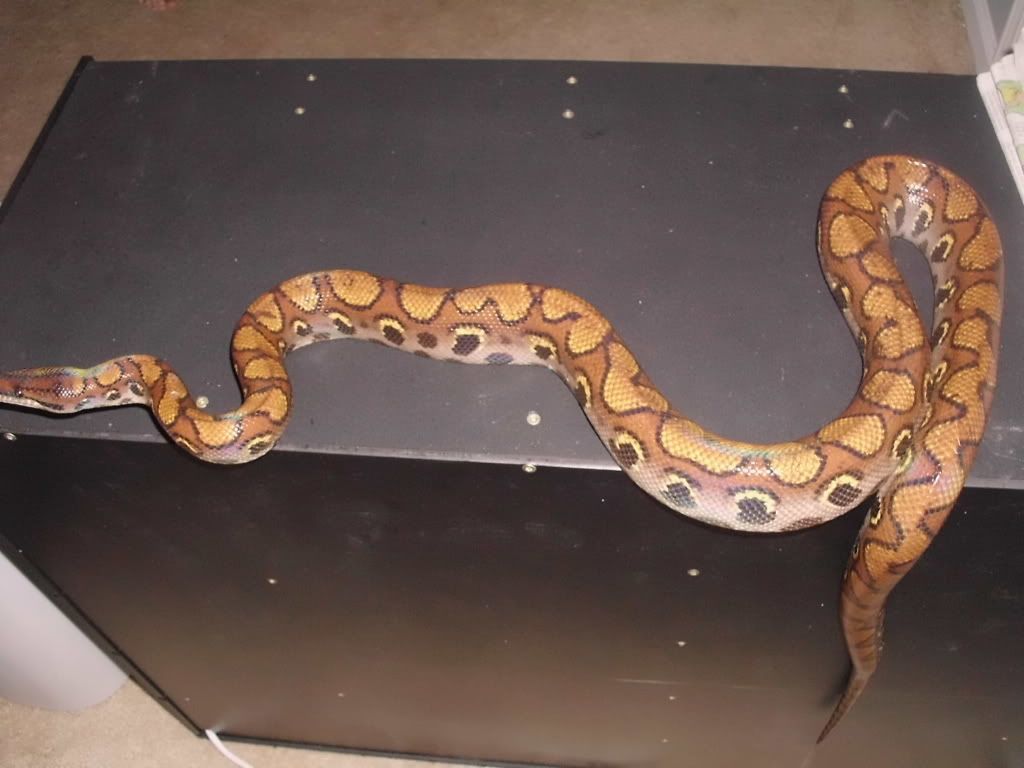
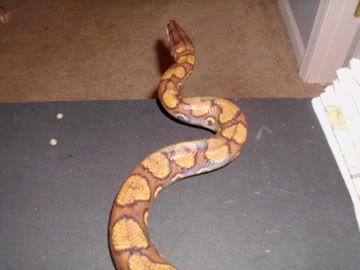
Of the Anery looking animals, as they grew, one turned out like an Anery would, one was bright yellow and one was in between. Unforunately i lost the bright yellow male about 2 years ago.
This current breeding was the result of the Anery Female x Anery Yellowish Male.
Here ive attached some photos, so you will be able to see what i mean.
Hope that makes sense, sort of....


-----
Dave

Ive given up counting how many rainbows i have, but its enough to deplete my credit card every rodent order....
Im an aussie in an arctic environment
Helsinki, Finland

RainbowsByDesign Oct 31, 2012 08:32 AM

Dave, per your request


-----
John Wiseman
www.rainbowsbydesign.com

18.30 BRBs (as of 6-20-2012)
3.8 others

rascal_rascal_99 Oct 31, 2012 05:41 PM

First off, thank you for taking time to explain things better when for some reason my brain just wasn't being able to sort things out very well...much appreciated.

Secondly, sorry to hear about you losing one of the starter animals for this project.

Now for something that I wonder if any of you have thought through this about...

I know many of you understand genetics as well I do (or better) and the correct names for missing colors in animals giving us amels, anerys, axanthics along with the hypo and hyper versions (for starters anyways). These are names that when breeders make a new morph discovery grab the one they want so to speak, or what may at first appear correct, although I dont' doubt that some, especially between anery and axanthic, people may have chosen just out of preference of one word over the other, labeling a morph as if the two terms are interchangable because an anery and axanthic animal resemble each other, when in reality they are different. I'm not faulting anyone for naming xxx morph here, it's not like breeders have the ability to look into an animals dna and see it's genetic blueprint and then name it from that, just making an observation that leads me to my main "what if" point here. I'm basing this whole thought process on just visual guessing also too. WHAT IF...what you have is actually an anerythristic (lacking red) animal, which results in why you are able to have produced yellow animals...and WHAT IF what many of us have as Sharp line anerys if we could see their genetic blueprint are actually axanthic (lacking yellow) instead? If this theory (which may be way outside the box, or someone may show me a flaw in my thinking that I'm overlooking)...if this theory has anything to it, then crossing the two animals may actually give us the more black and white adult animals. I understand your lack of excitement over some of the current lines of anery and how they color up, and I am absolutely not knocking your new line when I say this, I hope you understand that, but even with your line we still don't have a visual adult anery/axanthic appearing animal. I'm not saying they aren't beautiful, they are, but I think all of us (I know I would), would love to see a black and white adult animal that was at least somewhere close to what our black and white babies are.

Thoughts?

Charlie

brick1 Nov 01, 2012 01:46 PM

Yup that pretty much what i am thinking.
Except that the Anery line Sharp, has to be anerythristic, as the base colour of a brb is red, thus lack of it, = anery
What i have wondered and mentioned years ago on this forum about these particular animals, is what IF, a normal BRB, essentially has a layer of yellow under the red. And that the gene that i have, is letting it thru in certain animals??
I think a lot of this, will be worked out, as this litter ages over the next 12months. Pity i dont have room to keep them all
As for getting an actual black and white brb, i sometimes wonder if its just something we havent found yet, and may not be able to make with our current genes. A bit like what happened with Axantic Ball pythons, until VPI brought out their Black Axantics.
I personally just see the Anery gene as a stepping stone to the double and triple gene animals.
While i think a black and white brb, will make a much better Ghost, im not sure if it will make a much better snow, as i think the albino will still cancel out everything anyway
-----
Dave

Ive given up counting how many rainbows i have, but its enough to deplete my credit card every rodent order....
Im an aussie in an arctic environment
Helsinki, Finland

rascal_rascal_99 Nov 01, 2012 10:47 PM

All we can do is have fun with the "what if'ing" for now and see what plays out in the future right?

I totally agree with the theory of layers of red and yellow coloring together creating what we see as one final color, but considering that what you have has the potential anyways to create a yellow animal, where the sharp line doesn't, I still think that leaves room for yours to be anerys and sharp line to be axanthic. What if the natural "red" base color is actually closer to a brownish red color of sharp line anerys, but without the yellow added in it keeps them from being brighter colored animals?

I also wonder now too, if the really brighter orange colored normal brb's in reality aren't actually higher yellow animals if you could strip off the red and look at them. I really think its fascinating, and wonder about why some of yours may turn out yellow and some not, if it's just natural variability, or something else coming into play also.

I guess there's also the issue that even if my idea of having anerys and axanthics crossed together, if adults still color up, if we still simply don't have a genetic mutation yet at the right spot to block color development as it ages.

Fun to think about anyways, thanks for kicking in your thoughts on it!

Charlie

BoidMorphs Nov 02, 2012 06:35 AM

My take on this is the color we see on normal animals predominantly a mix of orange, red, black, etc. Just as leaves turn from green to a variety of colors in the Fall, we can engineer designer color morphs by eliminating different wavelengths of light from being absorbed. Take an extremely dark red animal, strip away the red with the anery gene, and now maybe yellow will prevail. The hypo gene will reduce black, and so forth. Maybe we can create a snow, and then add back color as desired? We are way behind other species in these regards, but I sure there are many projects in the works. It's just a matter of time.

rascal_rascal_99 Nov 02, 2012 04:20 PM

There definitely aren't the number of gene's to play with like some other snakes, rtb's, corn snakes and especially ball pythons (over 1,000 known morphs and designer morphs documented this past summer, with new ones coming out almost constantly) and I love the idea of mixing genetics, that's the only reason I began keeping a small number of bp's. I think there may be a small flaw in your thinking about stripping something down to a snow and then trying to add things back though. Talking of only color changing genes, not patterns... Once you hit a snow, amel x anery, you're pretty much wiping out all the color genes. Anything else you add would most likely not change the appearance, because if you have one gene creating the snow already telling it "none of x color", it's going to most likely cancel out adding in another gene that is telling it "give it a splash of x color". There may be some gene's that can still be worked in to tweak coloring a little, but I would expect them to be extremely subtle. Getting to a snow isn't like erasing a chalk board so you can build from ground zero adding in colors you want, it's more of filtering all the colors from visibilty so that we just don't see them still there, and really the only way to add coloring back in smaller amounts is going to be to remove one of those filters with a less restrictive one.

I do think that some of the morphs like the candy cane and wipeout will end up becoming some of the most desired because they'll be versatile enough to mix and still create new looks, no matter the color gene combination.

Have a great weekend!
Charlie

ccphoto Oct 31, 2012 01:14 PM

Congrats on the litter! They all look great!
-----
Chris Carille
Marist College, NY
Department of Biology
Chris Carille Photography - carillephoto.com
Garden of Eden Exotics - edenexotics.weebly.com
http://nyexotics.blogspot.com/

Site Tools