Reptile & Amphibian Forums

Welcome to kingsnake.com's message board system. Here you may share and discuss information with others about your favorite reptile and amphibian related topics such as care and feeding, caging requirements, permits and licenses, and more. Launched in 1997, the kingsnake.com message board system is one of the oldest and largest systems on the internet.

Click for ZooMed

Funny odds and the second clutch...

RG Jul 29, 2013 10:24 AM

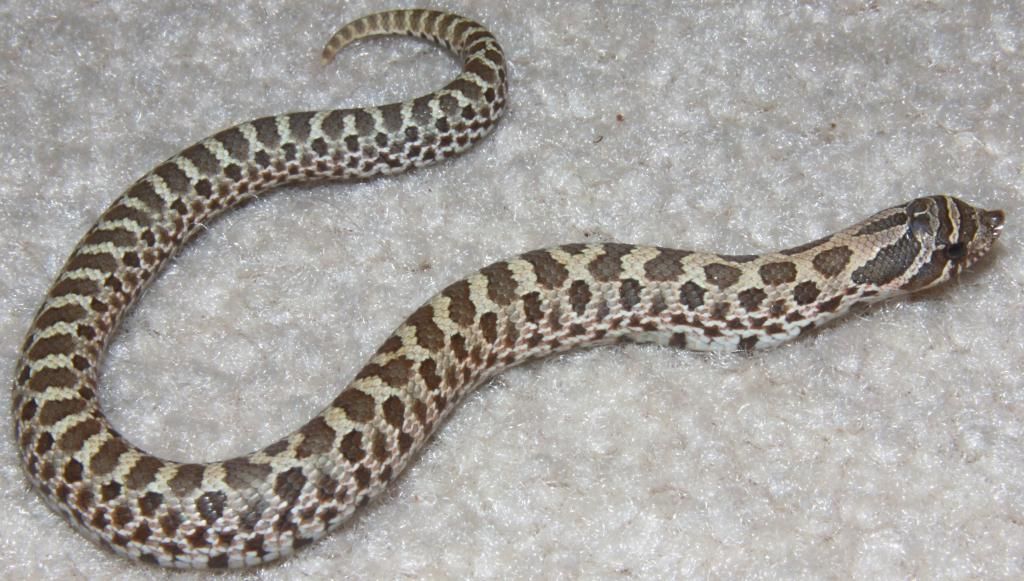
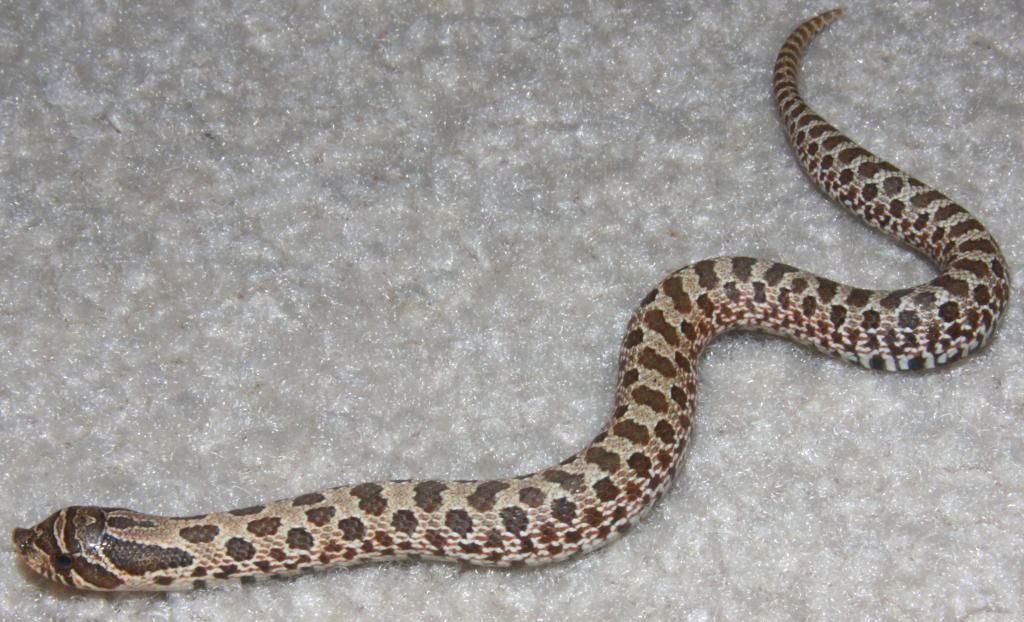
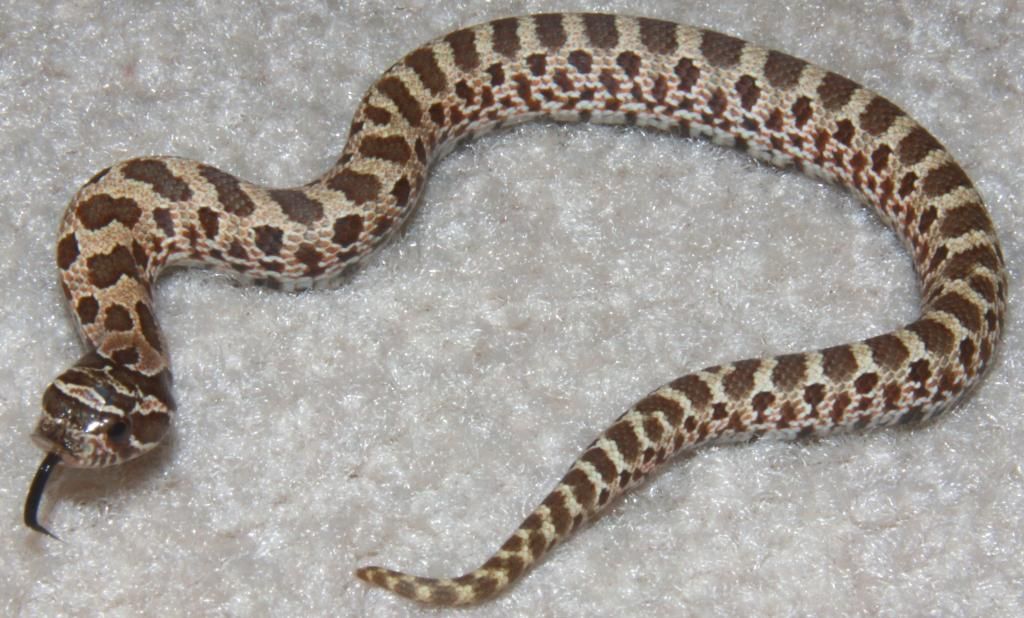
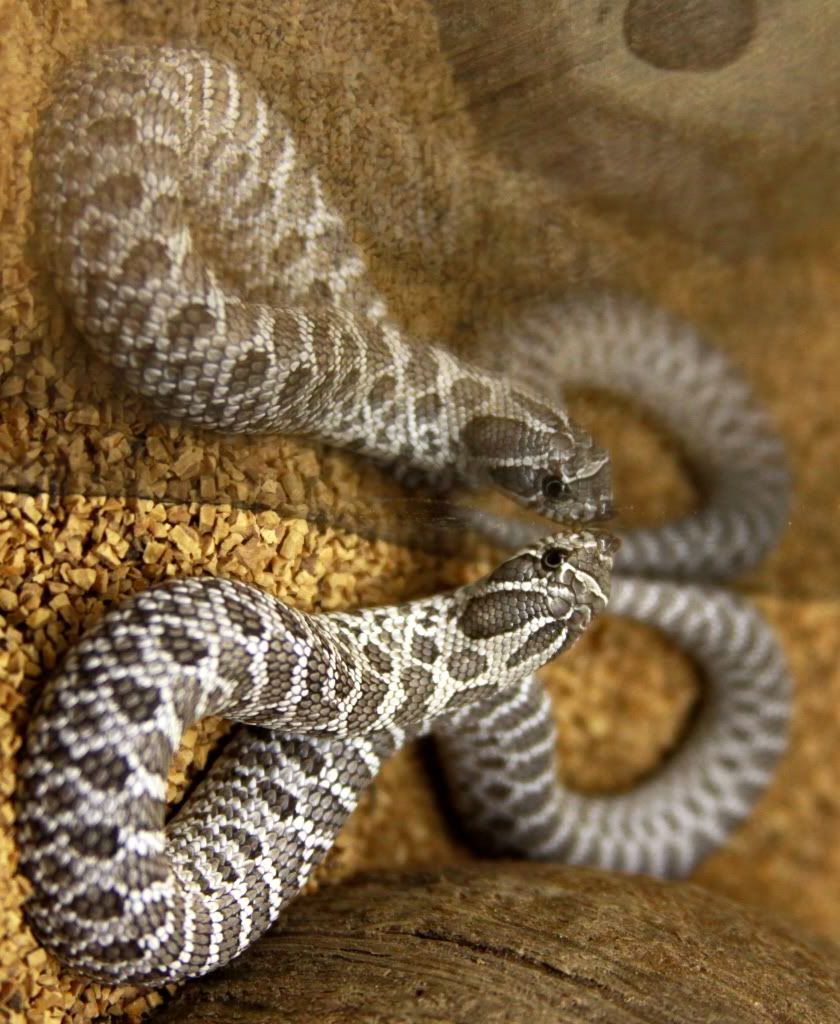
Just last week, my second clutch (a double clutch) of Western Hogs started to hatch.

The pairing was a double clutch from an:
Axanthic 66% Het Amel female (outcrossed lineage from the NY and BHB Axanthic lines)
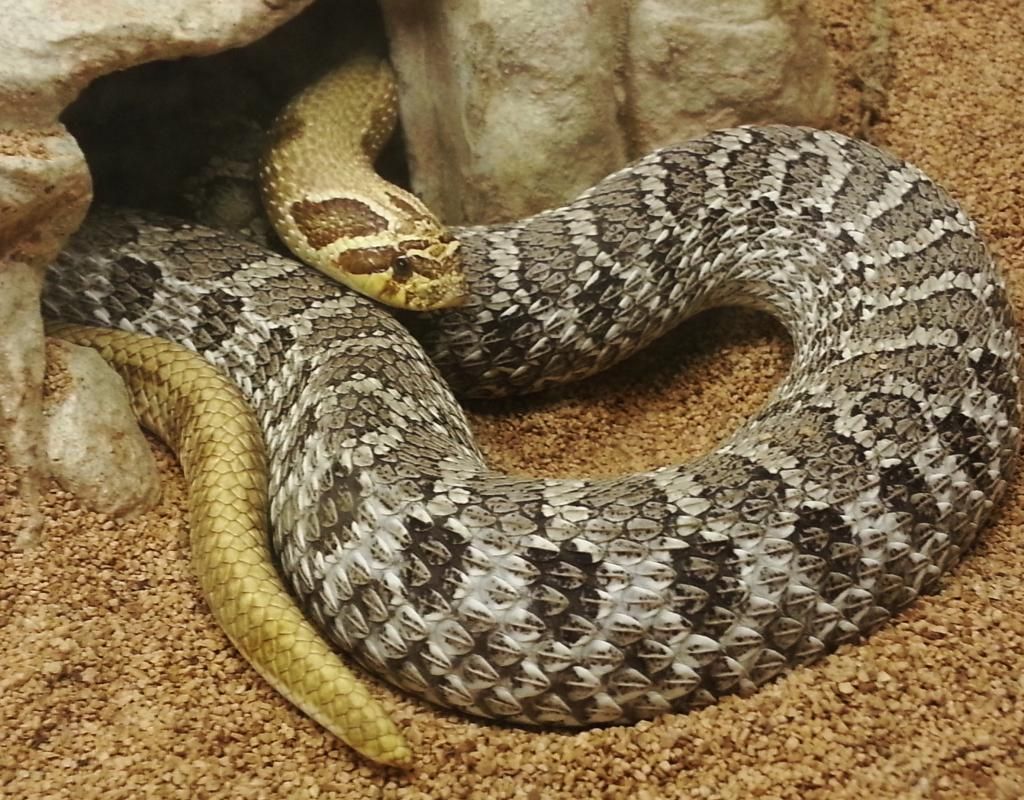
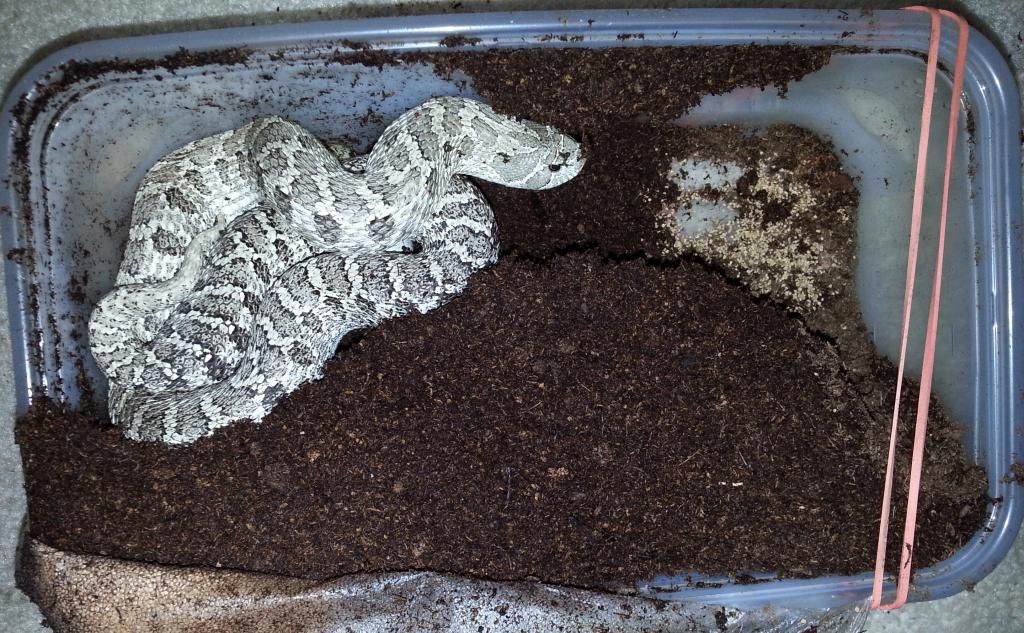
Anaconda 50% Het Amel male
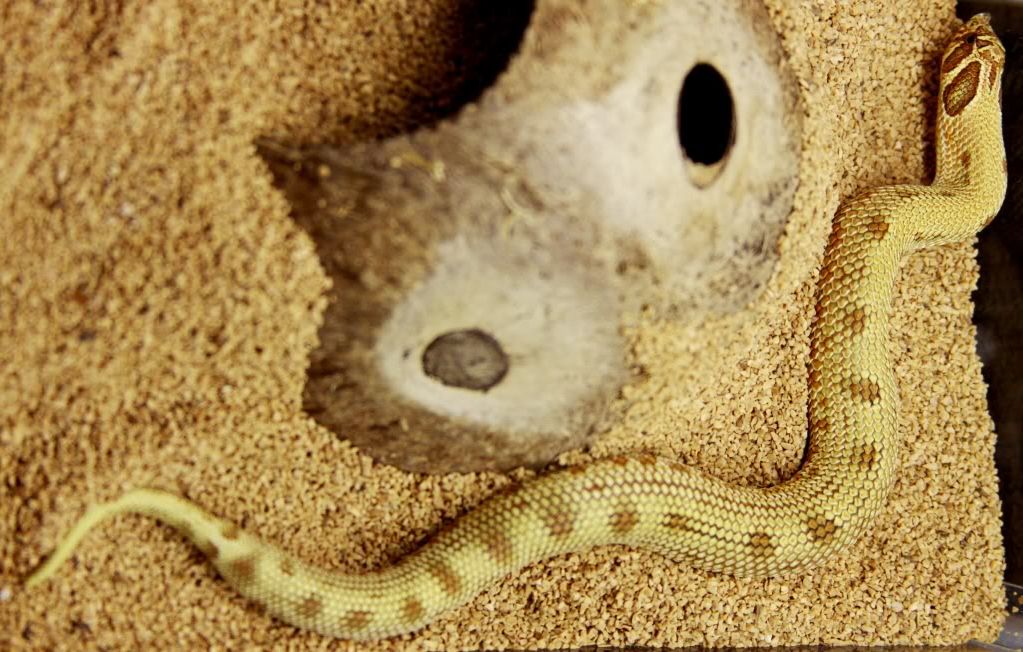
I was hoping to produce some Anacondas this time, because I didn’t get ONE freaking Conda from the first clutch (5 eggs). (about a 3% chance of that happening by the way)

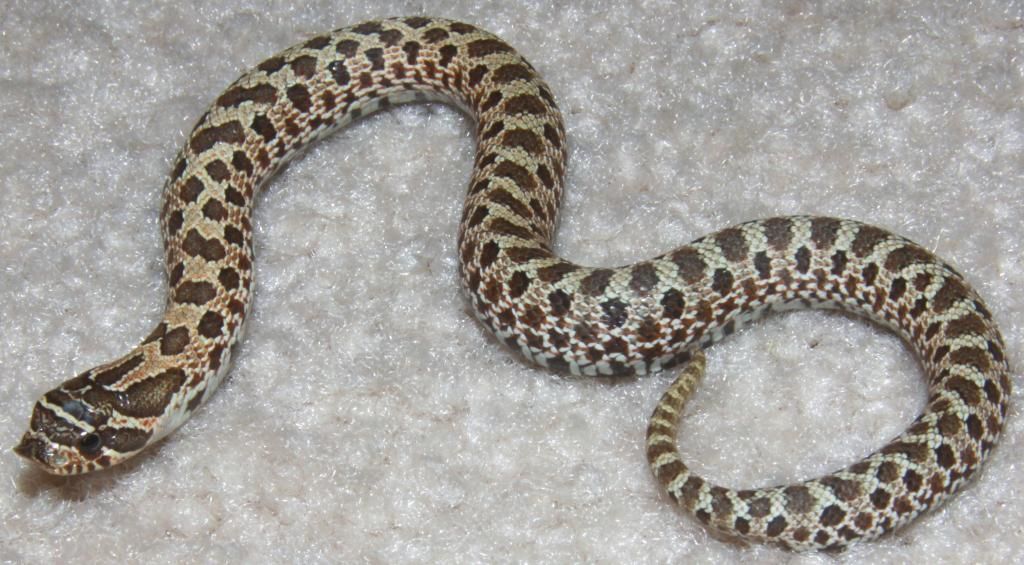
As my luck would have it, the first one to pip was a normal!
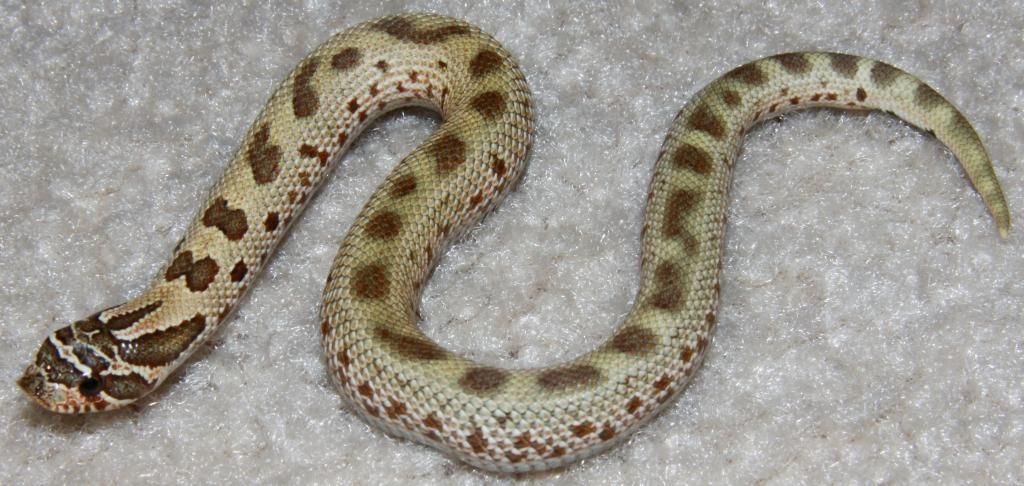
Conversely, the second one to pip and first one out was an Anaconda! FINALLY!
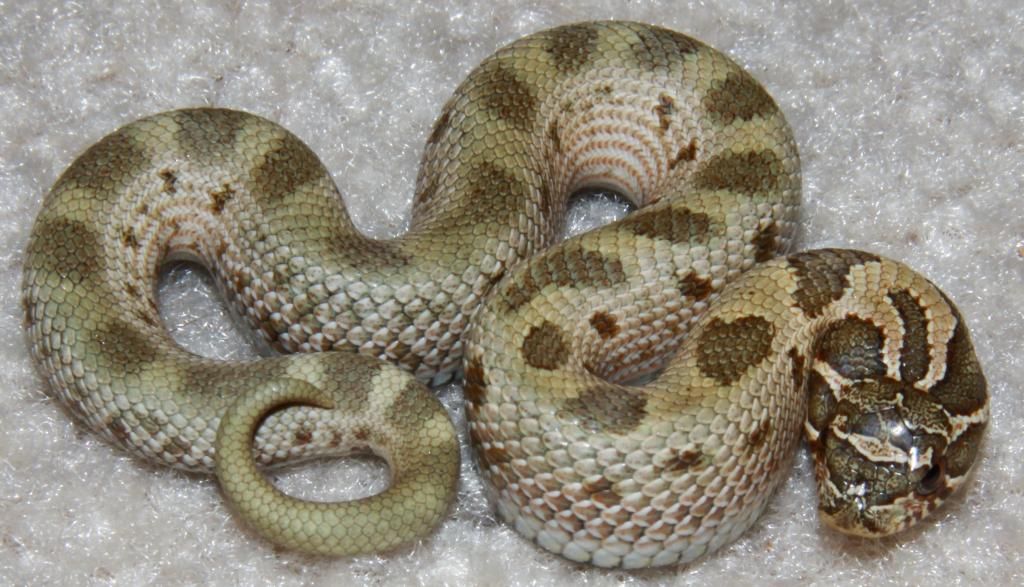
A friend of mine told me I should keep it as a memento, and I think I’m going to do just that.

Over the next couple of days more Normals and Anacondas emerged.
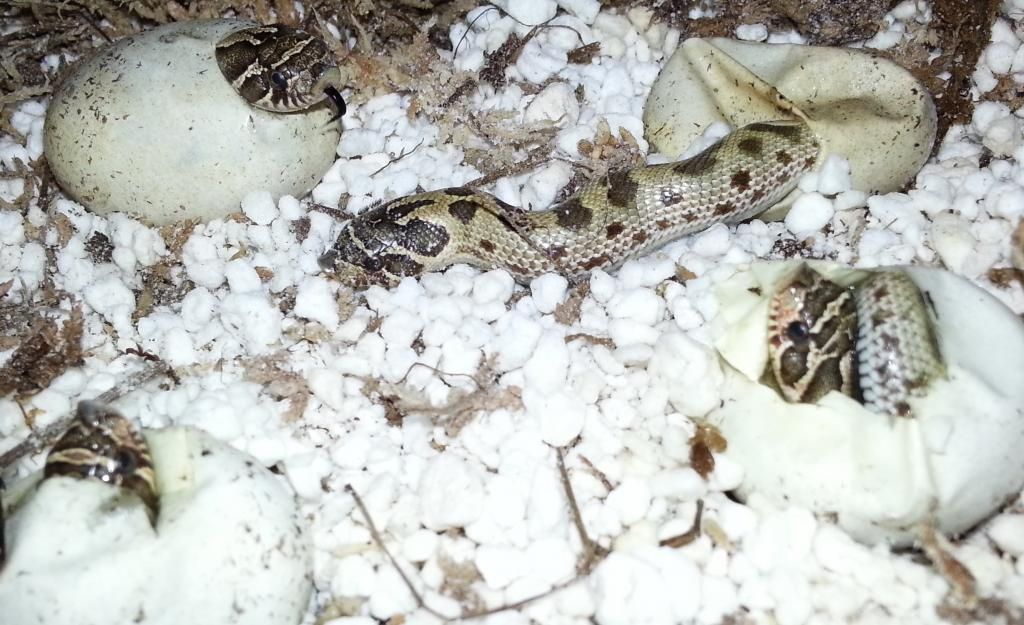
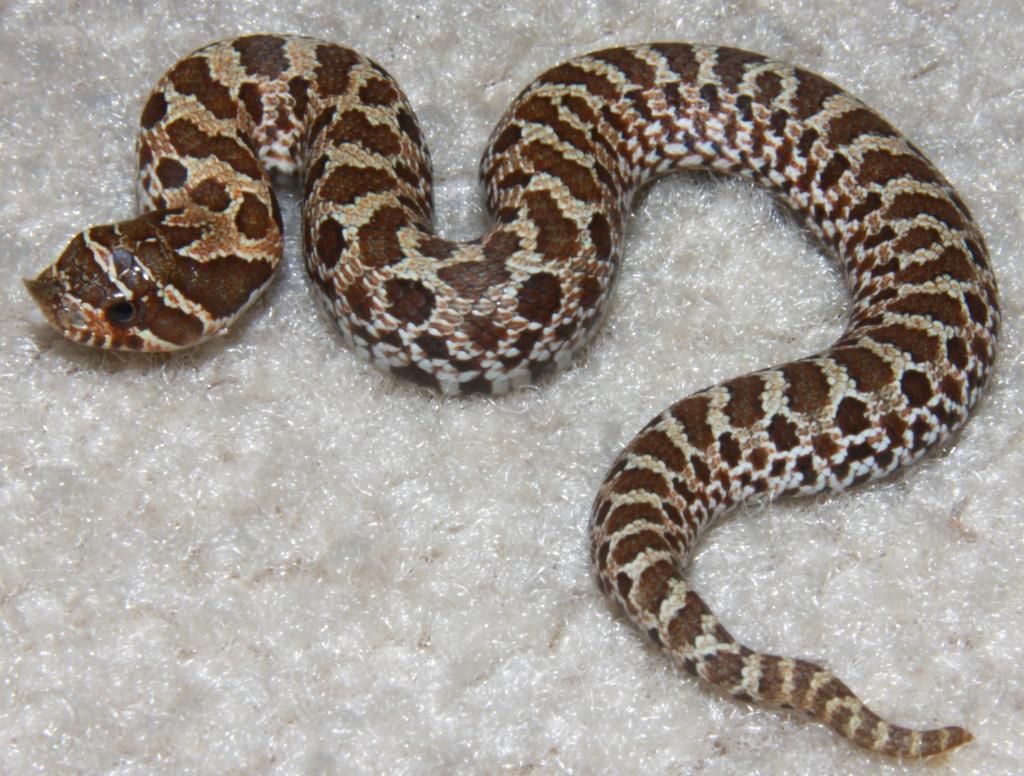
However, there were a few eggs that were late to pip, due to my impatience I carefully opened them and I was extremely surprised to find an Amelanistic Het Axanthic!
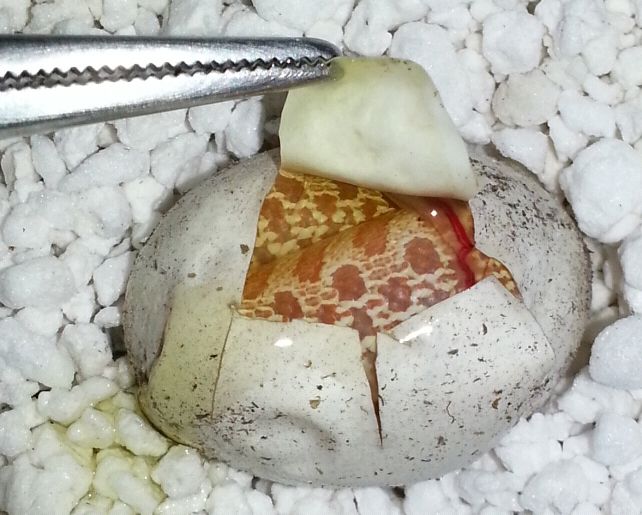
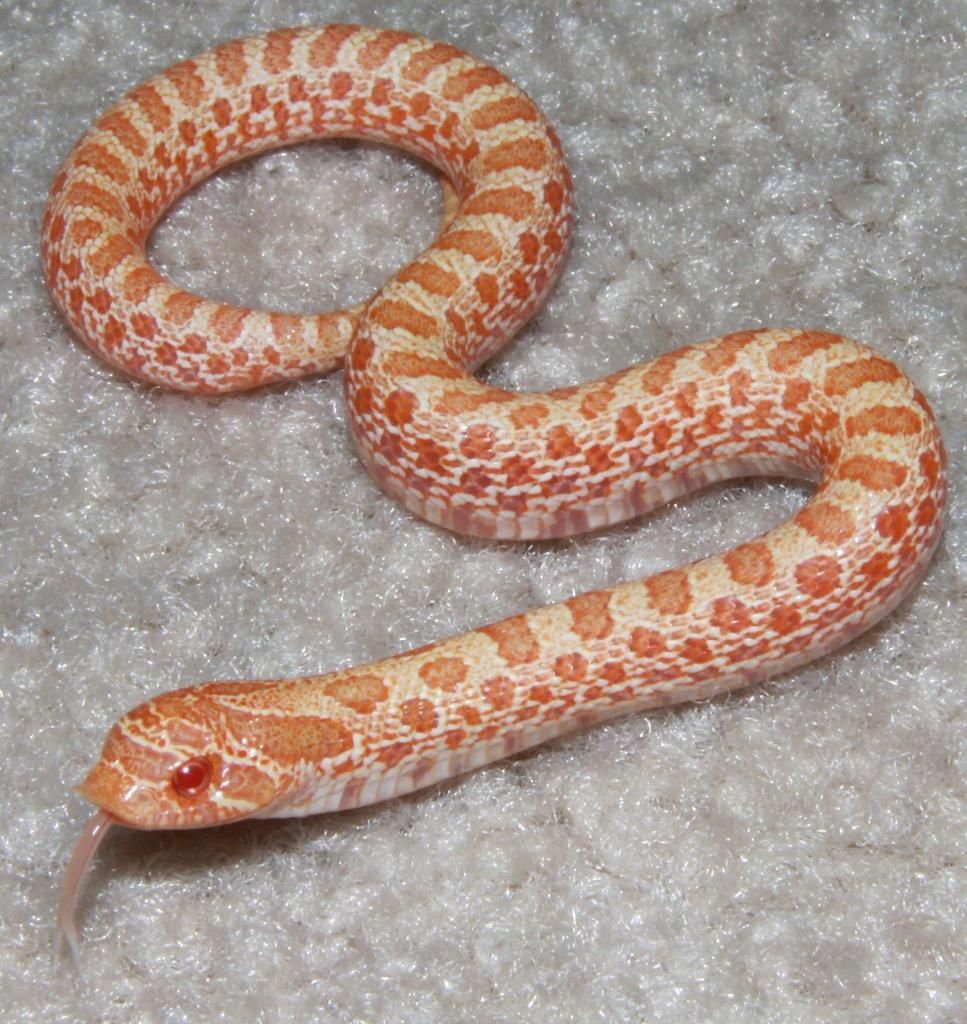
Unfortunately, it wasn’t an Anaconda, but at least I proved both the parents to be 100% het Amel!

After realizing that both parents were 100% het Amel, I was so happy that I proved them out! But then I started thinking how unlucky I’ve been; now knowing both parents are Het Amel.
Statistically speaking I should have had approximately 3 Amels and one should have been an Amel Anaconda. If you factor in the previous clutch (5), I should have had 4 Amels with two Amel Condas….but this is why I love to label statistics “fuzzy math”

Statistical methods are an important tool to help understand and predict outcomes, but sometimes you get lucky…and other times you don’t…either way there are no guarantees!

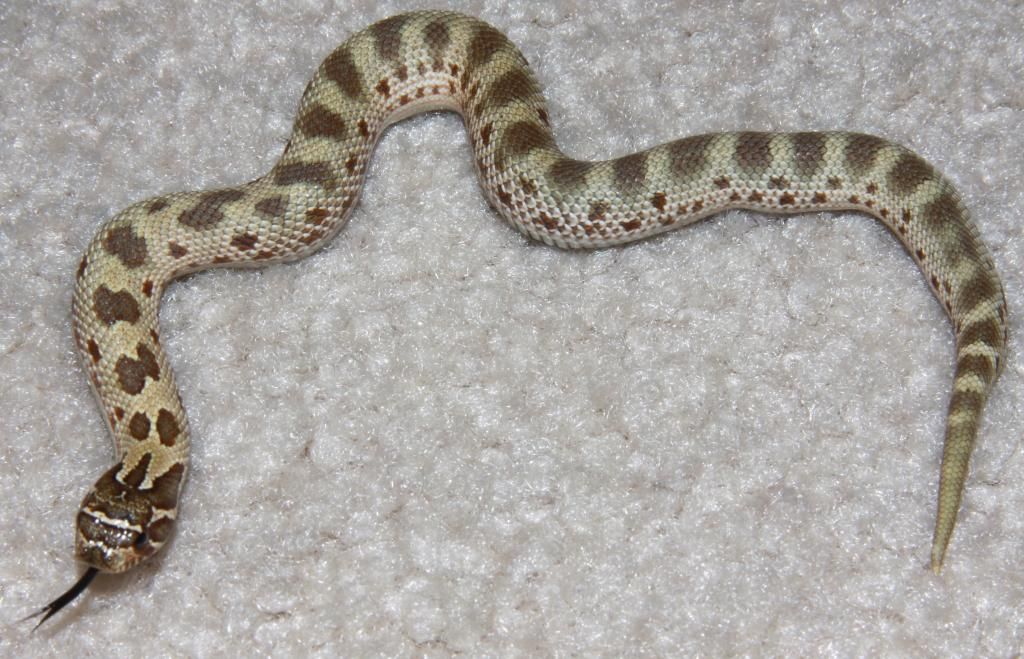
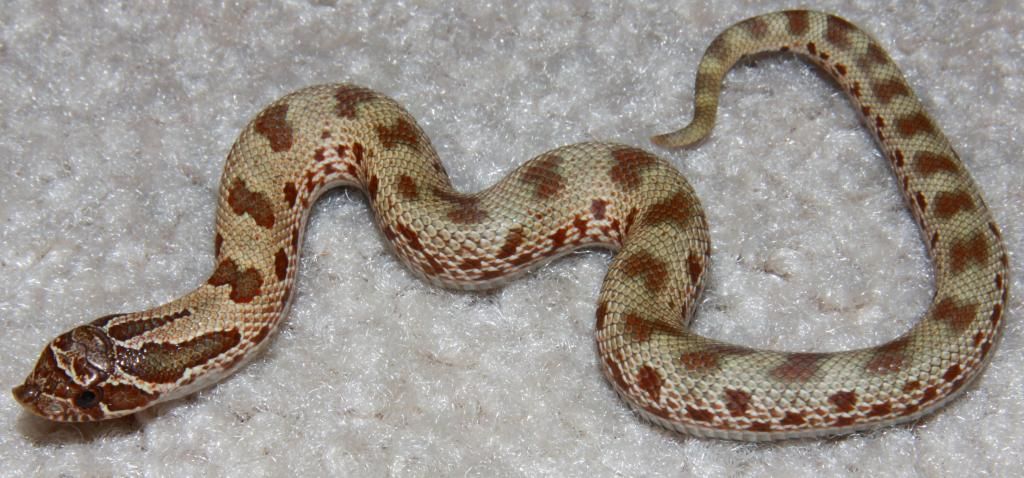
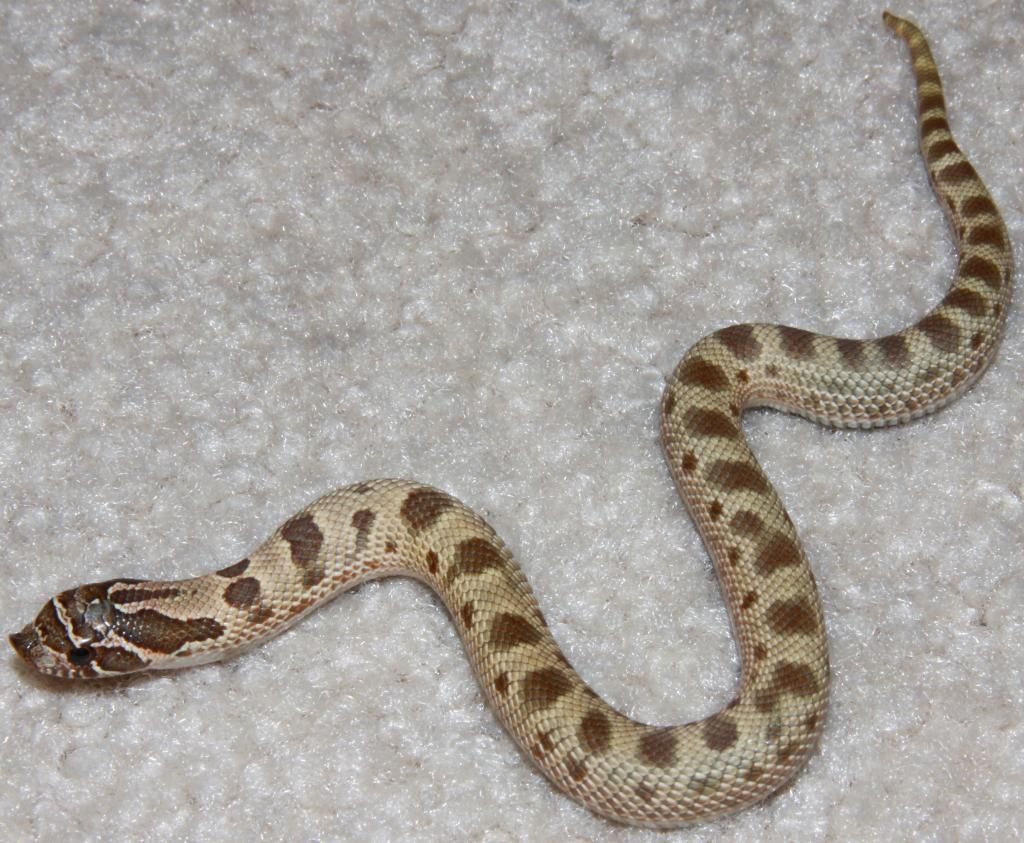
At least the Anaconda genes did try and make up for my bad luck in the first clutch, I ended up with 7.
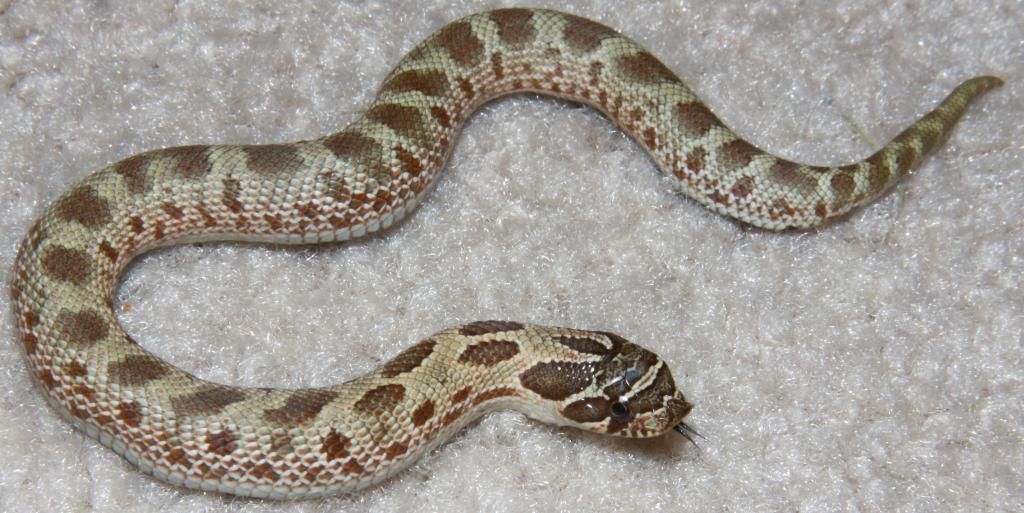
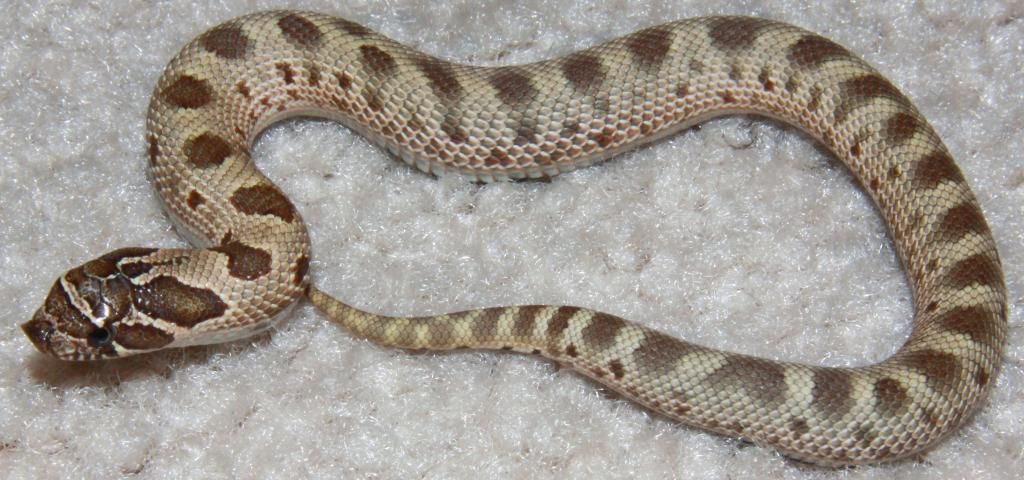
When they first came out all the Condas looked almost exactly alike, but after their first shed they all have taken on their own unique coloration. Also, the Condas were noticeably greener dorsally than the normal clutch mates, not sure what’s going on but I really like the green color with the red highlights on the sides

I’m already excited for next year…and maybe with some guidance from my friends, I might even produce more hogs later this fall.

Hope you all enjoyed the photographs,
Rusty
Replies (19)

Gregg_M_Madden Jul 29, 2013 01:41 PM

Rusty,
Those are some very nice condas my friend. Congrats on that clutch and proving out the hets.

RG Jul 30, 2013 09:06 AM

Thanks Greg, it's been a fun clutch.

caracal Jul 29, 2013 03:49 PM

I love the snake in the second to last pic

RG Jul 30, 2013 09:09 AM

Thanks man!

I like it too but I haven't decided if I'm holding back just one or going for a pair.

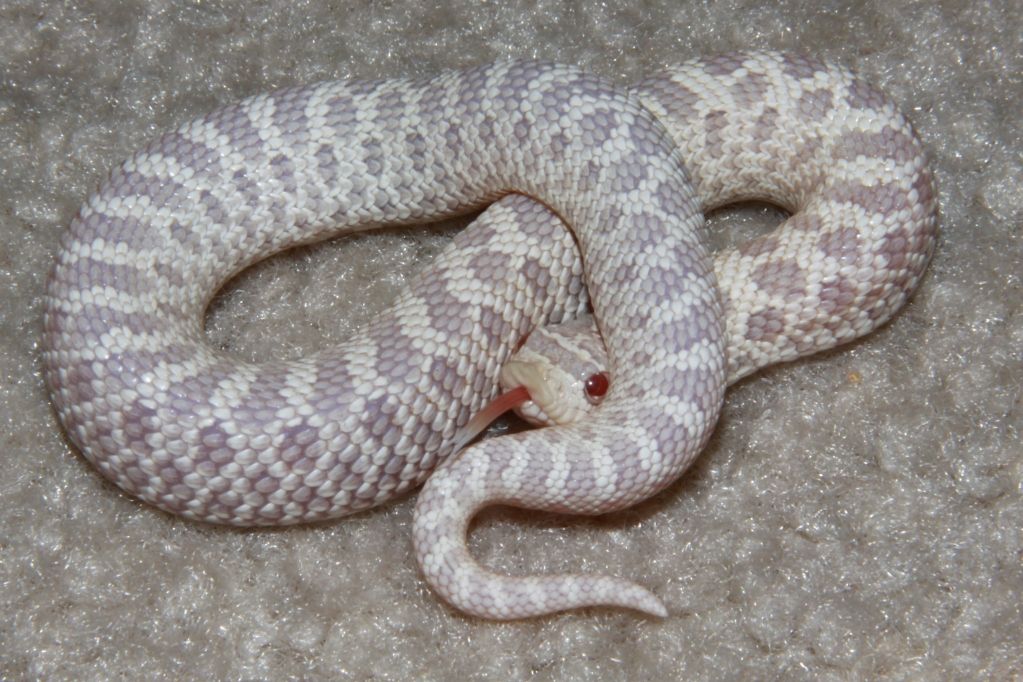
I need a male for sure, to pair with this girl:

geckoejon Jul 29, 2013 05:02 PM

congrats on the beautiful clutch! the female axanthic is very nice as well!

i have a conda het toffee that has a greenish strip and reddish sides also. it does add a cool element to the conda.

jonathan

RG Jul 30, 2013 09:11 AM

Thanks Jonathan, the Green and Red combo reminds me of X-mas.

Which is fitting, because that's exactly how it feels when I hatch these little Hogs out!

Rextiles Jul 29, 2013 05:39 PM

That's awesome news Rusty! I'm so happy that your hets proved out and now you can at least do selective breedings knowing exactly what you are working with.

It is odd how you've not been hitting the "odds" with the Anacondas. It could be just bad luck or it would be something else at play on the genetic side, something effecting the lining up or passing of genes when coupled with your Axanthic female or perhaps the Amel genes on both sides.

I've been interested in trying to understand why non-het Anacondas generally have solid black bellies but when hybridized with Amel genes, that the all black belly can be resumed back into displaying the yellowing we usually see in checkered bellied animals.

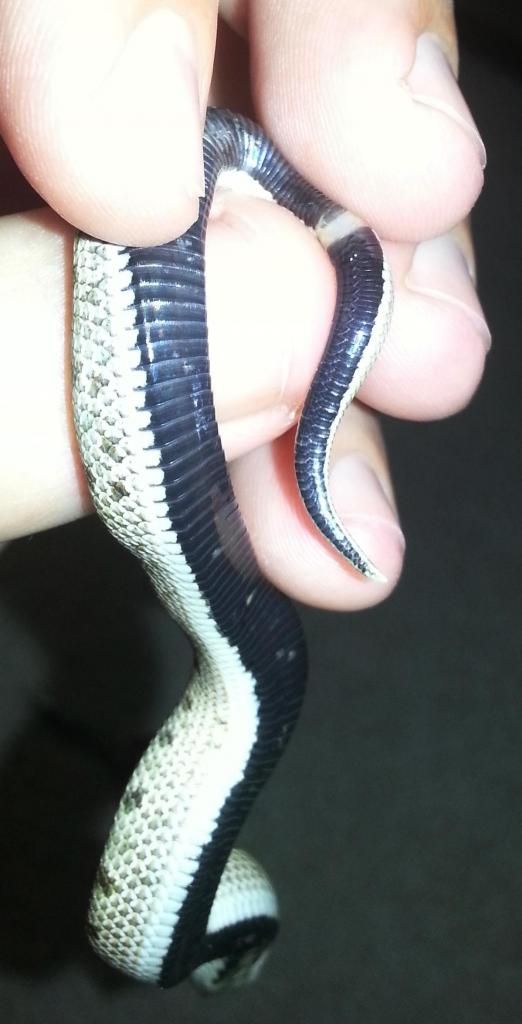
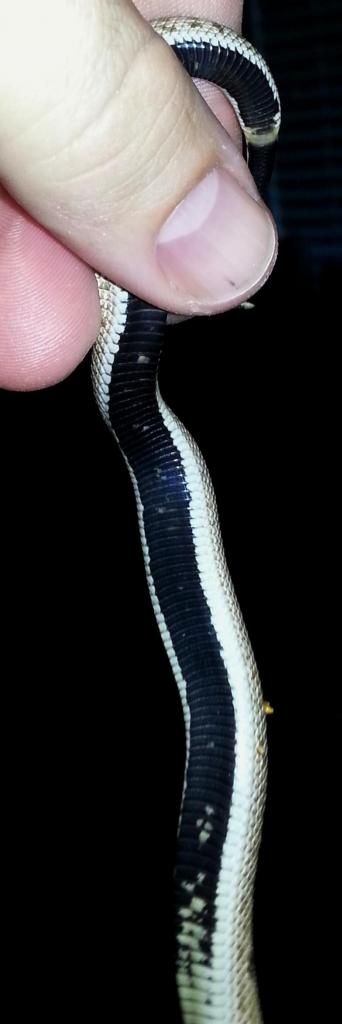
What do the bellies look like on your Anacondas, is there any deviation from the typical black belly often associated with Anacondas?

There's so much we, as keepers, really don't know about how the actual genetics are going to ultimately play out, especially when combining them together, in most morphs. Sure, we have a basic understanding of Dominant/Recessive and Codominant/Incomplete Dominant traits, but there is so much more to learn and understand than just those types of traits alone.

These are definitely exciting times for hognose and I am so happy for you Rusty that your pairings are finally starting to show some fruition!
-----
Troy Rexroth
Rextiles

RG Jul 30, 2013 09:04 AM

Hey Troy,

Here are a couple pics of the belly I took of the first conda that emerged.

Now that you mention it, it does seem to have a few spots of missing black pigment.

I haven't see many Anacondas, so I haven't developed a feel for what they commonly look like...are these spots what you were referring to?

Rextiles Aug 04, 2013 09:50 PM

Actually, those belly pics look fairly standard for an Anaconda, even with the little specks.

What I was referring to seems to be an apparent disruption sometimes/often seen in het Amel Anacondas such as this one I hatched out last year:

I hatched out 3 Anacondas from that pairing (Anaconda male x Amel female) and all 3 of them have a fair amount of yellow coloration disruption but the one pictured shows the most.

Amongst those of us that have witnessed this and talked about it, the common thought is that the presence of the Amel gene is affecting the black belly part of the Anaconda gene, considering that there's a possibility that the black belly is actually a part of the Anaconda gene and not a separate trait that is just closely linked to the Anaconda gene of which it very well could be just that.

So my interest has been whether other recessive traits also cause this "disruption" or not. Apparently in your case with the Axanthic gene, it doesn't seem to be affecting the black belly otherwise we should be seeing white "disruptions". I also don't notice this with either of my Pink Anacondas nor their poss. double het Pink Snow Anaconda sisters, all have black bellies, well, the Pinks just have solid colored bellies. It would be really interesting if this were the case only with the Amel gene. I guess time will tell.
-----
Troy Rexroth
Rextiles

DISCERN Jul 29, 2013 09:09 PM

Great clutch Rusty!!
Is that some greenish hues on the back of some of those anacondas?
Congrats!!
-----
Genesis 1:1

RG Jul 30, 2013 09:13 AM

Thanks man!

HerpZillA Jul 30, 2013 06:38 PM

DROOL! lol

And congrats.
-----
Thanks for reading.
Tom

www.HerpZillA.com
HerpChat

RG Aug 04, 2013 05:09 PM

Thanks Tom!

Don Shores Jul 30, 2013 08:40 PM

Those are a little unusual Rusty. I do like them.

RG Aug 04, 2013 05:10 PM

Thanks for looking Don, 10 of the 13 have already eaten for me!

See you in a couple weeks.

DMong Aug 01, 2013 01:16 PM

Those are some fine looking hatchlings there Rusty!

Great post regarding all the interesting details too bro.

Of COURSE those are going to be greener looking!, after all, they are "ANACONDAS" (Eunectes murinus)..LOL!!

cheers, ~Doug
-----
"a snake in the grass is a GOOD thing"

serpentinespecialties.webs.com

RG Aug 04, 2013 05:13 PM

hahaha!

That is some FUNNY stuff Doug!

Green Anacondas...LMFAO!

Why didn't I think of that!?

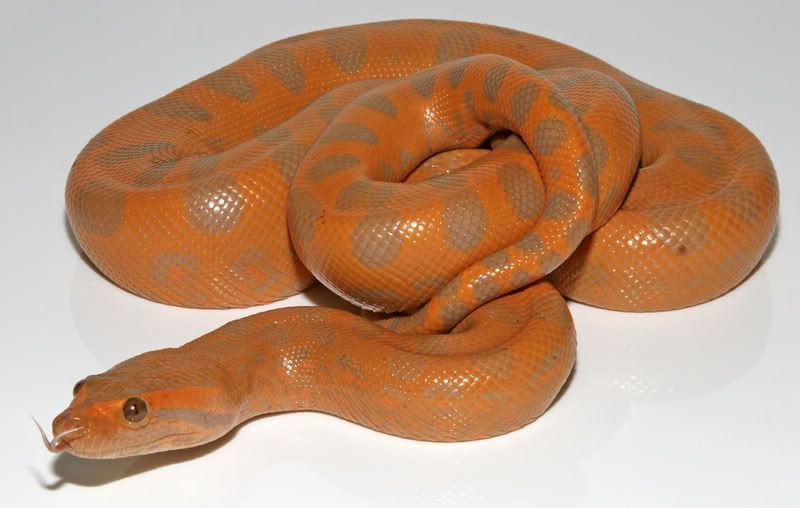
Speaking of Anacondas...check this out!!!!

Amazing looking!
Image

DMong Aug 04, 2013 06:34 PM

HOLY CRAP!!! What a SMOKIN! hypo specimen!!!....DANG!

Thanks for the photo bro.

And best of luck with your nice hatchlings and future Hondo clutches. I'll give you a shout soon. Jimmy and I look forward to seeing you at Daytona if you are going man.

~Doug
-----
"a snake in the grass is a GOOD thing"

serpentinespecialties.webs.com/index.htm

DMong Aug 04, 2013 06:38 PM

Actually, I'm sure that's a t-plus albino it's so incredibly reduced.

~Doug
-----
"a snake in the grass is a GOOD thing"

serpentinespecialties.webs.com/index.htm

Site Tools