In his Cornsnake Morph Guide, Pritzel states that "cornsnakes cannot be het for Miami phase"
What exactly does this mean?
Any help would be appreciated.
Welcome to kingsnake.com's message board system. Here you may share and discuss information with others about your favorite reptile and amphibian related topics such as care and feeding, caging requirements, permits and licenses, and more. Launched in 1997, the kingsnake.com message board system is one of the oldest and largest systems on the internet.



In his Cornsnake Morph Guide, Pritzel states that "cornsnakes cannot be het for Miami phase"
What exactly does this mean?
Any help would be appreciated.
Miami-phase animals are a type of normal, sort of like a breed. If you bred a lab to a collie, the puppies would not be "het" for lab and collie, they'd be mutts.
Miamis, okeetees, alabamas, etc are all normals with distinctive appearances.
True, except just to clarify for the poster, a "Miami phase" or Miami locale animal bred to another genuine cornsnake wouldn't be a "mutt". It would still be a genuinely authentic cornsnake. The coined name "Miami" is because many corns from the Miami and surrounding area are often known for having nice gray background coloration with contrasting red or orange saddle blotching. When these animals are not locale-specific, they are best termed Miami "phase". If they are locale-specific, or originate from a locale-specific pairing from that area of Florida, then they are true "Miami" locality cornsnakes. And to clarify, many corns FROM Miami/Dade County may, or may not display gray backgrounds even though they originate from there. Same thing would apply to "Okeetee" phase and Okeetee locale corns. Here is a nice example of a Miami corn collected in Broward county just above Miami/Dade County that I owned back in the early-mid 90s.
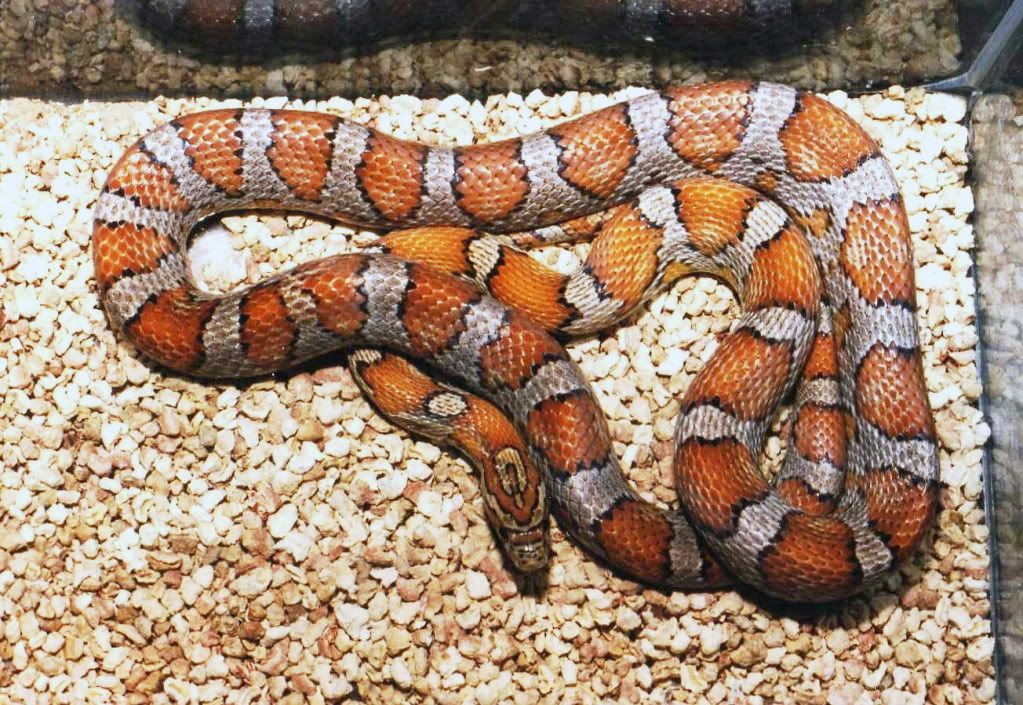
Another female locality corn I owned much more recently that was found by Everglades National Park in extreme southern Miami/Dade county about 2 years ago.
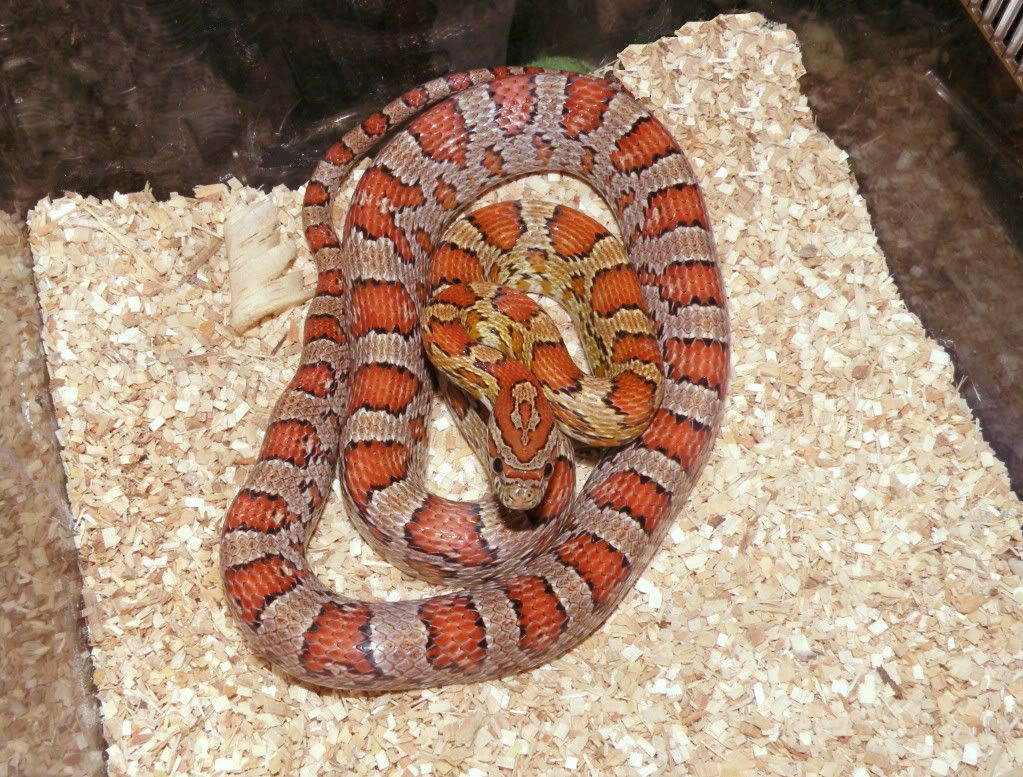
Here is a very odd hypermelanistic (exaggereated dark pigment) locality Miami corn I owned back in the early 90s. This animals overall background was much darker gray than most, and had areas of the body that were solid black on only HALF the body!!...weird! 
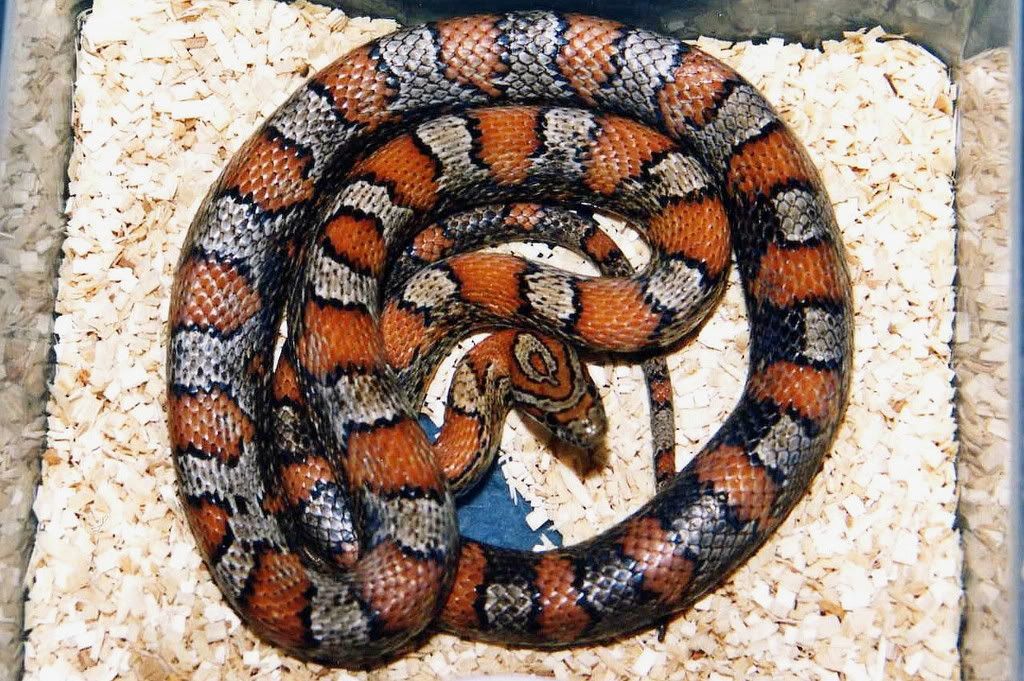
Here is an outstanding non-locale Miami "phase" corn my good friend Jorge Sierra recently produced from his awesome Miami breeding group.
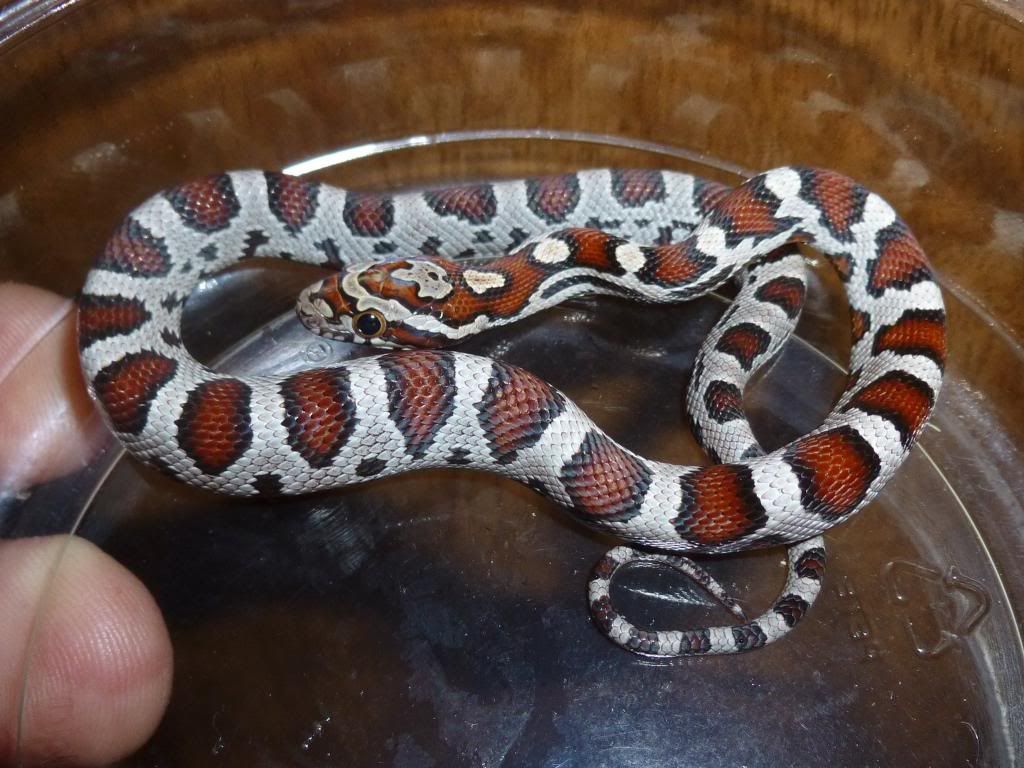
cheers, ~Doug
-----
"a snake in the grass is a GOOD thing" 

serpentinespecialties.webs.com/index.htm
Help, tips & resources quick links
Manage your user and advertising accounts
Advertising and services purchase quick links
