Anymore have comparison pics showing adult nasicus compared to adult kennerlyi? Like to see how much smaller adult Mexicans are compared to adult Westerns. Thanx. Curious.
reako45
Welcome to kingsnake.com's message board system. Here you may share and discuss information with others about your favorite reptile and amphibian related topics such as care and feeding, caging requirements, permits and licenses, and more. Launched in 1997, the kingsnake.com message board system is one of the oldest and largest systems on the internet.



Anymore have comparison pics showing adult nasicus compared to adult kennerlyi? Like to see how much smaller adult Mexicans are compared to adult Westerns. Thanx. Curious.
reako45
Interesting question, I asked this when I first came here. Got nothing from it.
My son has done all manner of internet research and there seems to be two opinions, One, westerns are larger. 2. kenneryli is larger.
That one book had a pic of a western that was 41 inches. A friend in town here, knows a girl in Fla. that claims a 54 inch western. That would be completely out of hand. I said, I bet its an eastern(if one is that size)
In my field work, females seem to be mature and reproducing around two feet, and the largest I personally have seen recently is 29 inches. In the distant past in texas, I saw some 30 inchers. My friend said he saw a 32 incher in my area. He also said, males stay small 14 to 18 inches. Yet I found a 25 inch male and several 20 inch plus males, but most males are In the range he mentioned. I showed him the 25 incher and he said, DUDE that's a big one. In captivity(so far) males reach 12 inches very quickly, become sexually mature, and lose interest in feeding a lot(grow slowly) and gain interest in girls, a whole lot. Hogs are as bad as torts, the scent of a women drives them silly nuts crazy. So my opinion so far is, they are close to the same.
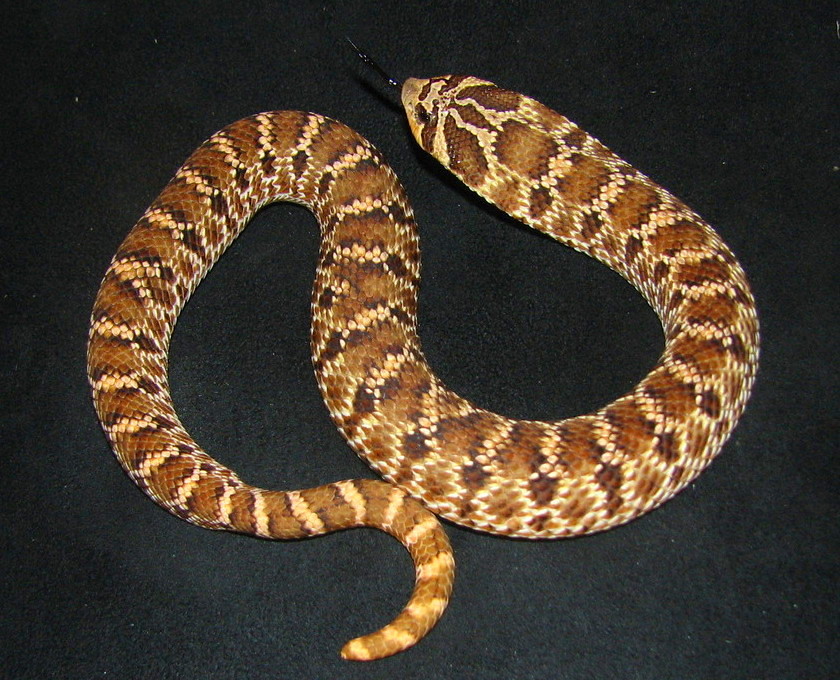
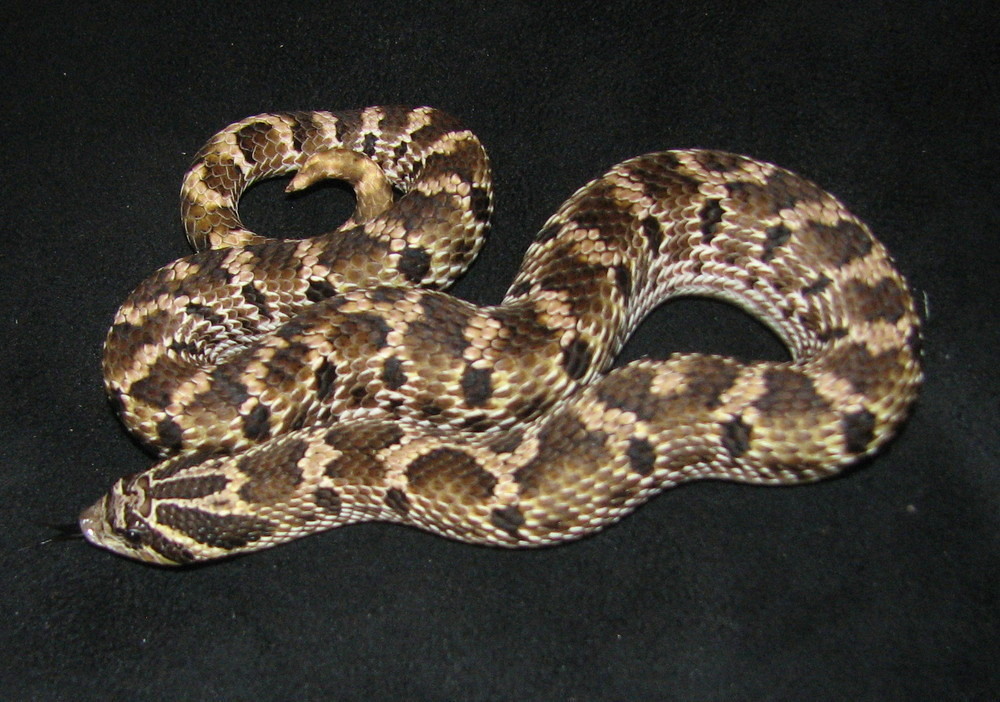
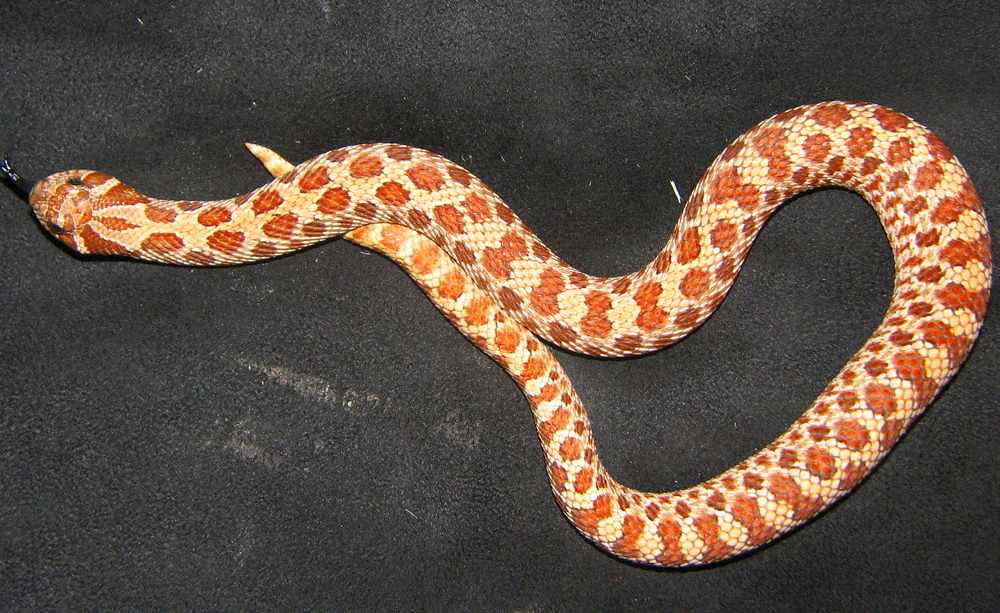
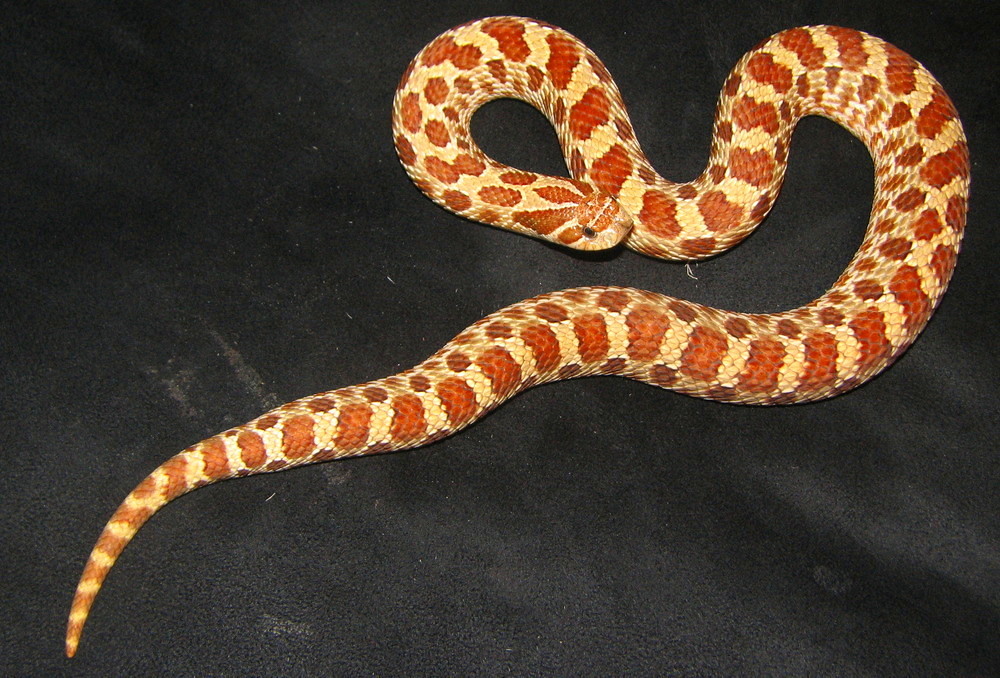
The pattern differences are easily distinguishable.
Adult pair of H.kennerlyi
Adult pair of H. nasicus
Hi Gregg, I think he was concerned with size as adults.
ALso, pattern is different with animals from extreme localities, such as northern westerns vs. Kennerlyi. But not different at all with southern type westerns, which occur and blend with kennerlyi.
As far as the trade goes, what you say is true for now. ALso, they are built differently as well. True kennerlyi are a bit flattened and true westerns(northern types) are more cylindrical.
All in all, I think the paper that separated them was very weak. It ended up calling them semi-species. As only one scale type separated them and that was only 85% accurate with that one scale(azygous)
With our hogs, there is a real difference in the nasal scale structure between the two. But they only used scales where numbers were the variable. Not structure.
Great pics, Greg. Yes, pattern difference is quite apparent. Since you keep both, have you ever hatched out a clutch of Westerns and a clutch of Mexicans in the same season, and had a chance to observe their growth rate and potential when fed similarly?
Frank, your observation about patterns makes me want to do a locality Hog comparison (both Kennerlyi and nasicus), as I'm a fan of locality CalKings, Rosies, and Gophers.
reako45
A lot of fun could be had, hunting localities. Next year I am going to do a bit more. Not much has been done with hogs. They are sorta the snake you find on your way to finding other snakes. hahahahahahahahahaha.
Our Mexicans and westerns grow about the same. Females going to a bit over 20 inches in a year. But I do not think I have a handle on them yet. I have them doing well, but I think they could do a whole lot better. But then, I am new with hogs.
Frank, do you do your field observations @ more than one site? If so, what type of variability have you noticed in the Hogs you've observed? Pattern? Size? I'm in CA so I get to see variability in Kings, Rosies and Gophers only relatively short distance from each other, but separated by geographical features (hills, roads, valleys etc.).
reako45
Of course, its the same. I do not even think you need physical separation to have isolated genetic populations. I think, that's how most reptiles work. They live in inbreed colonies primarily and outbreed RARELY, and I mean rarely.
As I mentioned, I plan of spending more time in different locals. But its hard. I have only spend one year at one local and I am only starting to understand it.
As you know, each season is a bit different.
Help, tips & resources quick links
Manage your user and advertising accounts
Advertising and services purchase quick links
