hahahahahahaha as you know, I go by the book of nature first, and other books by people doing the best they can to describe nature, and last by husbandry books.
One more clarification, this is for keepers who are interested, those not interested, its not for you.
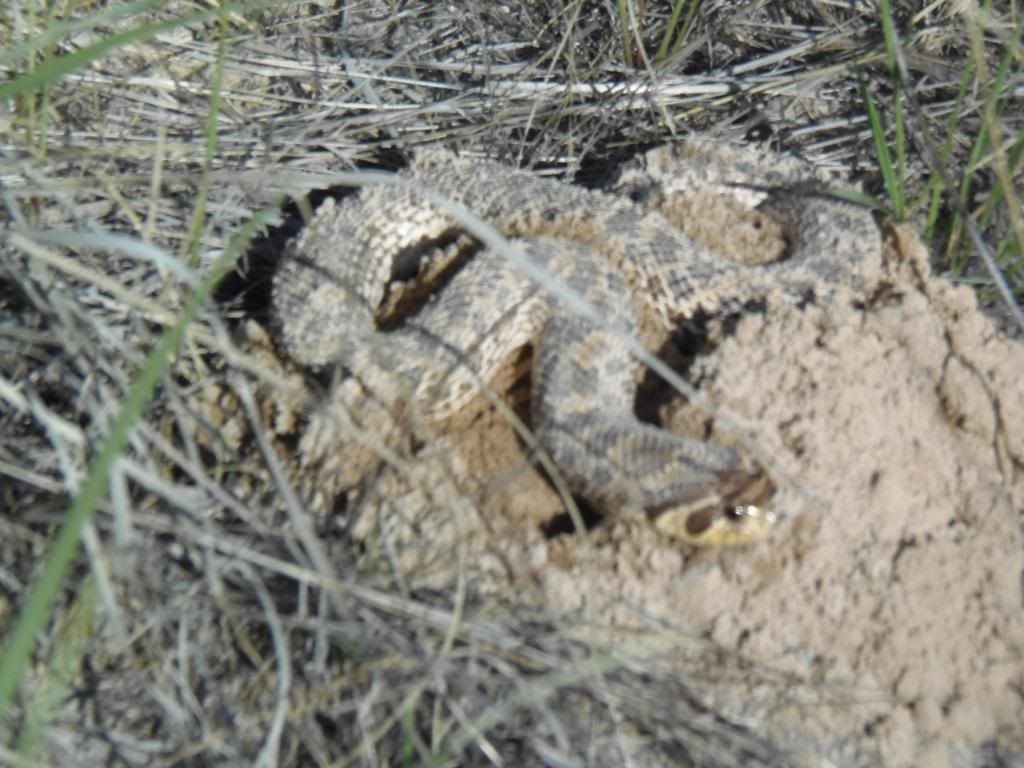
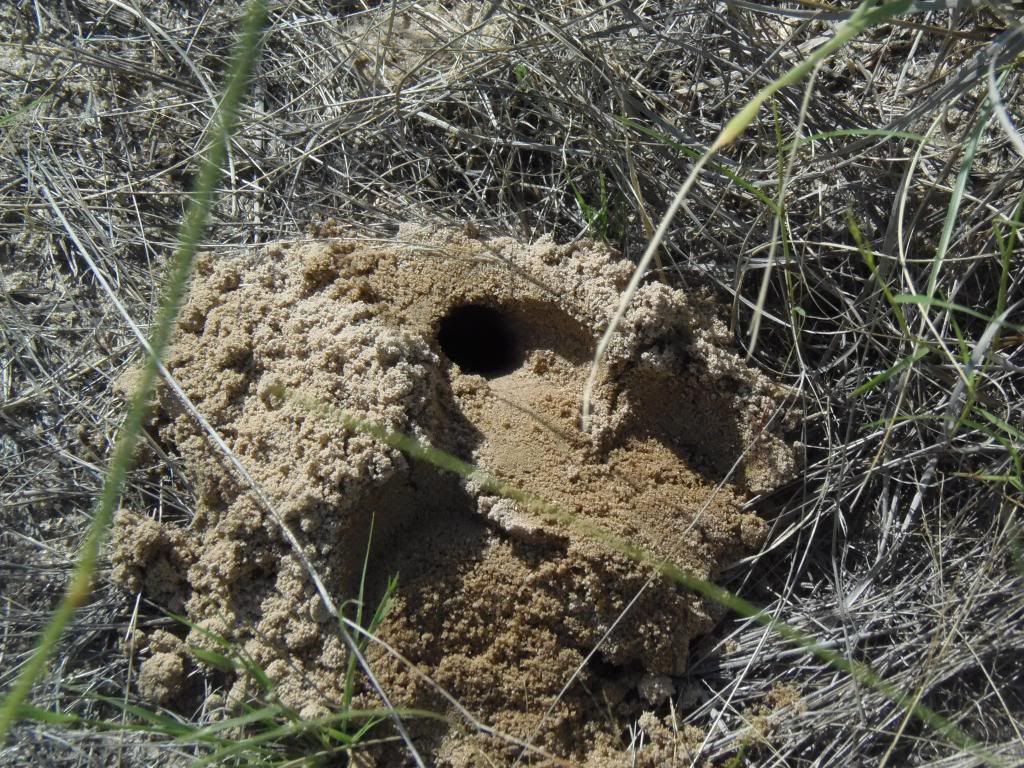
Top two photos, show a hog digging down, you can see dry sand and moist sand, these two pics clearly show type of sand and moisture of sand.
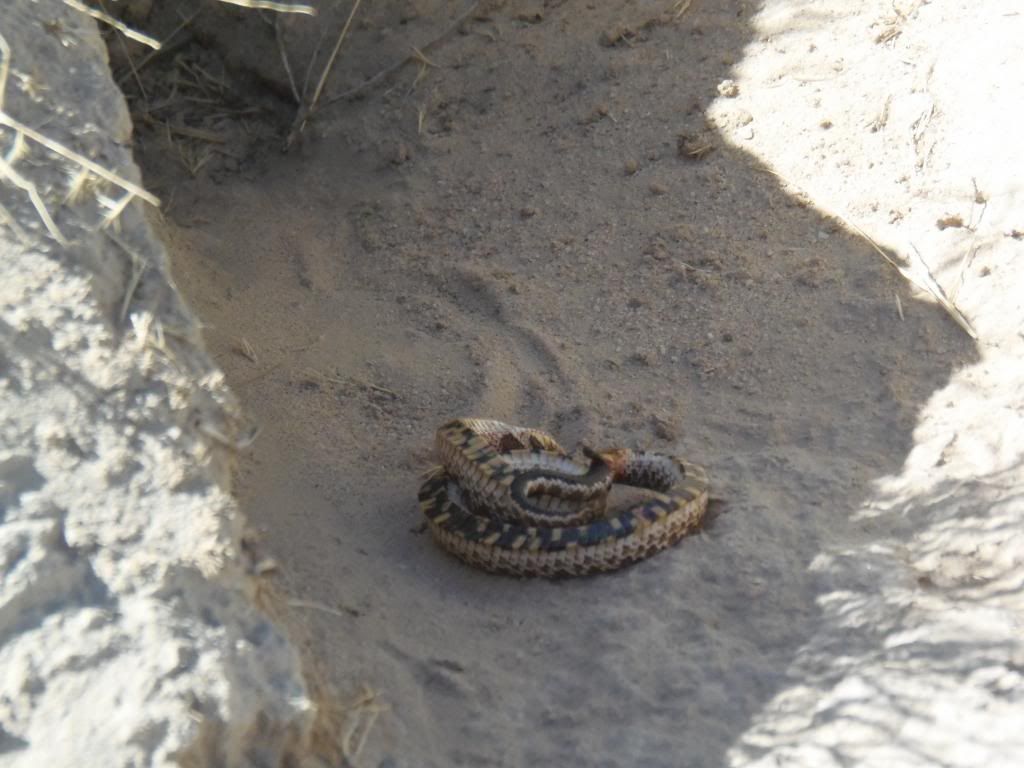
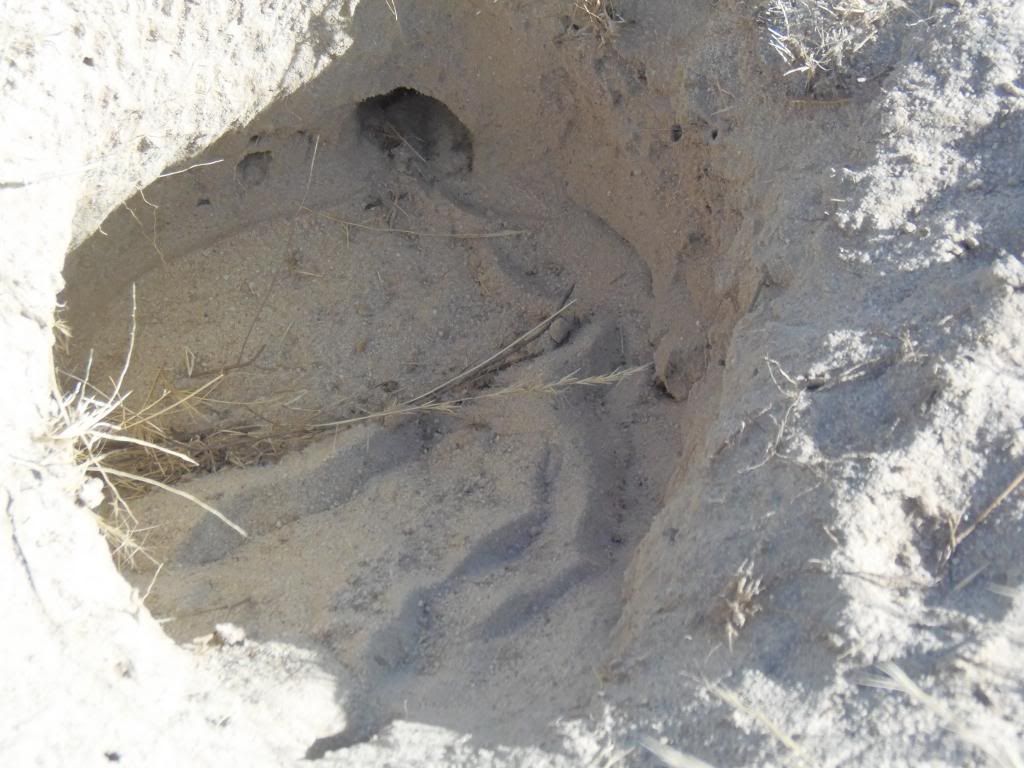
The bottom two pics of a hog coming out from in the ground, saw me and flipped out. These two also show the preferred substrate.
And lastly, finding this sand, using this sand in captivity is EASY to do. Its what they recognize, their behaivors are based on this type of sand. In nature, they do crawl over unsuitable substrate and find this and use it. Its what they know. When stuck with other substrates, they exist, not live. They live in this stuff. And if it sounds like preaching, yup I am forced to at times. whoops sorry the first pic is out of focus, picked the wrong one. Conversation welcome
Reptile & Amphibian Forums
Welcome to kingsnake.com's message board system. Here you may share and discuss information with others about your favorite reptile and amphibian related topics such as care and feeding, caging requirements, permits and licenses, and more. Launched in 1997, the kingsnake.com message board system is one of the oldest and largest systems on the internet.



hognose substrate, from the book
Replies (8)
Wait till next season for me. Nice pix and will go in this direction next season, because my girls did their thing in coco peat, with full cage bedding. How can this be set up in a 10 gal size tub?
Thanks for the pix. Mike
Hi, it can be set up in many ways, Depth anything from 6 inches or more. Even less is possible. The less you use, the more you have to have everything right. With my big boxes, theres so much variation that I do not have to be all that accurate.
Dark, is what the animals are looking for. So if you have a ten gallon tank, blackout the part underground.
A friend at a local herp shop nested his for the first time, this way. And used a ten gallon tank. His first female shed, then laid her eggs, that night. The only problem was, when the female laid, she dug down, not up. That fooled with his thinking. The female was strong, hydrated and went right to feeding. All you need to understand is the base requirements. Dark, humid, and depth to dig in. I place a piece of glass about four inches down, and they normally nest right under the glass. Best wishes
Excellent, can't argue with pics.
I am *this* close to getting some hognose, just because of the threads here lately about nesting and substrate type/depth. And hogs being smaller than most commonly-kept colubrids makes this even easier to do.
Now that is really interesting stuff, with real world application to captive hognose nesting. I am gonna set up a western hognose ant farm! Thanks for posting this.
I don't have numbers to back this up but, westerns seem to be more Friendly then Mexican hogs, my Mexicans are WC. Friendly means, actually utilizes the substrate and the surface. Things like board stacks are used well with the westerns. The Mexican hogs go down and stay down for long periods of time. The kennerlyi seem more keyed to substrate mass temps.
At this time we are keeping Kenyan sand boas, right next to the westerns in similar setups and its fun to see the similarities and the differences.
The Kenneryli seem more fun, they have stronger personalities. I like that sort of thing, so I promote it. All in all hogs are goofy in a good way, if you let them.
Yeah, this is exactly what I observed them in when my friend and I had the privilege of observing H.n. kennerlyi in their native habitat. Doing so only sparked more questions regarding how close proximity are their communities to their prey. I observed several Spiny lizards, but no toads, as our observations were mid-morning. Also regarding"transients"; Where exactly are they going, and why are they going there? Love the flat expanses they are found in. Always interesting posts, Frank. BTW I am a member in a local herp club with an acquaintance of yours, Michael J. Dee (think that's how he spells it).
reako45
First Mike Dee, I have known him for over 50 years, What a great man. Tell him hi and I hope to see him soon. Oh, ask him about kidney stones. He makes a terrible subject into something really funny. We have a history from Honels hut(sp) the beginning of the southwest herp so. To L.A. Zoo, to herp meetings all over. Ask him if we ever argued, hahahahahahahaha not once in all that time, why you ask, its easy, we didn't have time, to much laughing and stuff. Hes my man when it comes to herp literature.
About the hogs. Spinys(magisters) are not a main prey source and marginal to that habitat. The most common lizards are eastern fence lizards, S.undulatus, earless, whiptails of five types and a fair amount of leopard lizards. Toads, there are great plains(at least that is what I call them) green toads and spadefoots. Both green toads and spadefoots are commonly fed upon. with spadefoots topping the list. Lizards and lizard eggs are the most common prey item. With neonate hogs actively observed seeking them out. Large adult hogs are resident and rarely move on the surface. They do surface for short periods, and for the most part, not far enough to cross roads, some do of course. Transients are mostly animals without a set routine and wander over greater distances to find their needs and hopefully find a place to become resident. As you may know, small adult males are common and at times easy to find. Also as you may know, there are times when neonates dominate the area. My question is similar to yours, why on earth do neonates crawl across such large areas like wide roads and such where there is no shelter and such. It amazes me. I do have a thought for you. It seems that areas that are heavily collected, have far more wandering animals, then non collected areas. I first observed that in SoCal at such places as Whitewater canyon and Snow creek, as well as many other locales. These places seem to over produce until they reach a breaking point.
Though I only observed them briefly, I noticed no whiptails, a few fence lizards, and no Leopard lizards. I did notice the first hogs to appear were neos. It would be cool to have time to observe them at a few different sites.
reako45
