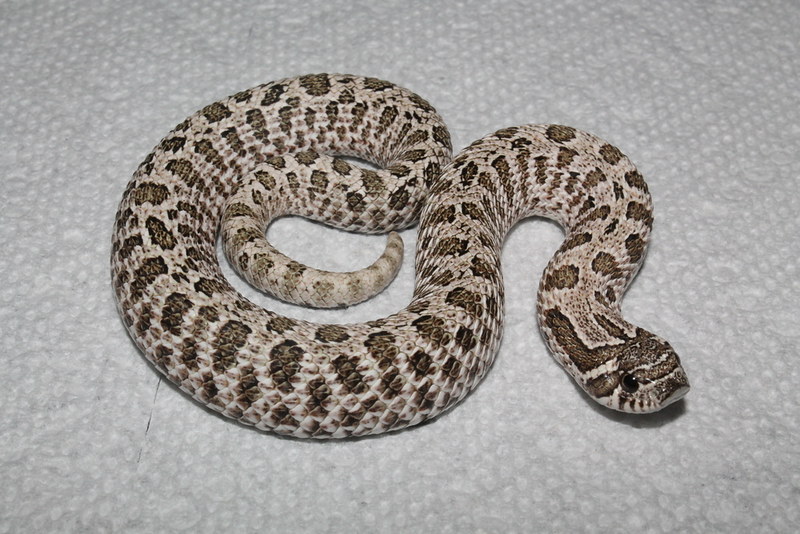
contrast of the normal and jmgs. These guys are sooooo cool. If you havnt seen one in person you are missing out.

Reptile & Amphibian Forums
Welcome to kingsnake.com's message board system. Here you may share and discuss information with others about your favorite reptile and amphibian related topics such as care and feeding, caging requirements, permits and licenses, and more. Launched in 1997, the kingsnake.com message board system is one of the oldest and largest systems on the internet.



jmg axanthic het albino
Jonrice
Jul 18, 2014 03:48 PM
Replies (14)
Jonrice
Jul 18, 2014 03:49 PM
hes a real stud

FR
Jul 19, 2014 11:13 AM
Hi Jonrice, Beautiful hogs, as I am new, I have a bit of a hard time with western axanthics. The normal ones, range from good axanthics, no red or yellow, to individuals with brown.
This co-dom type your posting also appear to do that as well. I am also aware, yours pics are on my computer, which means, the computer could have added what ever it wants.
Heres some contrast pics of in the field hogs, found minutes apart.
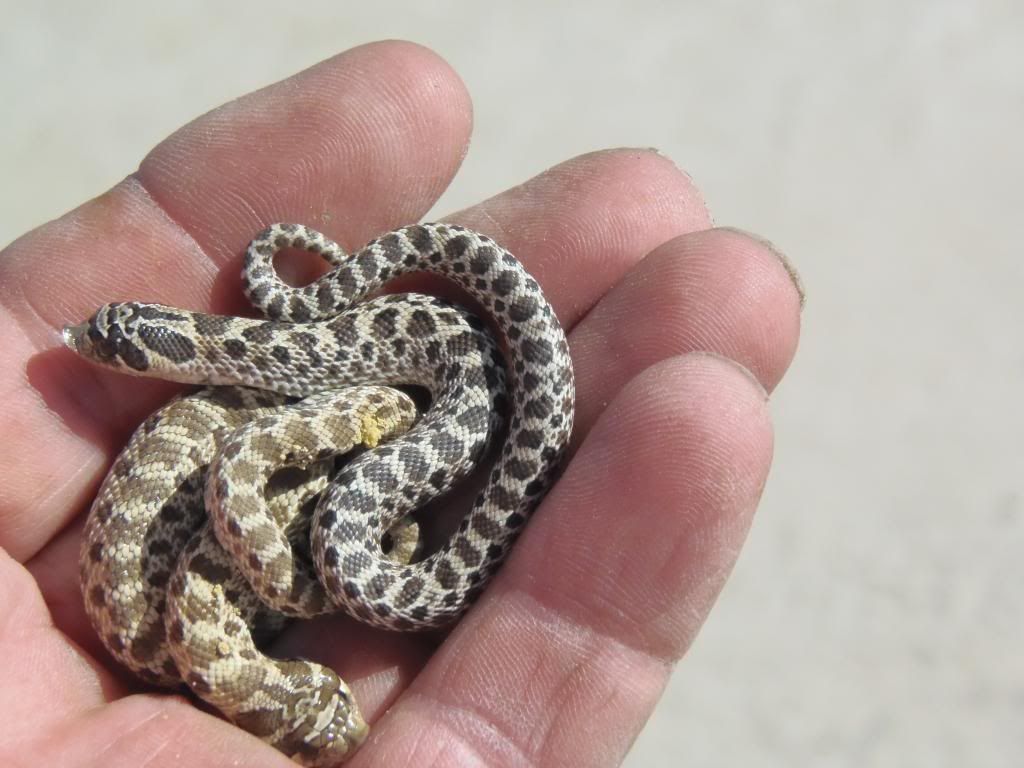
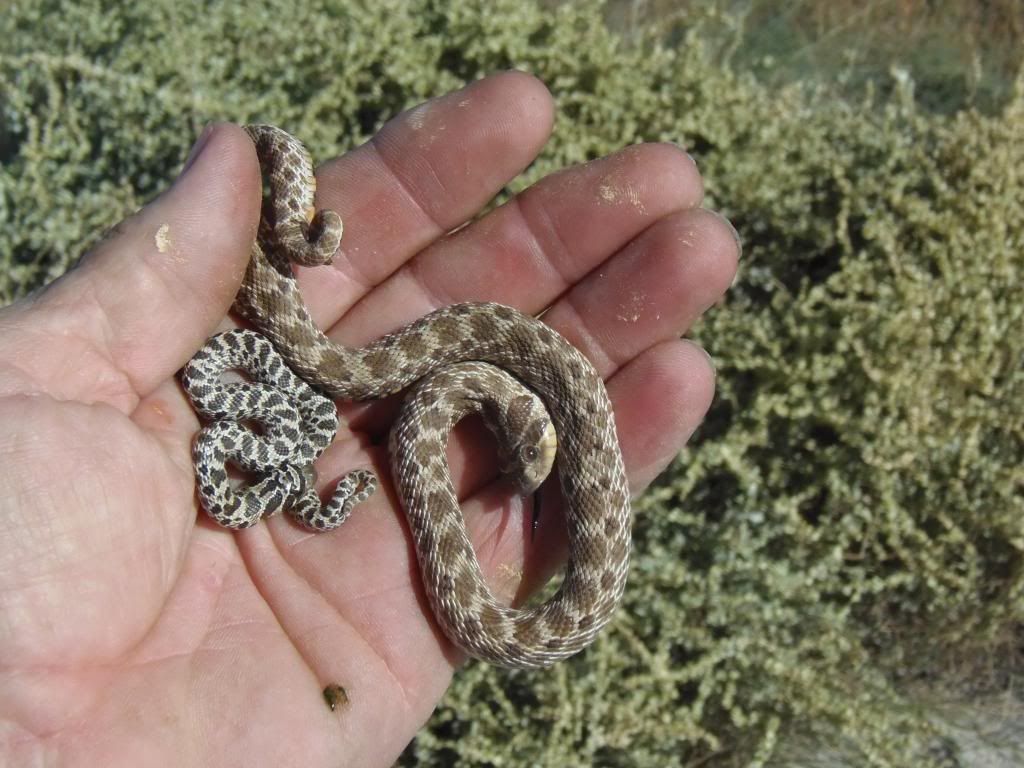
These two pics are normal, same black and white with two different orangesh individuals.
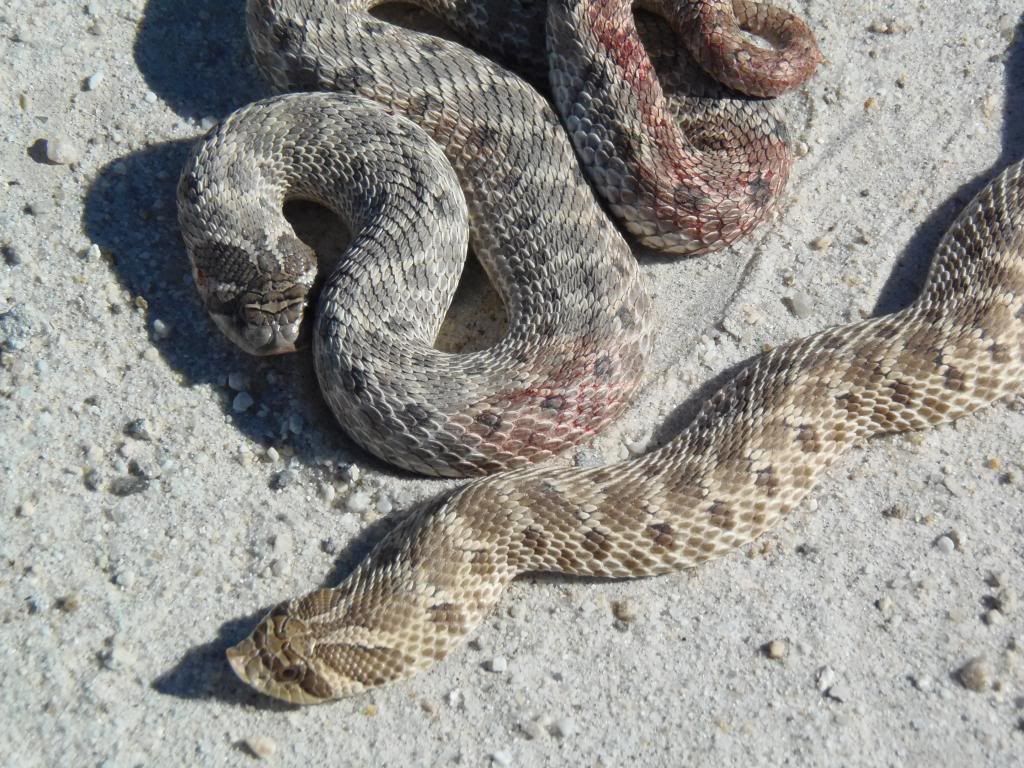
This is a female axanthic, with a normal found again, minutes later. Truthfully orangesh brown hogs at this site is rare. Most adults are greyish. I do not know if its Selection, but there is a HUGE range in the neonates.
Gregg_M_Madden
Jul 19, 2014 02:10 PM
The only real way to tell true axanthics from grayish colored normal is ventral scale coloration. If the ventral scales even have a hint of yellow coloration, they are not true axanthics. Also, at hatchling/juvenile size, true axanthics should not show brown coloration on the dorsal.
Here is a true recessive axanthic.
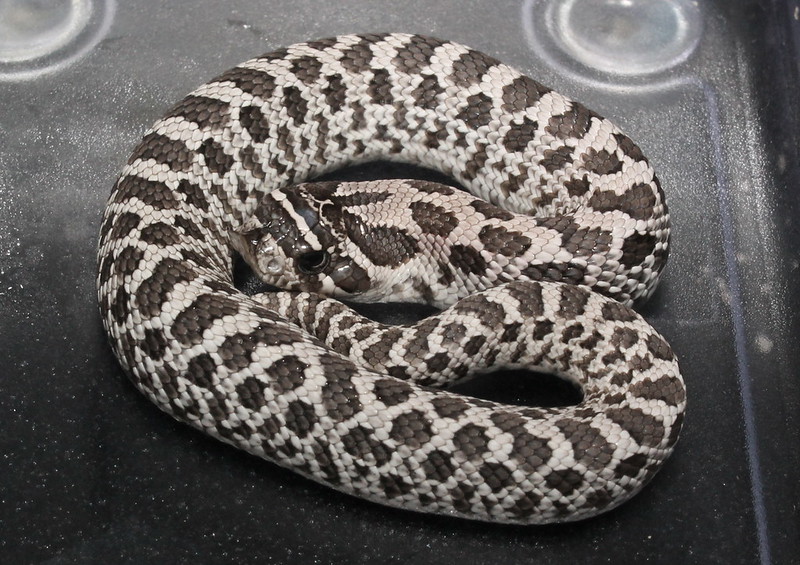
And a JMG co-dominant axanthic/Arctic. This is the non-super form. When 2 of these are bred together, it produces super which are black and white.
FR
Jul 19, 2014 02:36 PM
Thanks Gregg, I fully understand the black and white belly. What if an animal has a black and white ventral and has brown on the dorsal side? Please understand, folks can call whatever they want, what they want, and they do. Which is the problem. I see axanthics with brown? Green hogs with no green etc. I think I know what your going to say, hahahahahahahaha
Gregg_M_Madden
Jul 19, 2014 04:02 PM
Frank, axanthics can and do brown out as they age. This is a fact with species of axanthics across the board. Why do a lot of them brown out? I have no clue. but I do not think int has to do with actual pigmentation. From what I understand the Super Arctics do not brown out. As far as the green hogs go, I can tell you from experience that it is hard to capture green in photos when it comes to hogs for some reason. I do have my technique to capture the green in them without using a photo editor though. I will start a new thread to show off some green hogs.
FR
Jul 19, 2014 05:16 PM
Thank You, at what age do they "brown out"?
Gregg_M_Madden
Jul 19, 2014 05:24 PM
Its hard to say really. Some sooner than others and some never do brown out. I have an adult male that is very silver and black with no browning and an adult female the same age who did brown out. Her dorsal is brownish but her ventral scales are still black and white.
Jonrice
Jul 19, 2014 05:25 PM
Yeah frank those have quite the variation. These jmgs lighten up a lot w each shed. It will be interesting to see them transform over the next couple sheds. The supers start out very dark then lighten up to a black and white beauty. I will be getting one here shortly. Jeff sent me pics of quite a few last night. Now to make a choice. That's the hard part.
Jonrice
Jul 19, 2014 10:54 PM
What happened to that hog in the bottom pic. It looks like it has blood on it.
FR
Jul 19, 2014 11:47 PM
One of the defensive behaviors wild hogs do is spew a thick dark blood from their mouth. I have better pics if you would wish to see that close up.
Whats interesting is, Its shuts off as soon as the threat is past. Like they have the ability to start and stop it. And it can be a lot of blood.
Not every encounter results in mouth bleeding, but its common.
When they do it, they commonly mouth their own body and spread it all over. Once in captivity, I have not seen it occur.
Jonrice
Jul 20, 2014 08:06 AM
I have heard of this but never seen an example. Very interesting.
reako45
Jul 21, 2014 12:45 PM
Wow, Frank, with them pictured all together like that you really see their variability. Those orangeish browns (light browns) would make an interesting project.
reako45
jenniferbrownz
May 15, 2018 01:40 AM
Wow, Frank, with them pictured all together like that you really see their variability. Those orangeish browns (light browns) would make an interesting project.
soundcloud to mp3
reako45
Jul 21, 2014 12:38 PM
Beauties. Very cool.
reako45
