So I finally got my hands on a baby black throat, which I've had for a week now. I have a nice setup for him and he's had a very strong appetite, which is great.
To try to get him used me, I have been trying to handle him every day. He's been great, up until yesterday. Now he hisses, and attempts to bite me. I tried grabbing him with a sock and he went crazy on the sock, even after I took my hand out lol. I know this is defensive as opposed to "aggression" and I have come to learn (after some further opinions from owners) that the best thing to do is leave him alone for a month or so to get them used to their environment and comfortable BEFORE handling.
How many of you have had success with this strategy? I have kept many boas/pythons over the past 2 decades or so which have all grown up to have a calm temperament. My hope is that I can groom my latest addition to be the same! Thoughts from any BTM owners?
Reptile & Amphibian Forums
Welcome to kingsnake.com's message board system. Here you may share and discuss information with others about your favorite reptile and amphibian related topics such as care and feeding, caging requirements, permits and licenses, and more. Launched in 1997, the kingsnake.com message board system is one of the oldest and largest systems on the internet.



Black throat baby
Replies (5)
It depends entirely on what you consider to be successful husbandry and response. Whatever method applied will always achieve an outcome; you need to know what you are going for in keeping this creature and proceed accordingly. I keep primarily Indicus-Complex spp., and have some animals that eat right out of my hands (no hemostats required, though as a disclaimer I do not recommend this to most keepers) whom are of wild origins and have never been handled extensively save initial transportation. They trust me, and that did not happen by accident. Personally, I'd rather let my Varanids decide for themselves that they like me rather than subdue them into complacent acceptance of my existence. Ionides tame rather easily with positive reinforcement, so give it some time and forego the socks in the meantime.
Hi, I agree with almost all you`ve said, but for yours and anyone else`s, there is no such subspecies as V. albigularis ionidesi. It is definitely NOT recognised nor ever has been, in spite of numerous keepers and dealers claiming they had them!
"there is no such subspecies as V. albigularis ionidesi."
There most definitely is such thing. As someone who has traveled extensively throughout Africa including Kenya, Tanzania, Mozambique, Namibia and South Africa and personally seen each of these 4 subspecies in their natural habitats - I'll clear up the confusion for you, murrindindi.
FYI, a subspecies is usually defined as fairly permanent and geographically isolated race.
Varanus albigularis angolensis (Angolan White throat)
These have never been introduced to the pet trade and can only be found in Namibia, very north-western Botswana and in southern Angola. If you travel to Namibia, you can see them in Etosha National Park. These are very beautiful when young but as they age they become sort of speckled and lose most all of their pattern. Dark noses and dark ends of tail. You will find no other Albigularis subspecies in these areas.
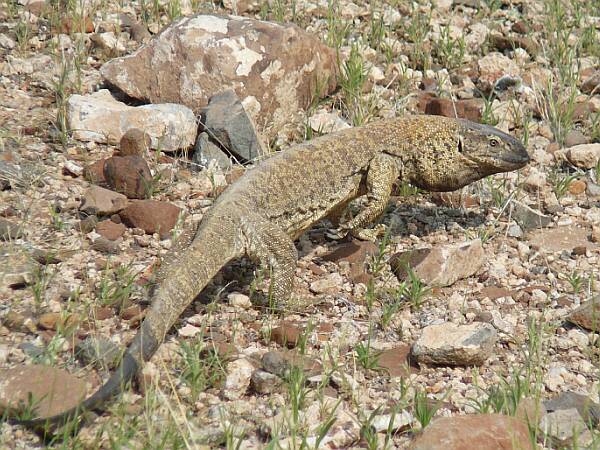

Varanus albigularis microstictus
These are found in and around North Eastern Tanzania, very far eastern Uganda and in Kenya especially around both Tsavo West and Tsavo National Parks. You'll see them in the pet trade.
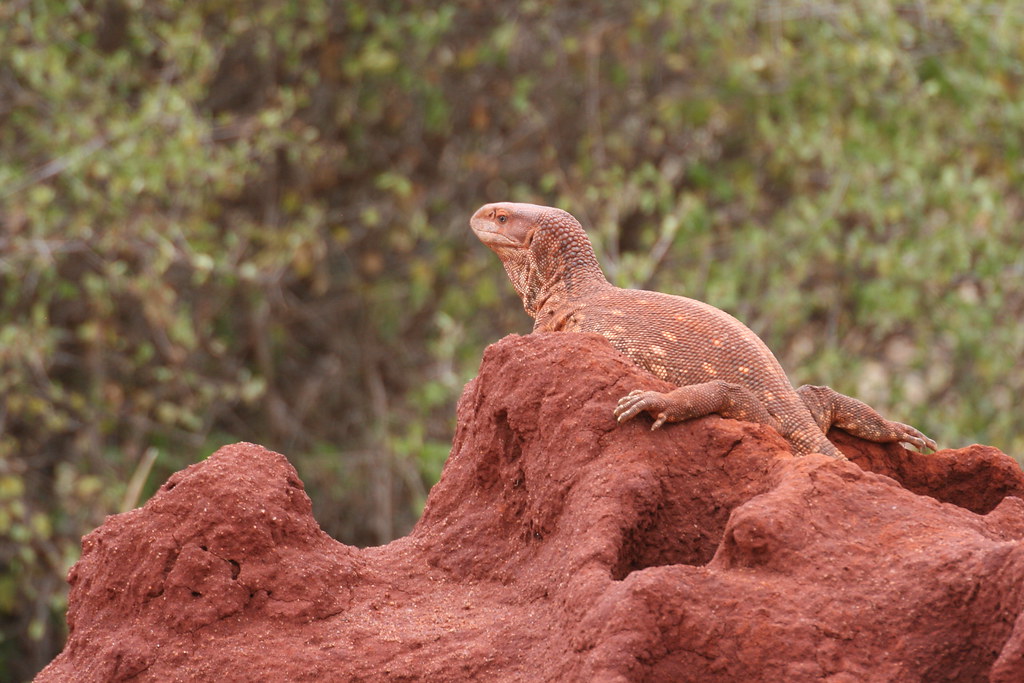
Varanus albigularis iondesi (commonly called "blackthroat"
These are collected and found only in western Tanzania around Ruaha National Park and the surrounding reserves. You will not see any other Albigularis subspecies in those areas. You'll see them in the pet trade.

Varanus albigularis albigularis (commonly "cape" white throat)
Found in South Africa, southern Botswana and Mozambique. You'll see them in the pet trade but not very often.
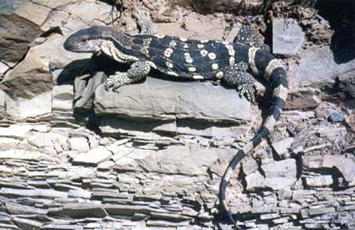
Each of these 4 subspecies have their own distinct patterns and markings, sizes, habitats, have been permanent as long as anybody has ever known, and have their own geographic territories. In very few areas will you see them actually cross-breeding between subspecies. Hope this helps you.
Hi, can you show the list of currently recognised Varanid species and subspecies and point out where V. a ionidesi is in said list???
I too have travelled extensively and that in itself has absolutely nothing to do with the naming of species!?
Has more to do with the obvious differences between certain locales of varanus albigularis. And the fact that these differences have been permanent in these locations for as long as anybody has observed them.
"Official" taxon means very little, so why cling to that? "Official" taxon is never considered the end all or even correct.
How long did "Official" taxon regard the Savannah monitor as included within Albigularis or vice versa? How long did "Official" taxon regard Ornate monitors the same as Nile monitors?
You could call them by their locale if it helps clear up confusion. Their locales are well known. Call them whatever you like, but the recognizable fact is there are still always 4 different locales of albigularis.
