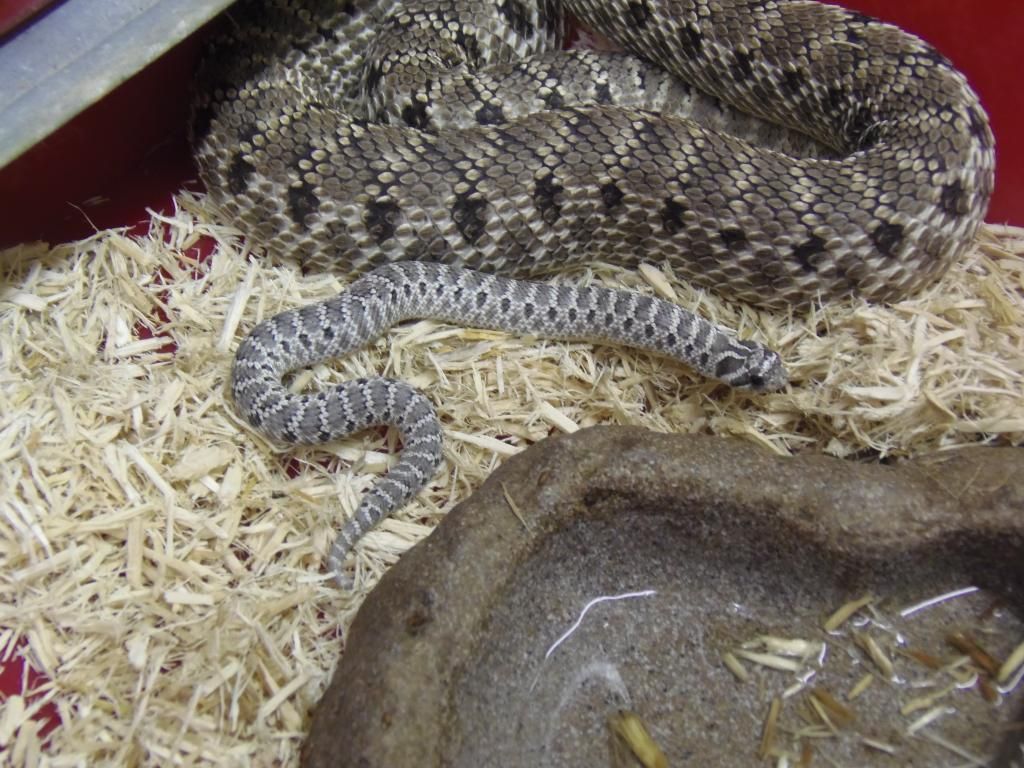
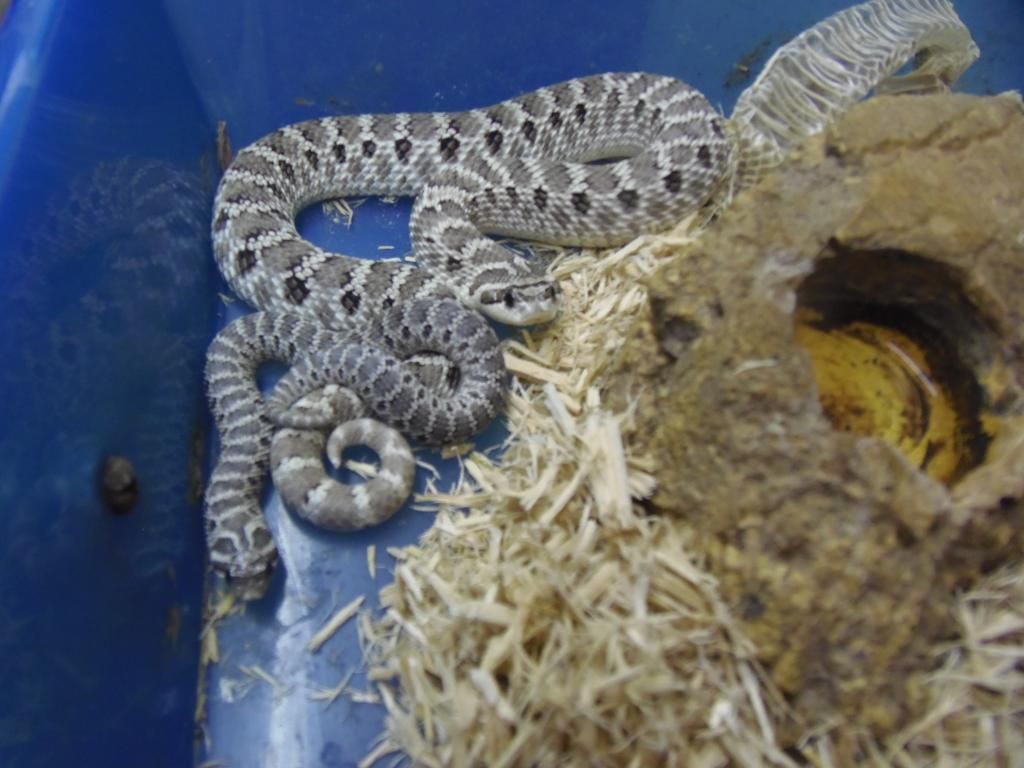
Heres one of the two females, she just shed(2nd) the others are still in shed.
After I took these pics, I put her back with the other two and tossed in a couple pinks and both girls ate.
Enjoy
Reptile & Amphibian Forums
Welcome to kingsnake.com's message board system. Here you may share and discuss information with others about your favorite reptile and amphibian related topics such as care and feeding, caging requirements, permits and licenses, and more. Launched in 1997, the kingsnake.com message board system is one of the oldest and largest systems on the internet.



Male female and daughter
FR
Oct 23, 2014 07:33 PM
Replies (14)
willstill
Oct 24, 2014 08:45 AM
Wow, Frank, all three of those are spectacular. Congrats, man great work.
Nasicus, see how the baby looks just like mommy and daddy, that's what us grown folks call inheritable. That means the look can be passed from mommy and daddy to baby. We call it a GENETIC trait and Frank can (and will) make more of them.
Will
FR
Oct 24, 2014 09:01 AM
So far, the neonates are a joy to work with. Its interesting to see there is a behavioral difference between wild caught and captive hatched. The neonates feed all the time and any time.
If you remember when I was heavy into varanids, I always considered founders as temporary, that is, the animals I wanted to work with were the captive hatched offspring.
The founders were not a problem, that is, they all fed and moved to mice right off or within a few feedings.
The little male is still a MALE and does his male thing. The females are totally nice and rarely hiss or act up. They are not touchy in the lest, for instance, after posing that little girl with her parents and a couple other adults, she fed as soon as I put her back in her cage.
FR
Oct 24, 2014 10:09 AM
About those two folks, they are fully aware of what occurred and fully understand there's very high percentage that those two adults are indeed recessive axanthics. A very very high percentage.
But I do agree that more work needs to be done and will be done. In fact the question is much greater then they allude to. having three pairs of founders, 3.3, Complicates the issue and all three need to show results. Its possible that the white axanthics may be recessive and on a different allele. So yes, more fun work will be done.
I am not sure they have any idea what founder means. In this case, its animals with an unknown genetic history. All the animals in that area could be visuals or non visuals. So having a normal pattern means nothing. All wild snakes, have an unknown genetic history. There could be albinism, melinism, axanthism, striping, patternless etc in any founder's genotype.
Those folks are living in deli cup genetics, which means, they have genetic lines in captivity. Proven to them means, a captive history. Which is fine, but Of course, most of those lines are wiped out by natures phenotypic selectors. So in nature, they are not important. pt1
FR
Oct 24, 2014 10:17 AM
They also have no concept of epigenetics, which means, above genetics. This is an area of study where factors outside off genetic coding causes changes to occur and those changes can be inherited. These factors, are called stressors, they can be environmental or chemical. not much is known about this, at this time. On the surface, epigenetics is a small link to Lamarckian evolution. Its very interesting and does explain some problems that surface.
For instance, if a pure recessive is line bred for many generation, sooner or later, other visual traits occur.
Such areas like color and pattern are good areas to see this occur, as its necessary for animals to adapt quickly to changing conditions. So these areas may indeed be "easy" genes to fold and cause changes outside of genetic coding. other areas such as heart/lungs etc, are very strong genetic coding that are not easily stressed. Or easily changed.
Even behavior is linked in this way. Examples could be, all this captive morphs, are wiped out quickly in nature, if theey do not fit, they are GONE. This occurs with behavior, a slight behavioral variation, is normally erased quickly, but genetically stored. As the environment is constantly changing, those morphs and behavioral flaws may be needed at some time. and needed quickly.
nasicus
Oct 25, 2014 07:32 PM
Deep substrate instead of 1/4 inch of aspen. You do know that they are designed to borrow right?
Why are you torturing them by not allowing them to do what comes natural, borrow?
FR
Oct 26, 2014 12:29 AM
I do both.
FR
Oct 26, 2014 12:32 AM
Is there something about "both" you do not understand, It means, I do use deep substrate and shallow substrate, its how a person learns. I know I am weird, but I am not bound to keeping any reptile in one cage, I use many cages. Its fun and learning for me and the animals seem to like the change. Try it sometime.
DavidM85
Oct 26, 2014 09:31 AM
No FR you are wrong......it's three cage types. The cola cage is deep substrate and a drawer system at the sometime.
BTW have you ever kept snakes outside? Like Bill Haas did with rattlers?
FR
Oct 26, 2014 09:52 AM
Hi David, hmmmmmmmmm In South fla, they did keep snakes outside, but they were kept poorly. I worked at Ross Allens when Hass was in Miami. We also kept snakes outside.
Here in Az. its either too cold or two hot. with a few days of just right.
I have facility, I have indoor cages, outdoor cages and indoor outdoor cages. All built for varanids. I may use some of the indoor/outdoor cages for snakes in the future. Larger snakes, not hognose.
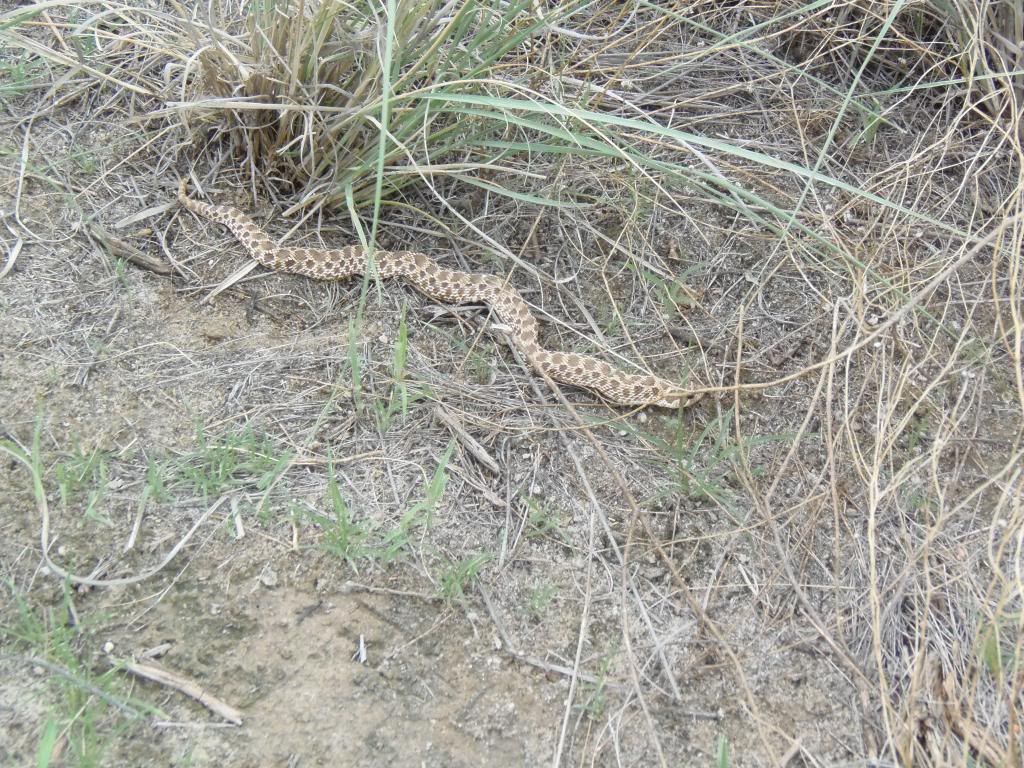
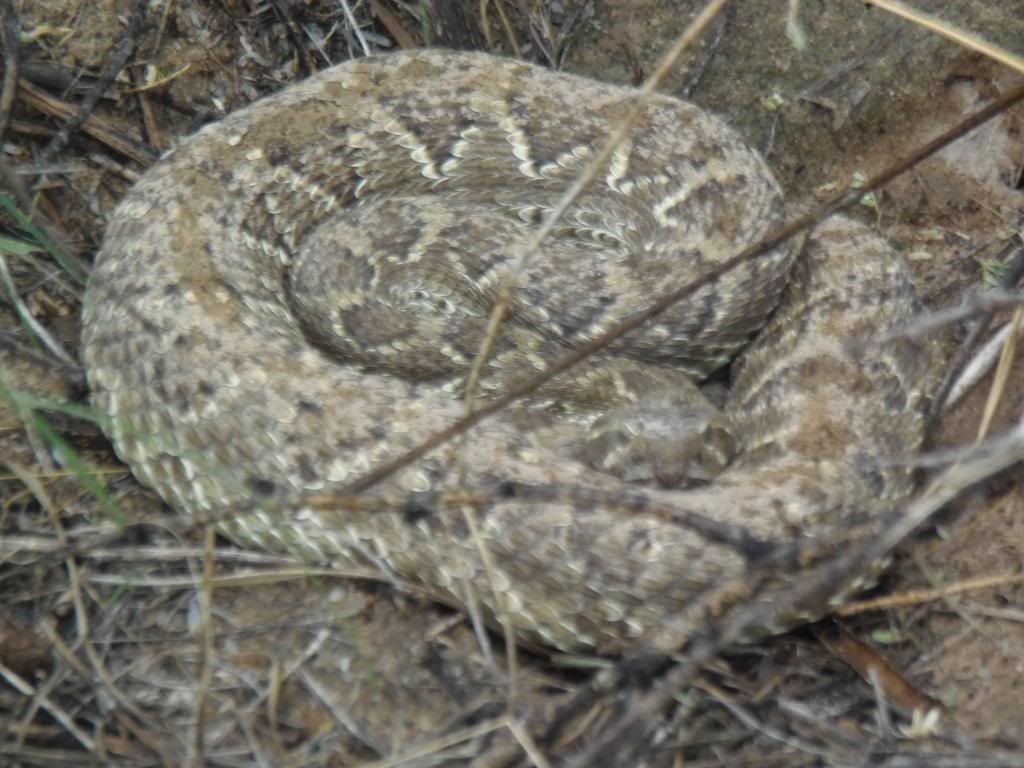
ALso, I am at the edge of open desert and have five acres. We have lots of native snakes/reptiles. I have done some participant work with them. That is, feeding them and supporting a level of trust where they trust me enough to crawl on me and follow me around, I have thousands of pics of this. This includes diamondbacks. Thanks
DavidM85
Oct 26, 2014 11:10 AM
That is neat you worked for R Allen. He is one of those guys like Haas, Frankie weed and Carl Kauffeld.
I agree it can get hot in a pit but how about a screen cage that goes into the ground. That way heat won't collect. Put sand inside with rocks and boards. Put smaller bushes. I want to get some CB southern Hogs but keep them outside. I probably would never see them.
FR
Oct 26, 2014 01:43 PM
The key to where they live in nature is the mass. If that's included in your outside cages, then that's a start.
The problem is what you mentioned, they will go down and not come up, for very long periods or forever. hahahahahahahaha
Southern hogs, that was my oldest daughters first snake she caught. She was 8 months old and the snake was in our driveway.
DavidM85
Oct 26, 2014 02:20 PM
Is the mass that different in a sunny field than it is in a partially shaded yard? I do have a open part to my yard that might work. What do you mean by mass? I have still not seen one or know guys who have. Lucky girl to find one by chance.
FR
Oct 26, 2014 02:44 PM
Southern hogs are much like our hogs, they are attracted to open sunny sandy areas, particularly with some wetlands nearby.
The mass, would be the sandy earth that holds temps and humidity the animals utilize. When I say mass, it includes a large enough area that temps and humidity are steady, over long periods. Fall, winter, spring is where they mass areas are very important, mid summer is usually a time for feeding and they will often move to areas, edge of wetlands to feed. Including areas where they do not burrow. There they shelter at the base of bushes.
We have witnessed on our long term studies, where snakes utilized a mass area and it was ruined and abandoned because a tree grew up and blocked the sun. Which intern changed the temps of those areas.
So if you have a sandy area with unobstructed southern exposure, You may have a good start.
I will say, outdoors is far more difficult then indoors, but once you get it right, its so much fun and educational.
Home mass areas can include, deep sandy areas for hogs, or rock out crops, cobble layers in the ground for other species like crots and lyresnakes and some types of kings, dead trees, or dead parts of live trees, for ratsnakes, etc.
DavidM85
Oct 26, 2014 04:23 PM
Thank you.
No further explanation needed..I think I will even apply that to finding wild ones of my own. It is starting to get cold here.
